How Historys Deadliest Conflicts Created Permanent Dead Zones
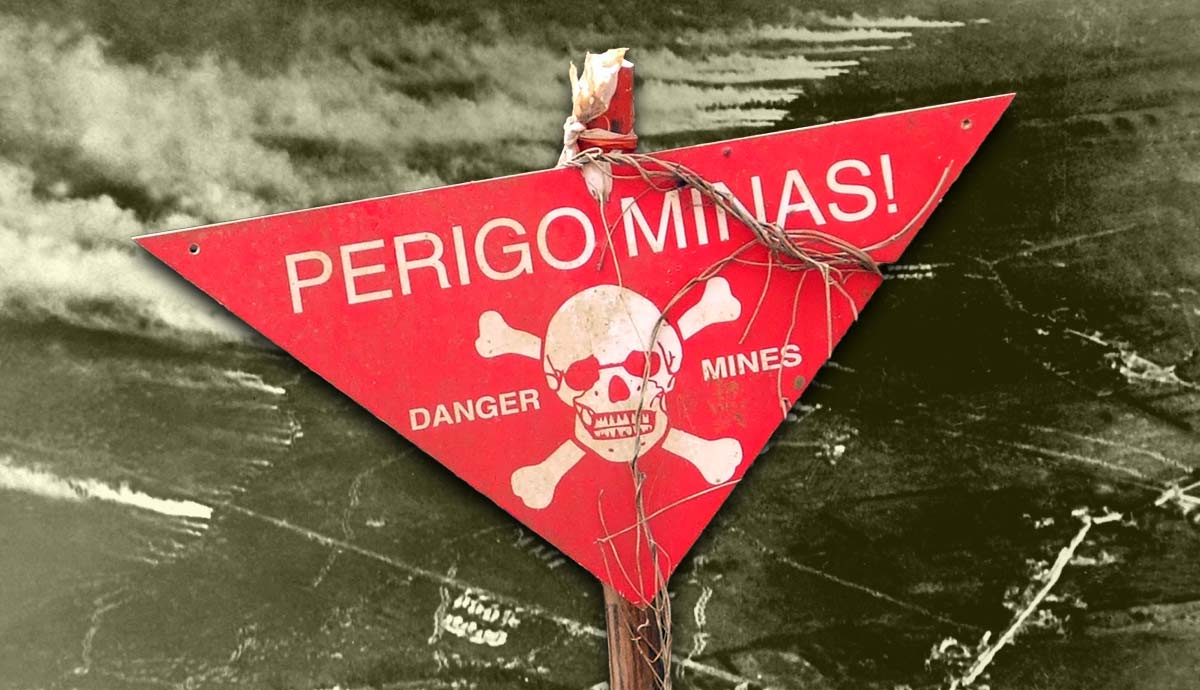
Sounding like a term out of science fiction, dead zone means exactly that. This term refers to the irreparable damage inflicted on the landscape. The harm results from contamination, destruction, or long-term environmental breakdown and can persist for decades or even centuries.These zones are not limited to one continent. Most dead zones are found in Africa, Europe, and Asia. Whether its poisoned soil, chemical-laden forests, or toxic dust, there is no quick fix. Examples include Frances Zone Rouge, Angolas mined provinces, Vietnams unexploded ordnance, or Fallujah in Iraq.The Structure of a Dead ZonePoison gas attack in WWI. Source: NAIDWith the definition established, the next question is what makes the land uninhabitable. There are four scenarios of how war has created the dead zone.UXO: Or unexploded ordnance. Ordnance can mean mines, artillery, or bombs.Whole landscapes can be covered. Cluster bombs, buried shells, and dormant mines remain active for decades, shifting with the weather and hidden by vegetation. Fields become unusable, causing communities to decline. As the munitions age, even the slightest disturbance can trigger them.Chemical Contamination: Wartime chemicals contaminate water and soil for years, poisoning people and entire communities. Examples include the Great Wars arsenic from artillery shells, which doesnt degrade, and Agent Orange in Vietnam. Heavy metals, carcinogens, and toxins settle in the soil. Farming fails, or wildlife disappears due to the radical change.Toxic Dust/Structural Collapse: Urban battles and aerial bombing campaigns pulverize cities and infrastructure to rubble. Hazardous materials, such as toxic dust (asbestos) or chemicals, are released into the environment. The rubble may contain UXO, making rebuilding dangerous.Ecological Collapse: War inevitably changes ecosystems. Forests are burned or bulldozed. Soil and waterways are wrecked by chemicals from munitions. Wildlife is decimated, either by war or by refugees seeking food.Welcome to the Dead ZoneFrances Zone Rouge (in French) displayed as a heat map. Source: Wikimedia CommonsZone Rouge: Created by the Great War 100 years ago, Zone Rouge originally covered 460 square miles of northeastern France. Within the Zone, contamination is so harmful that the French government classified it as permanently unsafe for human life.Farmers in the Somme Region regularly dig up UXO, calling it the iron harvest. With so much ordnance, extreme levels of arsenic, lead, mercury, and chlorine exist. Near Verdun, arsenic levels in the ground reach nearly 18%. With so much more still hidden, France declared some villages to have died for France.Angola and Mozambiques Minefields: For decades, these two African countries reeled under civil war. Both sides planted minefields, usually with virtually no record keeping. Minefields became a major weapon, laid across villages, rivers, and farmers fields.Warning sign in Angola. Source: Medici con lAfrica Cuamm on FlickrDue to the minefields incredible density, ordnance experts stated that the soil was now weaponized. Additionally, the dangers of the mines still loom for both man and animals. Movement and farming are now restricted as both could be lethal. Local wildlife suffers too, as elephants, giraffes, and other animals accidentally trigger the devices.As some of the worlds worst dead zones, ecological recovery is both expensive and time-consuming. Clearing Angola and Mozambiques dead zones will require decades.Agent Orange: This herbicide, deployed by the US before and during the Vietnam War, didnt create one dead zone like Zone Rouge. Several sites exist across Southeast Asia, primarily in Vietnam. From 1962 to 1971, the American military sprayed 20 million gallons. Contaminated with the toxic dioxin TCDD, Agent Orange destroyed vegetation that opponents used for cover. Whether on the Ho Chi Minh Trail or around bases, the Agent worked.The land became unsafe, however, as the dioxin binds itself to soil and sediment. The residue resists breakdown and can be harmful to organisms. Sites sprayed or where Agent Orange was stored, like Da Nang Airbase, became dead zones. Vegetation failed to grow or mutated, animals avoided the area, and human health declined (cancer, birth defects).Ecological and Human CostsUnexploded ordnance in Ukraine. Source: UNICEF Ukraine / Flickr / Wikimedia CommonsUnfortunately, dead zones cant be easily remediated. Unexploded ordnance or explosive residues linger for decades. Though tedious, mine removal can be (and is) done. The limiting factors are human effort and cost. Experts ruled that Zone Rouge can never be restored to its original state.With a slow natural breakdown, dioxins like Agent Orange take centuries. Only a few sites were cleaned in the last 50 years. Dead zones will exist for years to come.




 English
 Arabic
 French
 Spanish
 Portuguese
 Turkish
 Dutch
Dutch
 Italiano
 Russian
 Romaian
 Portuguese (Brazil)
 Greek
Greek