Were There Any Foreign-Born Samurai in Japan?
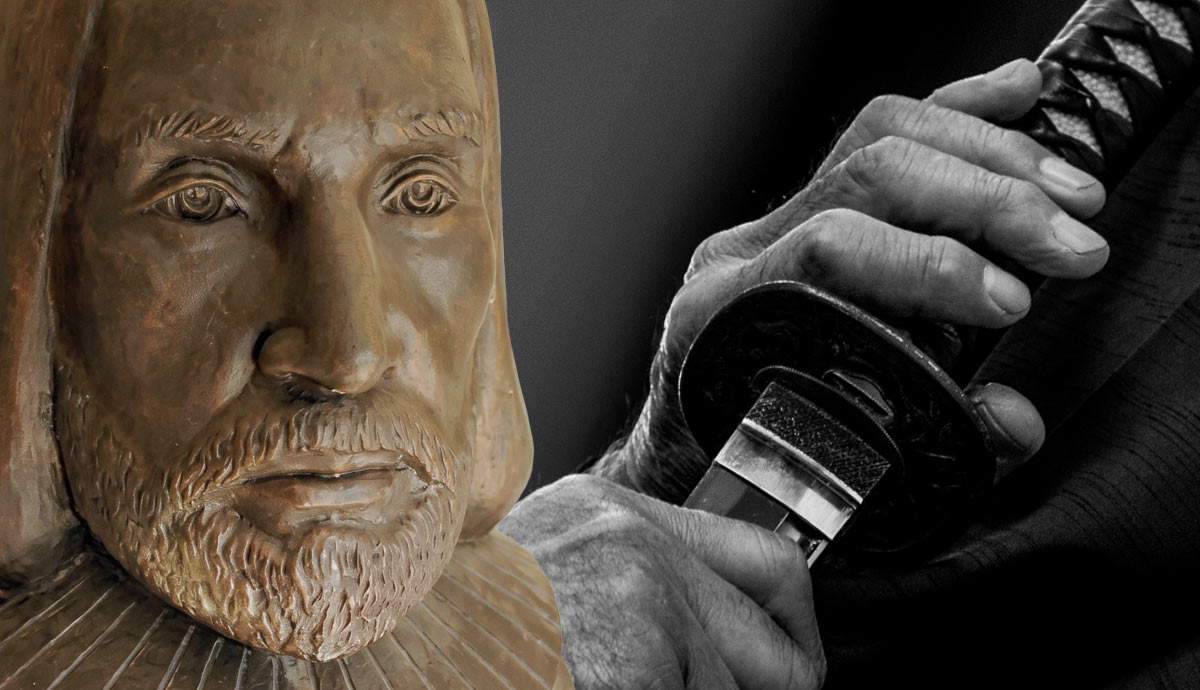
Few historical figures embody Japanese culture quite like the samurai. Their massive helmets, decorative iron armor, and the famous curve of the katana have fascinated generations interested in the national culture.The history of the samurai, however, has a few interesting wrinkles that are often glossed over. And one of them is the fact that a handful of foreigners were able to scale the ranks of Japanese society to become samurai despite Japans strict warrior caste system that became incredibly rigid in later years. A few samurai from other continents made notable contributions to local society.Yasuke, the African SamuraiRimpa-style suzuri-bako (detail) from the 1590s, possibly depicting Yasuke. Source: Wikimedia Commons / Museu do CaramuloYasuke was one of the most famous samurai of his time; his life represents a definitive chapter in African samurai history. He was born in Africa and was brought to Japan by Alessandro Valignano, an Italian missionary exploring East Asia in the 16th century.Arriving in Japan in 1579, he and his group found themselves right in the middle of Japans Warring States period, known as the Sengoku Jidai (roughly 1467 to 1615). When Yasuke arrived in Kyoto in 1581, he caught the eye of Oda Nobunaga, one of Japans greatest warlords.Impressed by Yasukes physical strength and behavior, Nobunaga hired him as his personal bodyguard. Books from the era, most notably The Chronicle of Lord Nobunaga, described Yasuke as having a dark complexion and the strength of ten men. Yasuke became Nobunagas weapon-bearer in addition to having bodyguard duties, even fighting beside him in June 1582 during the attack known as the Honn-ji Incident. Yasukes story ended with him bravely fighting for the Oda family before his capture and release, but he is still remembered as one of the earliest documented foreign-born samurai in Japan.William Adams, the Navigator Who Became a SamuraiWilliam Adams before Shogun Tokugawa Ieyasu, in a 19th-century illustration. Source: Overseas Images of Japan Database / Wikimedia CommonsWhile Yasukes rise to status was sudden and fast, Adams rise came slowly and by accident. The story of the English samurai William Adams, later known as Miura Anjin, began when he was born to a family in Gillingham, England, in 1564. Adams got to Japan after he joined the crew of the Dutch ship De Liefde as a navigator. However, during its journey, the ship was badly damaged. It anchored in Japan in 1600, just as Tokugawa Ieyasu finalized his plan to become Japans next shogun.Impressed with Adams skill as a navigator, Ieyasu appointed him hatamoto, or a direct retainer to the lord. Adams was also given land in Hemi (now Yokosuka) as well as a large yearly salary. He was also given the Japanese name Miura Anjin, which translates to The Pilot of Miura. Under the new regime, Ieyasu heavily relied on Western advisors to navigate international trade and diplomacy. Adams became the link between the Japanese government and visiting Westerners, eventually becoming an advisor. Adams was granted samurai status and lived as a high-ranking official until his death in 1620 after a short illness.Other Notable SamuraiBust of Jan Joosten van Lodensteyn at the Kuroshima museum. Source: Wikimedia CommonsWhile Adams lived a long and successful life in Japan, he was not the only person to benefit from the luck of De Liefde. Another sailor who made landfall aboard the battered vessel was Jan Joosten van Lodensteijn Yaesu, also known simply as Joosten. Joosten also became a hatamoto under Tokugawa Ieyasu, serving as both a translator and a merchant. Joostens importance to Japanese history can still be felt today; the Yaesu district of Tokyo, located near Tokyo Station, is named after him. The Japanese pronounced his name as Yaysu, which eventually evolved into Yaesu. Unlike Adams, Joosten spent his final years traveling abroad and passed away in 1623 following a drowning incident.While the two Europeans are the most famous foreign-born samurai, they are not the only ones to earn the title. During Japans invasions of Korea between 1592 and 1598, there were reports of Koreans being captured as prisoners and forced to live in Japan. Records show that Kim Yeo-cheol, a captured Korean youth, entered Japan during the invasion and was later adopted into the Wakita family, who became samurai serving the Maeda clan. His integration into Japanese society as a samurai was smoother than most because he was taken in at such a young age.The Context of Foreign-Born SamuraiOda Nobunaga, late 16th-century depiction. Source: Wikimedia CommonsThere is still some disagreement over who qualifies for the title of samurai, as people living in Japan during the Sengoku period had a loose definition of what counted as a samurai. However, many historians recognize the rights given to Joosten, Adams, Yasuke, and other foreign visitors as samurai status. The fact that they were given salaries, land, and formal samurai rank by their lords, all of which included weapon privileges, confirms their place in Japans famous warrior class.




 English
 Arabic
 French
 Spanish
 Portuguese
 Deutsch
 Turkish
 Dutch
Dutch
 Italiano
 Russian
 Romaian
 Portuguese (Brazil)