What Is the Untold History of the Black Seminoles?
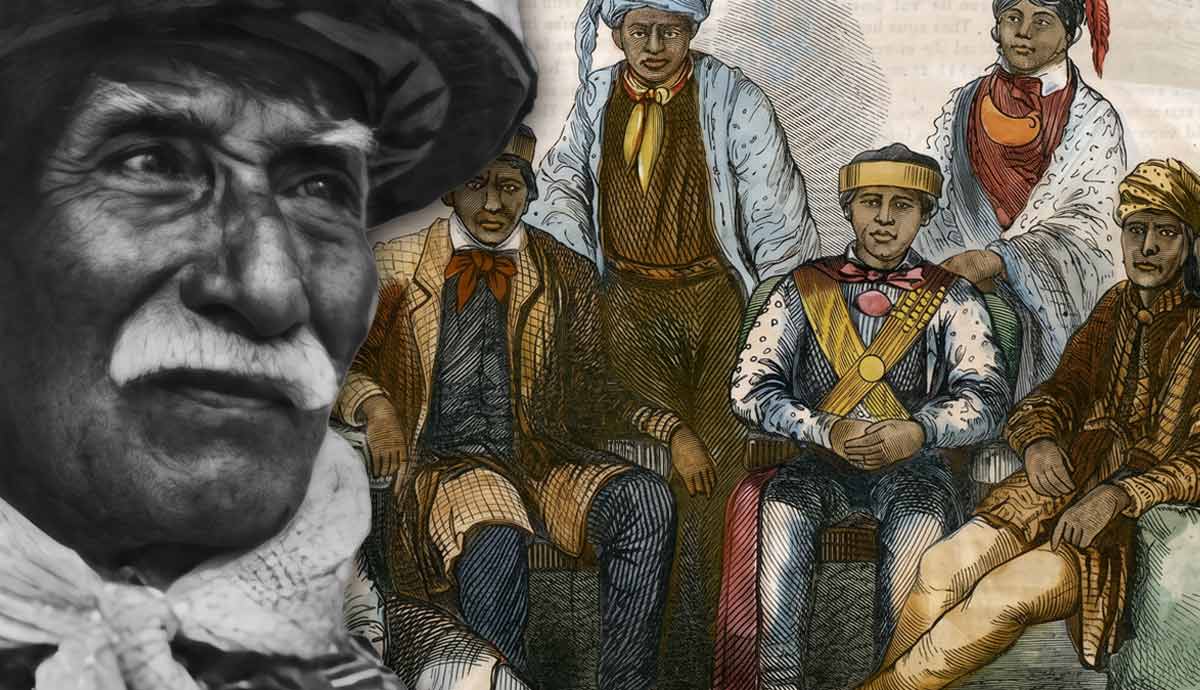
The Seminoles are a Native American tribe of southern Georgia and Florida, the latter of which was under Spanish control from 1500 until 1821. Escaped slaves often fled into Florida, a morass of swamps and thick jungle, to be taken in by the Seminoles or to establish their own communities. A mutually beneficial alliance was established.War came to the Seminoles in 1817. American slavers crossed from Georgia, looking for escaped slaves, but also raided Seminole villages. The Seminoles, with their allied Black Seminoles, hit back, creating bad blood on both sides.When the Black Seminoles EmergedBilly Bowlegs III, a Seminole elder of mixed Seminole and African-American descent. Source: Wikimedia CommonsThis distinct culture began to emerge in the early 1700s as slaves escaped the brutal plantations in South Carolina or Georgia. The Seminoles had already established themselves earlier, fleeing American pressure and resisting the Spanish.As more freed Black people arrived, along with escaped slaves, a blended culture formed. Both people intermarried, which created strong bonds. They developed their language, Afro-Seminole Creole, containing elements of English, African, and Native American languages. Likewise, religiously, they entwined both Christian and African practices. Black Seminoles settled into separate communities, but like their language, they wore similar clothes, ate identical foods, and farmed collectively.Besides cultural and family connections, the Black Seminoles allied with the Seminoles. They fought back against Americans and occasionally with the Spanish authorities. By the late 1700s, this blended African, American, and Seminole culture had solidified. However, the upcoming wars would challenge their existence.Impact of the Seminole WarsSeminole delegation in New York. Black Seminole leader Abram (2nd from left). Source: Wikimedia CommonsThree Seminole Wars broke out in 1817, 1835, and 1855. The 1817 raids led to the First Seminole War, which saw the US Army invade under then-General Andrew Jackson, who burned Seminole villages and occupied Spanish towns. Under intense American pressure, Spain ceded Florida to the US by treaty in 1819. The US governments free hand led to increased settlement and development.The Second Seminole War of 1835 to 1842 became the linchpin for the Black Seminoles and their allies. In 1830, President Andrew Jackson signed the Indian Removal Act. This legislation dictated the negotiation and removal of eastern Native American tribes to the west of the Mississippi River (Oklahoma or Indian Territory). The Seminoles (and Black Seminoles), however, did not move west. They were moved to a Florida reservation. Tensions flared until the 1835 Dades Massacre, in which Seminole and Black Seminole warriors killed 108 American soldiers.Former Indian reservations in Oklahoma. Source: Wikimedia CommonsThe next few years saw pitched battles. The Black Seminoles fought a guerrilla war, again using Floridas swampy terrain to fight. Usually, the captured Seminoles were exiled to the Indian Territory. But Black Seminoles often had a different fate; slavers seized numerous individuals. In this bitterly fought war, the tribe and Black Seminoles fought hard. They fought well enough that by 1839, the cost of the war led the US to buy out the Seminoles, which proved more successful than fighting. Faced with slavery, a portion of Black Seminoles chose to flee. The Seminoles protected the majority of Black Seminoles during the forcible removal to Indian Territory. The Americans deported enough Seminoles and Black Seminoles that by 1842, fighting ceased.The 1855 Third Seminole War occurred but had little impact on Black Seminoles. The Second Seminole War had delivered the worst hardships. With few safe choices, most fled to the Caribbean or Oklahoma. Whether by choice or force, some 3,800 Seminoles and between 800 and 2,000 Black Seminoles settled into a small part of Oklahoma. But the wars broke families apart as they settled into new locations.Where Did the Black Seminoles Settle?1876 Seminole chiefs home in Texas. Source: Wikimedia CommonsThe Black Seminoles who fled independently went to disparate locations like the Bahamas, Texas, and Mexico. Many reluctant emigrants went to Andros Island in the Caribbean, already home to a small population like themselves. They established themselves quickly, blending in but keeping their traditions.Not even Mexico proved safe for Black Seminoles years after the wars. Two hundred fled Oklahoma in 1849 and were threatened by Creek or American slavers. They settled in northern Mexico and were hired to fight raiding Comanche or Apache warriors. Others crossed into Texas to create settlements there. Despite where they all ended up, they maintained their Afro-Seminole traditions.The Black Seminoles story remained relatively unknown. However, during the growing 1960s Civil Rights Movement, their history came to light to a bigger audience.




 English
 Arabic
 French
 Spanish
 Portuguese
 Deutsch
 Turkish
 Dutch
Dutch
 Italiano
 Russian
 Romaian
 Portuguese (Brazil)