


WWW.THECOLLECTOR.COM
Why Did Japan Abolish the Samurai Class During the Meiji Restoration?
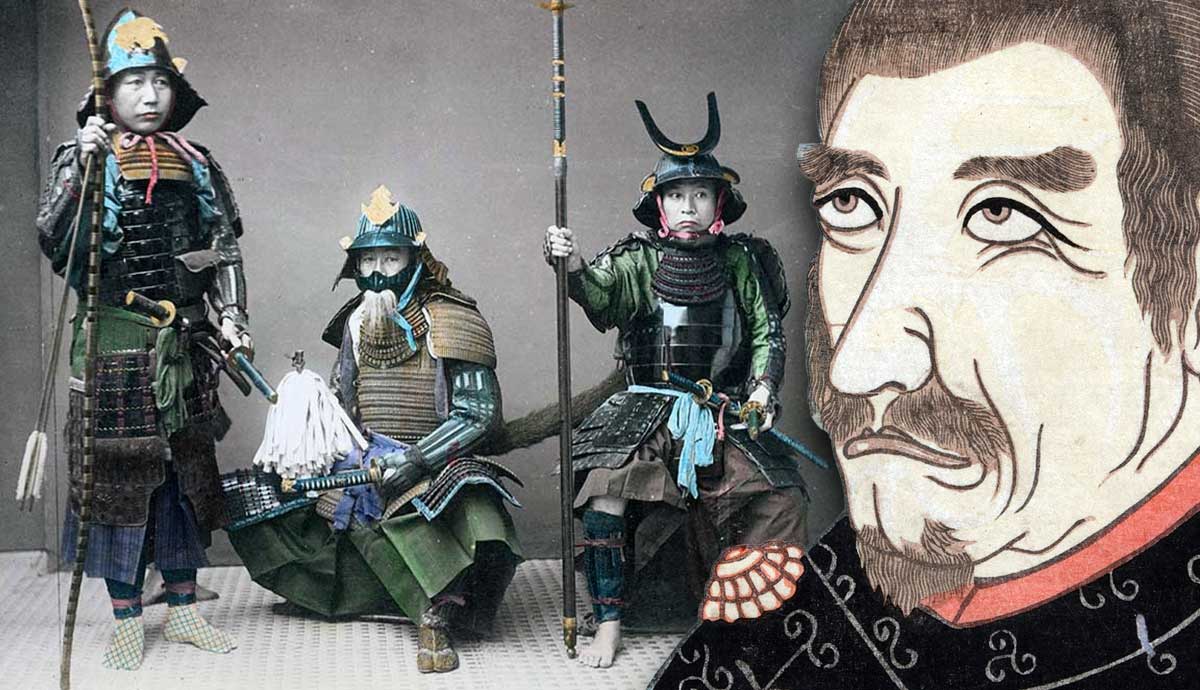
TheSamurai ruled over Japan for nearly 700 years. The warrior caste touched every facet of Japanese life, including politics, economics, and moral philosophy. But almost in an instant, their legacy was diminished. By the late 1870s, Japan had changed from a feudal state to an industrialized world power, and the samurai caste was completely abolished by the Meiji government.So why did Japan abolish the Samurai class during the Meiji Restoration?A Period of Peace Made the Samurai Less ImportantA colorized photograph from 1860 of three samurai equipped with a variety of armor and weapons. Source: Wikimedia CommonsIt is important to note that samurai were never able to govern Japan without internal friction during the Edo Period (1603 to 1868), and this cemented their position in society due to the need for quasi-military groups. But for over two centuries, Japan enjoyed an era of internal stability under the Tokugawa Shogunate.The peace was beneficial for the developing nation, but for the samurai whose collective social identity was rooted in combat, that stability resulted in generations of fixed incomes and redundant roles. By the mid-1600s, the samurai had transitioned from being active battlefield commanders to bureaucratic administrators. However, a significant portion of the estimated 2 million people in the samurai class lived in poverty and received a fixed compensation in rice from their provincial lords.The Need for Better Military and Governance SystemsUS Navy Commodore Matthew Perry in his dress uniform, 1853. Source: Wikimedia Commons.Total chaos erupted across Japan in July of 1853 when Commodore Matthew Perry arrived at Uraga Harbor with coal-burning black ships. Equipped with massive steam engines and carrying technologically superior Paixhans guns, the presence of the fleet made Japans wooden coastal fortifications appear completely obsolete. The Shogunate felt immense pressure and attempted to pacify the American envoys. Japan was soon compelled to engage in international trade with America under the explicit threat of bombardment from Perrys naval forces.Japanese-style woodblock print of Commodore Matthew Perry, ca. 1854. Source: National Portrait Gallery / Wikimedia CommonsUpon the realization that the Japanese military had no practical ability to repel these foreign intruders, local populations revolted and demanded that Japan respect the traditional political philosophy of Sonno Joi, which meant Revere the Emperor Expel the Barbarian. Samurai from Satsuma and Choshu southern provinces soon joined to topple the Shogunate and what remained of it in 1868.They installed the 15-year-old Emperor Meiji as the head of state. All of this was executed under the justification of resisting the West, but as soon as they gained control, the samurai architects of the new Meiji government recognized that to expel the intruders, they would have to adopt Western technology and a better military system.The State Was Unable to Sustain the DaimyoA map of the territories of the Sengoku daimyo around the first year of the Genki era (1570 AD).The Western powers soon threatened to take military action if the new administration did not begin respecting global treaties and settling its financial obligations. The complication was that Japans central treasury was nearly empty. During the previous era, Japan functioned under the han system. The han were autonomous feudal domains, each possessing its own hereditary lords or daimyo. The daimyo, who were the highest-ranking members of the samurai class, were tasked with extracting taxes from the residents living in their han, but were not obligated to contribute a centralized tax to the Imperial Government. In 1871, the new Meiji administration passed the Abolition of the Han System decree.Essentially, the daimyo were divested of all administrative authority, but that still left Japan with a staggering national debt, as they were now merely salaried government officials who did not contribute meaningfully to the growth of the economy. By the early 1870s, samurai compensation accounted for nearly 50 percent of the total national tax revenue. Because the model was unsustainable, the government decided to stop funding the thousands of former combatants who lacked modern vocational skills. This left many samurai disenfranchised.Japan Needed Modern Soldiers and Not Traditional Sword-Carrying WarriorsAn 1868 photograph of Japanese Tokugawa Bakufu troops being trained by the French Military Mission to Japan.The new rulers also realized that if Japan wanted to compete with Western empires, a total reorganization of the state and a military that utilized firearms instead of traditional weapons was needed. And so on January 10, 1873, the administration passed the Conscription Law, which mandated that all healthy males, regardless of their social status, serve three years of compulsory active duty in the armed forces. Instantly, the Japanese warrior class monopoly was dissolved.In 1876, the administration finally delivered the samurai a finishing blow with the Haitrei Edict, which made the public carrying of swords illegal. The change was significant as a samurai blade was considered sacred to those who carried it. This triggered several armed insurrections across Japan, primarily centered in the home province of Satsuma.The crushing of these insurrections marked the end of the samurai as a viable political and cultural entity.
0 Kommentare
0 Geteilt
14 Ansichten

 English
 Arabic
 French
 Spanish
 Portuguese
 Turkish
 Dutch
Dutch
 Italiano
 Russian
 Romaian
 Portuguese (Brazil)
 Greek
Greek