How Harold Godwinson Became the Last Anglo-Saxon King of England
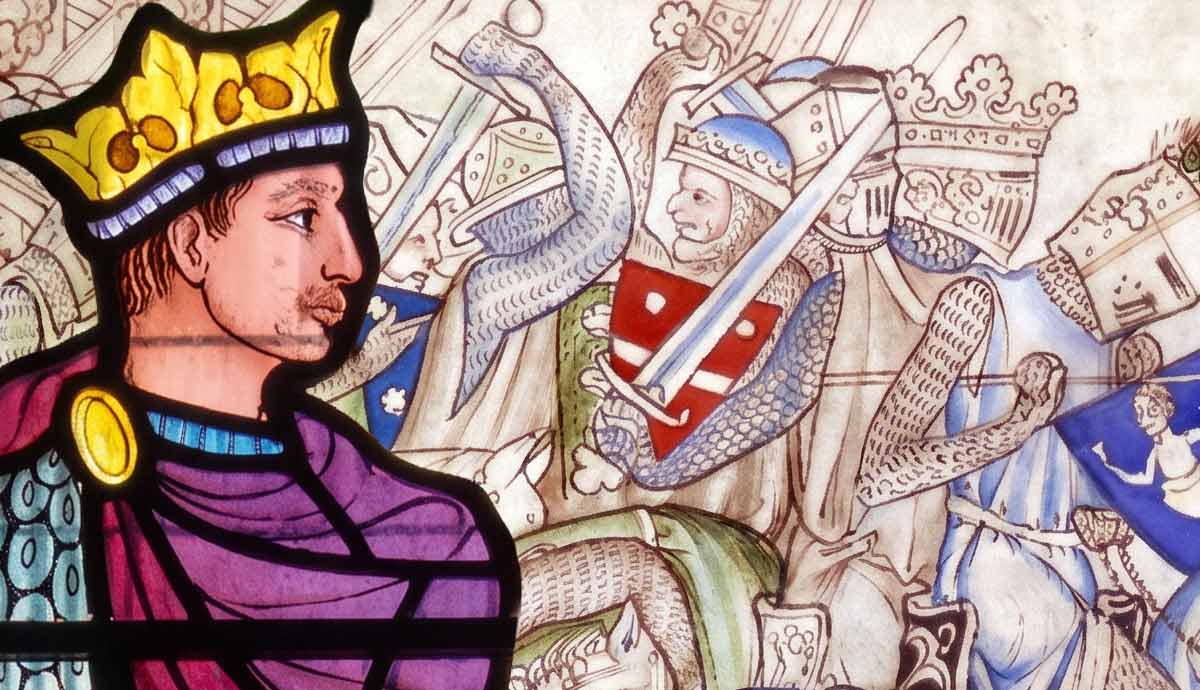
The 1066 invasion of England by William the Conqueror to claim the English throne is one of the most significant historical events in Western civilization. What makes Williams accomplishment even more substantial is not just the feat itself, but the opponent he faced to claim the throne Harold II, known as Harold Godwinson, the last of the Anglo-Saxon Kings of England.Harolds Claim to the ThroneBayeux Tapestry depiction of Coronation by Archbishop Stigand, whom the Normans considered illegitimate. Source: Flickr / Wikimedia CommonsHarold did not inherit the English throne by direct lineage. His predecessor, Edward the Confessor, was his brother-in-law. Harold had married Edith of Wessex, sister to Edward, in 1045 and was a close confidant of Edward. When Edward died, he supposedly selected Harold as his successor, a choice that was confirmed by the council of nobles called the Witan. Harold had much favor with the nobility as a capable leader, and may have been the first king of England to be crowned in Westminster Abbey on January 6, 1066 (the Normans disputed the legitimacy of Harolds coronation).The Conflict with William the Conqueror(Left) Harold II in the Church of St. Mary the Virgin, Battle. Source: Geograph Britain & Ireland / Wikimedia Commons, (Right) William the Conqueror. Source: Wellcome CollectionWilliam claimed that Edward, his distant cousin, had promised him the throne in 1051. William also claimed that Harold, who had fought with him in Brittany sometime in 1064-1065, swore an oath to support Williams claim to the throne. Harold may have even been knighted by William, but Williams claim as to Harolds oath and what specifically Harold swore is lost to history. Whatever the oath was, Harold and William disagreed as to what it meant, and William raised an army to invade England, defeating Harold at the Battle of Hastings on October 14, 1066.Was William Harolds Only Rival?Harald Hardrada in Kirkwall Cathedral. Source: Colin Smith / geograph.co.uk / Wikimedia CommonsBefore Harolds forces met Williams in southern England, Harold had another rival to contend with. King Harald Hardrada of Norway believed he had a right to the English throne from Edward the Confessor (and the support of Harolds brother, Tostig), and invaded northern England in September of 1066. Harold Godwinson raised an army quickly, marching them from London to Yorkshire, traveling a distance of about 185 miles in 4 days. Harolds advance was so swift that it surprised the forces of Hardrada, and Harold soundly defeated Hardrada at the Battle of Stamford Bridge.King Harold, Harald Hardrada, and the Battle of Stamford BridgeBattle of Stamford Bridge from the Life of Edward the Confessor by Matthew Paris. Source: Wikimedia CommonsAn apocryphal story recorded in Sturlusons King Haralds Saga, written around 1200 AD, recounts a lone rider approaching Hardrada and Tostig the morning before the Battle of Stamford Bridge. The rider approaches Tostig, offering him clemency and his Earldom if Tostig defects, and offering Hardrada six feet of ground, or as much more as he needs, as he is taller than most men. Tostig would supposedly identify the messenger as Harold Godwinson himself.What Happened to Harold Godwinson?Depiction of Harolds death in the Bayeux Tapestry, possibly a later addition. Source: Historic UKFollowing the Battle of Stamford Bridge, Harold turned part of his army and marched back to London, possibly unaware of Williams landing. Harold arrived in London, rested his forces for about a week, then arrived in Hastings on October 13 and engaged William with a tired army on October 14, 1066.While it is generally accepted that Harold was killed in the battle, his precise fate is unknown. The Bayeux Tapestry depicts Harold as being shot in the eye by an arrow, and several accounts of the battle also describe his death similarly, but the initial story of Harolds death is by lance, not arrow. Harolds final burial place is unknown, with several stories regarding his burial having arisen over the ensuing years. Harolds relatives would attempt to oust William at various times, to no avail.




 English
 Arabic
 French
 Spanish
 Portuguese
 Deutsch
 Turkish
 Dutch
Dutch
 Italiano
 Russian
 Romaian
 Portuguese (Brazil)