


WWW.THECOLLECTOR.COM
The Weather Underground: How the 1960s Anti-War Movement Became Militant
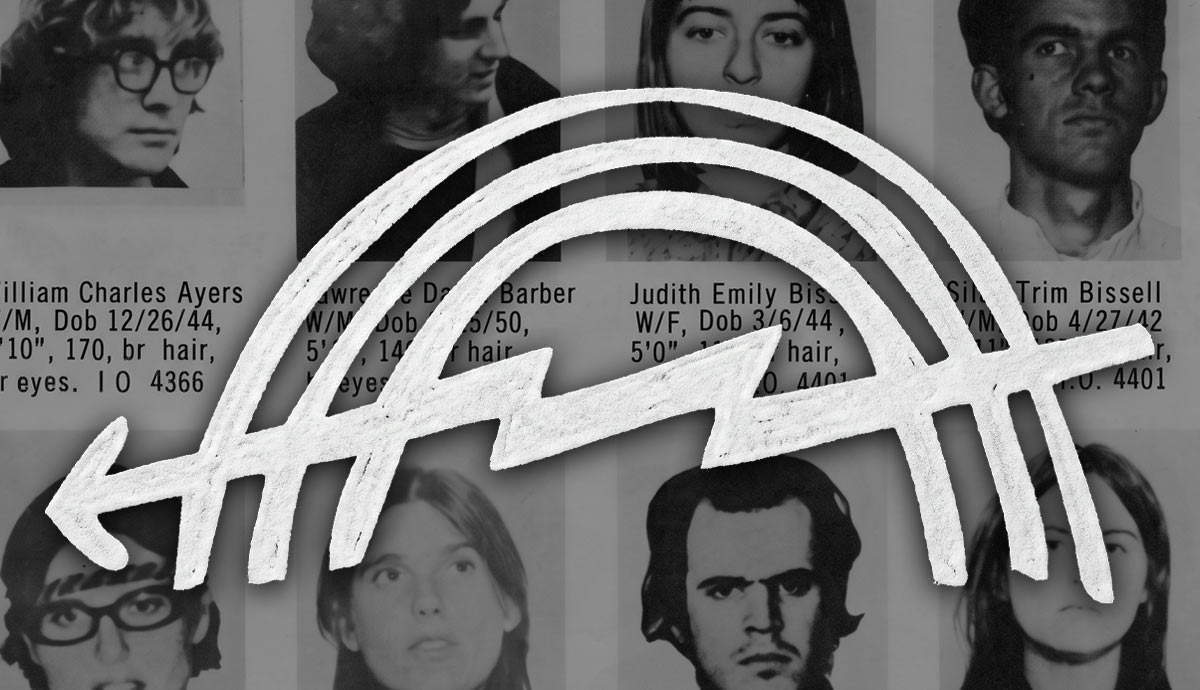
America in the 1960s saw rising frustration in anti-war groups. Years of protest, marked by mass demonstrations and clashes with law enforcement, achieved little by 1968. Since the early 60s, people had flocked to the movement, often with varied strategies or purposes. All opposed the war, racism, and imperialism. In the movement, the large and significant leftist Students for a Democratic Society (SDS) possessed the greatest influence.Peace, however, was not the only option, and certain members of this movement forged a different path.The Hardening of the Movement1965 March on the Pentagon. Source: National Archives and Records AdministrationWithin the SDS, a small militant core took shape. By 1969, this core embraced a committed philosophy based on Marxist, anti-imperialist left-wing ideas. For them, as peaceful protests had failed, only direct action would move the needle. The militant groups announcement came at the 1969 SDS national convention.The final rupture occurred at the SDSs 1969 summer convention in Chicago. Here, the militants seized control of the SDS, released their manifesto, You Dont Need a Weatherman to Know Which Way the Wind Blows, and announced themselves. The manifesto and the Weathermens rhetoric outlined their anti-imperialist, armed-struggle direction. The convention ended with a mass protest, setting the stage for the October 1969 events.No Turning Back: The Days of RageThe Weather Underground symbol. Source: heathschultz.comThe change from an anti-establishment to a revolutionary group occurred in October 1969. The Weathermen organized the Days of Rage (October 8-11). Hoping to spark a student uprising, members viciously clashed with police and damaged property. Far fewer turned out than hoped, but still led to more than 250 arrests and over 34 injuries. Regarded as a domestic terrorist group and facing prosecutorial pressure, the Weathermen went underground.Actions, Framework, and MilitancyWeathermen accidentally exploded a bomb on March 6, 1970. Source: Wikimedia CommonsFor the Weathermen, the Days of Rage spelled failure.The Chicago protests further radicalized the Weathermen. Their primary tenet centered upon destroying institutions that supported white power. They were obligated to support Black liberation. To do so, the Weathermen reorganized, favoring independent cells which began preparations.By early 1970, members began preparations, including establishing safe houses, gathering explosives, obtaining false identities, and cutting ties. The cells would share only essential information and swap members for discipline and secrecy. Their concealed labor was inadvertently revealed on March 6, 1970.America learned the extent of the Weathermens efforts in Greenwich Village, New York City. While fashioning bombs, one exploded, killing three members. The NYPD and later the FBI investigated, finding nail-packed bombs and explosives. The group had intended to detonate bombs at Columbia University and Fort Dix (New Jersey). Now exposed, the Weathermen declared war on the US on May 21, 1970. The same year, they changed their name to Weather Underground Organization.Bombings and the Government RespondsFBI Wanted Poster of the Weathermen. Source: University of NebraskaAfter Greenwich, the Weathermen ramped up their bombing campaign. Yet they switched to property bombings, often forewarning their intended locations. The Greenwich deaths had shaken members plus killing innocents would only alienate the American public. Over the next several years, the Weathermen claimed responsibility for 25 bombings. They targeted corporate offices, federal buildings, and organizations connected to the Vietnam War. Bombs were announced as actions to expose American imperialism, political repression, and racism. Of their bombings, two generated significant headlines, specifically the Pentagon (1972) and the US Capitol (1971). Each got national coverage for their cause.The US government, alarmed by the Weathermens bombings, responded quickly. First, the FBI labeled the group domestic terrorists. Thus began a sustained, extensive push using prosecutions, manhunts (national and local), covert intelligence, and putting members on the FBI Most Wanted List. To expedite the hunt, the government occasionally obtained evidence illegally.Pressure, Fragmentation, and DissolutionCongressional report on Weathermen bombing of the State Department. Source: Internet ArchiveAs the Weathermen continued their bombings through the 1970s, the political winds changed. By 1972, America began winding down the Vietnam War, its central rallying point. With the 1973 Paris Accords signed, the anti-war movements purpose decreased. No great protests reoccurred, and public interest moved on.FBI pressure took a toll, too, driving ideological differences. The Weathermen questioned the bombing campaigns effectiveness, leading to no uprising in support. Few agreed on a path to continue. The Weathermens last known bomb exploded on September 6, 1975. By 1977, the group effectively became non-operational. The Weathermen tried once to rebrand themselves, but that gained no momentum.Theres no doubt the chaotic 1960s radicalized some, frustrated by perceived injustice. The Weathermen tried to inspire uprisings, but the public never really associated with the cause. However, the group sparked questions of political dissent and legitimacy.
0 Kommentare
0 Geteilt
125 Ansichten

 English
 Arabic
 French
 Spanish
 Portuguese
 Turkish
 Dutch
Dutch
 Italiano
 Russian
 Romaian
 Portuguese (Brazil)
 Greek
Greek