


WWW.THECOLLECTOR.COM
How Technicolor Revolutionized American Cinema
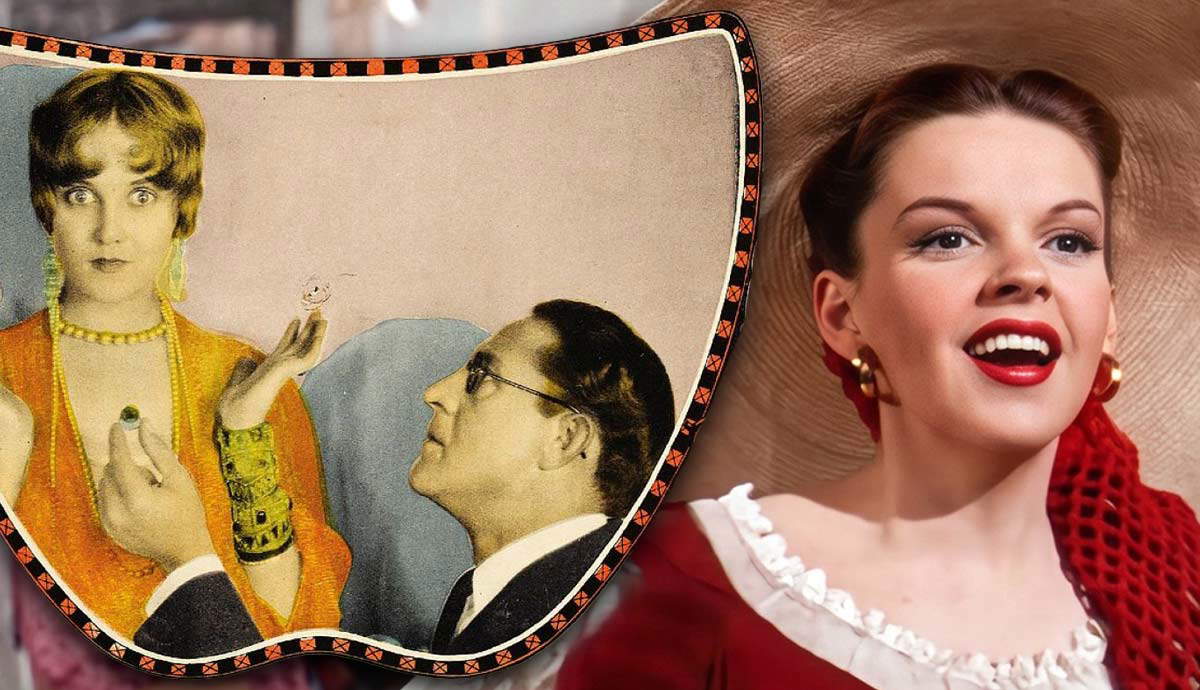
Color in film was once science fiction. For decades, only black and white film was available to filmmakers. In the 1930s, Technicolor brought life to film with an array of color. Suddenly, audiences could taste the candy pink dresses in musicals, feel the crimson fields of battle, and sense the richness of a setting like never before. It turned cinema into a visual spectacle and redefined the movie-going experience.The Birth of TechnicolorDr. Herbert T. Kalmus, president of Technicolor Corporation, May 20, 1936. Source: UCLA Library Digital CollectionsIn the early days of movies color was available, but it was of poor quality and required the painstaking task of hand-painting each individual frame of a film. This method faded quickly as it was uneven and dull. Engineer Herbert Kalmus and scientist Daniel Comstock teamed up in 1915 to add color to film. They developed a system that could record color automatically, and in 1916, they founded Technicolor.The earliest version used two color filters, red and green, captured on alternating frames. When projected rapidly, the two colors blended in the theater and created a basic, natural sense of color. It was groundbreaking, but still not good enough. Bright scenes were washed out, and some colors did not translate as well as others. Filmmakers saw the potential, however, and showed interest in the technology. In the late 1920s, Technicolor developed a three-strip system. This new system recorded red, green, and blue separately, using an in-camera prism to split light onto three reels of film at once. When placed together, they produced vivid, stable images. The development of this faster and brighter method of adding color to films led to the golden age of Hollywood.The Wizard of Oz and Gone with the WindClark Gable and Vivien Leigh in a scene from Gone With The Wind, 1939. Source: Wikimedia CommonsThe Wizard of Oz and Gone with the Wind, both released in 1939, mark the beginning of Technicolors reign in Hollywood. The two films utilized color in different ways, demonstrating the wide range of Technicolors usage. The Wizard of Oz used color to signal a shift in worlds. Kansas was filmed in dull sepia tones; when Dorothy opened the door into Oz, viewers were welcomed into a world of vivid color. That scene alone became a defining moment in cinematic history and is often remembered as the first color film, even though it was not.Gone with the Wind used color in a different way. Its scenes of Southern landscapes at sunset, the burning of Atlanta, and the dramatic costumes worn by Scarlett OHara were used as emotional tools. Much like a soundtrack, certain colors invoke certain feelings. Red can suggest fear or love, blue signifies sadness, and green is fresh or lively. The color became part of the story. It gave characters and scenes emotional weight that were often lacking in black-and-white film.Color: Creating a New Visual LanguageRichard Burton (left) talking with director Vincent Minnelli (center) on the set of the motion picture The Sandpiper in San Dimas, California, 1964. Source: UCLA Library Digital CollectionsTechnicolor allowed filmmakers to experiment with new techniques and styles while also forcing them to adapt. Directors, cinematographers, and costume designers had to consider how colors would translate onto screen. Red lipstick, yellow brick roads, and emerald cities could all be used in place of dialogue to tell the story. Still, while the technology was advanced, it brought with it several challenges. Early Technicolor cameras were bulky, and lighting needed to be intense to capture the hues correctly, necessitating indoor studios that were commonly well over 100 degrees. The cameras were loud, compromising dialogue recording until soundproofing boxes were created.While these early forms of Technicolor presented challenges, requiring adaptation, the effort paid off. Scenes looked like moving art. Color created a mood in a way words couldnt. A blue-tinted room could signal sadness, red could show danger or passion, and gold could hint at wealth and greed. These visual cues deepened viewers immersion and emotional connection without a single line of dialogue. Directors like Vincente Minnelli and Michael Powell became masters of Technicolor storytelling. Their films used contrast, saturation, and color coordination in ways that still influence filmmakers today. Technicolor created a nonverbal language that became central to American film.The Studio System TransformedA still of Judy Garland from the trailer for The Pirate, 1948. Source: Wikimedia CommonsHollywood was not quick to move on from earlier forms of color film, as Technicolor was expensive. The Technicolor cameras were rented from the Technicolor Corporation and required special crews. The lighting rigs were massive and hot. But ticket sales made it clear: audiences wanted color in film. By the 1940s, Technicolor was used in nearly every major motion picture. MGM, Warner Bros., and 20th Century Fox invested heavily into new films featuring Technicolor. Much like the transition from silent films to talkies, color made stars like Judy Garland, Gene Kelly, and Elizabeth Taylor into icons.Ultimately, best of all for the studios was that color films sold tickets. Audiences packed theaters all across the country, even during the worst years of the Great Depression. Technicolor films looked like nothing anyone had seen before, and people were willing to splurge to have that experience.Behind the Scenes: Technicolors GatekeepersMr. Herbert T. Kalmus with Mrs. Natalie Kalmus, circa 1930. Mrs. Kalmus was the color director for all Technicolor films made between 1934 and 1956. Source: UCLA Library Digital CollectionsStarted as an experiment, Technicolor became a giant company with impressive control over the film industry. If a director wanted to use Technicolor, he had to rent the equipment and employees from the company. These color consultants had authority over costume choices, set designs, and lighting setups. Additionally, they ensured every aspect met Technicolors standards. The goal was consistency, but it also gave Technicolor enormous creative control.One of the most famous of these consultants was Natalie Kalmus, wife of co-founder Herbert Kalmus. Though she wasnt an engineer, she had a sharp eye and strong opinions. Directors often clashed with her, accusing her of being too controlling. Kalmus has over 400 film credits to her name, showcasing her major behind-the-scenes influence during the golden age of Hollywood.Color and Cultural MemoryLobby card from the American comedy film Gentlemen Prefer Blondes, 1928, showcasing the early forms of Technicolors abilities. Source: Wikimedia CommonsTechnicolor changed the historical memory of films. Iconic elements like Dorothys ruby slippers, the orange satin of Gentlemen Prefer Blondes, or the green curtain dress from Gone with the Wind became part of pop culture because of their color. Technicolors saturation created a kind of hyper-reality. The world looked more vivid than true life, more dramatic than real. It made nostalgia feel bigger. When people look back on classic Hollywood, they remember the colors and emotions associated with these films, in addition to their stories.Even decades later, colorized memories shaped how Americans thought about eras they never lived through. The 1950s felt more vibrant because of musicals and Technicolor comedies. The Old West looked more golden thanks to John Fords westerns. Technicolor helped create historical memories of eras that never actually existed.The Fall of TechnicolorUS theatrical release poster for Rebel Without A Cause starring James Dean. Released in 1955 by Warner Bros. Studio, it featured WarnerColor film strips. Source: Wikimedia CommonsBy the 1950s and 60s, Technicolor was slowly pushed aside by cheaper, easier color processes like Eastmancolor and Warnercolor. These new methods didnt require the massive three-strip system and allowed directors to have full control over the creative process, with no need for specialized, third-party crews. Studios could further cut costs and speed up production. Technicolors era ended not because people stopped loving color, but because the industry favored efficiency and affordability.Still, the shift came with a tradeoff. Eastmancolor prints faded over time, while Technicolor remained stable and bold. Many of the great films from the 1960s have since been restored using original Technicolor prints because theyve held up better than anything that followed.Though its dominance faded, its influence remained. Filmmakers who grew up on Technicolor films brought its lessons into the modern era. Directors like Martin Scorsese, Steven Spielberg, and Wes Anderson have all drawn from its palette. Digital color grading today in many films mimics the deep saturation and warm tones of classic Technicolor.Legacy: More Than Just ColorKillers of the Flower Moon press conference at the 2023 Cannes Film Festival. Source: Wikimedia CommonsTechnicolor reshaped how American films were made, how they were remembered, and how audiences felt them. It made stories bigger, bolder, and more emotional. It turned costume choices into cultural moments and backdrops into characters of their own. Even today, when filmmakers want to evoke a certain emotion, they often return to a Technicolor look. Recent movies such as Killer of the Flower Moon (2023) and Barbie (2023) both drew inspiration from these Technicolor films of the past.
0 Kommentare
0 Geteilt
170 Ansichten

 English
 Arabic
 French
 Spanish
 Portuguese
 Turkish
 Dutch
Dutch
 Italiano
 Russian
 Romaian
 Portuguese (Brazil)
 Greek
Greek