


WWW.THECOLLECTOR.COM
How the Negro Leagues Redefined Baseball and Aided in the Fight for Equality
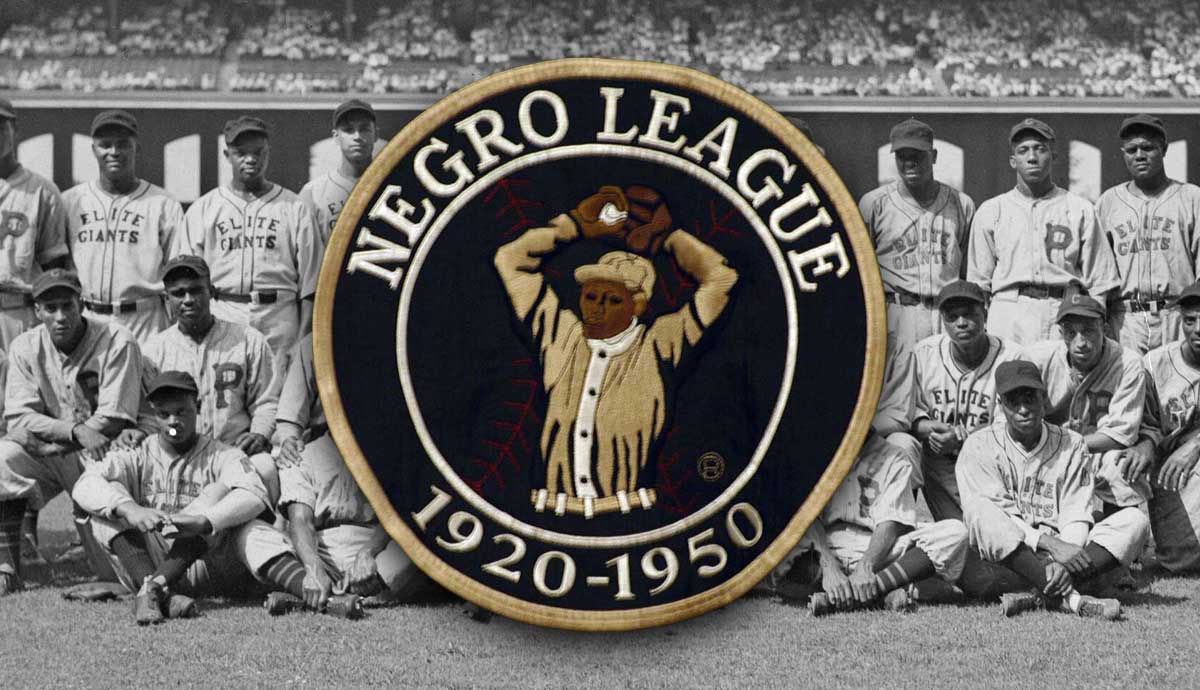
Baseball has long been known as Americas pastime. Unfortunately, however, the sport also mirrored Americas racial inequality. Barred from the Major Leagues, Black baseball players created the Negro Leagues, which rapidly grew in popularity. This baseball organization, created in response to racism, became a source of dignity and hope for all who played in it. The league folded at the end of segregation, but its impact is still tangible decades after the final pitch.Rise of the Negro LeaguesSatchel Paige, pitcher with the Kansas City Monarchs (Negro Leagues), c. 1942. Source: Wikimedia CommonsMajor League Baseball banned Black ballplayers in the 1880s, but that didnt stop Black athletes from playing the game they loved. Out of segregation came one of the most competitive and electrifying leagues in the history of the sport, the Negro Leagues. Teams like the Kansas City Monarchs, Homestead Grays, and Chicago American Giants were redefining the game, bringing with it a fervor and an athletic prowess that often outshone the Major Leagues.The first all-Black baseball league began in 1887. The National Colored Baseball League was short-lived, shutting down after only two weeks due to low attendance. The following decades saw the formation of seven different all-Black baseball leagues. Some were organized as minor league affiliates and others as their own form of Major League Baseball. The official start of what today is considered the Negro Leagues, however, came in 1920 with the formation of the Negro National League led by Andrew Rube Foster. A former player and organizational strategist, Foster wanted to give Black baseball a structure it had long lacked since the establishment of the color line in Major League Baseball.Emblem of the Negro League, an all-Black professional baseball league from 1920-1950. Source: Wikimedia CommonsFoster envisioned Black ownership, Black management, and Black excellence on the playing field. Yet, this dream wouldnt be realized immediately. Players were subject to less-than-ideal conditions, often traveling grueling distances while playing multiple games a week. Despite the toll it took on the players, Fosters league was a success, drawing huge crowds at nearly every game. While racism kept them off MLB diamonds, the Negro Leagues gave them a place to showcase their talents while playing the game they loved, and they took full advantage of it.Stars in Their Own Right4th Negro League All-Star Game, between the best of the East and West at Chicagos Comiskey Park on August 23, 1936. The game featured Baseball Hall of Famers such as Josh Gibson, Satchel Paige, Cool Papa Bell, Willard Brown, and Biz Mackey. Source: Wikimedia CommonsThe Negro Leagues produced some of the most iconic baseball players the world has ever seen; athletes whose talents often outshone their Major League counterparts, as integrated recordbooks would later show. Satchel Paige was often touted as the fastest pitcher of his time, earning nicknames such as Midnight Rider and Bat Dodger for his skill on the pitchers mound. Josh Gibson, often referred to as the Black Babe Ruth, was so adept at bat that he earned a nickname comparing him to the Great Bambino himself. Cool Papa Bell is a top contender for fastest baseball player of all time. One night in a hotel room while on the road, Papa Bell was said to have flipped the light switch off and got into bed before the room went dark.Negro League players were often as famous, or more so, than their white counterparts. And that truth makes their accomplishments even more remarkable. They played double-headers in different towns on the same day. They dealt with hostile fans, broken-down buses, and the constant sting of racism. But when they stepped onto the field, they were elite ballplayers. Gibson, Bell, and all the other Nergo League stars were legends just waiting to be immortalized.On- and Off-Field StrugglesNegro league baseball exhibit at the Baseball Hall of Fame in 2014, featuring an image of former player Josh Gibson and a door stating colored entrance, demonstrating the struggles off the field for Negro League stars. Source: Wikimedia CommonsThe Negro Leagues didnt have the financial stability of Major League Baseball. Teams folded, re-formed, and relocated constantly. Schedules were draining on the players. Accommodations were often segregated, or nonexistent; players often slept on buses or in the homes of local Black families when hotels refused them. And the pay? It was often less than half that earned by white ballplayers, if it came at all.Owners and managers had to be creative, sometimes promoting wild stunts just to sell tickets and keep the league functioning. Teams often found themselves playing exhibition games against semi-pro teams or working in a few extra innings after dark under makeshift lights.In addition to financial and logistical troubles, Black athletes had to create their own media too, complete with scouts, broadcasters, and journalists. These athletes were on their own, but the fans came anyway. They came because the players were talented, but also because every game was an act of defiance. By keeping the Negro Leagues running, Black citizens were forcing the hand of Major League Baseball and the American public. Equality had to begin somewhere in America, what better place than its pastime?Integration of Major League BaseballPhoto of Jackie Robinson taken on April 11, 1947. Robinson broke baseballs color line when the Brooklyn Dodgers started him at first base on April 15, 1947. This image shows him, in his Montreal Royals uniform (Negro League), entering the Dodgers Club House. Source: Columbus Metropolitan LibraryIn 1947, everything changed for the sport. Jackie Robinson broke the color barrier when he debuted with the Brooklyn Dodgers. And while that moment rightly holds its place in history, it also marked the beginning of the end for the Negro Leagues. Once MLB owners realized the talent they had been ignoring, they began signing away the best Black players. The integration of Major League Baseball was rapid, and the leagues werent built to withstand the talent drain.Teams lost their stars, attendance dropped, and revenue dried up. The Negro National League folded in 1948. The Negro American League hung on a bit longer, but by the early 1950s, it was hanging by a thread. Ironically, the success of integration came at the cost of the very institutions that had made it possible. And for many of the leagues heroes, the door to the majors came too late. Josh Gibson died months before Robinsons debut. Satchel Paige received a tryout, but he was well past his prime at the time, no longer able to compete at the same level. Countless others faded into history, their stats unrecorded and their legacies forgotten by mainstream audiences until a renewed interest in Black contributions in the 2000s.Legacy of the Negro LeaguesThe grand opening of the Hubert V. Simmons Museum of Negro Leagues Baseball at the Owings Mills Branch of the Baltimore County Public Library. March 27, 2014. Source: Baltimore County Public LibraryFor decades, the Negro Leagues were left out of the baseball conversation. Their stats werent counted, and their stories werent told. Slowly but surely, that began to change. Former players like Buck ONeil became ambassadors, reminding Americans of this facet of its history. Museums, books, and documentaries helped preserve what had almost been lost. In 2006, Major League Baseball finally held a special draft for surviving Negro League players, officially welcoming them into the family. And in 2020, MLB announced it would begin including Negro League statistics in its official record books.Some Negro League players now hold records once thought to be unbreakable. Josh Gibsons .372 lifetime batting average surpassed Ty Cobbs .367, set in 1928. The Negro Leagues, originally a product of segregation, have now affected all aspects of Major League baseball today, from world records to the very way the game is played. Future Black stars would continue to change the game; Willie Mayes, Hank Aaron, and Ozzie Smith all brought their unique twist to baseball, made possible only by those who came before and refused to give up on their dream, no matter how much adversity stood in their path.
0 Comments
0 Shares
195 Views

 Arabic
 French
 Spanish
 Portuguese
 Deutsch
 Turkish
 Dutch
Dutch
 Italiano
 Russian
 Romaian
 Portuguese (Brazil)
 Greek
Greek