Why the French Military Tried to Assassinate Their Own President
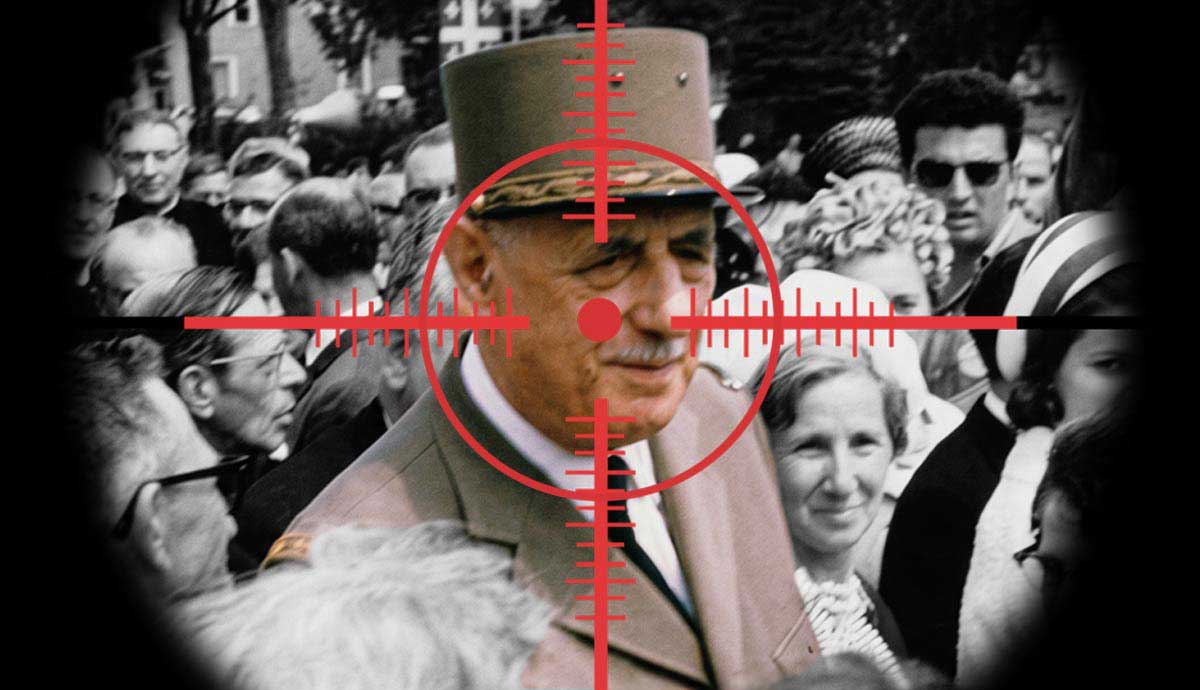
Photo of President Charles De GaulleFor former soldiers to consider or assassinate a sitting president is an extreme act. Yet they tried, attempting to end the popular war heros life. Shocking though this must seem in a democracy like France, their actions came from a deep sense of betrayal.France in the late 1950s stood on a knife-edge. Plagued by political instability with numerous governments rising and falling, a draining but costly revolt in Algeria plus a disheartened military.Not Just a Colonial PossessionThe Algerian Crisis began in the mid-1940s, as World War II was ending. Algerian groups protested, seeking independence, but French forces responded with violence, killing thousands. France invaded Algeria in the 1830s and gradually incorporated it into the Republic, as with Brittany and Paris.The minority of around a million European inhabitants, called pieds-noirs, enjoyed full citizenship. The majority of Muslim Algerians possessed no rights and remained excluded from meaningful participation. Algerians sought independence, yet the French deemed them terrorists, creating a deep divide. A full conflict broke open in November 1954 as Algerian separatists (National Liberation Front) launched nationwide attacks.A Mounting Crisis, Pride and FatigueFLN fighters. Source: Africa Is a CountryThe Algerian War intensified after 1954, with both sides escalating their actions. To combat the FLN, France used counterinsurgency tactics, torture, and nearly 400,000 troops. Each side punished the other with ambushes or reprisals, killing thousands. For the French army, retaining Algeria meant preserving national integrity, regardless of the cost.The War also extracted a political cost: four French governments. By 1958, the war had evolved into a national disaster. No strategy meant public opinion splintered, demanding military victory, withdrawal, or negotiation. The military, the army, was overstretched and tied down, dying in an unsupported war.Events led to the May 1958 Algiers putsch, which seized Algiers. Led by pieds-noirs and like-minded soldiers, these hopefuls opposed the ineffective Fourth Republic. To them, only De Gaulle could save the political situation.A Return and a BetrayalOAS logo in 1961. Source: WikimediaParliament voted Charles De Gaulle as the Prime Minister on June 1, 1958. He gained rule by decree for six months. During that time, De Gaulle had a new constitution passed in a national referendum. This act created the Fifth Republic with the war hero as president. De Gaulle succeeded for several reasons. He calmed a nervous nation, reassured the military and settlers regarding Algeria, and came to power through negotiation, not force.Initially, settlers and the military saw De Gaulle as an ally. His first speeches emphasized national unity. But ever so careful, he never fully supported their claims in his speeches, relying on ambiguous language. Over time, De Gaulles views changed, gradually turning pro-independence.De Gaulle considered the situation and concluded that Algeria only served to drain France. His speeches on self-determination riled the French Army. De Gaulles decision to openly negotiate with the FLN, starting in 1961, enraged his former supporters. This included the dangerous Foreign Legion and paratroopers. To them, this choice could only end in one result.Putsch, Deployments, and a SpeechJeune Nation, a right-wing group opposing De Gaulle. Source: Archives NationalesJanuary 1961 opened as a much different year. On January 8, 1961, French voters approved a referendum on Algerias self-determination. In March, France agreed to direct talks with provisional Algerian officials.On April 21, 1961, retired generals launched the Generals Putsch. Across Algeria, paratroopers and Legionnaires seized key points (government buildings, airfields, radio stations). They hoped the mainland army would revolt too, removing De Gaulle if necessary.De Gaulle responded on April 23, 1961. Donning his famous World War II uniform, he appeared on live television to condemn the generals. De Gaulle appealed to soldiers and citizens alike to defend the Republic. The public and the mainland army responded, deflating the rebels.De Gaulle Must GoCitroen DS19, like the one used by De Gaulle. Source: Louwman Museum (CC)In response, radical French Army officers and extremists formed the OAS (Organization arme secrete) in late 1961. With the failed Generals Putsch, no army revolt, and France inevitably granting Algeria independence, their only option was violence. From the OASs perspective, De Gaulle betrayed France, used the Army, and let Algeria go. Only his removal would keep Algeria French.France signed the Evian Accords in March 1962, granting Algerias independence. The OAS began planning the assassination, recruiting sympathetic members and observing De Gaulles daily routine. On August 22, 1962, the assassins waylaid the Presidents Citroen DS19 near Paris as twelve attackers fired 187 rounds. Fourteen rounds hit the car but not the President or his wife.In the AftermathMost of the conspirators were arrested quickly. The government executed the attempts leader; the OAS folded soon after. The OAS wanted to take revenge on De Gaulle. To the pieds-noirs and army veterans, Algeria was France. Letting Algeria go signified a political failure and treason.




 English
 Arabic
 French
 Spanish
 Portuguese
 Deutsch
 Turkish
 Dutch
Dutch
 Russian
 Romaian
 Portuguese (Brazil)
 Greek
Greek