What Is the Japan Heian Period Known For?
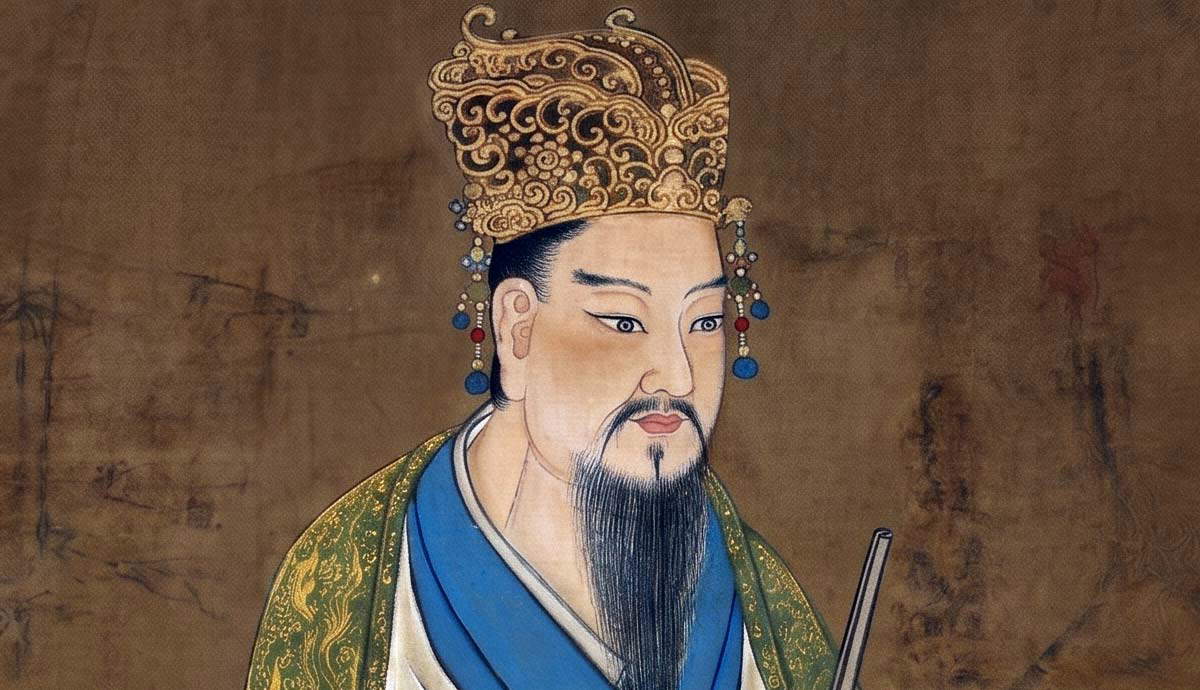
Portrait of Emperor Kanmu, 16th century. Source: WikipediaThe Heian period was a significant period in classical Japanese history that ran from 794 to 1185. It came after the Nara period and started when Emperor Kammu, the 50th Japanese emperor, moved Japans capital to Heian-ky (now called Kyoto). Heian means peace in Japanese. The new capital Heian-ky, meaning the city of peace and calm, was built on a flat grid architectural pattern.Kammu first tried to establish the capital in Nagaoka-ky in 784 but disasters and problems there compelled the emperor to move it to Heian-ky in 794, where it remained as the capital until 1868. The move also helped the emperor to separate his court from the powerful Buddhist groups. So, what was the Heian period known for?Less Outside Influence and a New CultureKana written in katakana (left) and hiragana (right). Source: WikipediaThe Heian period was a time in Japanese history when Chinese cultural trends became less common and a more native culture began to develop. The changes became even more pronounced after official missions between Japan and China stopped in the late 9th century. Among the biggest cultural changes that occurred during this period was the emergence of the kana writing system, which made writing in Japanese easier.The development led to the rise of waka poems and literature such as tales (monogatari) and diaries (nikki). The Japanese style of painting called yamato-e also emerged during this time. Two main kana writing systems, hiragana and katakana, emerged early that changed things.The Pillow Book by Sei Shnagon, 1002. Source: AmazonHiragana, in particular, allowed people to write the way they spoke, and with it came the rise of books in Japanese, mostly written by women in the court who did not learn Chinese, unlike the men. Court women of the late 10th and early 11th centuries shared their thoughts on life and love at the Heian court in books like The Pillow Book by Sei Shnagon. Lady Murasaki Shikibus book from the 11th century called The Tale of Genji, written around 1008 to the early 1010s, also provided a rare glimpse into royal life at the court. It is often regarded as the worlds first novel. Both books are among the most famous in Japanese history.The Rise of the Fujiwara FamilyEmperor Seiwa of Japan. Source: WikipediaEven though the Emperor of Japan held the official title of ruler, the Fujiwara family held the true power. Marriages between the Fujiwara clan and the imperial household gave the family a foothold in court politics that grew stronger with each generation. Cultural life across the country, as a result, shifted noticeably under their watch. Michinaga, the most powerful Fujiwara leader, ran court affairs for roughly three decades, starting in 995. Emperors born outside Fujiwara bloodlines eventually took enough ground to break the clans hold on power.The Fujiwara trend started when Yoshifusa, a Fujiwara, stepped into the role of regent for young Emperor Seiwa in 858. His nephew, Mototsune, went further by creating the office called the kampaku in 880 which allowed a non-royal to govern alongside a fully grown emperor.The End of the Court in Heian-kyMinamoto no Yoritomo, Fujiwara no Takanobu, 1179. Source: Wikimedia CommonsBecause the rulers in Heian-ky neglected the countryside, the samurai (warriors) hired by local wealthy families to protect their lands grew into their own class that held land. Clashes between them soon reached the capital in 1156 when warriors from the Taira and Minamoto families battled in the Hgen Rebellion. The situation led to a major war called the Genpei War that spanned from 1180 to 1185. It came to an end when the Minamoto family won following the Battle of Dan-no-ura. After that, Minamoto no Yoritomo started the Kamakura shogunate, Japans first military-led government.Changes in ReligionThe Great Buddha of Asuka-dera, the oldest Buddha statue in Japan, and an example of the Tori style. Source: WikipediaWhen it came to religion, Buddhism continued to spread in Heian society, mainly through monks like Kkai (774 to 835 CE) and Saich (767 to 822 CE), who founded the Shingon and Tendai sects. This happened after they returned from study trips to China. There, they learned fresh ideas and practices. Shingon Buddhism, in particular, used unique rituals and art that made it very popular among the elite.From the 10th century onward, Pure Land Buddhist teachings grew very popular, and Genshin (942 to 1017) was a key figure in spreading them. Pure Land ideas, which centered on faith in Buddha Amida, became widespread among ordinary people who sought comfort in the difficult later years of the Heian period. A common theme in the books of that time was that life was short.




 English
 Arabic
 French
 Spanish
 Portuguese
 Deutsch
 Turkish
 Dutch
Dutch
 Russian
 Romaian
 Portuguese (Brazil)
 Greek
Greek