What Was Japans Nara Period Known For?
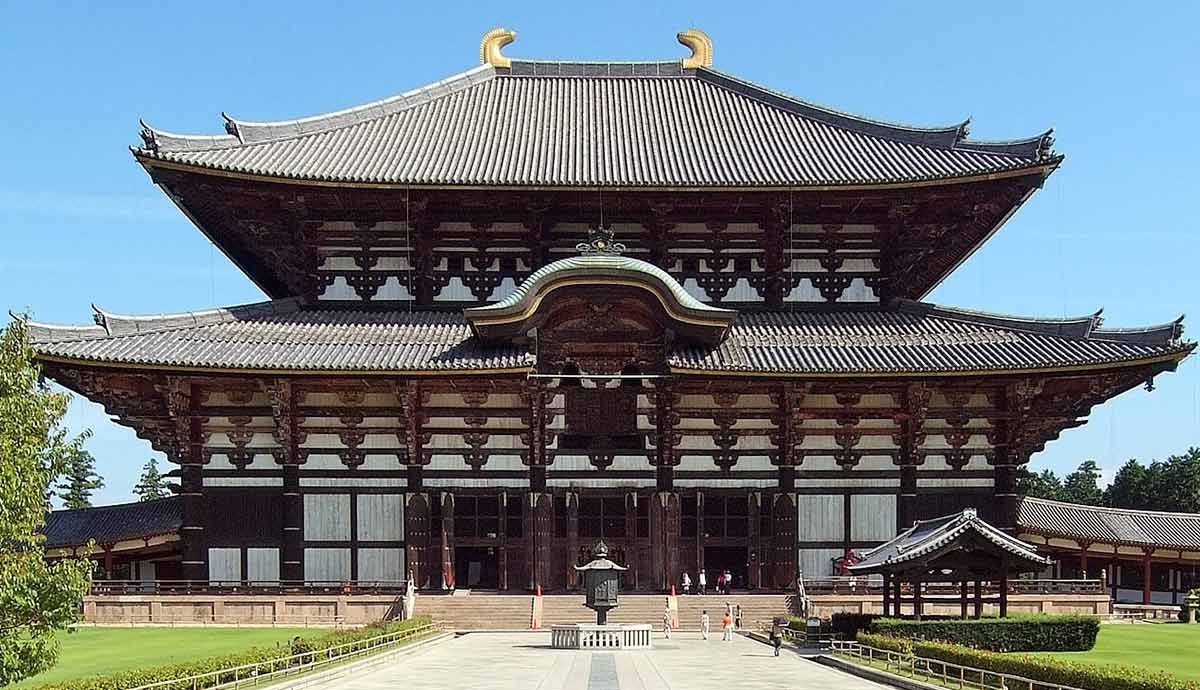
Running from 710 to 794 CE, the Nara period had a significant impact on Japans early development. Picking up right where the Asuka period left off, the period gave rise to some of the most popular literary works that Japan has ever produced. Some of the most famous holy monuments and ancient architectural works in the country today were also built during that era. Notably, many of the social changes that came about during this period influenced Japanese culture for centuries. So, what actual developments was the period known for?A Capital Modeled on Tang, China1/1000 scale model of Heij-ky. Source: WikipediaMajor changes in the government ultimately led to the creation of the royal capital at Heij-ky in AD 710. Streets in Heij-ky followed a unique grid pattern with the royal palace sitting at the northern end of the city. The design borrowed heavily from city-planning ideas that were used in China at the time. The new capital was the center of the countrys government and gave the emperor greater control over faraway lands. Roughly 100,000 people called the city home and made up close to 2 percent of Japans total population. About 10,000 of the residents worked in government jobs.The Ritsury System of GovernmentHeij-ky ruins, Japan. Source: WikipediaDuring its era, the Nara government operated under the ritsury system that ranked people according to social classes based on their lineages. But there was another dynamic as well. Those who had studied Chinese or Buddhism could gain power. Notably, the new (Taih Ritsury) set of written laws based on Chinese law replaced old procedures for handling disputes. While written laws had probably started earlier, the Taih Code was more elaborate. The later years of the following Heian period saw a slow fading of Chinese influence on laws, as well as many of the other borrowed concepts and cultural practices such as writing styles.The Establishment of BuddhismMiniature model of the Heij Palace. Source: WikipediaAnother significant cultural change of the Nara era was the adoption of Buddhism. The Korean kingdom of Baekje had brought Buddhism to Japan as far back as the 6th century, but it didnt really take hold among the people until the Nara period, when Emperor Shmu took it up with great enthusiasm. Shmu and his Fujiwara wife were true believers and actively promoted Buddhism. At the time, pushing the religion was also a strategy to strengthen Japanese institutions. Emperor Shmu called for the building of local temples (kokubunji) all across Japan to keep the gods happy and guide the nation toward better times.The Great Buddha of Tdai-jiThe Great Buddha (Daibutsu) in the main hall. Source: WikipediaDuring Shmus reign, workers completed Tdai-ji, the great Buddhist temple. The name translates roughly to the Eastern Great Temple. The temple housed within it a gilt-bronze Buddha standing 16 metres tall, depicting the Vairocana form. Shmu is primarily remembered for commissioning the statue which remains to be the largest historical bronze Buddha in Japan. The dedication ceremony of the Buddha was led by a senior holy man from India while musicians from across East Asia performed. Besides this, Nara pulled in art forms and ideas from places as far as Persia, Korea, and China, all flowing in through the Silk Road. Today, there are more than 1,300 years worth of art and architecture in Nara.Changing Womens Leadership Rights1878 depiction of Empress Kken by Utagawa Kunisada III. Source: WikipediaThe Nara period is known for having three women who actually ruled as empresses namely, Gemmei, Gensh, and Kken. Kken ruled in two separate periods from 749 to 758 CE and then, under the name Shtoku, from 764 to 770 CE.Complications to the arrangement came about when Dky, a Buddhist monk, crossed paths with Kken in 761. Her push to help the monk rise to power put him on a collision course with the most powerful people at the court. Shtoku had a well-known and controversial relationship with the Buddhist priest and even chose him to take over the throne after her, but the court completely rejected the idea and Dky was sent away into exile. Her choices sent huge shockwaves through Nara society and led to women being banned from taking the throne and Buddhist priests being kept out of government roles. It would take another 859 years before a woman sat on the Japanese imperial throne again.A State Road System to Enhance Tax CollectionNara Period illustration. Source: inf newsTrade and government work picked up steadily through the Nara years, with new roads connecting the capital to regional centers and making tax collection far less of a headache. To improve military and administrative communication within the provinces, the government built a network of rest stops along the main roads that connected the capital to regional government centers. The roads linking Nara to provincial capitals helped to improve communication and made sure that rice taxes reached the capital instead of being taken by local leaders.




 English
 Arabic
 French
 Spanish
 Portuguese
 Turkish
 Dutch
Dutch
 Italiano
 Russian
 Romaian
 Portuguese (Brazil)
 Greek
Greek