


ALLTHATSINTERESTING.COM
The Zoot Suit Riots: When White Servicemen Attacked Young Men Of Color Across Los Angeles During World War II
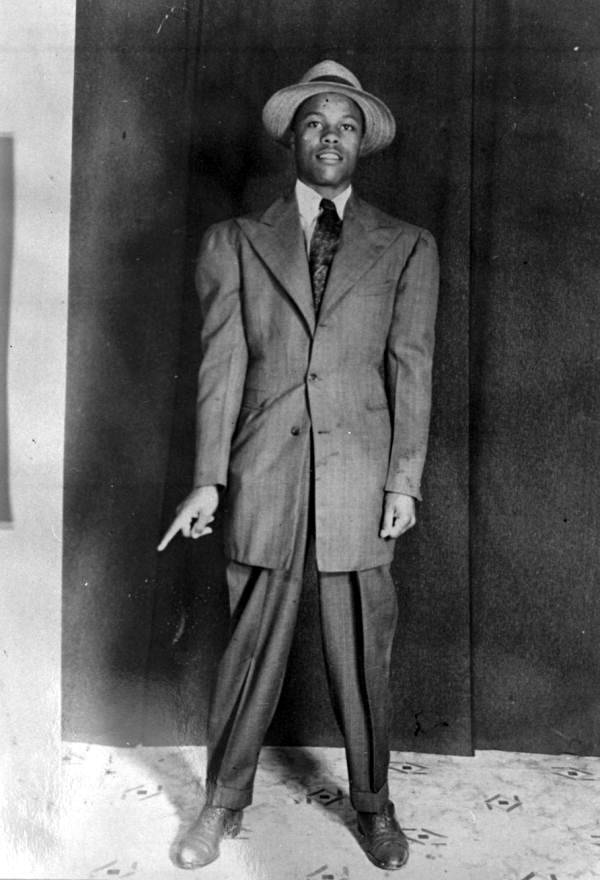
In June 1943, a wave of terrible violence rippled across Los Angeles. For a full week, white servicemen hunted and beat down young men wearing popular oversized clothing known as zoot suits. During the so-called Zoot Suit Riots, Los Angeles police did little to intervene, and only arrested those who fought back against their attackers.The riots were sparked, in part, by the suits themselves. Zoot suits were a popular fashion among young men of color at the time, but some white servicemen saw them as a waste of fabric during the war. To them, the loose-fitting zoot suits were practically treasonous.But the Zoot Suit Riots were about more than just fashion. The violence was also fueled by increasing tensions between the white community and the Mexican-American community in Los Angeles during a time when both groups competed for jobs and housing in the rapidly growing city.Click here to view slideshowFashion, War, And Racial Tensions: How The Zoot Suit Riots BeganZoot suits first emerged out of Harlem dance halls in the 1930s. Then, Smithsonian Magazine reports that dancers wore free-flowing clothing, tapered at the ankles, which captured their movements. Zoot suits, defined by their large shoulder pads, wide lapels, and high-waisted, baggy pants, soon spread across the rest of the country. They became popular among young men of color, including among young Mexican-American men in Los Angeles. Latino men in the city known as "pachucos" embraced the fashion, and were easily identifiable by their zoot suits and porkpie hats. For some white citizens, however, the pachucos were seen as gang members and street thugs. State Library and Archives of Florida/Wikimedia CommonsA man wearing a zoot suit in 1942. After emerging in Harlem dance halls, this fashion trend was adopted across the country.Indeed, tensions between the two groups had been growing. In the first half of the 20th century, both Mexicans and white Americans poured into Los Angeles seeking better employment opportunities. They competed for jobs and housing, and the city struggled to keep up with its growing population. And when World War II began, the tensions between these two groups intensified. Many white servicemen viewed zoot suits as a waste of fabric during a time of wartime rationing, and erroneously believed that the pachucos wearing them in Los Angeles were draft dodgers. (In fact, many of the pachucos were far too young to be drafted.) Numerous clashes occurred between white servicemen and Mexican-Americans in Los Angeles throughout 1943, but things took a dangerous turn on May 31. On that day, according to the National World War II Museum, a group of white servicemen and a group of Mexican-American teenagers wearing zoot suits clashed in the Chinatown neighborhood, and one white serviceman was badly beaten. In the aftermath, the white servicemen vowed revenge. And a few days later, the Zoot Suit riots began. How The Zoot Suit Riots Unfolded Across Los AngelesOn June 3, 1943, a group of about 50 sailors marched through Los Angeles. Carrying clubs and other weapons, they searched for anyone wearing zoot suits and then attacked. The servicemen beat their victims then tore off their zoot suits. Meanwhile, the Los Angeles police stood by did nothing, though they arrested many of the Mexican-American victims for "disturbing the peace."Library of CongressA young man wearing a zoot suit, who was one of the 600 men arrested during the Zoot Suit Riots.The so-called Zoot Suit Riots spread over the following week, as white servicemen joined by white civilians poured into downtown Los Angeles. They attacked Mexican-Americans (whether or not they were wearing a zoot suit) and even charged into cafes and movie theaters to find their victims. Taxi drivers gave servicemen free rides across the city, and local newspapers applauded the beatings, approvingly describing the club-wielding white servicemen as a "vengeance squad."But others saw the Zoot Suit Riots for what they were: a "mass lynching.""Thousands of Angelenos turned out for a mass lynching," journalist Carey McWilliams reported of the Zoot Suit Riots. He described how a mob of "several thousand soldiers, sailors, and civilians" stopped streetcars, pulled young men of color out of their seats, and beat them "with sadistic frenzy." The mob, McWilliams wrote, was looking for "every zoot-suiter they could find."Indeed, as McWilliams noted, the Zoot Suit Riot was no longer constrained to just Mexican-Americans. The mob attacked any man of color, whether or not he was wearing a zoot suit, and in one of the worst moments of the riot, they gouged out the eye of a Black defense plant worker.The End Of The Violent Racially Charged RiotsAfter a week of terrible violence, the Zoot Suit riots finally came to an end on June 8, 1943. Then, the Southern Sector of the Western Defense Command forbid soldiers, sailors, and Marines from entering Los Angeles. The Los Angeles City Council also banned the wearing of zoot suits. But an investigation into the Zoot Suit riots admitted that they had been fueled by "racial prejudice," and First Lady Eleanor Roosevelt remarked that "race problems" were growing in the country that needed to be faced. That said, it took 80 years for the Los Angeles County Board of Supervisors to formally condemn the Zoot Suit Riots. As for the zoot suits themselves? Like any trend, they ultimately went out of fashion. Indeed, Smithsonian Magazine reports that zoot suits are incredibly difficult to find today, and it took the Los Angeles County Museum of Art a decade of searching and $80,000 to acquire one of its collection.LACMAA zoot suit acquired by the Los Angeles County Museum of Art.But the memory of the Zoot Suit Riots should not be forgotten.For a full week in 1943, the mere sight of a zoot suit inspired terrible violence across the city of Los Angeles. The riots were about more than fashion, after all they were fueled by racism, war, and prejudice.After reading about the Zoot Suit Riots of 1943, see how the Stonewall Riots in 1969 changed gay rights in the United States. Or, go inside the strange story of the 1826 Eggnog Riot that broke out at West Point.The post The Zoot Suit Riots: When White Servicemen Attacked Young Men Of Color Across Los Angeles During World War II appeared first on All That's Interesting.
0 Σχόλια
0 Μοιράστηκε
173 Views

 English
 Arabic
 French
 Spanish
 Portuguese
 Deutsch
 Turkish
 Dutch
Dutch
 Italiano
 Russian
 Romaian
 Portuguese (Brazil)