


WWW.CATSTER.COM
Why Chicken Bones Are More Dangerous for Cats Than Most Parents Realize
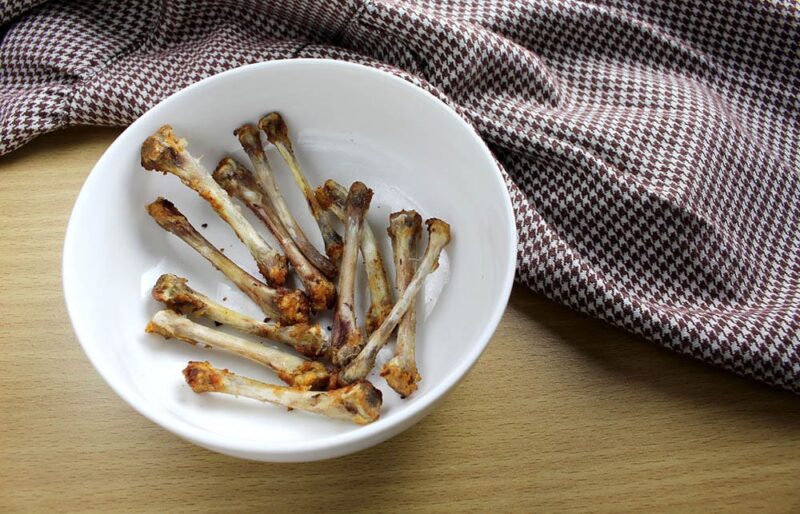
Chicken bones seem harmless enough, but for cats, they can cause serious damage quickly. Whether your cat swiped a piece off the counter or got into the bin, knowing what to do in the first few minutes can make a real difference to how this plays out.Heres what you need to know.First: Are Chicken Bones Actually Dangerous For Cats?Cats are carnivores, so youd think bones would be no big deal. In the wild, cats consume prey whole, bones included. But domesticated cats arent wild cats, and the bones were dealing with in our kitchens, especially cooked ones, present risks that are anything but minor.The most serious concern is a blockage or tear in your cats gastrointestinal tract. Either scenario requires major surgery to fix, and surgery always carries its own risks. A gut perforation, where a bone shard punctures the intestine or another organ, can be life-threatening.Cooked bones are more dangerous than raw ones. The heating process makes them brittle, so instead of bending or breaking into blunt pieces, they splinter into sharp shards. Those shards are what cause tears. Raw bones are softer and less likely to splinter, but they carry a different risk: bacteria. Raw chicken can be contaminated with Salmonella or Campylobacter, both of which can make your cat sick and, importantly, can be passed to humans through your cats saliva and feces for months afterward. Children, elderly people, and anyone immunocompromised are especially vulnerable.Bones can also become a choking hazard. A piece lodged in the airway can cause your cat to struggle to breathe or even suffocate. Smaller bone fragments sometimes get wedged across the roof of the mouth, which is painful and can injure the soft tissue there. If your cat is pawing at their mouth or shaking their head repeatedly, thats a sign that something may be stuck.Image Credit: Alyh M, ShutterstockWhat to Do If Your Cat Has Eaten a Chicken BoneThe moment you realize your cat has eaten a chicken bone, do three things:Check that your cat is breathing normally. Watch for any signs of distress, gagging, or pawing at the mouth. If your cat seems to be choking or struggling to breathe, call your vet immediately.Secure your cat somewhere safe away from any remaining bones. You dont want them eating more while youre figuring out next steps, and you may need to take them to the vet shortly.Call your veterinarian. Try to have this information ready: how many bones your cat ate, whether they were cooked or raw, and roughly when it happened. Also mention any symptoms youve already noticed.One thing you should never do: try to make your cat vomit. It feels instinctive, but inducing vomiting when a bone is involved can cause it to get stuck on the way back up, leading to a tear in the esophagus or stomach. Dont do it.What Happens NextIf your cat is lucky, the bone passes through without causing any problems, though they may have an upset stomach and some diarrhea for a few days. Thats the best-case scenario.If the bone doesnt move through cleanly, it could cause a blockage or a perforation. This is why contacting your vet immediately, even if your cat seems fine, is so important. The earlier a blockage is caught and treated, the better your cats chances of a full recovery.Your vet may recommend X-rays to see where the bone is and whether it looks likely to cause problems. Depending on what they find, they may suggest monitoring at home, bringing your cat in for observation, or surgery if a blockage or tear is suspected.Warning Signs to Watch ForEven if your cat seems okay right after eating the bone, keep a close eye on them over the following hours and days. Contact your vet straight away if you notice any of these:Vomiting, a hunched posture, or growling when you touch their belly, a bloated abdomen, no bowel movements, refusing to eat or drink, or unusual lethargy.Image Credit: Zhuravlev Andrey, ShutterstockIf Home Monitoring is RecommendedIf your vet clears your cat to be monitored at home, they will give you specific guidance. Generally, this involves feeding a bland diet, such as a canned gastrointestinal food from your vet, which can help cushion any sharp edges as the bone passes through. Make sure your cat has access to plenty of fresh water. Keep an eye on their litter box activity and check their stools for bone fragments. If they stop producing feces or produce noticeably less than usual, thats a potential sign of a blockage and warrants a call to your vet.What About Surgery Costs?If your cat does need surgery to remove a bone or repair a tear in their gut, the cost can vary widely. Depending on the extent of the procedure, the length of hospitalization, and what medications are needed, you could be looking at anywhere from $800 to $7,000. Your vet will be able to give you a more specific estimate based on your cats situation.If you need to speak with a vet but can't get to one, head over to PangoVet. It's an online service where you can talk to a vet online and get the advice you need for your pet all at an affordable price! The Easiest Fix Is PreventionThe most effective thing you can do is make sure your cat never has access to chicken bones in the first place. Dispose of cooked bones in a bin with a secure lid. Cats are persistent and clever, and a bin they can tip over is not a barrier. Cooked bones are the highest risk because of how easily they splinter, and they tend to be the most appealing to cats thanks to the smell.If your cat has already eaten a bone and youre reading this now, dont wait to see how things develop. Call your vet. The sooner they know whats happened, the better they can guide you on whether your cat needs to come in.Featured Image Credit: achirathep, PixabayDid You Know? Our brand-new posts are rounded up and included in our weekly emails. Dont miss out on the latest sign up for our newsletter below!
0 Yorumlar
0 hisse senetleri
20 Views

 English
 Arabic
 French
 Spanish
 Portuguese
 Deutsch
 Dutch
Dutch
 Italiano
 Russian
 Romaian
 Portuguese (Brazil)
 Greek
Greek