The American Defeat at Taejon That Saved South Korea
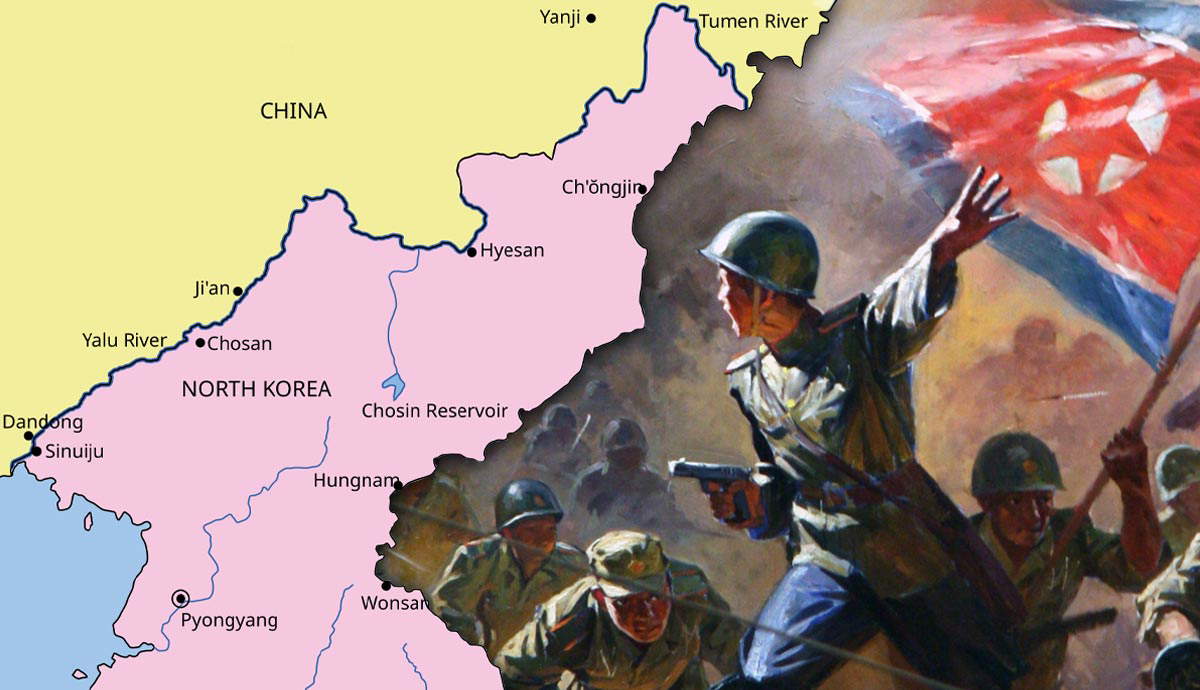
North Koreas assault unleashed an attack that caught the world off guard. The KPA smashed through the ROKA (Republic of Korea Army), forcing a retreat. The ferocity of the KPAs (Korean Peoples Army) Soviet style assault took Seoul in three days after crossing the 38th Parallel. The KPA sought to capture the port city of Pusan to prevent American reinforcements.The KPAs Soviet-influenced tactics relied on shock, speed, and rapid penetration to sustain the attack. By 1950, numerous veteran North Koreans filled the infantrys ranks, having fought in Chinas Civil War or against Japan. Tough and experienced, these men made up the KPAs core. The KPA led with heavy artillery bombardments, followed by T-34 tanks and attached infantry. Enemy stabilization was to be prevented.Outnumbered and OutgunnedDestroyed KPA T-34 tanks in Korea. Source: NARAThe outnumbered ROKAs defenses fell apart. The KPAs scale, skill, and speed proved surprising. The Americans activated the 24th Infantry Division, the closest (Japan) and only cohesive deployable force nearby. The first lightly armed American troops arrived in Pusan on July 1, 1950. Quickly organized into Task Force Smith with brutally simple orders: delay the KPA.At 7 AM on July 5, at the village of Osan, KPA T-34 tanks and infantry met Task Force Smith. American anti-tank weapons bounced off the behemoths. For seven hours, the outnumbered, poorly armed U.S. soldiers fought. Yet the KPA crushed the American roadblock, mission accomplished.Lead Up to the Main BattleNorth Korean painting of KPA infantry at Taejon. Source: WikimediaThe KPA barely slowed at Osan, keeping to the Soviet-style constant-pressure doctrine. The 24th ID fought four more delaying actions between July 6 and 14. These battles sought to impede and inflict casualties. The buildup behind them at Pusan needed time.By July 14, 1950, the battered regiments of the 24th ID arrived in Taejon. This rail and road logistics hub was critical to each side. For the Americans, further retreat risked disintegration, such was the beating received from the KPA. The five consecutive actions resulted in 4,000+ casualties, wrecked equipment, and the loss of experienced officers.The 24th ID commander, General William F. Dean, understood this. Yet his orders remained the same: delay at all costs; force the KPA to deploy and hold.The Battle BeginsA 2.36-inch M1 Bazooka. Source: WikimediaDean organized the 24th ID battered regiments in Taejon. By now, companies numbered only 30 to 40 men, had no heavy weapons, and little ammunition. And with little respite, as two KPA infantry divisions and an armored brigade arrived on July 15.On July 16, the KPA launched probing attacks on two sides. Their heavy tank-infantry assaults began grinding down thinly held American defenses.Additionally, KPA infantry started infiltrating that same night. These tough soldiers slipped in via irrigation ditches, rice paddies, courtyards, or through defensive gaps. This would be important the next day during the street fighting. Other KPA forces swung around Taejon, encircling the city.From July 17 onward, combat intensified. KPA infantry and armor fought to enter the city, with the broken American defenses behind them. Tanks probed the edges. In return, U.S. units fought house to house, unaware of any comrades around them. The communications breakdown had begun. Over the next few days, Deans situation with the 24th ID grew more desperate. The fighting even sucked in rear unit cooks, drivers, and MPs. This desperation displayed the Americans disadvantage in men and firepower.The General Fights BackBurned out remains of Taejon July, 1950. Source: Boston archiveIn a rare occurrence, General Dean fought directly too. Not the armchair general type, Dean drove around Taejon. He pressed scattered units back into the fight, directing bazooka teams to ambush T-34s, even knocking out one himself. Deans efforts slowed the KPAs advance into Taejon, which required more troops. Deans efforts kept the 24th ID evacuation routes open longer.On the morning of July 20, General Dean conceded defeat. KPA infiltrators, attacks on his flanks, plus KPA armor breaking into the city, meant imminent collapse. He ordered a retreat. The 24th ID, ordered to hold for two days, held for three. His outnumbered, exhausted soldiers attempted a fighting withdrawal.The North Koreans kept the pressure on. Communications and cohesion dissolved; units became groups. The withdrawal became a route; hundreds were killed or missing. General Dean stayed behind in vain to keep routes open. The KPA captured him days later, the highest-ranking American officer taken prisoner.The North Koreans defeated the U.S. at Tajeon. Yet this cant be seen as a failure. The 24th IDs sacrifice bought time for the Pusan Perimeter. This battle made the tiring KPA pause yet creating more time. Pusan would be the KPAs next objective.




 English
 Arabic
 French
 Spanish
 Portuguese
 Deutsch
 Turkish
 Dutch
Dutch
 Italiano
 Russian
 Portuguese (Brazil)
 Greek
Greek