


WWW.THECOLLECTOR.COM
7 Indigenous-Run Museums & Cultural Centers Worth a Visit
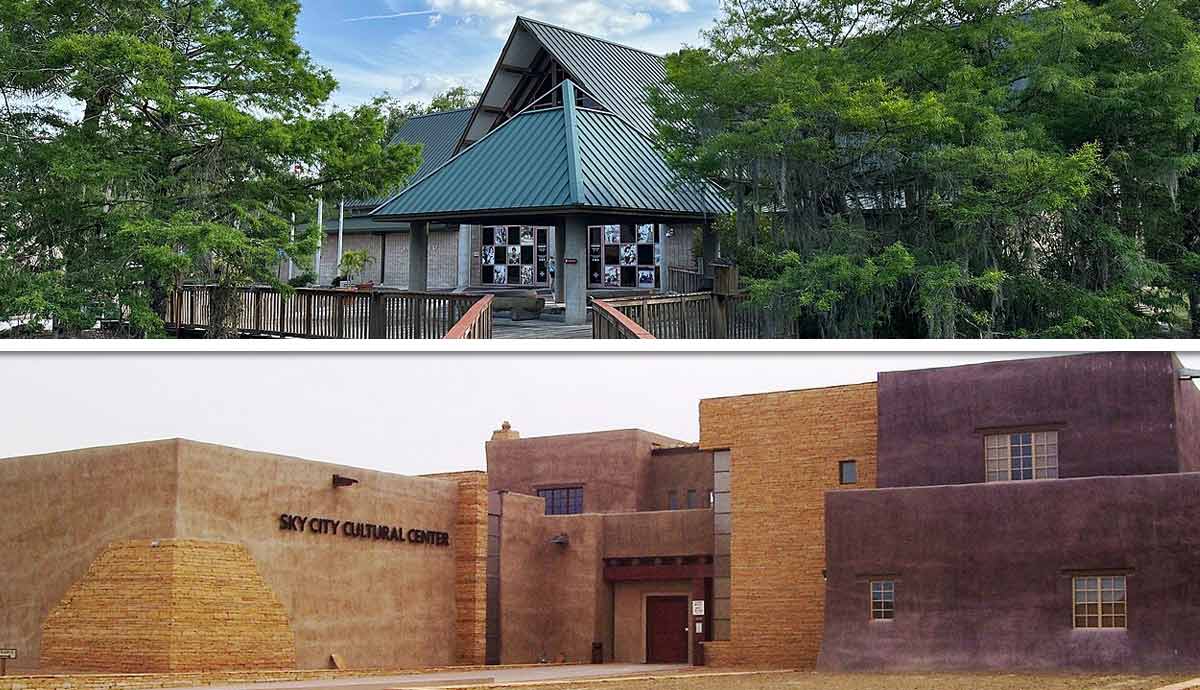
Assimilation was the tool used in attempts to subjugate Native Americans since Europeans first landed on the North American continent. Forcing the adoption of white culture threatened the existence of many historic cultural traditions belonging to hundreds of varying tribes. Despite the sometimes violent push to absorb European-American ways, some tribes have persisted in protecting their traditions. Beyond that, several have taken these measures public, sharing their ways with the world through museums and cultural centers across the country. These impressive tribal-run institutions offer a unique glimpse into Indigenous lifeways, past and present.1. Mashantucket Pequot Museum & Research Center: Online and In-PersonThe Mashantucket Pequot Museum & Research Center in Mashantucket, Connecticut. Source: Mashantucket Pequot Museum & Research CenterThe Mashantucket Pequot Museum & Research Center has been tribal-operated since its opening in 1998. The Mashantucket, also known as the Western Pequot tribe, is one of the oldest federally recognized tribes, with a reservation located in Southeastern Connecticut. The museum, located in Mashantucket, Connecticut, spans 308,000 square feet and includes permanent and temporary exhibits, classrooms, an auditorium, a gift shop, and a restaurant. The research center houses both collections and laboratories where ongoing study takes place.Location of the Mashantucket Reservation on a state map of Connecticut. Source: Wikimedia CommonsThe museum introduces visitors to the history of the Mashantucket Pequot tribe in a variety of ways, including films, interactive events, archives, art, traditional crafts, and more. In addition to permanent exhibits and revolving temporary exhibitions, the institution operates virtual tours on its website. Recent themes include Reclaiming the Waterways and Battlefields of the Pequot War.The museum is not the only way the Mashantucket tribe has impacted local tourism. The tribe has become one of Connecticuts highest state revenue contributors and employers. The Mashantucket were leaders in the development of the Indian gaming industry, establishing an agreement with the state in 1993 to start gaming operations at Foxwoods Casino.2. Ah-Tah-Thi-Ki Museum: A Place to Learn, A Place to RememberA shot of the Ah-Tah-Thi-Ki Museum includes part of its lengthy boardwalk. Source: Leonard J. DeFrancisci/Wikimedia CommonsAs its name promises, the Ah-Tah-Thi-Ki Museum offers visitors a memorable glimpse into the history and cultural ways of the Seminole tribe. Meaning a place to learn, a place to remember, Ah-Tah-Thi-Ki is located in the heart of the Florida Everglades. It is home to more than 200,000 historic objects, traditional crafts, artifacts, and works of art. The complex includes a one-mile-long raised boardwalk that allows visitors to walk through the Everglades, with several resting points that include educational features and a re-created ceremonial ground. A modern-day version of a Seminole tourist camp often features tribal artists who demonstrate traditional arts and crafts and answer visitors questions.While hosting field trips and regular visitors, the museum sponsors a number of community gatherings, both at the museum and at local landmarks. The community gatherings are often interactive, such as one that was held in 2024 to mark Missing and Murdered Indigenous Peoples Awareness Week. Event attendees were invited to speak and participate in creating a work of art to be used for a future museum installation.3. The Abbe Museum Celebrates the People of the DawnlandThe Abbe Museum in downtown Bar Harbor, Maine. Source: Abbe Museum/Wikimedia CommonsThough the Abbe Museum in Bar Harbor, Maine, was not founded by tribal interests, the Wabanaki people of Maine have played an increasingly prominent role in its operations. Today, the Board of Trustees is largely made up of Wabanaki people, and exhibit curation is often Wabanaki-driven. Meaning people of the dawnland, the Wabanaki nation is made up of Maines four Indigenous tribes, the Penobscot, Passamaquoddy, Maliseet, and Micmac.A birch bark canoe on display at the Abbe Museum. Source: Wikimedia CommonsFounded in 1926 and opened in 1928, the museum was established by Dr. Robert Abbe, a New York doctor who spent summers in Bar Harbor. He assembled a collection of local Indigenous artifacts and collaborated with other collectors to share his collection with the public. In 1928, the museum became the first Maine institution to sponsor archaeological research that expanded its exhibits and impacted future research throughout the state.Today, the museum is home to the largest collection of Wabanaki basketry, and its conservation programs have been recognized on a national level. The museum has extensive educational programs for adults, families, and students. It offers training programs for teachers and lesson plans that help students meet the objectives of the Maine Learning Results, which include standards for education about the Wabanaki.4. Living History at the Suquamish MuseumBarbara Lawrence-Piecuch, educational outreach coordinator for Suquamish Museum, speaks during a Native American Heritage Month observance training in 2015. Source: Defense Visual Information Distribution Service/Wikimedia CommonsThe Suquamish Museum, located in the heart of Suquamish territory in Washington state, was the initiative of tribesman Lawrence Webster. Webster was forced to attend the Tulalip Indian Boarding School as a youth in the early 20th century. Like in other Indian boarding schools of the era, Webster was prohibited from speaking his native language, Lushootseed. Despite receiving punishment for speaking it, Webster managed to retain his hold on his native tongue during his time at the school. He went on to participate in a number of efforts to revitalize Lushootseed and other aspects of Suquamish culture. Inspired by Websters work, the Suquamish Museum opened in 1983.Traditional Suquamish canoes, photographed in the early 20th century. Source: Smithsonian Libraries/Wikimedia CommonsThe museum asserts that it isnt just a place for the conservation of historical artifacts, but a dynamic repository for Suquamish culture. The Suquamish tribe occupied the region near Puget Sound for thousands of years before European contact. Embracing tradition and sharing it with the public drives the ongoing work at the museum. In a unique blending of tradition and modernity, the museum even offers a mobile app to make centuries of history and a future of conservation accessible to everyone.5. The Award-Winning Museum of the Cherokee PeopleA bear statue featuring Sequoyahs syllabary and wearing his trademark hat and pipe outside of the Museum of the Cherokee People. Source: Wikimedia CommonsThe Museum of the Cherokee People in Cherokee, North Carolina, has a reputation as one of the longest-operating tribal museums in the United States. Established in 1948, it shares Cherokee history and culture on traditional tribal lands. The institution is home to a number of permanent and revolving exhibits, hosting public visitors, schools, and more. For online researchers, the museum features a virtual catalog including artwork, books, artifacts, and more that can be accessed online. Those interested in tribal genealogy can even make an appointment with the museum for a genealogy consultation.The Museum of the Cherokee People has received several recognitions, including being named as one of the Top Ten Best Native American Experiences by USA Today.6. Acoma Sky City Cultural Center & Haaku MuseumThe Sky City Cultural Center reflects traditional pueblo building designs. Source: Wikimedia CommonsThe pueblo (village) of Acoma, home to a tribe of the same name, is one of the oldest continually inhabited places in what is now the United States. Located in New Mexico, the pueblo, with many historically maintained buildings, is open to visitors for tours. A small population of tribal members lives in the pueblo full-time, with many others calling the nearby town of Acomita home. However, tourists can also experience the Sky City Cultural Center and Haaku Museum. Located at the base of the mesa, the cultural center acts as a gateway to the traditional Acoma lifestyle.While a tourism center has existed at this location for some time, the original building burned in 2000. The revitalized cultural center opened in 2006. Built in a style that mimics traditional pueblo buildings, the square, flat-roofed building houses exhibits, conference rooms, a gift shop, a restaurant, and a library. There are also reparation rooms, which are not open to the public, where the study and return of traditional artifacts are completed as part of the process of addressing historical injustice.7. Manifest Destiny in a Different Light: Tamastslikt Cultural InstituteThe Tamastslikt Cultural Institute. Source: Oregon Tourism Commission/Wikimedia CommonsLocated along the historic Oregon Trail near Pendleton, Oregon, the Tamastslikt Cultural Institute focuses on telling the story of US western expansion from the Indigenous point of view. The museum recounts the story of the Cayuse, Walla Walla, and Umatilla tribes, and while it shares their traditions, it also looks to the future. Its exhibits and programs demonstrate that despite immigration, war, and broken treaties, the culture of these confederated tribes survived and will be preserved for future generations.A variety of events are hosted by the museum and are usually free and open to the public. Past events have included book signings, special speakers, and film showings. While 16,000 years of traditions are on display, the institute also highlights contemporary tribal culture, such as the involvement of the tribes in the restoration of salmon habitat in the Northwest. This collision of past and present is prevalent in the museums permanent exhibits, which exemplify We Were, We Are, and We Will Be.
0 Комментарии
0 Поделились
27 Просмотры

 English
 Arabic
 French
 Spanish
 Portuguese
 Deutsch
 Turkish
 Dutch
Dutch
 Italiano
 Romaian
 Portuguese (Brazil)
 Greek
Greek