


WWW.THECOLLECTOR.COM
7 Facts About the Gadsden Purchase of 1853 That Expanded the US Southwest
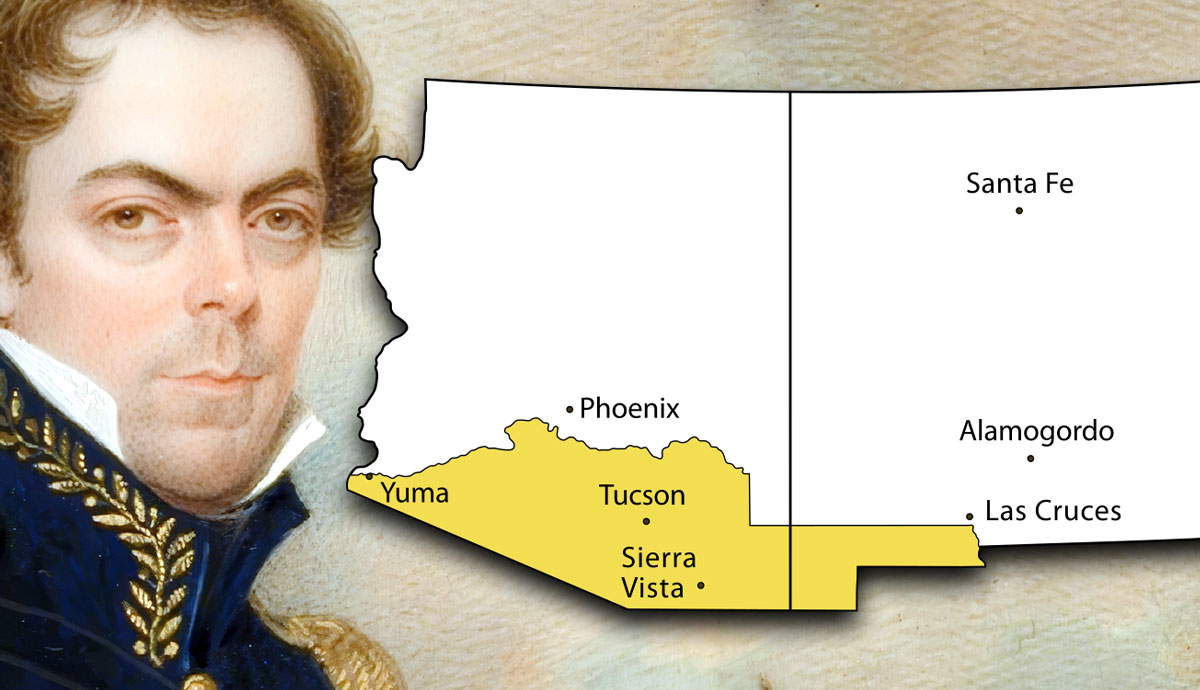
The Gadsden Purchase, finalized in 1853, marked an important moment in American history. Negotiated by James Gadsden, and finalized by President Franklin Pierce, it secured nearly 30,000 square miles of land in what is now southern Arizona and southwestern New Mexico. This deal was motivated by the vision of a southern transcontinental railroad and promises of economic growth, yet it sparked heated debates over slavery and congressional balance. Here are seven facts about this historic purchase.1. It Was a Land Deal for the SouthwestGadsden Purchase Southern Pacific Railroad Map, c. 1853. Source: National Parks ServiceThe Gadsden Purchase was a key moment in the American expansion, finalized in 1853 when the United States bought a strip of land from Mexico. This acquisition added what are now parts of southern Arizona and southwestern New Mexico to the nation. Furthermore, the Purchase was a practical move as many eastern Americans were moving westward in search of better economic opportunities. This increasing population facilitated a need for a southern transcontinental railroad.At the time, American leaders recognized that connecting commerce and continuing settlement depended on accessible transportation routes. This deal helped to expand and connect the nation.While the Purchase may seem modest compared to previous and later land deals, its impact was far-reaching, influencing the development of local economies and shaping the political landscape of the border.2. James Gadsden Led the NegotiationsJames Gadsden, by Charles Fraser, c. 1831. Source: Wikimedia CommonsAt the center of this historic deal was James Gadsden, a determined American politician whose name is forever linked with the Purchase. Sent to Mexico in the early 1850s, Gadsden was tasked with negotiating a deal that would benefit the United Statess ambitions in the West. His goal was to come with an agreement that balanced American expansion while maintaining a relationship with Mexico.Gadsdens persistence, charm, and sense of opportunity shone through in the tense discussions and complex political atmosphere of the time. Five years prior, the United States had fought a war with Mexico over the Republic of Texas. In 1836, Texas gained its independence from Mexico and declared itself a Republic. Nine years later, the United States annexed Texas, subsuming the republic into the United States. Mexico never recognized Texass independence and viewed the actions of the United States as illegal. War broke out in 1848 and ended with a US victory.The peace treaty, Guadalupe Hidalgo, forced Mexico to hand over much of what is the southern and northwestern United States today. Gadsden knew the strategic value of the remaining territory as a location to support a trade route and railroad. His efforts ensured that the deal was both fair and successful, even if it stirred controversy back home.3. It Was Driven by the Need for a Southern Transcontinental RailroadSouthern Pacific Railway blueprint for second transcontinental rail line, 1881. Source: Wikimedia CommonsOne of the main reasons behind the Gadsden Purchase was the growing ambition to build a southern transcontinental railroad. Americans at this time believed in an ordained mandate called Manifest Destiny. It was Gods wish that the North American continent be settled by white men from ocean to ocean. As America looked west, the idea of linking the southern states to the Pacific via rail seemed essential for the implementation of Manifest Destiny.The territory acquired through the Purchase offered an ideal route that was relatively flat and well-suited for laying tracks, the opposite of the Northern Transcontinental Railroad which required blasting through heavy rock to create pathways through various mountain ranges.Leaders believed that this new railroad would open up trade, further encourage migration, and bind the nation closer together, particularly at a time when different regions were nearly at war with one another over their political and social ideologies. The promise of a reliable transportation route excited business interests and appealed to a broader vision of American progress.4. The Deal Was Controversial and Politically Charged33rd Congress or the United States division in the House of Representatives. Source: Wikimedia CommonsThe Gadsden Purchase didnt come without its fair share of controversy and political debate. In the high-strung atmosphere of the 1850s, every major political decision was challenged and debated, and the Gadsden Purchase was not an exception. Critics worried that the new territory might upset the delicate balance between free and slave states.Many argued that adding land in the Southwest could potentially expand the institution of slavery, tipping the scales of representation in Congress in favor of pro-slavery men. These concerns were validthey reflected deep-seated regional tensions, known as sectionalism, that were already threatening to tear the nation apart.Supporters, however, saw the Purchase as a step forward, a necessary move to both grow and strengthen the country no matter the impact on the already turbulent political scene. Despite the fierce opposition and political debate, the deal went through, further dividing the nation and charting a course to the Civil War.5. It Was Finalized Under President Franklin PiercePresidential portrait of Franklin Pierce, 14th President of the United States, c. 1855. Source: Library of CongressThe Gadsden Purchase was finalized during the presidency of Franklin Pierce, a leader who recognized the value of this new land while understanding the political risks it entailed. In the early 1850s, as tensions over expansion and the balance of power between free and slave states grew, Pierce saw the opportunity to secure a vital piece of the Southwest. His administration worked hard to negotiate the terms with Mexico, balancing economic ambitions with the growing sectional debates at home.Pierces willingness to move forward with the Purchase highlighted his commitment to American expansion via Manifest Destiny and the belief that progress sometimes required tough decisions. He finally signed the agreement in 1853. While the decision sparked controversy and debate among his contemporaries, it ultimately contributed to shaping the nations future. Franklin Pierces role in finalizing the Gadsden Purchase involved tough decision-making in a time of immense change both politically and socially.6. Its Legacy Continues to Influence the Southwest TodayThe Gadsden Purchase historical marker near Casa Grande, Arizona. Source: Wikimedia CommonsThe effects of the Gadsden Purchase are still visible today, long after the ink on the agreement had dried. Its impact can be seen in the way the areas infrastructure, economy, and cultural identity have evolved over time, especially in the artwork plastered on many buildings incorporated into the United States by the Gadsden Purchase.Historians and locals recognize that this deal, although controversial, played a critical role in laying the groundwork for future growth in the sprawling cities of the Southwest. It serves as a reminder that decisions made in one era can influence the character and progress of a region for generations to come.
0 Kommentare
0 Geteilt
21 Ansichten

 English
 Arabic
 French
 Spanish
 Portuguese
 Turkish
 Dutch
Dutch
 Italiano
 Russian
 Romaian
 Portuguese (Brazil)
 Greek
Greek