


WWW.THECOLLECTOR.COM
How the Brutal Japanese Occupation Shaped Modern Indonesia
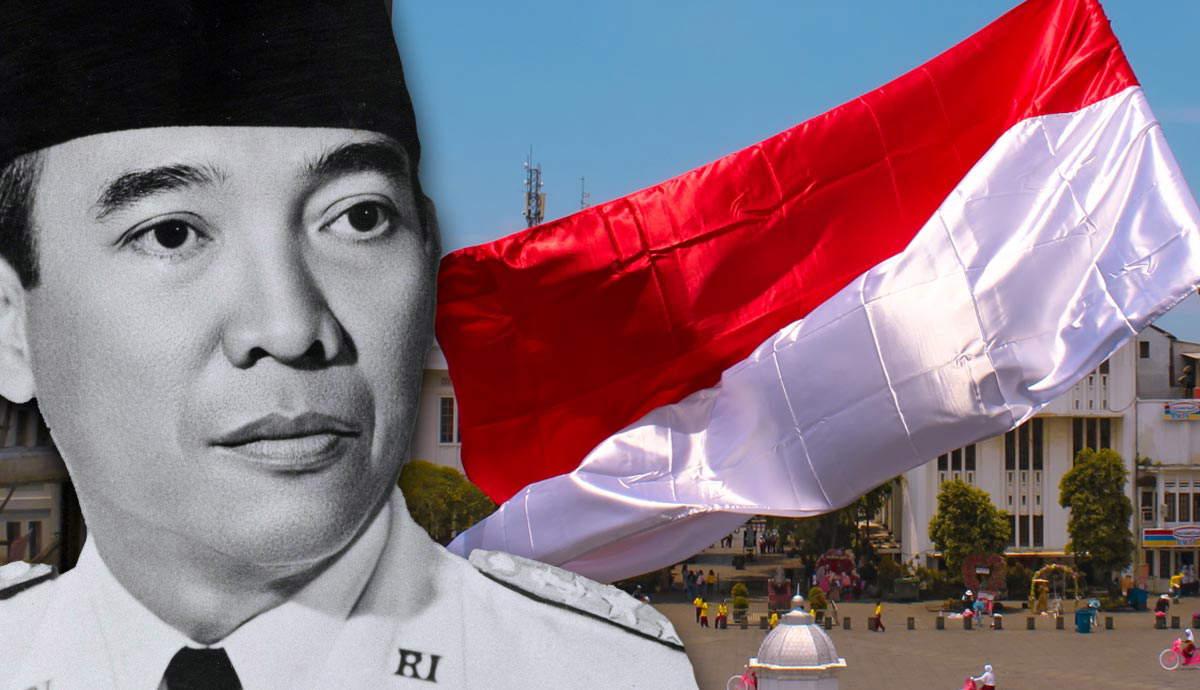
After taking over the Dutch East Indies in 1942 during the Second World War, the Japanese occupation authorities pursued a policy of exploitation and brutality towards the Indonesian people. Despite promising to liberate the Indonesians from Dutch rule, the Japanese proved to be even more brutal as overlords. However, the Japanese occupation did set the stage for Indonesian independence after the war by co-opting Indonesian nationalist leaders like Sukarno, the first president of the Republic of Indonesia.Japans Conquest of Dutch East IndiesMap of Japanese Operations in the Dutch East Indies in 1941-1942. Source: West Point Military AcademyAt the start of the Pacific War in WWII, Japan sought to create an empire primarily to ensure access to raw materials and natural resources it lacked. The Dutch East Indies supplies of oil and rubber, meant that it was a prime target for Japanese expansion. Japan hoped to conquer the Indonesian archipelago quickly, set up a governing administration, and extract as many resources as possible to enable them to continue their eastward advance in the Pacific.After the Pearl Harbor attacks, the Japanese proceeded to attack American and European possessions in Southeast Asia very efficiently. The Dutch, who were the rulers of the Netherlands East Indies (NEI), were woefully unprepared for the Japanese advance. Their home country had been conquered by the Germans in 1940 and they lacked the necessary resources to adequately defend their colonial possessions. In January 1942, the Japanese launched major air and naval attacks against several Indonesian islands. When Allied forces combined their weakened assets in a joint command called ABDACOM to defend the NEI, they were still easily overwhelmed by the superior Japanese forces.In March 1942, Japanese troops landed on both ends of the Indonesian island of Java. At this point, the Japanese navy had destroyed most of the Allied ships ordered to support the NEI at the Battle of the Java Sea. Several infantry divisions advanced inland and overwhelmed the defending Dutch forces. After losing a mere 671 men killed, the Japanese forced the garrison to surrender and took over the colony entirely.Japans Occupation PlansJapanese soldiers and Indonesian children saluting each other, 1942. Source: Voice of IndonesiaJapanese rule in the former Dutch East Indies was slightly different to other Japanese possessions like Korea or Indochina. At the same time, the Japanese occupation of Asia during World War II generally involved the exploitation of people and resources for the benefit of the Japanese home islands, and to encourage local nationalist movements to act as collaborators.Japan sought to create what it called the Greater East Asia Co-Prosperity Sphere. The government in Tokyo believed that it was a civilizing force and that it could advance Asian societies without the Western countries meddling in its affairs. At the same time, Japanese leaders and thinkers embraced racial attitudes that elevated Japanese people above all else. Non-Japanese people in the empire were treated as second-class subjects at best; at worst, they were to be slaughtered or exploited.From 1942-1945, Japan occupied Indonesia with a substantial military presence, both to protect from local insurgencies and to protect against an Allied counteroffensive against the islands. The 16th and 25th Armies controlled the main islands of Java and Sumatra, with smaller forces garrisoned elsewhere. The Imperial Japanese Navy also set up bases in the archipelago. The secret police, or Kempeitai, set up offices in major cities like Surabaya and Batavia. Japan also turned to Indonesian nationalist leaders to help maintain political order.Local CollaboratorsIndonesian nationalist and future head of state Sukarno with Japanese General Moichiri Yamamoto, one of Japans administrators in the NEI, 1944. Source: Dutch National ArchivesPart of Japans appeal to Asian people was that it was liberating them from Western colonialism. As Japanese forces advanced through the Pacific and Asia, they were assisted by a variety of Asian nationalist groups who hoped that the Japanese government would recognize their independence. When Japanese forces invaded the NEI in 1942, they were actively assisted by Indonesian nationalists Sukarno and Mohammad Hatta.Sukarno and Hatta were two of the most prominent members of Indonesias Great Awakening, a national movement hoping to end Dutch rule over the NEI. Although they had little in common with Japans leadership, Indonesian nationalists needed help from outside actors to accomplish their mission. When Japan set up a colonial administration on the islands, Sukarno and Hattas group, the PNI, offered its services. Japan was thrilled and proceeded to allow Indonesians to become members of its colonial civil service. By co-opting the nationalists, they ensured that controlling the islands became easier.Japan never had any intention of granting independence except near the very end of the war. Its cruel policies gradually alienated many Indonesians and lost them much of their initial goodwill. Yet, Sukarno and Hatta insisted on backing the Japanese until the end. Japan created a militia of PNI members called PETA in 1943 to support their garrison. Sukarno saw this as an opportunity to prepare the Indonesians for independence, while others saw it as a plan to create a puppet regime that ensured Tokyo could indirectly control Indonesia for as long as it desired. This had ramifications for the postwar period.Forced LaborMemorial to rmushas in Bantam erected by the Republic of Indonesia after WWII, 1948. Source: Dutch National ArchivesThe Dutch East Indies had a large population of over 60 million people in the 1940s, and the Japanese authorities forced Indonesian men to work as unpaid conscript laborers (known as rmushas) on infrastructure projects throughout the empire. When Japan conquered the Dutch East Indies, its commanders began issuing notices to Indonesians ordering them to report for labor purposes. They promised that workers would be paid well and treated humanely. Many Indonesians were desperate for money and food and agreed to work in the hope that it would help them and their families.During the war, up to ten million Indonesians were used as rmushas around the Japanese empire. Japan sent tens of thousands of Indonesians to work alongside Allied POWs and other Asian peoples in Malaya, Singapore, and other Indonesian islands. They were kept in tents and brutalized by their Japanese and Korean guards. Food was short and rmushas were mostly unpaid. In the NEI itself, rmushas were forced to build railways, bunkers, and other military assets that the Japanese could use in the case of an Allied invasion. In 1943, an estimated 120,000 Indonesians worked on the Pekanbaru railway. According to some estimates, a mere 20% survived. A large number of Indonesians also worked on the construction of the notorious Thai-Burma Death Railway.Much attention has been paid to the inhospitable conditions faced by Allied POWs of the Japanese during the war. There is less acknowledgement of the toll paid by Asians forced to work for Japan. While the exact number is not known, between 40-70% of Indonesians forced to work for Japan died. They were not able to tell their story as much as Allied POWs could because many lacked literacy.Japanese War Crimes and AtrocitiesHouses in the notorious Tjideng internment camp in Jakarta, 1945. Source: Leiden UniversityForced labor was not the only war crime committed by Japanese forces against people in the Dutch East Indies. After the conquest of the colony, Japan began confining Dutch citizens to internment camps, fearing that they would stoke an insurgency against Japanese forces. For the next three years, 90,000 Dutch civilians and 40,000 military personnel were kept in a network of camps, mostly located in Java. Disease ran rampant in the camps and the Japanese were brutal to their charges. It is estimated that tens of thousands of Dutch internees died in Japanese hands.One of the most controversial Japanese practices in WWII was the use of comfort women. Throughout the Empire, Japanese forces seized Asian and European women to be used as prostitutes against their will. Japanese soldiers and sailors gang-raped Dutch and Indonesian women until the end of the war. Exact numbers are hard to pin down, but it is estimated that hundreds of Dutch and thousands of Indonesian women became comfort women.Despite Japans pledges of friendship with the Indonesian people, Tokyo proved to be absolutely ruthless when dealing with the indigenous population. Anyone suspected of spreading pro-Allied propaganda was arrested, tortured, and in many cases shot. Japans wartime economy was mainly about benefiting the home islands, and the welfare of the Indonesian people was an afterthought. A famine struck Java in 1944, leading to a possible death toll in the millions. As a result of Japanese brutality, an estimated four million Indonesians died during the war.End of the War and Indonesian IndependenceOfficial presidential portrait of Sukarno, 1949. Source: Leiden University LibraryDespite Japans brutality towards Indonesians, there was a lack of organized resistance by the locals. Japans co-opting of the nationalist movement ensured that there could be no leadership of an underground movement. Resistance attacks against Japanese forces were few and far between. Nonetheless, many Indonesians could tell that the war was going badly for Japan and yearned for the day that they could choose their own future.Up to the last months of 1945, Tokyo refused to countenance the topic of Indonesian independence because it still saw the East Indies as a colony. However, they decided to change course once it became clear that Japan could not hold on in Indonesia. Japanese Field Marshal Hisaichi Terauchi, the commander of Japanese forces in Southeast Asia, met with Sukarno and other Indonesian nationalists in Vietnam and agreed to support a declaration of independence. His hope was that independent Indonesia would be a Japanese ally. On August 17, 1945, Sukarno proclaimed Indonesian independence in Jakarta.Australian forces had begun landing in outlying islands as part of an effort to choke off Japans supply lines in 1945. However, the main islands were not to be attacked until the war ended. In September 1945, units of the Indian Army began landing on Java and Sumatra to rescue POWs and civilian internees, disarm the Japanese, and prepare for the resumption of Dutch rule. Pitched battles began while members of PETA attacked Dutch civilians in a massacre called the Bersiap. In November 1945, British forces, now assisted by surrendered Japanese troops, destroyed PETA units around the city of Surabaya. When Dutch forces began landing to reassert control, the Indonesians retreated inland and launched an insurgency, beginning the Indonesian War of Independence.
0 Comentários
0 Compartilhamentos
20 Visualizações

 English
 Arabic
 French
 Spanish
 Portuguese
 Deutsch
 Turkish
 Dutch
Dutch
 Italiano
 Russian
 Romaian
 Greek
Greek