


WWW.THECOLLECTOR.COM
How National Parks Help Preserve American History
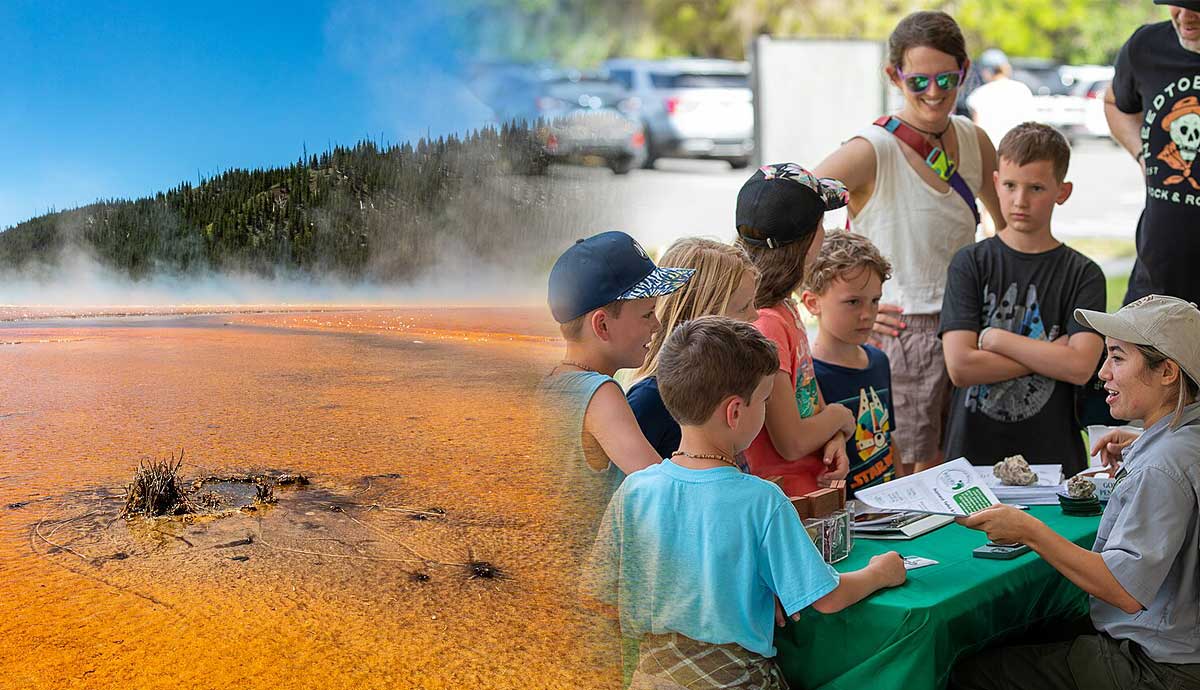
Americas first National Park, Yellowstone, was established in 1872, with dozens more to follow. The United States is now home to 63 National Parks, and the Park Service manages hundreds of related locations such as monuments and historic sites. There are over 300 million National Park visits annually, and the visitors are getting more than just great photo ops. Americas National Parks play a key role in American history, providing numerous opportunities for not only learning, but also protecting this history for future generations. Lets examine how the parks of the present help preserve the past.What Is the National Park System?Grand Prismatic Spring in Yellowstone National Park, the first national park. Source: Wikimedia CommonsIn 1906, the Antiquities Act decided that the protection of Americas historical artifacts fell under the purview of the federal government. Following that, the National Park System was created in 1916 with a signature from President Woodrow Wilson. This gave the Park Service (NPS), under the Department of the Interior, the responsibility of protecting 35 national park sites and monuments. An executive order by President Franklin D Roosevelt brought more sites under the NPSs purview, transferring them from management by the War Department and Forest Service. This was a leap forward in the development that eventually led to the expansive system that is the NPS today.Today, the National Park System encompasses more than 84 million acres in all 50 states, Washington, DC, and American territories. Additions to the system are made through acts of Congress, though additions of national monuments can be designated by the president via executive order.The mission of the National Park Service includes preserving unimpaired the natural and cultural resources and values of the National Park System for the enjoyment, education, and inspiration of this and future generations. The NPS accomplishes this mission by protecting and preserving existing ancient American historical sites and artifacts, while working with the public in the form of educational opportunities and Indigenous partnerships. Finally, scientific research helps the NPS reach its goals of preservation while looking to the future.Providing Necessary ProtectionA Yellowstone National Park boundary line in Montana. Source: Wikimedia CommonsTwo-thirds of national park sites in America are considered historic or culturally important sites. By designating these areas as part of the national park system, the locations are protected from development, overuse, and other damages that could take away from their value. Recreational visits to the National Park System totaled over 330 million in 2024. With all this human activity, careful management of these sites is a necessity.The Park System has a Resource Protection Branch that monitors the environmental quality of its parks and works to assess and mitigate any potential damage. This arm of the NPS deals with incidents such as fires, vandalism, and oil spills. As a result of congressional lawmaking, the NPS has the power to seek compensatory damages from those who damage park resources. A 2005 report listed encroachment as the largest percentage of damage by incident in National Parks.Preservation WorkPreserving the natural landscape also helps to preserve Americas history. This formation is located at Sequoia and Kings Canyon National Park in California. Source: National Archives at College Park/Wikimedia CommonsThe NPS takes the preservation of historic sites and the natural world around them very seriously. The service is involved in a number of preservation projects, completing their own work as well as working in partnership with organizations like the National Register of Historic Places and National Historic Landmark Records. The National Center for Preservation Technology and Training, operated by the NPS at Northwestern State University in Natchitoches, Louisiana, conducts research and offers technical assistance and funding not only to park concerns, but cultural resources throughout the country. For example, in 2024, the National Park Service donated 5 million dollars to eight projects focused on preserving historical sites relating to Americas struggle for equal rights. The recipients included the United Colored American Cemetery, which will be provided with structural repairs, monument cleaning, and security improvements as a result of the grant.The Park Service is also invested in teaching the general public how to become directly involved in preservation. As part of their wide-ranging educational initiatives, the NPS offers programs including both live and virtual training on a variety of topics such as technical and landscape preservation.Creating Educational OpportunitiesThousands of children visit National Parks annually. Source: National Park Week/Wikimedia CommonsIn addition to offering preservation resources to the general public, the NPS works to provide numerous other educational opportunities. The Park Service offers a multitude of resources for teachers serving students of all ages, including lesson plans and professional development opportunities. A number of these offers are based not only on the parks themselves, but historic places and museums. The Every Kid Outdoors program offers fourth-grade students free access to all federal lands and waters, encouraging family adventures and school field trips alike. Classrooms can participate in virtual field trips that allow them access to parks from throughout the country through pre-recorded lessons, live trips, and discussion sessions led by park rangers.Honoring Indigenous HeritageAn Indigenous woman making a buffalo grass basket in Pecos National Historical Park in New Mexico. Source: Wikimedia CommonsAmericas historical places are undeniably interwoven with the history of Americas Indigenous peoples. The National Park Service has made efforts to include native perspectives within park decision-making over the years. In late 2022, the NPS released new guidance to aid park officials in improving stewardship by strengthening the input of Americas Indigenous groups.These co-stewardship policies allow for co-management of park lands and cooperative agreements. For example, in Acadia National Park in Maine, the Park Service works with members of the Wabanaki Nations of Maine to allow for the gathering of sweetgrass, a traditional basket-making material, within park confines. The Wabanaki have also contributed their own stewardship recommendations, improving the health of the sweetgrass population within the park.This iron and wood tomahawk handle, taken from the body of Shawnee leader Tecumseh at his death, went through a NAGPRA analysis procedure. Source: Conner Prairie Living History Museum/Wikimedia CommonsThe National Park Service continually updates rules and recommendations related to Americas native peoples. In 2023, regulations in regard to the Native American Graves Protection and Reparation Act (NAGPRA) were updated. The goal of NAGPRA is to ensure that Indigenous artifacts and human remains, such as those uncovered during archaeology projects on NPS lands, are repatriated to the descendants of the original owners. By allowing for Indigenous sovereignty, the NPS can manage cultural and natural resources effectively and fairly. Traditional and modern knowledge are combined to strengthen the health and conditions of park biomes.Scientific Research ConnectionsA photo of leaves in Glacier National Park by Ansel Adams. Source: National Archives & Records Administration/Wikimedia CommonsThe conservation, preservation, and educational opportunities offered by the National Park System arent just chosen randomly; they are grounded in science. The projects and protections instituted by the NPS are data-driven and thrive in collaboration with other scientific agencies such as the US Geological Survey (USGS) and the National Oceanic and Atmospheric Administration (NOAA). Park staff are involved in projects such as monitoring air quality and precipitation levels, measuring water pollutants, counting animal populations and behaviors, and more.The work done in the parks is essential to the health of the locations themselves and the populations of wildlife within them. However, the information gained from scientific studies in the parks also helps protect visitors. For example, monitoring bear activity and behavior can help park staff make decisions about future bear education programs or temporarily closing active areas of the park. Scientific study within the park system is also used to benefit surrounding areas and inform policymaking. This information is both current and historical, as scientists can use information from the parks to improve their current understanding of historical events. One key way to improve historical understanding is through archaeology. The National Park Service manages over 87,000 archaeological sites throughout its system, with sites operating in almost every managed park.A researcher participating in a project to monitor Harlequin Ducks in Glacier National Park in 2018. Source: Glacier National Park/Wikimedia CommonsUnfortunately, in recent years, the scientific opportunities and the park system as a whole have suffered under changes introduced by the current government administration. Funding has been cut drastically across the National Park System, forcing crucial scientific projects to be abandoned indefinitely. Staffing cuts have eliminated key positions from not only the NPS but also associated scientific agencies such as the National Fish and Wildlife Service and NOAA.Protestors speak out against NPS cuts in March 2025. Source: Wikimedia CommonsThough the National Park System is currently under threat, it remains steadfast in its purpose. From uncovering and sharing vital information about the past of the land and its people, to remaining on the cutting-edge of data collection, the NPS is dedicated to Americas protectionnot only of its rich history, but its unwritten future.
0 Комментарии
0 Поделились
24 Просмотры

 English
 Arabic
 French
 Spanish
 Portuguese
 Deutsch
 Turkish
 Dutch
Dutch
 Italiano
 Romaian
 Portuguese (Brazil)
 Greek
Greek