


WWW.CATSTER.COM
Vaseline for Cat Hairballs? What Vets Want You to Know First
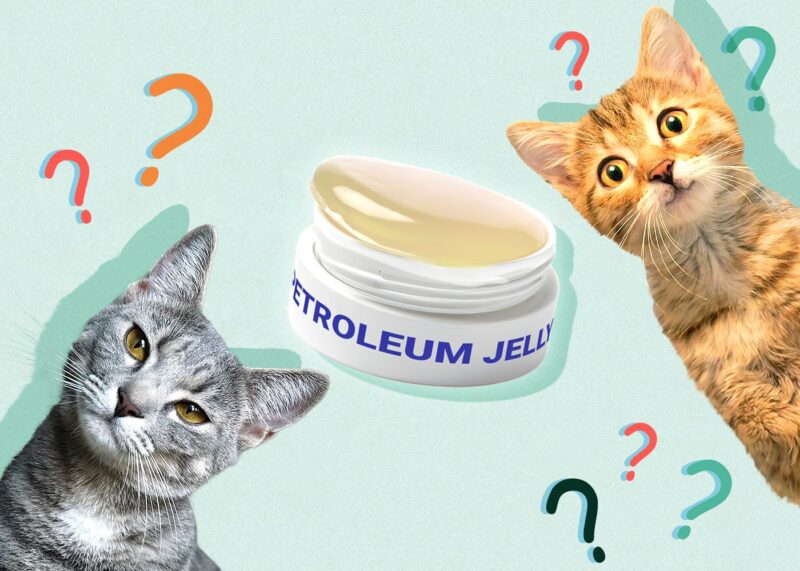
Youre watching your cat hack up yet another hairball on your carpet when someone suggests Vaseline. Wait, what? That stuff sitting in your bathroom cabinet? It sounds bizarre, maybe even dangerous, but people swear by it for treating hairballs. So whats the actual truth here? Is Vaseline safe for cats, or are you about to accidentally poison your pet with petroleum jelly?The short answer is that Vaseline isnt toxic to cats in small amounts and has actually been used to treat hairballs for years. But before you start slathering it on your cat or mixing it into their food, there are some real risks you need to understand. The difference between helpful and harmful comes down to how much your cat ingests and whether they have any underlying health issues.Lets dig into what Vaseline actually is, how it works for cats, and when it becomes dangerous.What Vaseline Actually IsVaseline is petroleum jelly, also called petrolatum, made from a mixture of waxes and mineral oils.People use Vaseline for everything. It heals minor burns and cuts, moisturizes dry skin, prevents diaper rash, removes eye makeup, adds shine to hair, lubricates squeaky doors, and even moisturizes pet paw pads. Its one of those products that seems to have endless applications.But just because its useful doesnt automatically mean its safe for your cat to consume.Image Credit: Anna Gawlik, ShutterstockThe Petroleum ConnectionKnowing that Vaseline comes from petroleum might make you nervous. After all, petroleum products include gasoline and crude oil, neither of which youd want anywhere near your cat. But heres the important distinction: the petroleum found in petroleum jelly is safe for both humans and pets because its been triple-purified to remove any cancer-causing substances.Vaseline acts as an occlusive substance, meaning it forms a protective layer on the skins surface without being absorbed. Your cats skin wont absorb it, and neither will their digestive tract. Instead, the petroleum jelly forms a coating along the digestive system and on hairballs, which is actually how it helps move them through.So putting Vaseline on your cats paw pads or skin is safe, and small amounts ingested wont poison them. The key phrase here is small amounts.Understanding HairballsIf you own a cat, hairballs are probably an unwelcome but familiar part of life. They tend to show up more frequently in spring and fall when cats shed heavily and swallow more fur during grooming. Some households deal with them year-round.Most of the fur your cat ingests passes through their digestive system without issue and comes out in their feces. Hairballs form when the digestive system cant properly move the ingested hair out of the stomach and intestines. The problem is usually motility, meaning the movement of hair through the digestive tract gets disrupted.Certain illnesses can slow down digestion and contribute to hairball formation. Hyperthyroidism, inflammatory bowel disease, gastroenteritis, and other gastrointestinal problems can all make hairballs worse or more frequent.Image Credit: RJ22, ShutterstockHow Vaseline Helps With HairballsMost cats vomit up hairballs occasionally, which is completely normal. But there are supplements designed to help prevent them, and most of these contain petroleum jelly mixed with flavoring to make them more appealing to cats. They work by helping move hair through the digestive system more efficiently.Some veterinarians recommend these petroleum jelly supplements for cats with recurring hairball issues. If youre thinking about using plain Vaseline instead of a commercial product, talk to your vet first. They can determine whether its the best option for your specific cat and situation.The Real Risks of VaselineWhile Vaseline can effectively treat hairballs and even constipation, there are legitimate dangers you need to know about before giving it to your cat.Aspiration PneumoniaVaseline is made with mineral oil, which is extremely harmful if cats inhale it. If your cat breathes in petroleum jelly, it can enter their lungs and cause aspiration pneumonia and potentially fatal lung toxicity.The chances of this happening arent huge, but theyre real enough that you should keep Vaseline away from your cats face, especially around their nose, where inhalation becomes more likely. Never force your cat to eat Vaseline. Forcing it increases the risk that theyll accidentally inhale it, and thats when serious lung damage becomes a genuine threat.Dehydration and Nutrient DeficiencyHeres the irony: the same property that helps Vaseline move hairballs through the digestive system can also prevent your cats body from absorbing water and nutrients properly. Over time, this can cause stomach issues like diarrhea and dehydration. The lack of proper nutrient absorption can eventually lead to more serious health complications.A healthy cat can handle small amounts of Vaseline without problems. But if your cat already has underlying health issues and regularly consumes petroleum jelly, you could be making things worse instead of better.Image Credit: Pressmaster, ShutterstockTalk to Your Vet FirstBefore you reach for that jar of Vaseline as a home remedy, call your veterinarian. Your cats hairball problem might actually be a symptom of an underlying health issue that needs professional diagnosis and treatment. The last thing you want is to create additional health problems while trying to solve one on your own.Your vet can determine whether Vaseline is appropriate for your cats specific situation or if theres a better, safer alternative. They can also rule out medical conditions that might be causing excessive hairballs in the first place.The Bottom LineVaseline can provide real benefits for cats, including helping with stubborn hairballs. But petroleum jelly also carries risks, particularly if your cat inhales it accidentally or consumes too much over time. Small amounts are generally safe for healthy cats, but that doesnt mean you should start using it without veterinary guidance.Your cats health and safety matter too much to rely on bathroom cabinet remedies without professional input. Talk to your vet before giving your cat Vaseline, and make sure its truly the best option for their situation. Sometimes the simple solution is the right one, but sometimes its just simple.Did You Know? Our brand-new posts are rounded up and included in our weekly emails. Dont miss out on the latest sign up for our newsletter below!
0 Yorumlar
0 hisse senetleri
217 Views

 English
 Arabic
 French
 Spanish
 Portuguese
 Deutsch
 Dutch
Dutch
 Italiano
 Russian
 Romaian
 Portuguese (Brazil)
 Greek
Greek