Ever Wonder Why Your Cats Tail Is So Long? Heres Why
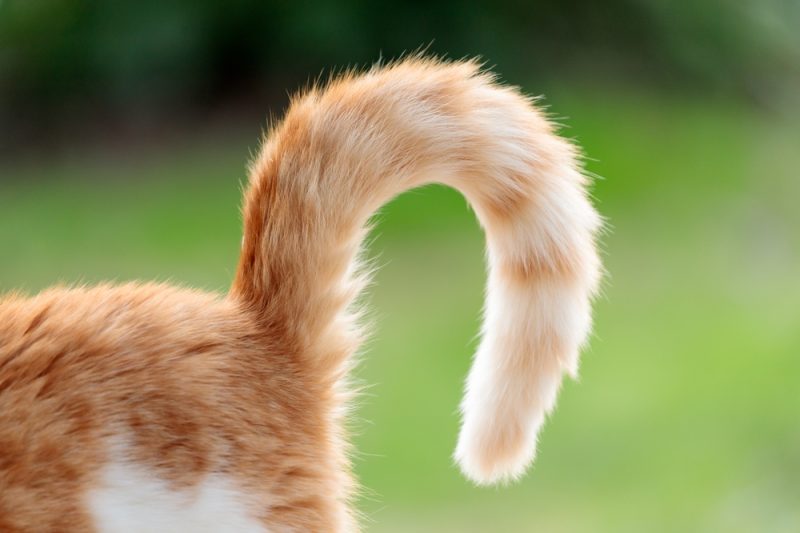
Your cat just leaped onto the bookshelf, tail streaming behind them like a banner. As they settled in, their tail curls around their paws. Youve probably never measured it, but youve definitely noticed: thats a lot of tail.And youre right to wonder. Some cats have tails that stretch nearly a foot long, while others are born with barely a stub. The difference isnt random, and its not about breed alone. It comes down to something much more fundamental: genetics.The Gene That Controls Tail LengthImage Credit: italay, ShutterstockYour cats tail length is written into their DNA before theyre even born. The main architect? A gene called the T-gene, which works alongside a transcription protein called Brachyury to determine how long the tail will grow.When the T-gene functions normally, cats typically develop tails between 8 and 12 inches long. But mutations or variations in this gene can dramatically change the outcome. Some cats end up with short, bobbed tails. Others, like the Manx breed, may have no tail at all. And then there are Maine Coons whose tails are some of the longest you will find.Its all genetics. Not mystery, not luck, just heredity doing its thing.What Cats Actually Do With Those TailsOnce you understand why a tail is long, the next question is obvious: whats it for? Turns out, quite a lot.They use it for balance. Watch a cat walk along a fence or leap between furniture, and youll see their tail working overtime. It acts like a counterbalance, shifting and adjusting to keep their body stable. When they fall, the tail helps them twist mid-air so they land on their feet.Its not magic, its physics.That said, cats without tails manage just fine. Their inner ear is incredibly sensitive and compensates for the missing appendage. Balance doesnt disappear without a tail; it just gets handled differently.They use it to communicate. A high, relaxed tail? Your cats feeling good. A puffed-up, bristling tail? Theyre spooked or defensive. A slow swish might mean theyre annoyed, while a fast thrash signals serious irritation.Tail language is just one piece of the puzzle to how cats communicate. Ears, whiskers, and vocalizations all contribute, but the tail is the big one. Learning to read your cats tail can help you understand their mood before they hiss, swat, or bolt under the bed.They use it for hunting. Even if your cats prey drive peaks at chasing a laser pointer, their tail still supports those instincts. During a pounce or a sharp turn, the tail acts as a rudder, helping them stay agile and precise. Without it, those quick pivots and sudden stops would be a lot harder to pull off.Breeds Known for Long TailsCertain breeds are famous for their especially long, elegant tails:American ShorthairBalineseChartreuxCornish RexEgyptian MauMaine CoonNebelungSavannahScottish FoldMaine Coons, in particular, are known for their dramatic tails. The current world record belongs to Altair Cygnus Powers at 16.07 inches. His half-brother, Cygnus Regulus Powers, held the previous record with a tail measuring 17.58 inches.Image By: Mekong bobtail chocolate point, Cofein Pride cattery by Alex Opryatin licensed by CC 3.0Can a Cat Live Without a Tail?Yes. If a tail is badly injured, say, caught in a door or damaged in an accident, a vet may recommend amputation. Cats adapt remarkably well. They relearn balance, adjust their movements, and go on living full, active lives.But tail injuries shouldnt be dismissed. Pulling or yanking a cats tail can cause serious harm: nerve damage, blood clots, bowel issues, and even chronic pain. Some cats develop a condition where they feel phantom sensations near the tail area and may bite or scratch at themselves compulsively.Bottom line: treat your cats tail with care. Its not a handle, and its far more fragile than it looks.Every Tail Is DifferentAnd Thats the PointWhether your cats tail is long, short, kinked, or absent entirely, its shaped by genetics and serves a purpose. Long tails offer advantages in balance and communication, but cats without them adapt beautifully. What matters most isnt the lengthits understanding that your cats tail, however it looks, is a finely tuned part of who they are.So next time you see that tail flicking or curling or swishing behind them, remember: its doing more than you think.Feature Image Credit: olivier.laurent.photos, ShutterstockDid You Know? Our brand-new posts are rounded up and included in our weekly emails. Dont miss out on the latest sign up for our newsletter below!




 English
 Arabic
 French
 Spanish
 Portuguese
 Deutsch
 Turkish
 Dutch
Dutch
 Russian
 Romaian
 Portuguese (Brazil)
 Greek
Greek