


WWW.DOGINGTONPOST.COM
How to Find the Most Interesting Dog Articles Online
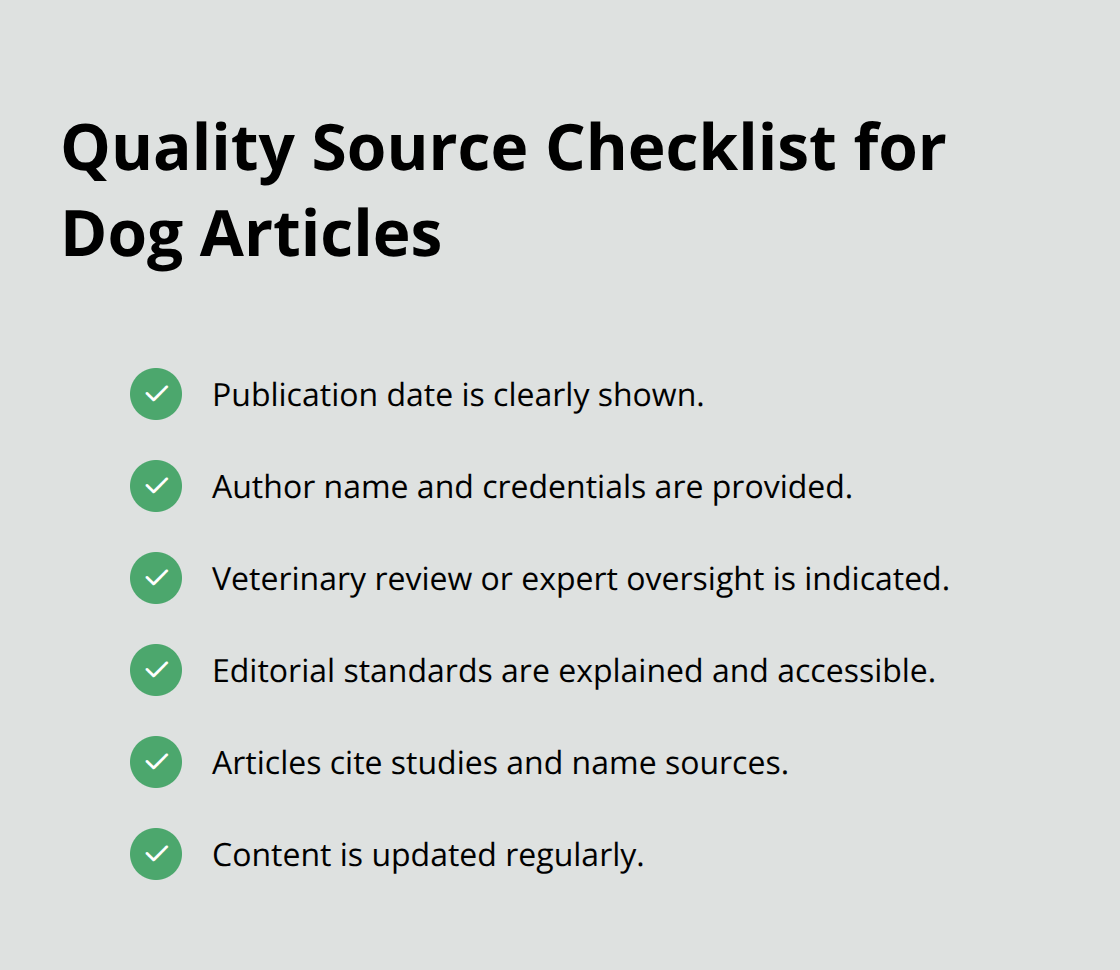
Finding interesting dog articles online shouldnt feel like searching for a needle in a haystack. The internet is flooded with dog content, but not all of it is worth your time.At DogingtonPost, weve learned that knowing where to look and how to spot reliable information makes all the difference. This guide walks you through the best sources and practical strategies for finding dog articles that actually matter.Where to Find Quality Dog ContentEstablished Dog Blogs and WebsitesEstablished dog blogs and websites should be your starting point because they employ editors and veterinary consultants who fact-check content before publication. Whole Dog Journal offers well-researched, in-depth articles about all aspects of dog care and training. Canine Journal earns recognition from Forbes, Readers Digest, and The Washington Post for its dog gear reviews, breed guides, and health coverage. The American Kennel Club maintains about 200 breed profiles and offers expert advice on grooming, training, and health. Adopt A Pets blog emphasizes adoption guidance and senior dog ownership, while iHeartDogs covers breeds, health, nutrition, and product reviews. These sources share a common trait: they cite studies, include author credentials, and update content regularly.Avoid blogs that lack publication dates, author information, or veterinary review. These red flags signal that the site prioritizes clicks over accuracy. Quality sources make their editorial standards transparent, so you can verify who wrote the article and what qualifications they hold.Community Forums and Social MediaSocial media communities like r/dogs on Reddit serve as starting points for dog owners seeking advice. The subreddits Top Posts section reveals what thousands of dog owners found genuinely useful, though you should always verify forum-derived tips with credible professionals before applying them to your dogs care. Treat forum posts as conversation starters rather than final answers. Public access means content spreads widely, so misinformation can circulate quickly without fact-checking.Mainstream News Outlets and Peer-Reviewed SourcesMainstream news outlets with dedicated pet coverage offer another reliable layer. The Washington Post, CNN, and NBC News publish veterinary Q&As, recalls reporting, and investigative pieces with established fact-checking standards. These outlets employ journalists who verify information with veterinary organizations before publishing.For health and behavior claims, peer-reviewed sources matter most. The Journal of the American Veterinary Medical Association, PubMed, and the American Animal Hospital Association guidelines provide evidence-based information that filters out opinion-driven content. Cross-check any significant health claim across at least three independent sources before trusting it (this multi-source verification approach catches misinformation quickly and protects your dog from harmful advice circulating online).Google News Alerts configured for specific terms like dog food recall or canine health outbreak deliver breaking news directly to your inbox, ensuring you catch important safety updates faster than general searches. This strategy keeps you informed without requiring constant manual checking.How to Identify Reliable Dog InformationFind the Author and Their CredentialsSpotting a credible dog article takes three practical checks you can complete in under two minutes. Start by locating the authors name and credentials. Articles written by veterinarians with DVM credentials, certified professional dog trainers holding CPDT certification, or journalists with established bylines carry real weight. The American Animal Hospital Association and the Journal of the American Veterinary Medical Association only publish content reviewed by board-certified specialists, which is why these sources matter. If an article omits the authors name or lists credentials as vague as dog lover or pet enthusiast, skip it. Quality publishers display author information prominently because they stand behind their work. Websites that hide authorship hide accountability.Trace the Sources and CitationsHunt for actual sources within the article itself. Strong dog articles cite specific studies, mention which veterinary organization published guidelines, or link directly to research. When an article claims that dogs have 220 million olfactory receptors compared to humans 5 million, it should cite where that data comes from. Articles making health claims without referencing the AVMA, Merck Vet Manual, or PubMed studies are guessing, not reporting. Count the citations: articles with three or more named sources beat those with zero every time. This simple metric separates opinion from evidence-based reporting.Cross-Check Claims Across Multiple SourcesVerify claims across multiple independent sources before accepting them as fact. If one blog claims a certain training method works but three other established sources dont mention it, thats a red flag. The Washington Post and CNN maintain fact-checking standards that catch errors before publication, so when mainstream outlets cover dog topics, theyve already completed verification work. This three-source rule protects you from adopting advice that sounds reasonable but lacks real evidence. Before trusting any significant health or training claim, evaluate their credibility and accuracy across multiple outlets, and youll filter out misinformation that circulates widely online.Tools and Strategies for Discovering Dog ArticlesUse Targeted Search Terms and FiltersEffective dog article searches require precision instead of vague queries. Generic searches like dog health return millions of results, most irrelevant to your needs. Pair breed names with specific actions: search French Bulldog breathing problems study or Golden Retriever hip dysplasia research to surface articles addressing your exact concern. Add date modifiers like past month or past year to filter out outdated advice that no longer reflects current veterinary science. This targeted approach cuts search time dramatically and surfaces articles from established sources rather than clickbait farms. When you search for dog training methods 2025, youll find recent articles reflecting current best practices instead of outdated techniques published five years ago.Set Up Google Alerts for Dog TopicsGoogle Alerts automate the discovery process entirely, delivering breaking news directly to your inbox without manual checking. Set up alerts for specific terms relevant to your dogs life: if you own a Beagle, create an alert for Beagle health issues or Beagle training tips. If youre concerned about recalls, set an alert for dog food recall or dog treat contamination. The FDA and major manufacturers announce recalls through official channels, and Google Alerts catches these announcements faster than scrolling social media. Configure alerts for canine influenza outbreak or pet legislation changes to stay informed about emerging threats affecting dog owners. Most people miss critical safety information simply because they dont know it exists; Google Alerts solves this problem by pushing important updates to you automatically.Subscribe to Newsletters from Trusted Dog ResourcesNewsletter subscriptions from trusted sources like the American Kennel Club, Whole Dog Journal, and iHeartDogs deliver curated content weekly or monthly, eliminating the need to hunt for quality articles yourself. These newsletters filter thousands of published pieces down to the most valuable ones, saving hours of research time. Quality newsletters include author credentials and source citations, maintaining the same standards as their websites. Try subscribing to three to five newsletters from sources youve already verified, then unsubscribe from any that drift toward clickbait or unverified claims (this subscription strategy transforms passive scrolling into active learning tailored to your interests).Final ThoughtsFinding interesting dog articles online becomes straightforward once you know where to look and what to evaluate. The best sources combine three elements: transparent author credentials, cited research, and regular updates reflecting current veterinary science. Established dog blogs, mainstream news outlets with pet coverage, and peer-reviewed journals form your foundation because they employ fact-checkers and veterinary consultants who verify information before publication.Your evaluation process takes minutes, not hours. Check for author credentials first, then hunt for citations and sources within the article itself. Cross-verify any significant claim across at least three independent sources before trusting it-this three-source rule catches misinformation quickly and protects your dog from harmful advice circulating online. Red flags like missing publication dates, vague author credentials, or zero citations signal that a site prioritizes clicks over accuracy.Set up systems that work for you and stay informed with minimal effort. Google Alerts deliver breaking news about recalls, health outbreaks, or breed-specific concerns directly to your inbox, while newsletter subscriptions from trusted resources filter thousands of published pieces down to the most valuable ones. Visit DogingtonPost to explore engaging stories, practical care tips, and expert advice on dog health, nutrition, and lifestyle that help you find reliable information for your dogs wellbeing.
0 Comments
0 Shares
29 Views

 Arabic
 French
 Spanish
 Portuguese
 Deutsch
 Turkish
 Dutch
Dutch
 Italiano
 Russian
 Romaian
 Portuguese (Brazil)
 Greek
Greek