


WWW.CATSTER.COM
Why Cat Ear Sores Shouldnt Be Ignored (Even Small Ones)
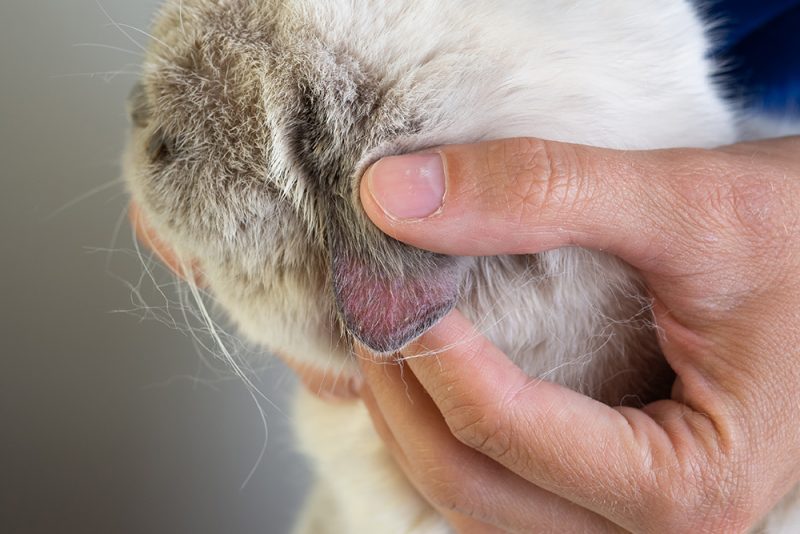
Youre giving your cat a head scratch when your fingers catch on something rough. You pull your hand back and look closer theres a scab on the edge of their ear. A crusty patch. Maybe some hair loss around it.Your first thought: How did I miss this? Your second thought: Should I be worried?The answer depends on whats causing it. Cat ear sores can develop from everything from a simple scratch to infections, parasites, or even cancer. Some heal on their own with minimal intervention. Others need immediate veterinary attention to prevent lasting damage.Perfect! That title creates urgency, so lets add a section that reinforces why even minor-looking sores deserve attention. Heres where Id add it and what it should say:Why Even Tiny Ear Sores Deserve Your AttentionImage Credit: Yaya Photos, ShutterstockHeres the thing about cat ear sores: they rarely stay small. What starts as a barely-there scab can escalate quickly because ears are delicate, highly vascularized, and notoriously difficult for cats to leave alone.A minor scratch can become infected within days. An untreated ear mite infestation can progress to a painful hematoma or chronic ear canal damage. And some of the most serious causes like squamous cell carcinoma start out looking completely benign.Cats are also masters at hiding pain. By the time your cat is showing obvious discomfort head shaking, ear scratching, avoiding touch the problem has likely been bothering them for a while. That tiny scab you just noticed? It might be the visible tip of a much bigger issue brewing inside the ear canal.Early intervention makes a massive difference. Most ear sores are highly treatable when caught early, but delays can lead to chronic infections, permanent ear damage, hearing loss, or the need for surgical intervention. Even if it turns out to be nothing serious, a quick vet check gives you peace of mind and prevents a small problem from becoming an expensive emergency.Bottom line: if you can see it, feel it, or your cat is bothered by it, its worth getting checked. Small sores dont always mean small problems.What Exactly Are Cat Ear Sores?When vets talk about ear sores in cats, theyre usually referring to wounds, scabs, crusts, or irritated skin on the ear pinna, the visible, upright part of your cats ear. This includes both the inner and outer surfaces of the pinna.A sore doesnt always mean an open, oozing wound. Some sores are hidden under scabs or crusts, while others may involve broken skin or even exposed cartilage. Swelling or masses alone arent considered sores, but they can appear alongside them.Image Credit: Lubo Ivanko, ShutterstockSigns Your Cat May Have Ear SoresCats are experts at hiding discomfort, but ear sores tend to give them away. You might notice your cat holding one or both ears down instead of upright, or constantly scratching and rubbing their head on furniture or the floor. Some cats become grumpy or avoid contact when their ears are touched.In some cases, the issue starts inside the ear canal, with dark or foul-smelling discharge appearing before any visible sores. Over time, the pinna may develop hair loss, scabs, swelling, ulcers, or discharge. Regardless of how the sore looks, most cats will clearly show theyre uncomfortable.The 7 Common Causes and Treatments of Cat Ear Sores1. Ear InfectionsEar infections (Otitis) caused by bacteria or yeast are a leading reason cats develop ear sores. The infection itself makes the ears itchy and painful, and scratching causes damage to the skin. Some infections are deep in the ear canal, meaning sores on the pinna may be the only visible clue.Treatment: Diagnosis by a veterinarian is essential. Using the wrong over-the-counter ear products can worsen the problem, damage hearing, or contribute to antibiotic resistance. Your vet will examine ear discharge and prescribe targeted medication, often with follow-up visits to ensure the infection is fully resolved.Image Credit: RJ22, Shutterstock2. Cat or Animal BitesIf your cat lives with other cats or goes outdoors, ear bites are surprisingly common. Even small puncture wounds can turn into painful sores or infections.Treatment: Minor wounds may be gently cleaned with ear-safe antibacterial solutions or medicated wipes. Swelling, discharge, or signs of illness mean its time for a vet visit, as antibiotics are often needed. Preventing future conflicts is just as important as treating the wound.3. Ear Mites and MangeEar mites live in earwax and cause intense itching and thick, dark discharge. Cats scratch relentlessly, creating sores on the ears. Other mites can cause mange, which is more common in crowded or feral cat populations.Treatment: Ear cleaning combined with prescription mite treatments is usually effective. Many vet-prescribed flea and tick preventatives also eliminate mites. If symptoms persist, a secondary infection may be present and needs veterinary care.Image Credit: Suharji Esha, Shutterstock4. Accidental TraumaEars are delicate, and cats can easily injure them on bushes, fences, furniture, or in tight spaces. Even a small scrape can turn into an open sore.Treatment: Minor wounds may heal with proper cleaning, but any signs of infection require veterinary attention. Early care helps prevent complications.5. FleasFleas cause intense itching, and cats with flea allergy dermatitis can react severely to just a few bites. While ear sores can develop, these cats are usually itchy all overnot just on their ears.Treatment: Long-term flea control using vet-prescribed products is key. In itchy cats, antihistamines or steroids may be used to control inflammation while the flea problem is addressed.Image Credit: KanphotoSS, Shutterstock6. AllergiesFood, environmental allergens, fleas, or contact irritants can all trigger itchy skin in cats. Scratching leads to self-inflicted sores, including on the ears.Treatment: Identifying the trigger is the hardest part. Flea control and food elimination trials are common first steps. Environmental allergies often require a tailored plan involving medications like antihistamines, steroids, or allergy vaccines.7. CancerSome skin cancers cause sores by ulcerating or becoming itchy enough that cats scratch them open. Squamous cell carcinoma (SCC) is relatively common and often affects lightly pigmented areas like the ears.Treatment: SCC is usually slow-growing, and surgical removal is often curative. Pinnectomy, or removal of the ear pinna, is a common procedure and results in the teddy beareared cats you may have seen.Image Credit: Yekatseryna Netuk, ShutterstockCaring for and Preventing Ear Sores at HomeIf your cat is scratching, the first step is to prevent further damage. An e-collar helps stop self-trauma and should stay on at all times, even during meals. Many modern options are lightweight and yes, even cute!Next, schedule a veterinary visit. Treatments vary widely depending on the cause, and guessing with over-the-counter products can delay healing or cause harm. Your vet may prescribe topical or oral medications and clip fur around the sore to promote healing. Only use products specifically recommended for cats, as many OTC and essential oilbased treatments are toxic to them.The Big TakeawayCat ear sores are common, but theyre never something to ignore. Whether the cause is as simple as a scratch or as serious as cancer, early diagnosis and the right treatment make all the difference. With prompt veterinary care and a little patience, most cats recover fully and get back to enjoying those head scratches again.Feature Image Credit: Yekatseryna Netuk, ShutterstockDid You Know? Our brand-new posts are rounded up and included in our weekly emails. Dont miss out on the latest sign up for our newsletter below!
0 Commenti
0 condivisioni
29 Views

 English
 Arabic
 French
 Spanish
 Portuguese
 Deutsch
 Turkish
 Dutch
Dutch
 Russian
 Romaian
 Portuguese (Brazil)
 Greek
Greek