


WWW.DOGINGTONPOST.COM
How to Adopt a Potcake Puppy
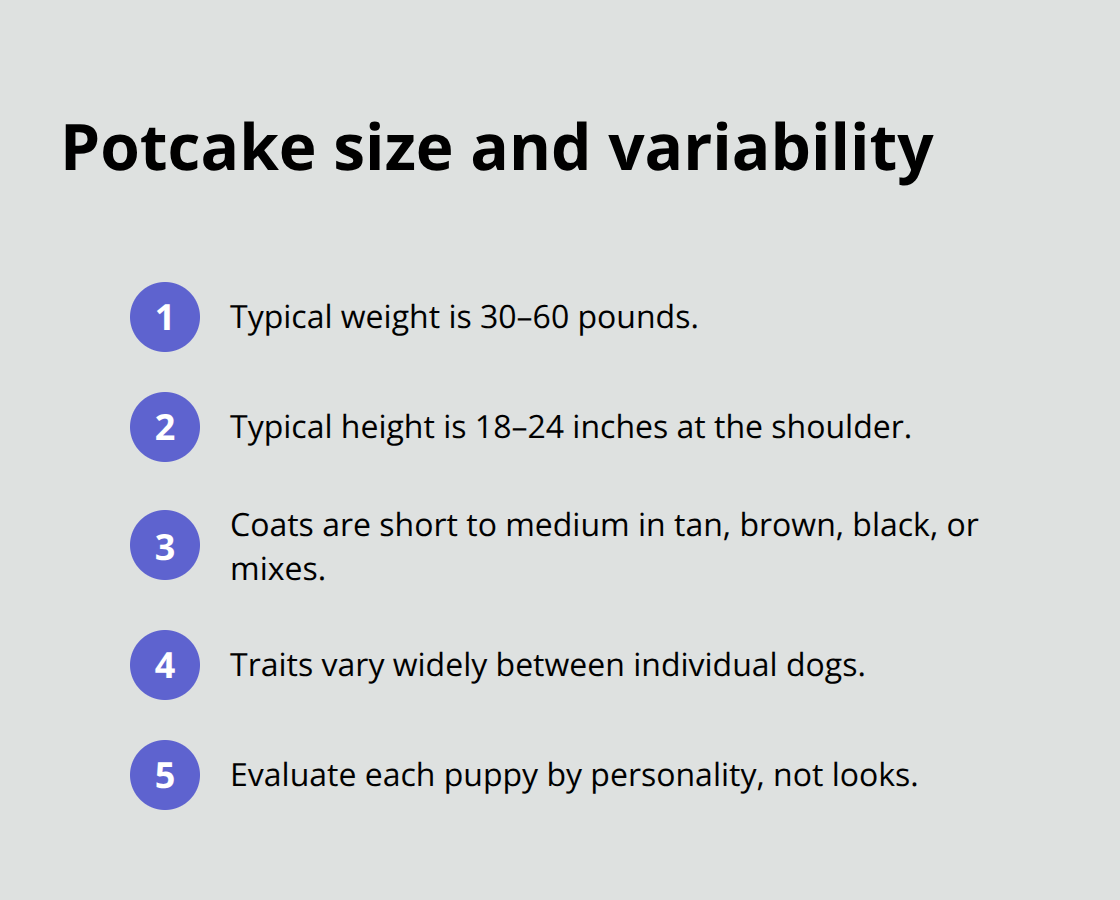
Potcake puppies are resilient, loving dogs that thrive in family homes. If youre considering potcake puppy adoption, youre making a choice that transforms both your life and a dogs future.At DogingtonPost, weve created this guide to walk you through every step of the process. From understanding the breed to bringing your puppy home, we cover what you need to know.What Are Potcake DogsPotcake dogs originated in the Caribbean, specifically across islands like Turks and Caicos, where they developed as mixed-breed street dogs adapted to tropical island life. The name potcake comes from the local practice of feeding dogs leftover rice and stew from cooking pots. These dogs arent a standardized breed with predictable genetics, which means each potcake carries a unique combination of traits. This genetic diversity in potcake dogs actually works in your favor as a potential owner because potcakes tend to be healthier than heavily inbred purebred dogs. The breeds resilience stems from natural selection on the islands, where only the hardiest dogs survived. When you adopt a potcake, you get a dog shaped by generations of island life, which translates to adaptability and durability in family homes.Physical Traits Vary SignificantlyPotcakes typically weigh between 30 to 60 pounds and stand around 18 to 24 inches tall, though individual dogs fall outside these ranges regularly. Their coats range from short to medium length, appearing in colors like tan, brown, black, or combinations thereof. What matters more than appearance is understanding that potcakes are mixed breeds, so you wont have the predictability of a purebred. One potcake might have high energy levels that require extensive daily exercise, while another from the same rescue organization might be calm and content with moderate activity. This unpredictability isnt a flaw; it means you need to evaluate each individual puppy based on its actual personality rather than breed stereotypes. Potcake Place describes dogs individually on their adoption posts, noting specific traits like energy levels, anxiety triggers, and cuddle preferences. This approach helps you find a genuine match instead of guessing based on appearance alone.Socialization Shapes Their TemperamentMost potcakes benefit tremendously from early socialization in potcake puppies, which occurs during the critical social development period. Exposing young puppies to different environments, people, and other dogs during these critical early weeks prevents behavioral problems later. Without proper socialization, potcakes can develop anxiety or reactivity, particularly around unfamiliar situations. The fact that Potcake Place operates a foster program means puppies spend their early weeks in home environments rather than kennels, which gives them real-world exposure before adoption. This head start in socialization significantly improves their adjustment to your household. When you adopt a potcake puppy, you get a dog that has already experienced human interaction, multiple environments, and basic household routines through foster care.What to Expect From Individual PuppiesEach potcake puppy arrives with its own personality and needs, which is why rescue organizations like Potcake Place match dogs to specific households rather than allowing you to reserve a puppy before your application receives approval. The rescue process includes background checks and questions about your living arrangements to ensure a good fit. Potcake Place describes each puppy individually so you understand what youre bringing home. Some puppies might need quiet households due to anxiety, while others thrive in active, bustling environments. This individualized approach means youre not adopting a breed stereotype; youre adopting a specific dog with specific needs. Understanding these differences before you commit helps you prepare your home and lifestyle appropriately for the puppy youll welcome.Finding and Adopting a Potcake PuppyThe Application-First ApproachPotcake Place operates as a registered charity in Turks and Caicos with a straightforward adoption model that works differently than many traditional shelters. The organization has approximately 40 puppies in foster care at any given time, with over 90 dogs total in their care across the island. Unlike rescues that let you browse and reserve a specific puppy from photos, Potcake Place requires you to submit an application first. Only after approval does the rescue show you puppy photos and discuss which dog matches your household. This screening process includes background checks and detailed questions about your living arrangements, which means the rescue actively works to prevent mismatches rather than simply moving dogs out the door. The application-first approach filters out impulse adoptions and ensures that each puppy goes to a home genuinely prepared for the commitment.You must be at least 25 years old to adopt, and all adults in your household must consent to the adoption. If you rent, youll need documentation showing your landlord allows dogs. Potcake Place operates entirely through volunteers and donations, so responses to applications typically take time but reflect genuine care in the matching process.Travel Logistics and Health RequirementsOnce your application receives approval, the rescue coordinates travel logistics for getting your puppy home. Potcake Place operates a courier program where volunteers transport puppies to adopters in North America at no cost, with pups traveling to your nearest airport. Some puppies can fly on commercial airlines if they meet CDC requirements. This means many puppies travel via private jet courier instead, with Potcake Place actively advocating to improve this process.Each adopted puppy arrives with a veterinary health check, age-appropriate vaccines, worming treatment, medical records, and a health certificate. The CDC import process adds steps but protects public health, so plan for these timelines when expecting your puppy. After your puppy arrives home, schedule a veterinary check within the first week and establish monthly heartworm and flea/tick prevention immediately.Costs and Financial PlanningPotcake Place covers no adoption fees, but youll pay for travel-related costs, microchipping at approximately $50, and spay/neuter procedures ranging from $150 to $200. Many adopters also make donations to support the rescues ongoing work with island dogs. Understanding these expenses upfront helps you budget appropriately for your new family member.Preparing Your HomeBefore your puppy arrives, puppy-proof your home by removing hazards, securing electrical cords, and establishing a designated sleeping area with a crate or carrier. Stock supplies including food bowls, an airline-approved carrier for future travel, toys, and cleaning supplies for accidents. The foster experience means your puppy has already lived in a home environment, so maintaining consistent routines and continuing socialization prevents regression in their development. With your home ready and your puppy on the way, youll want to understand exactly what your new companion needs to thrive once they arrive.What Your Potcake Puppy Needs to ThriveEstablishing Feeding RoutinesYour potcake puppys first weeks at home set the foundation for their entire life with you. Feed your puppy three to four times daily until around six months old, then transition to twice-daily meals as they mature. Potcakes dont have breed-specific dietary needs, so high-quality commercial puppy food formulated for their expected adult size works well. Look for foods that list meat as the first ingredient and contain appropriate calorie levels for growth. The amount varies by individual puppy size, so follow the feeding guidelines on your foods packaging and adjust based on your vets recommendations during that first-week checkup. Your veterinarian will evaluate your puppys body condition within the first seven days and suggest portion sizes tailored to their growth trajectory. Consistent feeding times at the same locations prevent confusion and support housebreaking efforts. Water should always remain available, though some owners restrict it two hours before bedtime to reduce nighttime accidents.Training and Socialization During Critical WeeksTraining and socialization happen simultaneously during your puppys critical development window. Potcake Places foster program exposes puppies to home environments before adoption, but your household presents new situations that require continued exposure. Take your puppy to different locations, introduce them to various people of different ages and appearances, and arrange supervised meetings with vaccinated dogs. Inconsistent socialization during weeks eight through sixteen leads to anxiety and reactivity later, so prioritize this over advanced obedience training initially. Start housebreaking immediately with consistent outdoor schedules, typically after meals, naps, and playtime. Puppies typically can hold their bladder one hour per month of age, so an eight-week-old puppy needs outdoor access roughly every two hours. Crate training supports housebreaking since dogs naturally avoid soiling their sleeping areas. Use positive reinforcement exclusively; potcakes respond poorly to harsh corrections and shut down mentally when intimidated. Your veterinarian can recommend certified trainers in your area who use reward-based methods appropriate for rescue puppies.Vaccination and Prevention SchedulesHealthcare starts before your puppy arrives home. Potcake Place provides initial vaccines and worming, but your vet determines the complete vaccination schedule based on what was already administered. Most puppies need booster shots at three to four week intervals until sixteen weeks old, protecting against distemper and parvovirus. Schedule heartworm and flea prevention to start immediately upon arrival; heartworm prevention costs under twenty dollars monthly while treatment can range from around $600 to more than $3000. Spay or neuter surgery typically occurs around five to six months old, preventing reproductive cancers and unwanted litters. Ask your vet about microchipping during this procedure to reduce costs. Some vets include microchip registration in their spay-neuter package, so confirm whats covered before the procedure. Establish a relationship with an emergency veterinary clinic now, not during a crisis, since potcakes sometimes develop unexpected health issues that require after-hours care. Keep detailed records of all medical treatments, vaccines, and medications (stored in one location) for reference during future vet visits.Final ThoughtsAdopting a potcake puppy transforms your household and saves a dogs life on the Caribbean islands where they struggle to survive. The commitment you make extends far beyond the first excited weeks at home, spanning 10 to 15 years of daily feeding, regular vet visits, preventive medications, and ongoing socialization. This isnt a casual decision or a gift to surprise someone with later-your puppy depends on you for stability, patience, and unconditional support throughout their entire life.The financial responsibility continues long after adoption, with annual veterinary exams, heartworm and flea prevention, emergency care, and quality food adding up significantly over a decade. Beyond the initial microchip ($50) and spay-neuter costs ($150$200), honest financial planning prevents situations where owners surrender dogs due to unexpected expenses. Organizations like Potcake Place provide ongoing support after adoption, answering questions about behavior, training, and health concerns while maintaining communities where adopters share experiences and advice.Your potcake puppy adoption journey begins when you bring your dog home, not when it ends. Visit DogingtonPost for expert guidance on training, nutrition, health, and lifestyle topics that keep your potcake thriving through every stage of ownership.
0 Comments
0 Shares
27 Views

 Arabic
 French
 Spanish
 Portuguese
 Deutsch
 Turkish
 Dutch
Dutch
 Italiano
 Russian
 Romaian
 Portuguese (Brazil)
 Greek
Greek