


WWW.THECOLLECTOR.COM
5 Victorian Christmas Traditions That Created the Christmas We Know
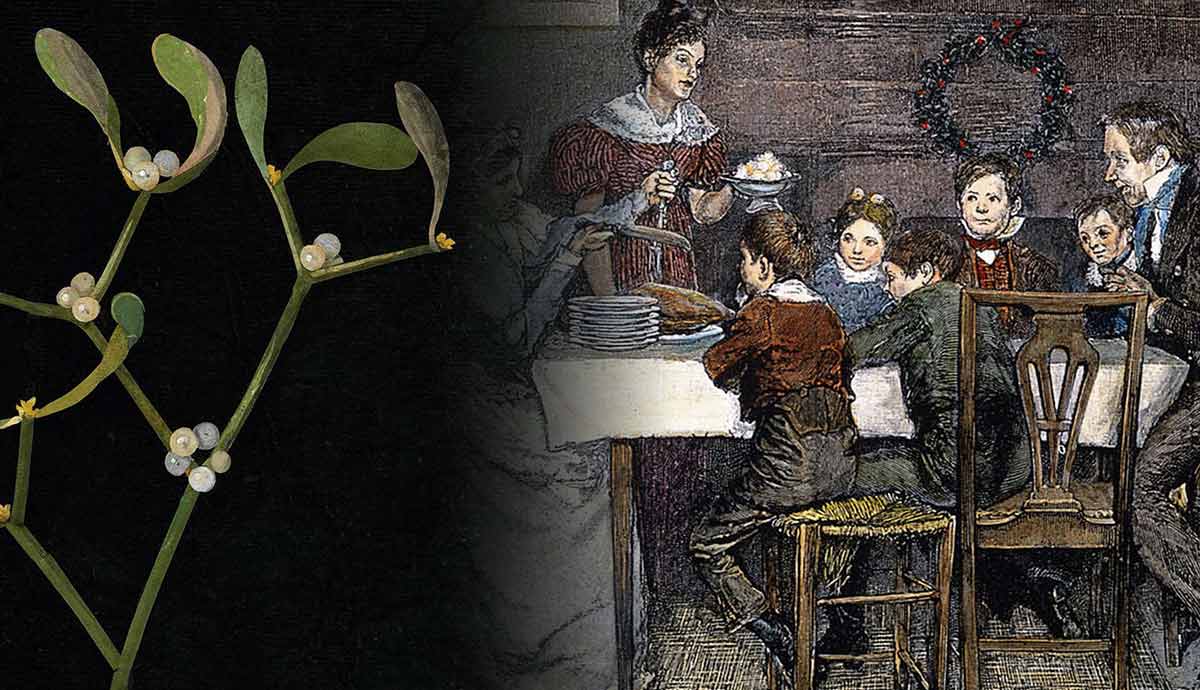
Throughout the 19th century, the Victorians grew utterly obsessed with Christmas. New Christmas traditions and treats were made popular by the royal family and soon caught on in ordinary Victorian homes. Many of these are still favored today. But which of our favorite Christmas traditions can we credit to the Victorians? Read on to find outChristmas in the Victorian PeriodChristmas tree, photo by Elliott B. Source: UnsplashOne of the major cultural shifts within the Victorian Period was introduced as a result of the Industrial Revolution. With more employment than ever before in factories across the country, workers rights were considered in Parliament. The 1833 Factory Act established Christmas Day (Dec 25) and Boxing Day (Dec 26) as official holidays for working people, which marked a major shift in celebration conventionsthough this did still vary depending on employer policies. December 26 became colloquially known as Boxing Day because servants and working people would open Christmas boxes from their employers, which included giftsoften of food and drink.Gifts, too, became more accessible for the middle classes as industrialization transformed how goods were made. Factories replaced the small workshops that made hand-made toys, allowing for toys to be produced quickly and in far greater quantities than before. Items like skipping ropes and wooden trains were more readily available for giving as Christmas presents.This shift also changed how families approached Christmas. With an expanding market of affordable items on offer, gifting became a more central part of the season, especially for children. Stores and markets began to display arrays of dolls, puzzles, games, and novelty items, encouraging a culture of browsing and buying in the weeks before Christmas.As these new consumer habits took hold, Christmas began to feel more structured and celebratory than it had in earlier generations. Households paid greater attention to decorating their homes, sharing special meals, and observing rituals that marked the holiday as distinct from the rest of the winter calendar. This atmosphere of anticipation and celebration created fertile ground for new customs to flourish.1. The Christmas TreeThe royal family decorate a Christmas tree, from Illustrated London News, 1848. Source: Ashmolean MuseumThe monarch, Queen Victorianamesake of the eradelighted in Christmas. In large part, this was thanks to her husband, Prince Albert. Having moved to England to marry the queen, Albert brought many of the traditions of his Germanic heritage along with him.One of these traditions was the humble Christmas tree, which originated in 16th-century Germany, evolving out of early German customs such as the paradise tree (a fir tree adorned with apples for Adam & Eve day).Queen Charlotte, the wife of King George III, was from Germany and first introduced a Christmas tree to Windsor Castle in 1800. The tradition caught on among the upper classes, but didnt reach much wider until Prince Albert married Queen Victoria, and an image of the family around a decorated tree was published in the December 1848 Christmas Supplement to the Illustrated London News. The image depicted Queen Victoria, Prince Albert, and their family members admiring the Windsor Castle Christmas tree, decorated with ornaments and lit candles. The tradition caught on! The image was hugely popular and influenced many to bring evergreens inside their homes to be decorated.Since lit candles posed obvious fire risks, less hazardous decorations included gingerbread, stars, ribbons, cakes, and candied fruits as well as hand-made decorations made from paper and card.Together, these developments reshaped the season into a shared cultural event, with an emphasis on a domestic togetherness that was rich with ritual.2. Christmas CrackersChristmas Crackers, by Nick Fewings. Source: UnsplashLondon confectioner Tom Smith invented Christmas crackers in 1847. Smith ran a popular sweet shop and visited Paris on a sourcing trip. While there, he learnt of the French custom of giving children bonbons. These sweets of sugared almonds wrapped in twisted colored paper often contained a loving message inside.Smith spotted the marketing potential of a sweet with a hidden message and brought the idea back to England for his own business. He experimented with the contents, and replaced the bonbon with toys or trinkets.The experimentation led him to design a snap mechanism which triggered when the wrapping was pulled open. The mechanism was made of two layered strips of paper, with silver fulminate on one side and an abrasive surface on the other. When pulled, the friction caused an explosion. Smith called it the Bangs of Expectation, but thanks to the onomatopoeic cracking noise, it soon became known as a cracker.3. Gift-GivingChristmas Presents, photo by Mel Poole. Source: UnsplashQueen Victoria adored presents, both the giving and the receiving. She insisted that unwrapped presents should be spread out across tables, so they could be seen and enjoyed. Although gift-giving in winter is a very ancient practice, it was popularized by the Victorians.The royal household gave gifts to all their staff on Christmas Eve; this could be anything from small trinkets to books or clothing. The most lavish gifts were from Victoria and Albert to one anotherjewelry, art, even puppies, were regularly exchanged.Ordinary Victorians would not have experienced the same luxuries, though small tokens were often exchanged on Christmas Eve.4. Christmas DinnerThe Cratchits Christmas dinner in Dickenss A Christmas Carol, as illustrated by E. A. Abbey, 1872. Source: Library of CongressChristmas Dinner was a growing tradition in the Victorian Era, again popularized by the royals.The Christmas Luncheon of the royal household was a multi-course extravaganza. Queen Victoria and Prince Albert dined on courses of pies, soups, turkey, goose, sausages, plum puddings, and mince pies.Many Victorian families re-created the Christmas Dinner in their own ways. Some joined a goose club created by local butchers, which incentivized the purchase of birds for roasting by introducing payment plans, so that buyers could pay for their goose in installments throughout the year.Christmas dinner, photo by Krackenimages. Source: UnsplashIn Charles Dickenss A Christmas Carol, the impoverished Cratchit family finds joy in the smallness of their feast:There never was such a goose. Bob said he didnt believe there ever was such a goose cooked. Its tenderness and flavour, size and cheapness, were the themes of universal admiration. Eked out by apple-sauce and mashed potatoes, it was a sufficient dinner for the whole family; indeed, as Mrs Cratchit said with great delight (surveying one small atom of a bone upon the dish), they hadnt ate it all at last! Yet everyone had had enough, and the youngest Cratchits in particular, were steeped in sage and onion to the eyebrows!In half a minute Mrs Cratchit entered: flushed, but smiling proudly: with the pudding, like a speckled cannon-ball, so hard and firm, blazing. In half of half-a-quartern of ignited brandy, and bedight with Christmas holly stuck into the top, Oh, a wonderful pudding Bob Cratchit said, and calmly too, that he regarded it as the greatest success achieved by Mrs Cratchit since their marriage. Mrs Cratchit said that now the weight was off her mind, she would confess she had had her doubts about the quantity of flour. Everybody had something to say about it, but nobody said or thought it was at all a small pudding for a large family. It would have been flat heresy to do so. Any Cratchit would have blushed to hint at such a thing.5. MistletoePaper collage by Mary Delany, 1789. Source: Wikimedia CommonsKissing under the mistletoe had become popular in the centuries before the Victorian Era. However, Victorian tradition introduced superstition to the custom. It was said that any maiden who refused the offer of a kiss under a hanging bough of mistletoe would not be married in the following year.This was made all the more menacing as the mistletoe plant was symbolic of romance, love, and fertility. Victorians created kissing balls out of sprigs of mistletoe and evergreens, arranging them in elaborate spheres for hanging in a doorway or a stairwell.
0 التعليقات
0 المشاركات
15 مشاهدة

 English
 French
 Spanish
 Portuguese
 Deutsch
 Turkish
 Dutch
Dutch
 Italiano
 Russian
 Romaian
 Portuguese (Brazil)
 Greek
Greek