


WWW.THECOLLECTOR.COM
What Were Feasts Like in the Tudor Court?
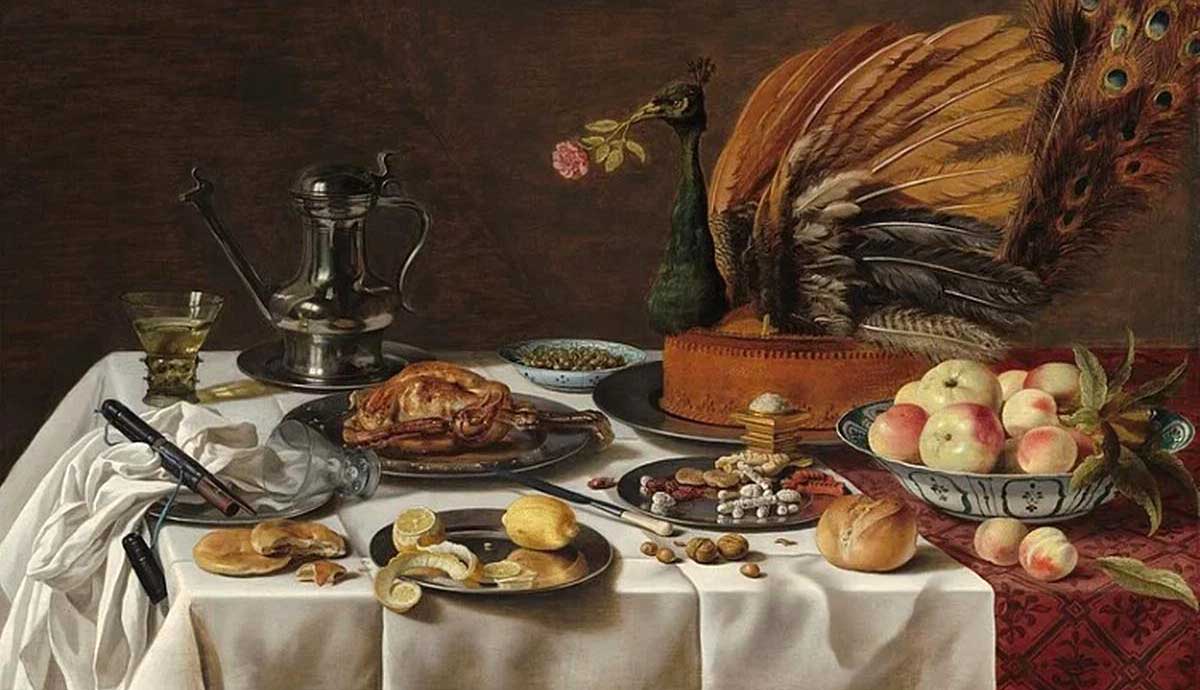
Tudor Englands royal court was a center for culture, politics, and food. The royal court displayed the wealth and influence of the Tudor monarchy, especially when King Henry VIII reigned. The feasts served there reflected the season and the bounty of the land, revealing layers of culinary history that shaped both the palate and societal norms. Food availability in Tudor England was not just a matter of extravagance. The diet was influenced by seasons and geography, forcing the court to adapt its culinary offerings in response to the harvest. Still, they did have more availability than the common peasant. This connection to the natural world created a rich and varied dining culture. In order to understand this, it requires a deeper look into royal menus, popular dishes, and available ingredients.Banquets at the Tudor CourtHampton Court. Source: Wikimedia CommonsThe wealth of the court meant good food day-to-day. However, one part of the splendor of the Tudor Court was the feasts and festivals, such as Christmas. Course after course was brought in, with food going from basic to more extravagant. Besides traditional items like lamb, a version of macaroni and cheese, and meat pies, there were more expensive and exotic style dishes. Menu items also featured items that were in season, something that has come back in trend in modern restaurants. During a winter feast, one might find venison paired with preserved fruits, while a summer banquet could include fresh peas and berries served in flavored syrup.Food was a way to show off the wealth and importance of the Tudor Court, but its presentation was key; dishes were often decorated like sculptural works of art, with some meals showcasing edible decorations that resembled ships or animals. One theatrical performance was baking a hollowed pie that were then filled with live birds. The pie would be cut and the birds would dramatically fly out to the delight of the guests.Eating at the Tudor CourtQueen Catherine of Aragon, by Lucas Horenbout, 1525. Source: Wikimedia CommonsOutside of the fancy parties and banquets courtiers still enjoyed regular meals, usually without the king who would eat alone or with only a few guests. You could eat twice a day, at 10:00 AM and 4:00 PM. Meals could top at around 5,000 caloriescertainly contributing to Henry VIIIs waist expanding from 32 inches to 56. Surprisingly, there were no forks these were reserved as serving utensils, and since fingers were a large part of eating there were rules to help prevent people from touching communal food that others would eat. You had to make sure to clean your hands before coming to eat. Spoons and knives werent provided by the court; you were expected to bring your own. There were other rules to follow to in order to behavior properly. Like today, wiping sweat onto a napkin or using it to blow your nose was considered rude.Food That Was AvailableCandied fruit, something found in the Tudor time-period. Source: WHAWith better access than most at a wide range of ingredients what were some of the normal everyday staples? Red meats such as venison, beef, and wild boar were utilized. For example, one year in Queen Elizabeths reign had receipts that totaled 8,200 sheep, 2,330 deer, 1,870 pigs, 1,240 oxen, 760 calves, and 53 wild boars. Birds like pheasant, partridge, and quail, were commonly enjoyed, and of course fish.The royal courts access to fruits and vegetables fluctuated with the seasons. Root vegetables like turnips and carrots were year-round, while summer heralded an array of fresh produce, including peas, beans, and strawberries. Herbs were also grown.Spices were signs of wealth and opulence in Tudor dining. They had sugar from Cyprus and various spices from trade routes with China, Africa, India and like cinnamon and cloves, hard to imagine when now any grocery store has cinnamon on its shelves.Bread was served as the cornerstone of Tudor meals. There were significant differences in quality; common folk ate coarse rye bread while nobles savored fine white bread. This was due to grain costs. Grains used in baking included wheat and barley.Favorite Royal DishesPortrait of Henry VIII. Source: National Portrait GalleryArtichokes were an item on the menu during King Henry VIIIs reign, since he loved them. His first wife Catherine of Aragon enjoyed seal or porpoise. This would be roasted and served with mustard. She also had orange marmalade, a special treat as the oranges that she had from Spain were not able to grow in the cold English climate. Anne Boleyn hinted at a pregnancy by talking about an intense craving for apples.One example of a royal menu from the Tudor Court included the following:First Course:Cheat Bread and Manchett,Beare and AleWyne,Flesh for Pottage (thick broth),Chines of Beef,Venison in Brewz or mult,Pestells of Reed Deere,Carpes of Young Veale in Arm farced,Custard garnished, or FrittersSecond Course:Jelly, Ipocras, Creames of Almonds,Pheasant, Hern, Bitterne, Shovelard,Cocks, Plovers or Gulles,Larkes or Rabbits,Venison in fine past,Tarts, FritterThe availability of sugar in the Tudor Court meant desserts played a key feature in the menu. King Henry VIII was also known to eat sweet preserves.Foods That Were Not Available in EnglandChristmas Pie, by William Henry Hunt, 1847. Source: Wikimedia CommonsMuch of what was available was dictated by the climate and weather. What could be grown locally, what could be farmed or hunted, or what could be imported easily meant it could be on the menu. While sugar and spices traveled easily over great distances, meats and fresh produce could not. Winter menus featured preserved items while summer offerings celebrated fresh ingredients. The lack of fresh foods in colder weather challenged cooks to innovate with what was available. By studying menus, diaries, and other written accounts of what was eaten it can tell us items that were often available at court.Since Queen Catherine of Aragon loved oranges, citrus fruits such as oranges and lemons were around in the Tudor time period, but only for special occasions or if they were preserved. They never would have made an appearance at common tables as they do today.
0 Comments
0 Shares
16 Views

 Arabic
 French
 Spanish
 Portuguese
 Deutsch
 Turkish
 Dutch
Dutch
 Italiano
 Russian
 Romaian
 Portuguese (Brazil)
 Greek
Greek