


WWW.THECOLLECTOR.COM
How US Women Won the Right to Vote With the Nineteenth Amendment
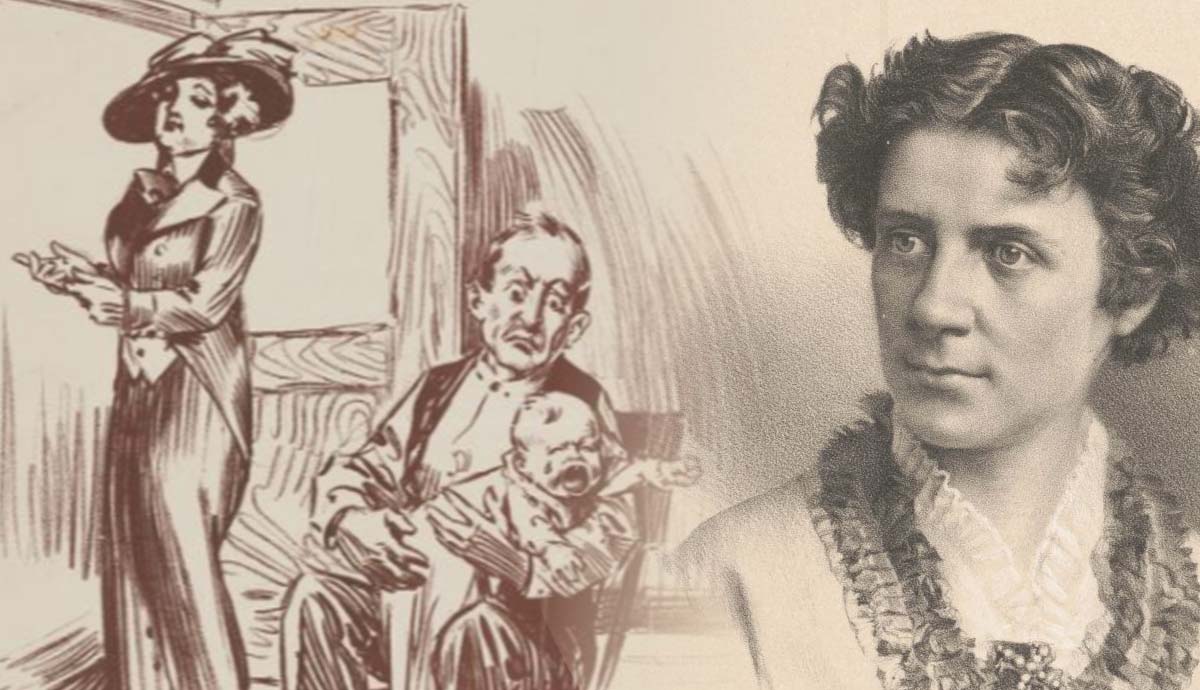
When the US officially became an independent country, voting was restricted to property-owning white men. It wasnt long before other groups began demanding an equal voice in the fledgling democracy. Beginning a decade before the Civil War, the womens suffrage movement would battle for more than 70 years to secure voting rights for womenas well as grappling with internal issues that at times threatened to derail the movement entirely.19th Century: The Early Push for SuffrageReport of the Womans Rights Convention, held at Seneca Falls, New York, July 19 and 20, 1848. Proceedings and Declaration of Sentiments. Source: Library of CongressThough there were undoubtedly women calling for voting rights from the outset, the beginning of the formal suffrage movement is generally regarded as the Seneca Falls Convention. Held on July 19, 1848 and often referred to as the first womens rights convention, the event was organized by a number of women also active in the abolitionist movement.The key document resulting from the Convention was the Declaration of Sentiments, modeled after the Declaration of Independence and intended to secure for women the same rights and freedoms men had won when the former colonies became a sovereign nation. The signatories adopted a set of 12 resolutions calling for womens equality with men, including the right to vote. A second national convention was organized the following year, bringing together more than 1,000 participants, including famed abolitionist Frederick Douglass. Yearly meetings continued through 1860.Disrupted by the Civil War, the suffrage movement picked up in earnest in 1865 with the formation of the American Equal Rights Association, which sought universal suffragevoting rights for men and women of all races. Efforts continued to push for womens suffrage, including suffrage bills petitioned from state governments, lawsuits challenging male-only voting laws, picketing, and hunger strikes. In response, a formal amendment granting women suffrage was introduced to Congress in 1878where it would languish for four decades.The Womens Suffrage Movement: Key PlayersSeven prominent figures of the suffrage and womens rights movement, L. Schamer, L. Prang & Co., c. 1870. Source: Library of CongressLucretia Mott, a Quaker and prominent abolitionist, has long been considered the founder of the womens suffrage movement, but she worked alongside numerous other women who would become central players in the decades-long battle for voting rights. Other early key figures included Elizabeth Cady Stanton, who helped organize the Seneca Falls Convention. She was well-educated and outspoken but ultimately considered too radical and became controversial for her apparent racism, even while fighting for abolition.Stanton formed a bond with fellow suffragette Susan B. Anthony, who provided powerful support for the movement by organizing conventions, petitions, lectures, and other public events. She collaborated with Stanton and Matilda Joslyn Gage to write The History of Woman Suffrage. She was perhaps the best-known figure of the movement, with the Amendment that ultimately passed named for her.As the movement aged, new players came on the scene, including Lucy Stone, Carrie Chapman Catt, and Alice Paul, who each brought new perspectives and approaches to the movement. Stone founded the Womens Journal, a prominent voice for the suffrage movement, while Catt worked to establish international ties and helped found the International Woman Suffrage Alliance. Paul took a prominent leadership role in the movement in the 20th century, adopting more radical public actions aimed directly at Washington and with fellow activist Lucy Burns is often credited with engineering the final push that secured womens suffrage. Unfortunately, she also, on numerous occasions, segregated or excluded prominent Black activists in order to pander to Southern white women.1864 portrait of Sojourner Truth. Source: Library of CongressPauls actions embody one of the suffrage movements most persistent failings: recognizing Black womens contributions. The early suffrage movement took many of its organizing and demonstration tactics from the abolition movement, and Black womennotably excluded from The History of Woman Suffrageworked tirelessly for the cause from its earliest days.Initially, Black women participated in the same organizations as their white counterparts, working side-by-side on both suffrage and abolition in the 1850s and 60s, taking on leadership roles and organizing events. Prominent activists during this period included Sojourner Truth, who delivered her famous Aint I a Woman? speech at the 1851 womens rights convention, saying, The poor men seem to be all in confusion, and dont know what to do. Why children, if you have womans rights, give it to her and you will feel better. You will have your own rights, and they wont be so much trouble.As the movement progressed, Black women often formed their own organizations, both local and national, to fight for suffrageoften because white suffragettes were minimizing their roles or discriminating against them in a bid to court Southern whites for the cause. Central figures of the later movement included Frances Ellen Watkins Harper, Mary E. Church Terrell, and Ida B. Wells, who, together with other Black suffragettes, formed the National Association of Colored Women to better address the unique needs of Black womenwho faced the dual challenges of racism and sexism. While Black and white women continued to fight together for suffrage in many arenas into the 20th century, racism continued to plague the movement, festering since its earliest days.Controversy: Votes for White Women vs. Black MenPortrait of abolitionist Frederick Douglass, 1855. Source: Metropolitan Museum of Art, New YorkIn the mid-19th century, movements seeking equal rights for Black citizens and those working toward womens equality were often intertwined and mutually supportive, sharing a common goal. Sadly, this informal coalition fell apart during the Reconstruction period with the introduction of the 15th Amendment, granting Black men the right to voteat least in theory, if not in practice.Some activists, including Stanton and Anthony, felt it was unfair for Black men to be granted the right to vote before white women. Racism and sexism both seemed to rear their heads in the debate over the proposed Amendment. At one meeting, Frederick Douglass, criticizing Stantons earlier claims that Black people were ignorant of the laws and political system, insisted that it was more urgent for Black men to have the vote because their very lives were at stakea true claim, but one Douglass seemingly failed to recognize could also be made by women, then viewed as the property of their fathers and husbands. Anthony responded, If intelligence, justice, and morality are to have precedence in the government, let the question of women be brought up first and that of the negro last.With a number of suffragettes insisting on an all or nothing approach to voting rights, a schism developed in the suffrage movement. In 1869, Stanton and Anthony formed a new activist group, the National Woman Suffrage Association, which opposed a 15th Amendment that did not include women and advocated for a number of measures to ensure womens equality, including a Constitutional amendment granting them the right to vote.A separate organization that supported the 15th Amendment, the American Woman Suffrage Association, formed that same year, focused exclusively on suffrage and began to pursue a state-by-state strategy to increase womens access to the vote without the need for an amendment. With its focused goals and inclusive membership, AWSA became the more popular organization.Five Decades of FightingAnti-suffrage propaganda insinuating that if women could vote, men might have to take care of their own children. E.H. Webb, 1914. Source: Lombard HistoryThe 15th Amendment was ratified in 1870, legally enfranchising all male US citizens aged 21 and over. Womens fight continuednot only against the men in power but also against other women. Opposition anti-suffrage organizations were founded by and often included prominent women who argued that getting involved in political issues would distract women from their natural roles as mothers and wives.While the Womens Suffrage Amendment proposed in Congress in 1878 remained stalleddespite the Select Committee on Woman Suffrage supporting its passageprogress was slowly made in securing voting rights in individual states. Wyoming was the first territory to permit women to vote in 1869 and was joined over the next two decades by the Utah, Washington, and Montana territorieswhich some suggest was a ploy to encourage women to move into the sparsely populated lands being opened up by pioneers, rather than any meaningful recognition of womens equality. Other states, while denying full suffrage, opted to allow women to vote in specific electionsfor example, school boardswhere their concerns were considered relevant.Woman suffrage in Wyoming Territory; scene at the polls in Cheyenne, from a photo by Kirkland 1888. Source: Library of CongressLawsuits continued to be filed arguing that denying women the vote was unconstitutional, including the Minor v. Happersett case, which made it to the Supreme Court. The Court, however, while recognizing the plaintiff as a citizen, declared that voting was not one of the citizenship privileges guaranteed by the Constitution. Some activists simply started registering and trying to vote, forcing polls to turn them away. Susan B. Anthony famously cast a vote in the 1872 presidential election and was later arrested and tried, bringing widespread public attention to the suffrage cause.By 1890, tensions between the two leading suffrage organizations had abated, and they merged once more, forming the National American Woman Suffrage Association, led by Elizabeth Cady Stanton. The group continued to push individual states to grant suffrage through the end of the century.20th Century: Winning the Right to VoteWomens suffrage parade in Washington, D.C., March 3, 1913. Source: National ArchivesAt the turn of the century, as women increasingly left the domestic sphere and entered the workforce, historians note an increased push for a Constitutional amendment to grant womens suffrage nationwide. An increase in activism was seen at the seat of government in Washington DC. Members of the National American Woman Suffrage Association took advantage of their annual meeting to appear at the Capitol and lobby lawmakers. Parades and marches with thousands of participants were organized in DC, New York, and other major citiesmarchers were often assaulted by bystanders with little police intervention.With many failures over the previous two decades, an increasing number of states passed laws guaranteeing womens suffrage. Still, without a nationwide right to vote established, women could only vote in 20 states by the end of the 1910s. While 1912 presidential candidate Teddy Roosevelt came out in support of womens suffrage, he ultimately lost the election, and the winner, Woodrow Wilson, opposed the initiative.The Congressional Union, once a committee of the NAWSA, broke with the organization and formed the National Womans Party. More activist and controversial, the NWP engaged in acts of civil disobedience to bring attention to the cause, including a two-year protest in front of the White House that resulted in many suffragettes being jailed, assaulted, and tortured. At the same time, World War I was bringing more women into the workforce, as well as relying on them for patriotic wartime services: serving as nurses, knitting for soldiers on the frontlines, managing their households through rationing, and sowing victory gardens.A suffragette picketing the White House, 1917-1918. Source: National ArchivesAfter more than half a century of activism, the tide began to turn. More Americans, perhaps in recognition of womens essential contributions to the war effort, favored suffrage while also being repulsed by the treatment of the suffragettes imprisoned for their peaceful demonstrations. President Wilson did an about-face and came out in support of womens suffrage in 1918, deeming it necessary as a war measure. The Amendment, first introduced in 1878, was finally approved by both chambers of Congress in 1919 and ratified by just a single vote in 1920.The passage of the 19th Amendment was a resounding victory for the equal rights movementbut hardly the end of the battle. Some women remained disenfranchised because they were not recognized as citizens, while those who had won the right to vote, particularly Black women, continued to face discrimination and encountered various forms of voter intimidation and suppression. And the ability to vote did little to dismantle the many other forms of gender-based inequality, some of which remain to this day.Following the passage of the Amendment, the NAWSA became the League of Women Voters, intended to help women undertake their new role as informed voters. In 1923, the LWV proposed the Equal Rights Amendment, demanding that Equality of rights under the law shall not be denied or abridged by the United States or by any state on account of sex. To date, it has not been adopted.
0 Commentarii
0 Distribuiri
24 Views

 English
 Arabic
 French
 Spanish
 Portuguese
 Deutsch
 Turkish
 Dutch
Dutch
 Italiano
 Russian
 Portuguese (Brazil)
 Greek
Greek