


WWW.DOGINGTONPOST.COM
How to Find Blue Heeler Puppy Adoption Options
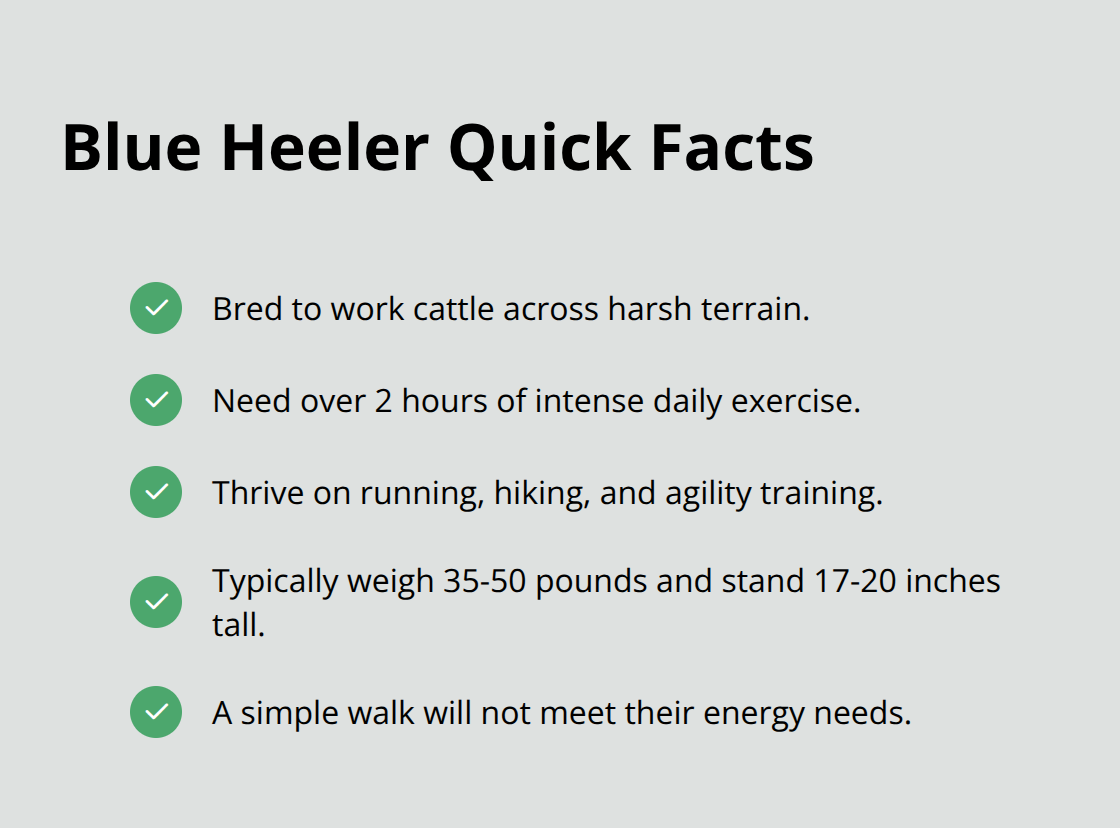
Blue Heeler puppy adoption offers a rewarding path to welcoming one of Australias most intelligent working breeds into your family. These energetic dogs need experienced owners who understand their high exercise demands and strong herding instincts.We at DogingtonPost know that finding the right Blue Heeler puppy requires careful research and preparation. This guide will walk you through the adoption process and help you make an informed decision.What Makes Blue Heelers Different From Other DogsBlue Heelers require over 2 hours of intense daily exercise, which makes them unsuitable for casual dog owners. These dogs were bred to work cattle across Australias harsh terrain and need physical activities like running, hiking, or agility training. A simple walk around the block will not satisfy their energy needs. Australian Cattle Dogs typically weigh 35-50 pounds and stand 17-20 inches tall, with males slightly larger than females (according to the American Kennel Club).Mental Stimulation Prevents Destructive BehaviorBlue Heelers need constant mental challenges to prevent boredom-related destruction. Without proper stimulation, they will create their own entertainment by chewing furniture, digging holes, or herding children by nipping at their heels. Puzzle toys, obedience training sessions, and job-like activities work best for these intelligent dogs. Early socialization becomes essential for managing their protective nature and preventing aggression toward strangers.Health Issues You Must Know AboutDeafness affects many Blue Heelers due to genetic factors linked to their coat color patterns. Progressive retinal atrophy can lead to total blindness, though vision loss is gradual, while hip dysplasia impacts joint development. The Australian Cattle Dog Rescue Association reports that many surrendered dogs suffer from untreated health conditions. Blue heelers typically live 12-15 years, but only with consistent veterinary care and proper weight management (responsible breeders and rescues test for these conditions before adoption).Why Experience Matters for Blue Heeler OwnersFirst-time dog owners often struggle with Blue Heelers demanding nature and strong-willed personality. These dogs need firm, consistent training from day one to channel their herding instincts properly. Their intelligence works against inexperienced owners who cannot provide adequate structure and leadership. Previously abused dogs require special training considerations due to fear and trust issues. Understanding these breed characteristics helps you evaluate whether adoption centers have suitable Blue Heeler puppies available for your experience level.Where Can You Find Blue Heeler Puppies for AdoptionStart With Local Animal Shelters and Municipal FacilitiesLocal animal shelters house the largest number of adoptable Blue Heelers, with more dogs coming into shelters than being adopted according to recent data. Municipal shelters often receive Blue Heelers from owner surrenders due to their high exercise demands that overwhelm unprepared families. Shelter adoption fees typically range from $200 to $500, which includes spay/neuter procedures, initial vaccinations, and microchip services. Contact shelters within a 100-mile radius of your location, as many Blue Heelers get transferred between facilities to increase adoption chances. Visit multiple shelters weekly since new arrivals happen constantly, and popular breeds like Blue Heelers move quickly once they become available.Target Breed-Specific Rescue Organizations for Better MatchesThe Australian Cattle Dog Rescue Association operates as a 100% volunteer organization that specializes in Blue Heeler placements and maintains detailed behavioral assessments for each dog. Texas Cattle Dog Rescue and similar breed-specific groups provide thorough medical care and temperament evaluation before adoption. These organizations typically charge $400 to $600 in adoption fees but offer superior health tests and behavioral preparation. Breed rescues maintain wait lists for specific age preferences, so apply early if you want a puppy under 12 months old. Foster volunteers assess each dogs compatibility with children, other pets, and activity levels, which results in better long-term placement success rates compared to general shelters.Use Online Platforms Like Chewy for Comprehensive SearchesChewy partners with shelters nationwide to showcase adoptable Blue Heelers with detailed profiles, photos, and personality assessments. Filter searches by age, size, and behavioral traits like intelligence and energy levels to find suitable matches. Petfinder and Adopt-a-Pet aggregate listings from thousands of rescue organizations (these platforms allow you to set alerts for new Blue Heeler arrivals in your area). These platforms update listings daily and often feature dogs from out-of-state rescues that arrange transport for serious adopters. Once you identify potential candidates through these searches, youll need to evaluate each puppys health records and behavioral development before making your final decision.What Should You Evaluate Before AdoptingExamine Complete Medical Records and Vaccination HistoryReputable shelters provide comprehensive health records that show all vaccinations, deworming treatments, and medical examinations performed since the puppy arrived. Request documentation of BAER hearing tests, as deafness can affect Blue Heelers. Ask specifically about hip scoring results if available, since hip dysplasia impacts this breed and can be painful and costly to treat. Avoid puppies without proper vaccination schedules or those that show signs of upper respiratory infections, which spread rapidly in shelter environments. The Australian Cattle Dog Rescue Association reports that many surrendered puppies arrive with untreated health conditions that require immediate veterinary intervention and ongoing care costs.Assess Temperament Through Direct InteractionSpend at least 30 minutes with potential puppies in a quiet area away from other dogs and distractions. Blue Heeler puppies should show curiosity toward strangers rather than excessive fear or aggression, though some initial wariness is normal for the breed. Test their response to sudden noises, paw and ear handling, and interaction with unfamiliar objects. Puppies that cower, snap, or show extreme withdrawal may have socialization deficits that require extensive rehabilitation work (well-socialized Blue Heeler puppies typically display confident body language and engage in play behavior). These puppies also recover quickly from startling experiences.Evaluate Age-Appropriate Skills and Training FoundationPuppies between 8-12 weeks should respond to their name, show basic house training progress, and demonstrate normal play behavior with littermates. Ask about any preliminary training the shelter has provided, including crate training, leash walking, and basic commands. Blue Heeler puppies that have received early handling and exposure to various environments adapt more successfully to new homes. Puppies older than 16 weeks should show more advanced social skills and basic obedience responses (those that lack these developmental milestones may require professional training intervention immediately after adoption).Final ThoughtsBlue Heeler puppy adoption saves lives while you gain a loyal companion at a fraction of breeder costs. Adoption fees of $200-500 include medical care that would cost thousands privately. You also support rescue organizations that prevent euthanasia of healthy dogs.Prepare your home with a large fenced yard and remove valuable items that energetic puppies might destroy. Stock up on puzzle toys, training treats, and durable chew items. Blue Heelers need immediate structure, so establish exercise routines and training schedules before your puppy arrives.This breed demands 15 years of daily commitment to intensive exercise and mental stimulation (Blue Heelers that dont receive adequate activity become destructive and difficult to manage). Budget for ongoing veterinary care, professional training, and potential health issues like hip dysplasia or hearing problems. We at DogingtonPost believe informed adoption decisions create successful partnerships between families and their Blue Heeler companions. For more expert advice on dog ownership, visit our comprehensive resource platform that supports responsible pet care and canine welfare advocacy.
0 Commenti
0 condivisioni
21 Views

 English
 Arabic
 French
 Spanish
 Portuguese
 Deutsch
 Turkish
 Dutch
Dutch
 Russian
 Romaian
 Portuguese (Brazil)
 Greek
Greek