


WWW.DOGINGTONPOST.COM
How to Care for Your Dogs Paws at Home
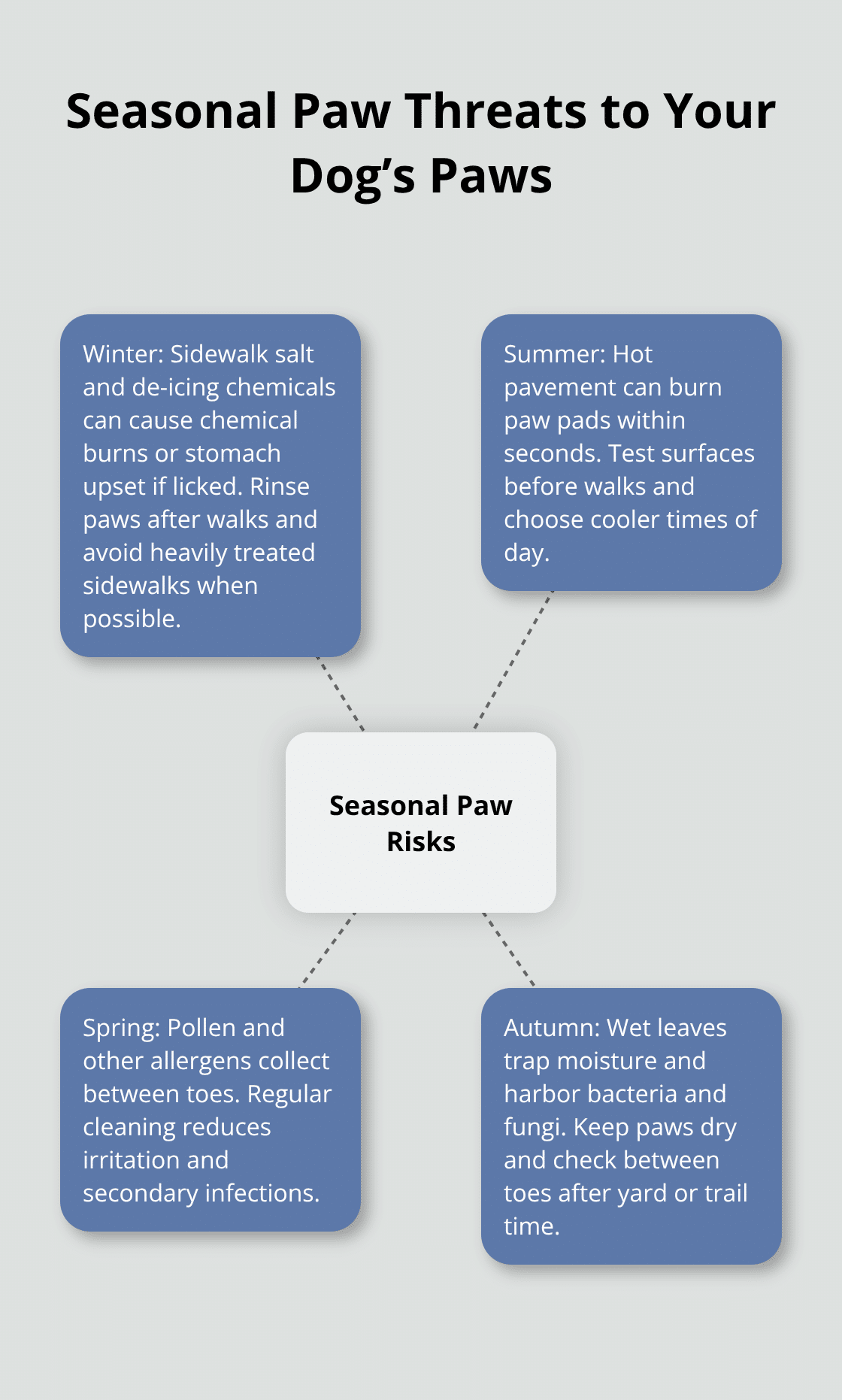
Your dogs paws take a beating every single day. From hot pavement to rough terrain, these hardworking body parts need regular attention to stay healthy.We at DogingtonPost believe proper dog paw care prevents painful problems before they start. Most paw issues can be managed at home with the right knowledge and consistent routine.What Makes Dog Paws So VulnerableDog paw pads serve as natural shock absorbers that provide insulation, traction, and balance while they protect bones and joints from impact. These thick, fatty tissues contain sweat glands that help regulate body temperature and offer grip on various surfaces. The digital pads beneath each toe work with the larger metacarpal pad to distribute weight evenly when dogs move. Between the toes, softer skin collects debris and moisture, which makes this area particularly vulnerable to problems.Early Warning Signs You Must WatchLook for excessive licking, limping, redness, or foul odors that come from your dogs paws. These symptoms often indicate allergies, bacterial infections, or injuries that need immediate attention. Swelling between toes, visible cuts, or reluctance to walk on certain surfaces signals potential issues. Dogs with paw problems frequently shift weight between feet or avoid full pressure on affected paws when they walk.Weather Creates Serious Paw ThreatsWinter brings the greatest threat to paw health through sidewalk salt and chemicals that can cause chemical burns to their paw pads or indigestion if your dog tries to lick it off. Hot pavement during summer months can literally burn paw pads within seconds (there is a simple test called the seven-second test to check whether the pavement is too hot for your pets paws). Spring allergens like pollen accumulate between toes, while autumns wet leaves create perfect conditions for bacteria and fungi that lead to infections.Hidden Dangers in Everyday EnvironmentsSharp objects like glass, metal fragments, and thorns hide in grass and on sidewalks where dogs walk daily. Foxtails and burrs embed themselves between toes and cause painful infections if left untreated. Chemical lawn treatments, pesticides, and cleaning products (especially those used on floors) can irritate sensitive paw pads and cause chemical burns when dogs walk through treated areas.Now that you understand what threatens your dogs paws, you can take proactive steps to protect them through proper daily care routines.How Do You Keep Your Dogs Paws Clean and Healthy DailyClean Paws After Every WalkRinse your dogs paws with lukewarm water immediately after walks to remove salt, chemicals, and debris that collect between toes. Use a shallow basin or sink for small dogs, while larger dogs need a detachable shower head for thorough cleansing. Direct water flow between each toe where dirt and harmful substances accumulate most. Dog wipes work for quick cleanups, but water removes stubborn residue that wipes leave behind. Always dry paws completely with a microfiber towel to prevent bacterial growth in moist areas. Check between toes during this process for embedded objects like foxtails, thorns, or ice balls that form on long-haired breeds.Trim Nails Every Two to Three WeeksOvergrown nails change your dogs gait and put pressure on joints. Cut nails when you hear clicks on hard floors or see them touch the ground when your dog stands normally. Use sharp, dog-specific nail clippers and cut at a 45-degree angle, stay well clear of the pink quick inside each nail. Keep styptic powder ready for minor bleeds (though proper technique prevents this issue). Start nail trims when dogs are young to build tolerance, and use treats during the process to create positive associations. Professional groomers recommend trims every 14-21 days for optimal paw health.Apply Protective Balm WeeklyMoisturize paw pads weekly with pet-safe balms that contain natural oils like coconut oil, shea butter, or beeswax. Human lotions contain ingredients toxic to dogs and should never touch paws. Apply balm after you clean and dry, massage gently into pad surfaces and between toes. Winter conditions require more frequent applications due to salt exposure and dry indoor air. Homemade balms that use equal parts coconut oil and shea butter with beeswax provide effective protection for up to two years when stored properly.Trim Hair Between Paw PadsExcess hair between paw pads traps debris, moisture, and ice that can cause infections and discomfort. Use small scissors or battery-operated trimmers to carefully remove hair that extends beyond the pad level (professional groomers handle this task for fidgety dogs). Trim hair monthly or when you notice matted areas between toes. This simple step prevents snowball formation in winter and reduces allergen accumulation during spring months.These daily maintenance steps form the foundation of healthy paws, but sometimes problems still develop despite your best efforts.What Should You Do When Paw Problems OccurHeal Cracked and Dry Paw Pads FastCracked paw pads need immediate moisture therapy with thick, protective balms that contain shea butter or lanolin. Apply balm three times daily to affected areas and massage gently into cracks to promote faster recovery. Cover treated paws with dog socks for 30 minutes after application to prevent your dog from licking and to improve absorption. Severe cracks that bleed or show signs of infection require veterinary-grade antiseptic washes before you apply balm. Most minor cracks heal within 5-7 days with consistent treatment, while deep fissures may take up to three weeks. Coconut oil mixed with vitamin E provides additional properties that help stubborn cases that resist standard balms.Clean Minor Cuts Properly to Prevent InfectionFlush fresh cuts with sterile saline or clean lukewarm water to remove debris and bacteria from the wound. Apply gentle pressure with clean gauze to stop the flow of blood, then clean the area with diluted betadine or chlorhexidine solution. Small cuts under 1/4 inch typically heal without bandages if you keep them clean and dry. Deeper cuts or those longer than 1/2 inch need protective wraps with non-stick gauze and medical tape (change these daily until complete recovery occurs). Watch for swelling, discharge, or red streaks that indicate infection development. Any cut that continues to bleed after 10 minutes of direct pressure needs immediate veterinary attention. Keep injured paws dry during walks with waterproof booties until complete recovery occurs, which usually takes 7-10 days for superficial wounds.Recognize When Home Treatment FailsContact your veterinarian immediately if paw problems persist beyond one week of home treatment or worsen despite your efforts. Limps that prevent normal movement, swelling that extends beyond the paw area, or discharge with foul odors indicates serious infections that need professional medication. Deep cuts that expose underlying tissue, puncture wounds from sharp objects, or burns from hot surfaces require emergency veterinary care within 2-4 hours. Multiple paw problems that occur simultaneously often signal systemic issues like allergies or autoimmune conditions that need diagnostic tests and prescription treatments.Final ThoughtsConsistent dog paw care prevents most serious problems before they develop into painful conditions that require expensive veterinary treatment. Dogs with well-maintained paws walk more comfortably, experience fewer infections, and avoid the stress of emergency medical procedures. Regular post-walk cleanups, weekly nail trims, and protective balm applications take less than 10 minutes per week but deliver significant health benefits throughout your dogs life.You can build a sustainable routine when you choose specific days for each task rather than try to remember everything daily. Schedule nail trims every other Sunday, apply balm each Wednesday evening, and make post-walk paw cleanup an automatic habit. Keep supplies in convenient locations near your door and bath area to eliminate excuses for skipped care sessions (this simple step makes consistency much easier).Your dogs mobility and comfort depend entirely on healthy paws that can handle daily activities without pain or restriction. We at DogingtonPost help dog owners maintain their pets health through proper care techniques and expert advice. Visit our comprehensive dog care resources for additional guidance on responsible dog ownership and practical solutions that keep your companion happy and healthy for years to come.
0 Commenti
0 condivisioni
18 Views

 English
 Arabic
 French
 Spanish
 Portuguese
 Deutsch
 Turkish
 Dutch
Dutch
 Russian
 Romaian
 Portuguese (Brazil)
 Greek
Greek