


WWW.CATSTER.COM
The Secret to Getting Your Cat to Love Your New Kitten
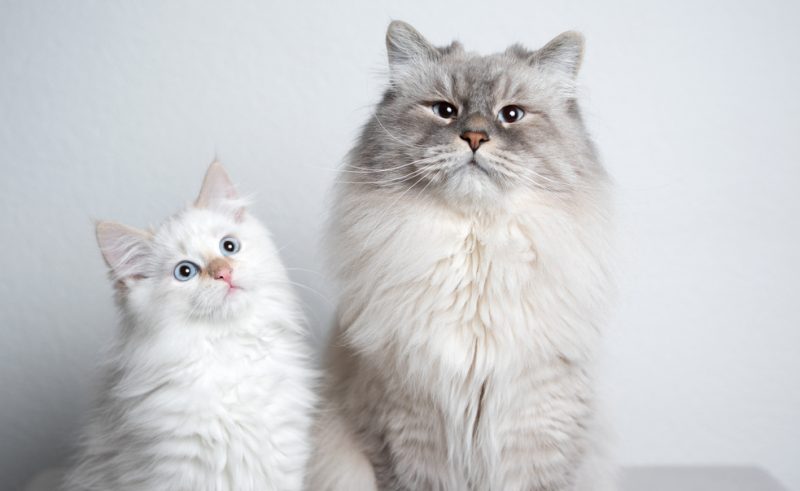
Bringing home a new kitten is supposed to be exciting until your resident cat gives you the look. The hissing, hiding, or cold shoulder can make your happy moment feel more like a family feud.Dont worry, this is totally normal. Cats are creatures of habit, and adding a new furry roommate shakes up their whole world. The good news? With a little patience (and a smart plan), your senior feline and your bouncy kitten can learn to live togethermaybe even become cuddle buddies.Heres how to introduce a new kitten to your older cat the vet-approved way, in seven calm, careful steps.Get Your Cat to Love Your New KittenStart With a Quarantine ZoneBefore you even think about introductions, your kitten needs their own space and not just for peace and quiet. Quarantine protects both pets health.If your kitten came from outside, a friend, or an unverified source, keep them separated for at least two weeks. This allows time to watch for hidden illnesses like ringworm, fleas, or tummy troubles that could spread to your adult cat.Even if your kitten came from a shelter or breeder, giving them a private room helps them settle in safely. Use this time to let both cats adjust to each others scents through the door, the first and most important step toward friendship.Tip: Have your vet check your kittens health before and after quarantine for extra peace of mind.Image Credit: Brilliantgreencat, ShutterstockTrade Scents & Add Calming PheromonesCats meet through smell before sight, so before any face-to-face introductions, start swapping scents.Try switching their blankets or toys, or even swap which room each cat stays in for a short time. This lets them explore the others scent without pressure.To take the stress level down another notch, use cat pheromone sprays, wipes, or diffusers. These products mimic natural calming signals, helping both cats relax and accept that something new and safe is happening.Create a Cat-Friendly SpaceThe key to harmony? Give your cats options. Cats love vertical territory as it helps them feel safe and in control.Add cat trees, wall shelves, or window perches so your older cat can retreat if the kitten gets too playful. Make sure each cat has their own litter box, food area, and water bowl to prevent territorial squabbles.Having multiple zones in the house helps your adult cat feel like they still have ownership, even as the new kitten explores their kingdom.Image Credit: Irina Kozorog, ShutterstockFeed Separately (and Peacefully)Heres a common mistake: feeding both cats side by side. Cats are not social eaters, and food can quickly become a source of conflict.Feed your older cat and your kitten in separate spaces so they can eat in peace. It also helps you monitor their appetite since a sudden drop in eating can be a sign of stress.Plus, kittens need different nutrition and portion sizes than adults. Separate meals let you tailor each diet without confusion or competition.Let Them See Each Other From a Safe DistanceOnce both cats are relaxed with each others scents, its time for a visual introduction.Use a baby gate, screen door, or pet carrier to allow them to see (but not touch) one another. This helps them observe and sniff from a safe distance, on their own terms.If your older cat tends to be shy, let the kitten stay behind the barrier while the adult cat explores. If your older cat is territorial, confine them instead to prevent aggressive lunges or swipes.At this stage, calm curiosity is your goal, not instant friendship. If either cat growls, hisses, or flattens their ears, end the session and try again later.Image Credit: StockSnap, PixabaySupervised Physical IntroductionsWhen both cats seem relaxed during visual meetings, you can allow them to meet in person. But its important that you stay close by.Its totally normal for your older cat to seem confused or even to hiss the first few times. Some cats walk away; others go straight in for a curious sniff. Let it happen naturally, but watch for signs of discomfort, like:growling or hissingears pinned backtail puffed up or swishingraised hackles or swattingIf you see these signals, gently separate them before things escalate. Keep early sessions short and positive. Over time, you can increase how long they spend together as they start to relax around each other.Important: Unneutered cats are more territorial and may even try to mount kittens, which can be dangerous. Spaying or neutering greatly reduces this behavior and helps both cats stay calm.Give Equal Love & AttentionEven once your cats begin coexisting peacefully, remember your older cat still needs to feel secure in their bond with you.Set aside individual playtime and affection for both cats. This keeps jealousy in check and strengthens your relationship with each pet. Keep up with regular vet visits, healthy meals, and enrichment for both.When both cats feel loved, theyre less likely to see each other as competition and more likely to start building that heartwarming friendship youve been hoping for.Image Credit: Irina Kozorog, ShutterstockWrapping Up: Patience Pays OffIntroducing a kitten to an older cat isnt something you can rush. It takes time, structure, and a lot of patience. But by following these calm, step-by-step techniques, youll give both cats the best chance at becoming comfortable companions.Dont worry if your cats arent instant best friends. Most feline relationships evolve slowly, and there isnt a time limit on it. Over time, tolerance can turn into genuine affection (and maybe even shared naps on the couch).If tensions stay high, dont hesitate to ask your vet or a certified cat behaviorist for help. With the right guidance, peace and purring are absolutely possible.Feature Image Credit: Nils Jacobi, ShutterstockDid You Know? Our brand-new posts are rounded up and included in our weekly emails. Dont miss out on the latest sign up for our newsletter below!
0 Commentarios
0 Acciones
19 Views

 English
 Arabic
 French
 Portuguese
 Deutsch
 Turkish
 Dutch
Dutch
 Italiano
 Russian
 Romaian
 Portuguese (Brazil)
 Greek
Greek