-
Fil d’actualités
- EXPLORER
-
Pages
-
Blogs
-
Forums
PageFeeds Pro! Test Page - Pets & Animals
-
1 Les gens qui ont lié ça
-
2769 Articles
-
Photos
-
Vidéos
-
Pets and Animals
Mises à jour récentes
-
WWW.LOVEMEOW.COMCat with a Missing-tooth Grin Found Alone in Apartment Now Hopes to Be the Center of Someone's WorldA cat with a missing-tooth grin was found alone in an apartment. Now, she hopes to be the center of someone's world again. BlairTails HighBlair the cat arrived at Tails High, an all-volunteer rescue, wearing a grin that never leaves her face. "This is always her expression, and we can't get enough of it," the rescue shared."Although she appears to be smiling that quirky smile, her story is one of resilience." Blair spent several months alone in an apartment after her beloved owner suffered a stroke and was unable to return home.Kind friends stopped by daily to feed her, but her world had grown small and quiet, and she missed having a human companion. Tails HighAs the lonely days stretched on, Blair's future became uncertain. Knowing she deserved so much more, Tails High didn't hesitate to help when they were contacted.At nine years old, Blair left the quiet apartment she had spent her life in and moved into a foster home. She was welcomed by a caring family who provided soft beds, toys, and an abundance of food. Tails High"When she first arrived, it was clear she was stressed from being left behind, and she quickly showed us she prefers to be your one and only."No longer alone, she relaxed, sought out her people, and leaned into pets and affection. She wanted every bit of attention she could get, as if trying to make up for lost time. Before long, her true personality began to shine through. Tails High"She has a funny habit of lying right on top of her toy pile as if it's her throne. She burrows under the covers when it's time to snooze, making her naps as cozy as can be. Once she feels safe, Blair rubs against your legs for attention and melts into the affectionate sweetheart she truly is."Her signature smile is the result of a previous dental surgery. "It left her with the cutest expression that we absolutely adore." Tails HighOver the next few months in foster care, Blair continued to blossom. She met new people, rebuilt her confidence, and learned that humans could be trusted again. Soon, she was greeting visitors with a soft meow and happy purrs, politely asking for attention the moment they walked in."She is affectionate, social, and clearly ready to be someone's everything." Tails High"She's a very round girl with an active side, especially when wand toys are involved. She loves to play, loves to lounge, and has plenty of extra love to give. When her environment is calm and predictable, her sweet and loving personality shines."Now, Blair waits patiently for her forever family to walk through the door, ready to greet them with her charming little grin. Tails HighWith the support of a loving foster family, Blair has rediscovered her inner kitten and found a new zest for life. Whenever she spots her snake toy, her eyes light up, and she's ready to pounce."She's been through a hard time, but she's ready to leave her lonely past behind and spend her years in the loving home she was always meant to have. She has healed quietly and kept smiling through it all." Tails HighBlair feels like herself again, surrounded by kind people who remind her every day that she's loved and are committed to helping her find the happily ever after she deserves."A new year is all about fresh starts, and Blair is more than ready for hers." Tails HighShare this story with your friends. More on Blair and Tails High (in the DC area) on Instagram @tailshigh and Facebook.Related story: Cat Curls Up Between a Couple After 848 Days Wishing for a Home from the Time He was Just a Kitten0 Commentaires 0 Parts 9 VueConnectez-vous pour aimer, partager et commenter! -
-
-
-
-
-
WWW.CATSTER.COMSpay/Neuter Complications in Cats: What Vets Want You to KnowYour cats spay appointment is booked. Youve arranged time off work, prepped a quiet recovery space, and bought one of those cone collars theyll definitely hate. You know this surgery is the right callit prevents unwanted litters, cuts down on fighting and roaming, and puts an end to the yowling and spraying that comes with heat cycles.But somewhere in the back of your mind, theres a question you might not want to ask out loud: What if something goes wrong?Its a fair question. Spaying and neutering are routine, yes, but theyre still surgeries. And while serious complications are rare, they do happen. Knowing what to watch for doesnt make you paranoid. It makes you prepared.Heres what actually happens during these procedures, what can go wrong, and how you can help your cat come through it safely.What Happens During the SurgeryNeutering covers both surgeries: castration for males, spaying for females. Most cats are neutered around six months old, though shelters and situations with mixed-gender kittens sometimes do it earlier. Unlike dogs, theres no evidence that early neutering causes physical or behavioral problems in cats. The six-month timeline mostly just gives kittens time to grow, making their reproductive organs easier for the vet to access.For male cats (castration): The procedure is quick. Your cat gets anesthesiausually without intubation, because the whole thing takes just minutes. The scrotum is shaved, two small incisions are made, and the testicles are removed after the blood supply is tied off. Bleeding is minimal. Stitches are rarely needed, and the incisions typically heal on their own within a day or two.For female cats (spaying): This ones more involved. Your cat receives anesthesia by injection. A patch of belly fur is shaved and cleaned. The surgeon makes an incisioneither along the midline or on the side of the abdomen, both methods are safeand removes the uterus and ovaries after carefully tying off blood vessels. The muscle layer is stitched closed first, then the skin. Some vets use external stitches; others use dissolvable sutures hidden under the skin.The 9 Common Complications Vets Actually SeeMost surgeries go smoothly. But most isnt all, and understanding the risks helps you catch problems early.1. Your cat gets booked for the wrong surgeryIt sounds absurd, but it happens. Sometimes a cats sex is misidentified and usually caught at check-in, but occasionally not discovered until the surgeon is looking for organs that arent there. If youre not 100% certain whether your cat is male or female, confirm it with your vet before surgery day.2. Anesthetic reactionsThis is the risk that worries most pet parents, and for good reason. Modern anesthetics are far safer than older drugs, but reactions still occur. Possible complications include low body temperature, low blood pressure, prolonged sedation, andin extremely rare casesblindness. Blindness is usually temporary, but has been permanent in some instances.Image Credit: luchschenF, Shutterstock3. AspirationCats under anesthesia cant swallow. If they vomit, stomach contents can enter the lungs and cause aspiration pneumonia, which is life-threatening. This is why your vet tells you not to feed your cat the morning of surgery. If your cat sneaks food anyway, tell your veteven if it means rescheduling. Better to delay than take that risk.4. HemorrhageCats dont tend to bleed heavily during surgery, but it can happenespecially if theres an undiagnosed bleeding disorder. Severe hemorrhage is rare. Mild internal bleeding in females may cause weakness or lethargy afterward, while external bleeding from the incision is usually minimal.Image Credit: Vladimir Gudvin, Shutterstock5. Swelling around the surgical siteThis is the most common post-surgery issue. Swelling can come from normal inflammation, too much activity, licking the wound, or bleeding under the skin. Sometimes fluid accumulates under the skin, forming whats called a seroma. Swelling doesnt automatically mean infection, and it often resolves with rest and an Elizabethan collar to keep your cat from bothering the site.6. Wound breakdownIf stitches fail or if your cat licks or jumps around too much, the incision can reopen. What happens next depends on how big the opening is, how deep it goes, and whether infection is present. Some wounds need to be cleaned and re-closed under anesthesia. Others can be managed with staples or tissue glue.Image Credit: megaflopp, Shutterstock7. InfectionSurgical wounds can get infected, often from grooming or exposure to litter box bacteria. Infections can also (though less commonly) happen at the clinic itself. Your vet may swab the wound to check for drug-resistant bacteria before choosing the right antibiotic.8. Damage to nearby structuresThis is extremely rare, but accidental injury to nearby organs can occur. In females, the bladder or uterus may be affected. In males, the penis could be damaged. Cats are small, and their anatomy is delicate, meaning complications like this are possible, even if uncommon.9. Undetected pregnancySome outdoor female cats turn out to be pregnant when they arrive for surgery, and their owners had no idea. Early-stage pregnancies usually dont cause major complications, though the surgery and anesthesia may take a bit longer. More advanced pregnancies require extra care and consideration from the vet team.Image Credit: Jim Polakis, ShutterstockHow to Lower the RisksYou cant eliminate every risk, but you can tilt the odds in your cats favor.Follow your vets pre- and post-op instructions exactly. Use the cone, even if your cat acts like youve committed a war crime. Restrict activity by keeping your cat in a small, quiet room away from furniture they can leap onto. If you have multiple cats, separate your recovering cat for a few days so theyre not wrestling or playing rough.And if youre not totally sure whether your cat is male or femaleyes, it happensdouble-check with your vet before surgery day.The Bottom LineSpaying and neutering are two of the most common surgeries in veterinary medicine, and the vast majority go off without a hitch. Most cats act like nothing happened within a day or two. Complications can occur, but theyre rare, and knowing what to watch for makes you better equipped to handle them if they do.The benefits of neutering (preventing overpopulation, reducing aggressive behavior, eliminating the chaos of heat cycles) far outweigh the risks. With proper care and a little vigilance, your cat will come through just fine.Feature Image Credit: Dina da, ShutterstockDid You Know? Our brand-new posts are rounded up and included in our weekly emails. Dont miss out on the latest sign up for our newsletter below!0 Commentaires 0 Parts 14 Vue -
-
-
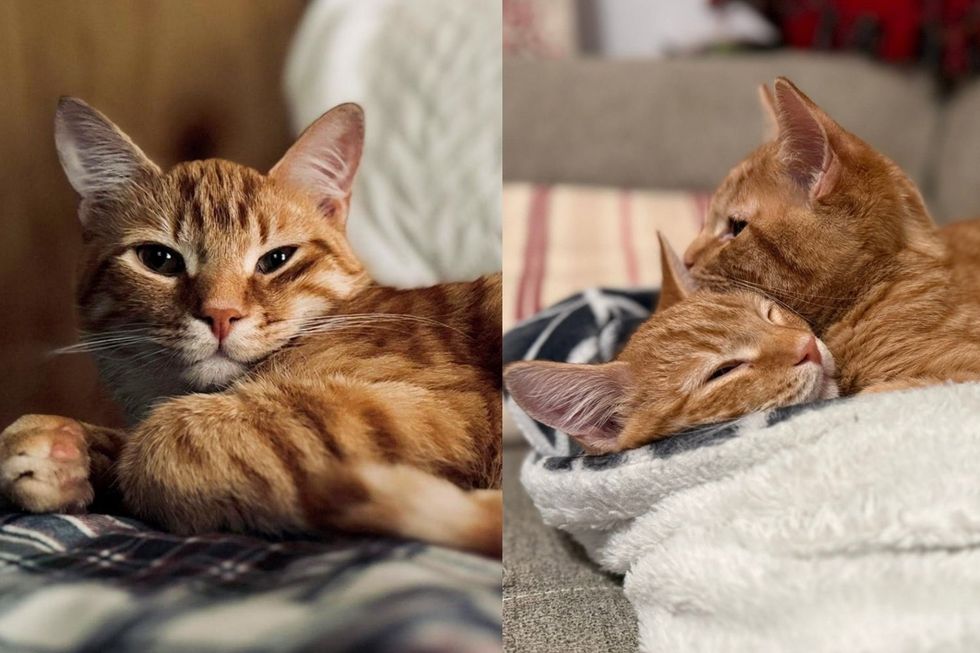
WWW.LOVEMEOW.COMCat Has Been His Brother's Greatest Protector Since They Were Found Together as KittensA cat has been his brother's greatest protector since the two were rescued together as tiny kittens. Saku and Suke (formerly Wellie and Wally)Frankie @frankies_fostersTwo kittens were brought to Best Friends Animal Society in Los Angeles after being rescued from a harsh life outdoors.One of them had a severely infected eye, and his tabby brother clung to his side the entire time. In just four weeks of their lives, they had already faced more challenges than most.No one could have known then that these two, named Suke and Saku (formerly Wally and Wellie), would share a bond so strong it was unlike anything their foster mom had seen before. Frankie @frankies_fostersFrankie, a devoted fosterer, welcomed the pair into her home. She gently cleaned the flea dirt from their coats and settled them into a cozy space filled with soft blankets and toys.Suke, the little house panther, refused to let his ruptured eye hold him back. With his brother always nearby, he played, explored, and ate with enthusiasm. Before long, the room was filled with the steady rhythm of their purrs. Frankie @frankies_fostersAt first, Saku tucked himself behind Suke, but once he realized they were safe, his true personality emerged. He became an affectionate cuddle bug, lavishing his brother with endless hugs. "They've always been affectionate with each other," Frankie told Love Meow.However, after Suke's eye surgery, Saku's protective instincts grew even stronger. "I catch them cuddling now more than ever." Frankie @frankies_fostersSaku fully stepped into the role of protector and caretaker, curling up beside his brother while he slept in a cone and wrapping his arms around him. Suke took great comfort in his brother's presence, soothed by the healing vibration of his purrs.It was as if Saku knew exactly what his brother needed. He rarely left his side. Frankie @frankies_fostersFor a week following the surgery, Saku showered Suke with nonstop cuddles. Together, they produced some of the loudest purrs Frankie had heard in all her years of fostering. They were happiest whenever they were together.When it came time for adoption, Frankie knew these two were a package deal. Frankie @frankies_fosters"I could not bear the thought of these two bonded brothers being separated."Though they went through several meet-and-greets without success, Frankie never lost hope. Then one day, she received an application from Glynnis, who fell in love with the feline brothers and knew they belonged together. Glynnis @gloriette80"She saw the beauty in these perfectly imperfect boys, recognizing them for exactly who they are."Suke and Saku moved into their new home and settled in immediately. They explored every nook and cranny and claimed their human's bed as their own. With plenty of lounging options, they still insisted on sharing one chair, one hammock, and one basket, even after outgrowing them. Glynnis @gloriette80They've grown into handsome cats, and their baby blues have turned amber. But some things have never changed. "Saku continues in his caretaking ways," Glynnis shared.Throughout their journey, Saku stayed close, gentle, and watchful. The love between them was deep and unwavering. Glynnis @gloriette80Now, their mom wakes up to them cuddled on her pillow, purring into her ears. "Without exaggeration, I can say that these two babies saved me."Suke and Saku are living their very best life together, as it was always meant to be. Glynnis @gloriette80Share this story with your friends. More on Frankie's fosters on Instagram @frankies_fosters, and more on Suke and Saku @gloriette80. Thanks to Best Friends in L.A. @bfas_la.Related story: Man Goes to Adopt a Kitten But Ends Up Bringing Home Another Cat Too, Turns Out It's the Best Decision0 Commentaires 0 Parts 18 Vue -
WWW.DOGINGTONPOST.COMGerman Shepherd Lab Mix Puppies for Adoption Near YouGerman Shepherd Lab mix puppies combine intelligence, loyalty, and boundless energy into one remarkable companion. If youre searching for a German Shepherd Lab mix puppy for adoption, youre likely drawn to their friendly nature and trainable temperament.At DogingtonPost, weve put together everything you need to know about finding, preparing for, and welcoming one of these dogs into your home. From locating reputable sources to setting up your space, this guide covers the practical steps that matter most.What to Expect From a German Shepherd Lab MixGerman Shepherd Lab mix puppies inherit traits from two of the most popular dog breeds in America, creating dogs that are intelligent, food-motivated, and genuinely eager to please. These puppies typically display the German Shepherds protective instincts combined with the Labradors outgoing friendliness, meaning you get a dog that bonds intensely with family while remaining approachable with strangers. The American Kennel Club ranks both parent breeds in the top five most popular breeds, and their offspring reflect this widespread appeal for good reason. Your puppy will learn commands quickly, respond well to positive reinforcement, and form strong attachments within weeks of arriving home. These dogs thrive on interaction and become destructive when bored or isolated, so mental stimulation matters as much as physical exercise.Size and Physical DevelopmentGerman Shepherd Lab mixes typically weigh between 55 and 80 pounds at full maturity, with males generally larger than females. These medium-to-large dogs reach their adult height around 12 to 18 months, though they continue filling out until age three. Coat colors vary widely, ranging from solid black to yellow, chocolate, or mixed patterns inherited from either parent. Their ears may stand upright like a German Shepherds or fold slightly like a Labs (and this variation appears even within the same litter). Plan for grooming commitment, as both parent breeds shed moderately year-round and heavily during spring and fall shedding seasons.Energy and Exercise RealityThese puppies require a minimum of 90 minutes of structured exercise daily once fully grown, and this need appears early. A 12-week-old puppy already demands multiple play sessions and frequent outdoor time, not just bathroom breaks. Veterinarians recommend avoiding high-impact exercise like jumping or running on hard surfaces until growth plates close around 18 months, so swimming and controlled walks become your best options for young puppies. Without adequate outlets, these dogs develop behavioral problems including excessive barking, destructive chewing, and jumping on family members. Off-leash recall training becomes non-negotiable given their prey drive and tendency to chase, so start this training immediately and never assume your puppy will reliably return when called without consistent practice.Preparing for Training SuccessYour German Shepherd Lab mix puppy arrives with natural intelligence and food motivation that make training straightforward, but only if you establish structure from day one. These dogs respond exceptionally well to positive reinforcement methods (treats, praise, and play work best), and they learn faster than many other breeds. Consistency matters more than intensity-short, frequent training sessions of 5 to 10 minutes work better than longer sporadic efforts. Socialization during the critical window between 3 and 16 weeks shapes how your puppy interacts with people, other dogs, and new environments for life. This breeds protective nature means early exposure to various situations prevents fear-based aggression later.Where to Find German Shepherd Lab Mix PuppiesLocal Animal SheltersLocal animal shelters house thousands of mixed-breed puppies, and German Shepherd Lab mixes appear regularly in facilities across the country. The Petfinder database lists over 11,000 shelters and rescues, making it your fastest way to search by breed and location without manually calling dozens of organizations. Most shelters charge adoption fees between $75 and $300, which typically includes vaccinations, spaying or neutering, and microchipping.Contact your nearest shelter directly and ask staff to notify you when German Shepherd Lab mix puppies arrive, since the best dogs disappear within days of listing. Shelters rarely advertise puppies in advance, so building relationships with staff members gives you access to animals before they hit the website. This approach works better than online searches because shelter employees know which dogs match your lifestyle and can honestly discuss behavioral challenges that dont appear in photos.Breed-Specific Rescue OrganizationsBreed-specific rescue organizations focus exclusively on German Shepherds or Labradors, and many accept mixed-breed dogs from either lineage. These groups employ volunteers with deep knowledge of breed temperament and health issues, so they provide far more detailed information than general shelters about what youre adopting. Search online for German Shepherd rescue groups and Labrador rescue organizations in your state, then contact multiple groups since they often maintain waiting lists and share available puppies across their networks.Evaluating Breeders CarefullyReputable breeders exist but require serious scrutiny. If you choose a breeder, verify they conduct hip and elbow evaluations on both parents through the Orthopedic Foundation for Animals, request health guarantees in writing, and visit their facility in person.Never purchase from breeders who wont let you meet the parents or who ship puppies before eight weeks of age (these are immediate red flags for puppy mills). Ask breeders for references from previous buyers and contact at least three of them about their experience and their dogs health outcomes at three years old. A breeder who hesitates to provide references or limits your facility visits signals problems worth avoiding.Moving Forward With Your SearchYour search strategy should combine multiple sources rather than relying on a single option. Start with local shelters and breed-specific rescues simultaneously, as this parallel approach increases your chances of finding the right puppy faster. Once youve identified potential puppies or breeders, the next step involves preparing your home to welcome your new family member.Setting Up Your Home for a German Shepherd Lab Mix PuppyEssential Supplies and EquipmentYour German Shepherd Lab mix puppy needs specific equipment before arrival, and skipping items creates unnecessary stress for both dog and owner. Purchase a crate sized for adult weight (typically 42 to 48 inches long), food and water bowls, a collar and leash, grooming supplies including a slicker brush and nail clippers, and toys designed for medium-to-large dogs. These puppies destroy cheap toys within hours, so invest in Kong Extreme Black toys or similar durable options rated for power chewers. Youll need enzymatic cleaner specifically formulated for pet urine since standard cleaners wont eliminate scent markers that encourage repeat accidents. A baby gate system costs $40 to $80 but prevents your puppy from accessing stairs or unsupervised areas where injuries happen. Skip the fancy dog bed initially; puppies have weak bladder control until 16 weeks old, so use washable pee pads and accept that accidents will happen regardless of training effort. Food selection matters immediately-ask your adoption source what brand they feed, then maintain that diet for at least two weeks before transitioning to your preferred option, since sudden diet changes cause digestive upset.Creating a Safe Home LayoutYour home layout determines training success more than any single tool. German Shepherd Lab mixes have high prey drive, so secure any small pet enclosures and remove toxic plants like lilies, sago palms, and chocolate from accessible areas. These puppies jump on furniture at eight weeks old, so establish boundaries immediately by preventing access to couches or beds rather than correcting the behavior after it starts. Set up a designated potty spot in your yard and take your puppy there immediately after waking, after meals, and after play sessions-most puppies need outdoor breaks every two to three hours until 16 weeks of age.Socialization and Early TrainingSocialization requires controlled exposure to different environments, sounds, and people during weeks 3 through 16, so plan weekly visits to pet-friendly stores, different neighborhoods, and quiet parks. These experiences prevent fear-based behavior that becomes difficult to reverse after 16 weeks. Enroll in a positive reinforcement puppy class within the first two weeks of adoption; instructors teach you how to prevent jumping, mouthing, and other behaviors that escalate without intervention. Your puppy learns commands faster in structured classes than from home study alone, and the investment typically costs $150 to $250 for six to eight weeks of instruction.Final ThoughtsAdopting a German Shepherd/Lab mix puppy for adoption represents a significant commitment, but the rewards justify the effort. These dogs deliver intelligence, loyalty, and affection that strengthen family bonds over their 10 to 12-year lifespan. Success depends on three foundational elements: finding your puppy through shelters, rescues, or vetted breeders; preparing your home with proper supplies and safe spaces; and committing to consistent training and socialization from day one.The practical reality of German Shepherd Lab mixes means accepting their exercise demands and shedding patterns while appreciating their eagerness to learn and their genuine desire to be part of family activities. These puppies thrive when you provide structure, mental stimulation, and clear boundaries. Your investment in puppy classes, quality toys, and enzymatic cleaners pays dividends through faster training progress and fewer behavioral problems down the road.Contact shelters and rescues in your area, gather supplies, and set a timeline for bringing your puppy home. Prepare your household layout, arrange puppy training classes, and establish relationships with a veterinarian before arrival. Visit DogingtonPost for ongoing guidance on puppy care, training techniques, and health management as your German Shepherd Lab mix grows.0 Commentaires 0 Parts 21 Vue -
WWW.CATSTER.COMIts A Bird! Its A Plane! No, Its Super Duane!One of the most annoying things about internet cookies and algorithms is that once you look at one post, youre inundated with ads and suggestions about that topic. This also happens to be one of the best things about cookies and algorithms, particularly when one is in the habit of looking at heroic tales about pets. If this sounds like you, then no doubt you have, or soon will, come across some videos of a truly remarkable man and his quest to rescue cats that have found themselves stranded in trees, unwilling or unable to descend to safety.You might be forgiven for thinking that this is usually the purview of first responders, but these days it is very rare for firefighters to come to the aid of a wayward feline, with the red tape of safety risks, liability considerations, and resource limitations blocking the way. You might also believe that if a cat climbs up a tree, they should be able to climb back down, but this is not always the case.Climbing up is quite a natural behavior for cats, but their confidence on the way down tends to be somewhat shaky. As they ascend, they have more control over their speed and trajectory, while the descent is inherently more dangerous, with gravity and daunting heights making the way down much trickier to navigate. And while it may seem counterintuitive, cats that are experiencing difficulty amongst the branches of a tall tree will often panic and climb further up.While it is true that many cats do eventually find their way back onto solid ground, sadly, there are those that fall, leading to injury or death, and others that perish amongst the boughs, something Duane Hook of Columbus, Ohio, dedicates his life to preventing.Back in 2010, Duane was slogging away as a factory worker when he got a Halloween call for help that would change the trajectory of his life. Seeing the joy in the faces of the children below as he returned their marooned moggie to safety, Duane knew that his first rescue would not be his last.Duanes very first tree rescue, October 28, 2010A nature enthusiast and adventurer, Duane has combined his love of climbing with his love of animals to rescue hundreds of cats over the years, with his gentle approach and incredible skill gaining him thousands of online followers, and a constant flow of calls for his help. Using photos of the cat in situ to organize his equipment and plan his approach, Duane tries to be prepared for anything, including a panicked jump or fall, with those positioned below with a sheet to catch any falling felines, something that, fortunately, rarely occurs.Armed with plenty of treats and his calm nature, Duane always tries to coax the cats to come to him voluntarily, though not all of his quarry are happy to see him! With a swift manoeuvre that borders on sleight of hand, he quickly transfers the wayward kitty into his nifty cat bag to ensure both their safety and his as they head back down to earth.Some rescues are straightforward, but most have their own unique challenges, and no two are ever the same. Take Bailey, for instance, who spent three days in a silver maple with no hope of getting down on her own. This tree was traversed twice by powerlines, meaning Duane needed to employ some tricky rope positioning to avoid electrocution, in addition to the standard perils of a treetop rescue.Duane has even been called out to rescue cats that are not in need of help, like the adventurous cat named Pepper, who had reportedly been stranded in a tree for over a month! He evaded rescue attempts by hiding in the hollows of the silver maple, seeming to disappear within the trunk of the mighty tree. After spending hours failing to capture this kitty, Duane returned to the property just in time to watch his target casually trot from beneath the front porch of the house and into his favorite hidey hole amongst the branches, perfectly content to climb up and down as he pleased!Some cats are not so pleased to see their rescuer, while others, like Pepper, dont need rescuing at all!Of course, not all stories have such happy endings, and as one heartbreaking video shows, the assumption that a cat will eventually find their own way out of a tree can have deadly consequences.Fortunately for cat lovers, Duane is one of many brave arborists who donate their time and expertise to reuniting stranded cats with distraught families, and he does so without charging a fee.Being able to help people and their animals enriches my life, says Duane, and while his generosity is something to be admired, we would encourage anyone in receipt of his, or other rescuers efforts, to consider making a donation to their cause.Most importantly, Duane wants people to be aware of who to call if they find a tree-bound cat in need of assistance, and in the US, your first point of contact should be catinatreerescue.com.You can also follow Duanes adventures on Instagram (duane.hook) and TikTok (getmeowttahere).We will be talking to Duane on an upcoming episode of the brand new podcast Chatty Cattys, so be sure to subscribe!All images courtesy of Duane HookRelated Reads:Good News for Big Cats: Snow Leopards Get a New HomeCONSUMER ALERT; Give Carefully This Holiday SeasonDid You Know? Our breaking news articles are featured in our weekly emails. Dont miss out on the latest and sign up for our newsletter below!0 Commentaires 0 Parts 24 Vue
Plus de lecture