



WWW.CATSTER.COM
Your Cat Is Begging at Christmas Dinner Heres Whats Safe to Share
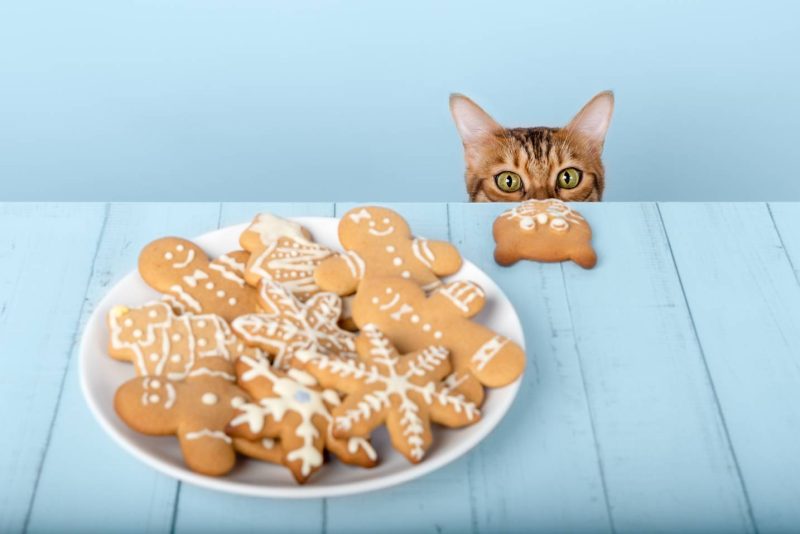
In this articleQuick Reference: 10 Safe Christmas Foods for CatsThe Golden Rule, Before We StartThe Meats Theyll Actually Get Excited AboutThe Seafood ExceptionThe Sides They Might TolerateThe Fruit Wild CardWhat This Actually Looks Like in PracticeView 6More +Less -Your family is gathering around the Christmas table, passing dishes and laughing, when you feel it: those unblinking eyes burning into the side of your face. You glance down. Theres your cat, sitting perfectly still, radiating an intensity that suggests theyve never been fed in their entire life.You know that look. Its the I deserve a bite of whatevers on that plate stare. And honestly? On Christmas, maybe they do.Lucky for them, several foods from your holiday spread are perfectly safe for cats. The tricky part is knowing which ones, how to serve them, and what absolutely needs to stay on your plate and off theirs.Quick Reference: 10 Safe Christmas Foods for Cats Cooked beef (plain, lean cuts) Cooked chicken (boneless, skinless) Cooked turkey (boneless, skinless) Cooked salmon (boneless) Cooked shrimp (plain) Brown rice (plain) Potatoes (baked or boiled, no toppings) Carrots (cooked, plain) Pumpkin (plain, unsweetened not pie filling) Bananas (small amounts)Image Credit: Rimma Bondarenko, ShutterstockThe Golden Rule, Before We StartEverything were about to discuss comes with one massive caveat: plain and cooked only. That beautifully seasoned prime rib? Your cat gets the unseasoned version. The cranberry sauce with orange zest and cinnamon? Not happening. Cats need plain, simply prepared food without the butter, salt, garlic, onions, or spices that make our holiday dishes so delicious.Think of it like preparing a separate, boring (but healthy) version of your meal specifically for your cat. Its not overly festive, but its safe.The Meats Theyll Actually Get Excited AboutLets start with what cats really want: protein. As obligate carnivores, meat makes up the majority of their natural diet, and their digestive systems are built for it.Cooked beef, chicken, and turkey are all excellent options. Stick with lean cuts the fattier the meat, the more likely itll upset their stomach. Remove all bones (cooked bones can splinter and cause serious internal damage), strip off the skin, and make sure everything is thoroughly cooked to a safe internal temperature. For chicken and turkey, thats 165F. Raw meat carries risks of foodborne illness for both you and your cat.Heres something interesting: even though beef is perfectly safe, its not as common in commercial cat food as poultry. So dont be shocked if your cat sniffs your roast beef offering and walks away with disdain. Theyre picky like that.The Seafood ExceptionIf youre serving salmon or shrimp as part of your Christmas spread, your cat can absolutely have some. Salmons strong smell and flavor make it irresistible to most cats they navigate their world primarily by scent, and fish registers as definitely food in their brains.Check salmon carefully for those sneaky pin bones before serving. And while were used to seeing cartoon cats with whole fish, skip the raw seafood. Cooked is always safer. The same goes for shrimp cook them plain, skip the cocktail sauce, and your cat will probably love them. Shrimp is low in fat and mild enough that its less likely to cause digestive upset.Photo by CA Creative, UnsplashThe Sides They Might TolerateCats arent going to get excited about vegetables the way they do about meat, but several side dishes are safe in small amounts and surprisingly beneficial.Brown rice shows up in cat food for good reason. Its packed with fiber and nutrients that support heart health. Your vet might even recommend it if your cats dealing with digestive issues. The catch? Plain rice isnt exciting. Youll probably need to mix it with something more appealing to get your cat interested.Potatoes boiled or baked, not mashed with butter and cream are another safe option. They provide potassium, magnesium, and fiber, especially if you leave some skin on. But hold the sour cream, butter, and all the other dairy additions. Most adult cats are lactose intolerant, meaning dairy causes digestive problems even if they loved it as kittens.Cooked carrots offer fiber, potassium, and vitamin A. Pumpkin (the plain, unsweetened kind, not pumpkin pie filling) is actually recommended by vets for cats with digestive troubles. Its loaded with vitamin A, fiber, and potassium, with virtually no fat and only 34 calories per 100 grams.The reality is that cats probably wont eat these vegetables unless theyre mixed with meat. Theyre carnivores with carnivore taste preferences. But if your cat happens to be one of the rare vegetable enthusiasts, these options are safe.The Fruit Wild CardBananas are technically safe for cats, and theyre nutritionally impressive a 100-gram serving covers nearly 30% of a cats daily potassium needs. But heres the thing: cats arent drawn to sweet foods the way we are. Their taste receptors lean toward savory, so fruit often smells completely foreign to them.An adventurous kitten might try a tiny piece out of curiosity, but most cats will give you a look that says why would you offer me this? and walk away.Image Credit: bijutoha, PixabayWhat This Actually Looks Like in PracticeThe best approach? Prepare a small, plain portion of whatever protein youre serving before you add seasonings to your version. Set it aside, cook it thoroughly, let it cool, and offer your cat a few small bites.Keep portions modest. Even healthy foods can cause stomach upset when introduced suddenly or served in large amounts. And remember that your cats sense of smell is incredibly powerful. Once they know that kitchen smells lead to people food, you might create a persistent beggar. Making these treats truly occasional helps avoid that pattern.Some cats have sensitive stomachs and react poorly to any new food. Others are walking garbage disposals wholl try anything once. Start small, watch for any signs of digestive trouble gas, loose stools, vomiting and adjust accordingly.Why This MattersYou share 90% of your DNA with your cat, but that doesnt mean you can share the same plate. Cats are carnivores with different nutritional needs and tolerances than humans. Sharing a bit of plain, cooked meat on Christmas is a bonding experience thats genuinely safe when done right.Just remember: its a treat, not a meal replacement. Your cat still needs their complete, balanced diet. These holiday additions are extras, not essentials.The Bottom LineThat pleading stare your cats giving you at the Christmas table? You can safely respond to it as long as youre thoughtful about what youre offering. Plain cooked meats are your best bet. A few safe sides like rice, potatoes, or pumpkin can round things out. Skip all the butter, seasonings, sauces, and dairy that make our food delicious but make cats sick.Your cat wont know the difference between a perfectly seasoned roast and a plain piece of meat. They just know youre including them in the celebration. And really, thats what the holidays are about sharing special moments with the ones you love, even if they have four legs and judge you constantly.Feature Image Credit: Svetlana Rey, ShutterstockDid You Know? Our brand-new posts are rounded up and included in our weekly emails. Dont miss out on the latest sign up for our newsletter below!
0 Commenti
0 condivisioni
2 Views





 English
 Arabic
 French
 Spanish
 Portuguese
 Deutsch
 Turkish
 Dutch
Dutch
 Russian
 Romaian
 Portuguese (Brazil)
 Greek
Greek