
0 Σχόλια
0 Μοιράστηκε
3χλμ. Views



Κατάλογος
Elevate your Sngine platform to new levels with plugins from YubNub Digital Media!
-
Παρακαλούμε συνδέσου στην Κοινότητά μας για να δηλώσεις τι σου αρέσει, να σχολιάσεις και να μοιραστείς με τους φίλους σου!
-
Timeless Truths for a Purposeful LifeTimeless Truths for a Purposeful Life - A Study on the Book of ProverbsThis 5-week Proverbs Bible study explores key themes like wisdom, speech, humility, work ethic, relationships, and reverence for God, offering guided reflection and Scripture memory to deepen your walk with Christ.0 Σχόλια 0 Μοιράστηκε 3χλμ. Views
-
 WWW.DOGINGTONPOST.COMDog News Headlines: Todays Top Stories in the World of CaninesThe dog world moves fast, and staying on top of dog news headlines means you wont miss what matters for your pet. This week brings rescue operations, breed recognition updates, and celebrity canine moments worth knowing about.We at DogingtonPost are tracking the trends reshaping how we care for dogs, from adoption surges to new wellness innovations. Youll also find critical health alerts and regulatory changes that directly affect dog owners right now.Dog Rescue Operations and Breed Recognition Shape the HeadlinesWinter Storm Rescues Highlight Coordination ChallengesOver 200 dogs were rescued from a rural Mississippi property ahead of a major winter storm, exposing both the scale of animal welfare crises and the power of coordinated response. Animal advocates and local networks mobilized quickly to safeguard these pets before severe weather struck. This operation required serious planning and resources that most communities lack until disaster forces action.If you live in an area prone to winter storms, contact your nearest shelter or animal welfare organization now to understand their storm protocols. Ask how you can help before an emergency hits. Large-scale operations depend on volunteers willing to act fast, so consider joining your local animal rescue network if you have the capacity. Bring your companion animals indoors and maintain direct control of them during severe weather events.The American Kennel Clubs 2026 Breed AdditionsThe American Kennel Club added three new breeds for 2026, signaling how purebred options continue to shift based on what owners actually want. These additions reflect changing preferences rather than sudden discoveries of new dog types. When you choose a dog, dont follow AKC recognition trends alone-research the breeds health history, temperament, and whether it fits your lifestyle.A newly recognized breed may carry genetic issues that veterinarians havent yet widely documented. Consult breed-specific health databases and talk to veterinarians familiar with that breed before committing. This step protects both you and the dog from preventable health problems.Social Media Amplifies Rescue StoriesRescue dogs gain millions of social media followers and generate funding for shelter operations through authentic storytelling. These stories resonate because they show real dogs receiving real help, not hypothetical scenarios. Shelters that share genuine rescue narratives (rather than polished marketing content) attract more support and donations.The pattern is clear: people respond to transparency and real outcomes. Adoption stories that highlight specific dogs and their transformations outperform generic shelter announcements. This trend shows that canine-centered narratives drive both awareness and action across digital platforms, setting the stage for how adoption rates and shelter success stories continue to reshape the dog world.How Adoption Surges and Wellness Innovations Reshape Dog CareSocial Media Transforms Shelter Adoption SuccessShelter adoption rates have climbed significantly over recent years because authentic rescue storytelling converts social media followers into actual adopters. The New York Times reported that shelter dogs gaining millions of social media followers directly translates to funding and placements, particularly when shelters share genuine transformation narratives rather than generic announcements. This trend means adoption success now depends less on traditional marketing and more on transparency about individual dogs and their real outcomes. Shelters that document specific rescue journeys see measurable increases in both donations and adoption inquiries.Follow shelters on social media platforms where they post regular updates-these accounts often feature dogs that are ready for placement within days or weeks. Look for shelters sharing detailed histories of individual animals rather than polished promotional content, as the data shows that people respond to real stories over marketing polish.Therapeutic Products Improve Quality of LifePet health and wellness products have evolved dramatically, moving beyond basic supplies into therapeutic territory. Dog strollers for mobility have become essential tools, offering pain-free mobility and extended outdoor time for aging or injured companions. Strollers with appropriate weight ratings, ventilation, and smooth wheels significantly improve quality of life and allow owners to maintain activity with their dogs.Service dogs for veterans continue to show promise in supporting mental health, though research indicates the evidence base remains limited beyond anecdotal reports. Grooming costs have risen substantially, making monthly budgeting necessary for nail care, coat maintenance, and regular appointments. Try learning basic grooming techniques yourself to reduce expenses while maintaining your dogs health.Dog-Friendly Policies Expand Access EverywhereGrowing dog-friendly policies in public spaces now extend beyond parks into restaurants, retail stores, and workplaces, reflecting broader cultural acceptance of canine companions in daily life. This shift means more opportunities to include your dog in activities and errands, reducing isolation and enriching their environment. Check local ordinances and business policies before visiting new spaces, but the trend clearly favors more inclusive dog access than existed five years ago.These expanding policies create new responsibilities for owners. Dogs in public spaces require solid training, reliable recall, and calm temperament around strangers and other animals. The next section covers health alerts and safety standards that protect your dog as these new opportunities emerge.What You Must Know About Dog Health and Safety Right NowParkinsons Detection Through Canine Scent WorkDogs trained to detect Parkinsons from skin swabs achieve approximately 80 percent sensitivity and 98 percent specificity, meaning these animals can identify the disease years before symptoms appear in humans. This advancement matters because early detection changes treatment outcomes significantly. If your dog shows sudden behavioral changes or fixates on particular body areas, consult your veterinarian immediately-your dog may be attempting to alert you to a health issue.Valley fever now yields to canine detection programs, which help communities forecast disease spread before outbreaks occur. Stay informed about regional disease patterns through your veterinarian and local health departments, particularly if you live in areas where valley fever or other environmental illnesses pose risks.Opioid Exposure and Poisoning PreventionOpioid exposure poses a direct threat to dogs in ways most owners dont anticipate. Six puppies in rural Washington required emergency treatment after suspected opioid overdose, with several saved through rapid veterinary intervention and first responder coordination. Your dog can ingest opioids through contaminated food, yard access, or accidental ingestion during walks.Secure all medications, including prescription painkillers and over-the-counter remedies, in locked cabinets away from curious pets. Know the signs of opioid poisoning: extreme lethargy, difficulty breathing, pinpoint pupils, and unresponsiveness. Contact poison control and your emergency veterinarian immediately if you suspect exposure.Breed-Specific Health VulnerabilitiesBrachycephalic breeds breathing challenges result from intentionally breeding dogs for a cosmetic appearance of short snouts with flat faces, making regular respiratory monitoring non-negotiable. Schedule veterinary appointments at least annually for adult dogs and twice yearly for seniors over age seven. Ask your veterinarian specifically about breed-specific health vulnerabilities that affect your dog.Prioritize wellness over appearance when selecting breeds, and refuse to support breeders who prioritize cuteness over functional health. This choice protects future generations of dogs from preventable suffering and establishes market demand for responsible breeding practices.Preventive Care and Routine Health ChecksMany owners neglect routine health checks that catch problems early, yet preventive care remains the most cost-effective approach to canine wellness. Grooming costs have risen substantially, making monthly budgeting essential for nail care, coat maintenance, and regular appointments. Try learning basic grooming techniques yourself to reduce expenses while maintaining your dogs health and comfort.Final ThoughtsThis weeks dog news headlines reveal three patterns that reshape how we care for our companions. Rescue operations save lives through coordinated community action during crises, adoption surges show that authentic storytelling drives real change in shelters, and health alerts expose vulnerabilities we can prevent through vigilance and informed choices. These stories matter because they directly affect your dogs safety, wellbeing, and access to care.Social media amplifies both success stories and urgent needs, making it easier to stay connected to what happens in your local animal welfare community. Expanding dog-friendly policies create new opportunities for inclusion, but they also demand better training and preparation from owners who want their dogs to thrive in public spaces. Watch for developments in canine health detection, particularly as scent-work programs expand beyond Parkinsons identification into other diseases.Visit DogingtonPost regularly for comprehensive coverage of dog health, nutrition, lifestyle, and adoption advocacy. We track the latest dog news headlines and practical care tips that impact your decisions as an owner. Stay informed, stay prepared, and stay connected to the stories that matter for your dogs future.0 Σχόλια 0 Μοιράστηκε 223 Views
 -
 WWW.DOGINGTONPOST.COMDog Friendly Apartment Tips For Stress-Free LivingApartment living with a dog doesnt have to mean constant stress. The right setup, combined with smart management strategies, transforms your space into a comfortable home for both you and your pet.At DogingtonPost, weve put together practical dog friendly apartment tips that address the real challenges you face. From soundproofing solutions to landlord communication, this guide covers everything you need for peaceful cohabitation.Setting Up Your Dogs Apartment ZoneYour dog needs a dedicated space in your apartment, and this isnt about giving them a corner to hide in. Its about creating a functional area where your dog feels secure while you maintain control over your living space. Start by selecting a low-traffic zone away from your main entry door and kitchen. Dogs in apartments experience more external stimuli than those in houses, so a quieter location reduces constant alertness. Choose an area with access to natural light, which supports healthy circadian rhythms and reduces stress-related behaviors. If natural light is limited, consider a daylight lamp positioned near your dogs zone. The space should be large enough for your dog to stand, turn around, and stretch fully without feeling cramped. For most apartment dogs, 50 to 80 square feet works well, though this depends on your dogs size and energy level.Bedding and Comfort SetupQuality bedding isnt optional in apartment living. Your dog will spend significant time in this zone, and poor bedding increases anxiety and destructive behavior. Orthopedic dog beds cost between $80 and $200 but reduce joint pressure and provide better support than budget alternatives. Layer your setup with a waterproof base mat, the orthopedic bed, and washable blankets on top. This approach handles accidents without ruining expensive bedding. Add a few high-quality toys that provide mental engagement rather than constant stimulation. Puzzle toys like Kong Wobblers or Snuffle mats keep dogs occupied for 20 to 40 minutes, which is valuable during your work hours. Rotate toys every few days to maintain novelty without cluttering the space. Include one comfort item like a worn piece of your clothing, which contains your scent and reduces separation anxiety.Managing Movement and AirflowBaby gates serve a practical function beyond controlling access. They create visual boundaries that help your dog understand their zone without feeling trapped behind a closed door. Position gates at room entrances to prevent your dog from following you constantly throughout the apartment. This reduces stress when you move between rooms and prevents your dog from monitoring every activity. Pressure-mounted gates work best if youre renting, as landlords rarely approve permanent installations. Ventilation matters more in apartments than houses because air circulation is typically limited. Keep your dogs zone near a window if possible, and crack it open slightly to allow fresh air circulation. Poor ventilation traps odors, increases humidity, and creates conditions where stress-related behaviors worsen. If windows arent available, use a small fan positioned safely away from your dog to improve air movement. Temperature control is equally important, so maintain temperatures between 65 and 75 degrees Fahrenheit in your dogs zone during warm months.Noise Management Through Space DesignYour apartments layout directly impacts how much external noise reaches your dog. Position your dogs zone away from shared walls where neighbors create the most sound. Corner rooms or interior spaces typically experience less noise transmission than rooms facing streets or common areas. Soft furnishings in your dogs zone absorb sound naturally, so add extra blankets, cushions, and rugs to reduce echo and noise reflection. These materials also make the space feel more den-like, which many dogs find comforting. Heavy curtains or thermal drapes block some external noise while improving temperature regulation. The combination of these elements (soft surfaces, strategic placement, and proper ventilation) creates an environment where your dog remains calm rather than reactive to apartment sounds.Noise and behavioral issues require more than just a well-designed space, so the next section covers how to establish routines and mental stimulation that work specifically for apartment living.Reducing Noise and Building Stable RoutinesStrategic Soundproofing Without RenovationsSoundproofing an apartment requires strategic choices rather than expensive renovations. Acoustic panels designed for studios cost between $15 and $40 per panel and absorb mid to high-frequency noise effectively. Position these panels on shared walls where neighbor noise enters your space, particularly if those walls separate your dogs zone from hallways or adjacent units. Door sweeps and weatherstripping seal gaps where sound travels, costing under $20 and reducing external noise by approximately 10 to 15 decibels. Heavy curtains rated for thermal insulation perform double duty by blocking both temperature fluctuations and external sound. Mass matters in soundproofing, so layering materials works better than relying on a single solution. Your dogs existing soft furnishings from the previous section already absorb sound, so combining bedding, rugs, and curtains creates cumulative noise reduction without requiring structural changes your landlord would reject.White Noise and Sound MaskingWhite noise machines positioned in your dogs zone mask sudden sounds that trigger reactivity. Consistent background noise reduces stress-related barking in apartment dogs. A basic white noise machine costs $20 to $50 and provides reliable sound masking during work hours and nighttime. This approach works because your dogs brain stops processing familiar, consistent sounds as threats, allowing them to relax rather than remain on alert.Establishing Predictable Daily SchedulesDogs thrive on predictability, and apartment living removes the natural rhythm that outdoor access provides. Feed your dog at the exact same times each day, with morning feeding occurring within 30 minutes of your wake time and evening feeding at least three hours before bedtime. This consistency regulates their digestive system and reduces anxiety-driven accidents. Exercise routines must follow a specific pattern, so schedule walks at identical times daily rather than random intervals. Two 30-minute walks spread across morning and evening work for most apartment dogs, though high-energy breeds need 45-minute sessions.Mental Stimulation Through Structured ActivitiesMental stimulation through puzzle feeders and snuffle mats should occur during predictable windows when youre home, not sporadically. Rotate enrichment activities so your dog experiences novelty without chaotic unpredictability. Kong Wobblers, Snuffle mats, and lick mats occupy dogs for 20 to 40 minutes, creating structured mental work rather than idle time that breeds destructive behavior. Leave your dog with a puzzle toy 15 minutes after you depart, once theyve settled, rather than immediately before you leave. This timing prevents toys from becoming anxiety triggers.Consistency Eliminates UncertaintySeparation anxiety decreases significantly when dogs know exactly when youll return, so avoid changing your departure and arrival times. Consistency in your routine eliminates the uncertainty that drives excessive barking, chewing, and pacing in apartment environments. Your dogs predictable schedule becomes the foundation for managing their behavior, but landlord relationships and building rules add another layer to stress-free apartment living.Securing Your Landlords SupportUnderstanding Your Lease and Local ProtectionsYour lease agreement contains specific language about pet policies, and most landlords include restrictions that exceed what local housing laws actually require. Read your lease carefully to identify the exact restrictions listed, then compare them against your state or local tenant laws, as many jurisdictions limit what landlords can enforce regarding service animals or emotional support animals. Request your lease in writing if you dont have a current copy, then identify every clause mentioning pets, size restrictions, breed limitations, and deposit amounts. Some landlords include outdated breed restrictions that contradict insurance policies or local ordinances, which gives you negotiating room. Document the exact wording rather than relying on verbal agreements, because management changes create confusion when your dogs status isnt clearly defined in writing.Presenting Your Dog Management Plan to ManagementProactive communication with management happens before problems arise, not after your dog creates disturbances. Schedule a meeting with your landlord or property manager specifically to discuss your dog and your apartment management strategy, presenting the setup youve created rather than asking permission for a general dog. Describe your soundproofing efforts, your established routine, and your mental stimulation plan as concrete evidence that your dog wont generate complaints. Landlords respond better to specific details like scheduled walking times and noise reduction materials than vague promises about good behavior. Some property managers appreciate receiving a one-page summary of your dog management plan, which demonstrates responsibility and reduces their perceived risk. This conversation should occur within the first month of your tenancy, before any issues develop, because addressing problems after they occur positions you as reactive rather than responsible.Building Trust Through Consistent ActionIf your landlord seems resistant, ask specifically what concerns them and address those directly rather than arguing about breed or size restrictions. Building trust happens through consistent action over time, so maintain your established routine and ensure your dog doesnt create disturbances that generate neighbor complaints. Document instances where your dog remained quiet during typical noise times, particularly if neighbors have previously complained about other tenants dogs, because this establishes a clear contrast. When neighbors approach you positively about your dog, ask if theyd be willing to mention it to management, as third-party validation carries significant weight in landlord decisions. Some landlords eventually agree to reduce pet deposits or extend lease terms for tenants whose dogs demonstrate consistent good behavior, but this only happens when management observes sustained compliance with building rules over multiple months.Final ThoughtsApartment living with your dog succeeds when you combine three essential elements: a well-designed physical space, consistent daily routines, and proactive landlord communication. These dog friendly apartment tips address the specific challenges that apartment dogs face, from managing external noise to preventing behavioral issues through mental stimulation. Your dogs comfort depends on thoughtful planning before problems arise, not reactive fixes after neighbors complain or your landlord threatens eviction.The preparation work you invest upfront pays dividends throughout your tenancy. A designated zone with proper bedding, strategic soundproofing, and established routines transforms your apartment into a calm environment where your dog relaxes rather than remains constantly alert. When your dog feels secure and mentally engaged, behavioral issues decrease dramatically, which benefits both your living situation and your relationship with neighbors and management.Building trust with your landlord happens through consistent action and clear communication about your dog management strategy. Landlords respond positively to tenants who demonstrate responsibility through specific details like scheduled walks, noise reduction efforts, and documented good behavior. Visit DogingtonPost for ongoing support, practical care tips, and expert advice on maintaining a healthy, happy dog in any living situation.0 Σχόλια 0 Μοιράστηκε 237 Views
 -
 WWW.DOGINGTONPOST.COMDog Dental Care: Protecting Teeth For A Strong BiteMost dog owners brush their teeth daily, but skip their dogs dental care entirely. This oversight costs them thousands in veterinary bills and their dogs years of preventable pain.At DogingtonPost, weve seen firsthand how neglected teeth lead to infections that spread throughout a dogs body. The good news: a solid routine stops these problems before they start.Why Dental Disease Destroys More Than Just TeethDental disease isnt a cosmetic issue your dog can live with. According to the American Veterinary Medical Association, 80% of dogs develop some form of periodontal disease by age 3, making it the most common clinical condition in canines. What makes this statistic terrifying is what happens next. Bacteria from infected gums enter the bloodstream and travel to other areas within the body, causing distant or systemic effects. A dog with untreated dental disease experiences chronic pain while eating, which means less nutrition intake and weight loss. Tooth infections create abscesses that swell the face and cause facial pain. Some dogs stop eating altogether because chewing hurts too much.How Plaque Becomes a Serious ProblemPlaque forms within minutes after brushing, and if left undisturbed, it hardens into tartar. Gingivitis, the first stage of periodontal disease, begins when bacteria colonize the gumline. The critical part: gingivitis is reversible with aggressive at-home care, but once it progresses to bone loss around the tooth, the damage becomes permanent. Small-breed dogs and Greyhounds face particularly high risk and often need professional cleanings starting at age 2, while larger dogs typically need their first cleaning at age 3.The Financial and Physical TollVeterinary dental cleanings cost between $500 and $3,000, and thats just for the cleaning itself. Add extractions, root canals, or bone grafts if disease has advanced, and costs skyrocket. More importantly, these procedures require anesthesia, which carries risks for older dogs or those with heart and kidney disease. A consistent brushing routine costs almost nothing and prevents these expensive interventions entirely.What Brushing Frequency Actually AccomplishesDaily brushing is the gold standard for stopping plaque before it calcifies into tartar, but even brushing three times per week provides significant protection. Most dogs recover from early-stage gingivitis at home with frequent toothbrushing, but moderate to severe cases require professional scaling and polishing under anesthesia to remove tartar below the gumline. The stakes are high: ignore your dogs teeth today, and youll pay thousands while watching your dog suffer through preventable pain and organ damage tomorrow.Understanding the damage that dental disease inflicts makes the case for prevention clear. The question becomes not whether to invest in your dogs dental health, but how to build a routine that actually works.Building a Brushing Routine That Actually WorksBrushing your dogs teeth daily brushing prevents the damage described in the previous section, but most dog owners fail because they approach it wrong. They treat brushing like a chore instead of a habit, skip days without consequence, and give up when their dog resists. The truth is simpler: consistency matters far more than perfection. Even three times per week significantly reduces plaque buildup and gingivitis progression. Start by picking a specific time each day and involve your family so someone can brush even when youre busy. Use rewards like treats or toys immediately after to build positive association. When introducing brushing to a dog that has never experienced it, spend a full week just letting your dog taste the toothpaste and see the brush without any actual cleaning. Then spend another week brushing only the outer surfaces of the front teeth for five seconds before rewarding. This gradual approach takes patience, but it eliminates the power struggle that causes most owners to quit.Technique Matters More Than Toothpaste FlavorThe actual brushing motion disrupts plaque, not the taste of enzymatic dog toothpaste. Lift your dogs lips gently, angle the bristles at 45 degrees toward the gumline, and use light back-and-forth strokes across all outer surfaces of the teeth. Heavy pressure irritates gums and causes resistance, so keep your hand relaxed. Focus on the outer surfaces because thats where plaque accumulates most heavily; the tongue naturally cleans the inner surfaces. Use a soft-bristle adult or child-sized toothbrush for large dogs, or a fingertip brush and baby toothbrush for small breeds. The bristle action is everything. If your dog absolutely refuses brushing, add a dental powder like VetriScience Perio Support to meals instead-it contains probiotics that promote healthy mouth bacteria and reduce plaque formation without the battle of brushing.Dental Chews and Water Additives Fill the GapsVOHC-approved dental chews reduce plaque and tartar buildup by at least 20 percent when used consistently, according to the Veterinary Oral Health Council. However, chews work only if your dog actually chews them for several minutes; if consumed in two bites, they provide no benefit. The chew must be hard enough that your fingernail cannot indent it, but not so hard that it risks tooth fractures. Aggressive chewers need durable rubber or nylon chews, while gentle chewers do better with softer treats. Check the full VOHC list before buying to confirm approval. Water additives are tasteless solutions you add daily to your dogs water bowl; they freshen breath and reduce plaque without requiring any effort beyond pouring. Neither chews nor water additives replace brushing or professional cleanings, but combined with daily brushing, they create a multi-modal approach that significantly outperforms any single method alone.Professional Cleanings Remove What Brushing Cannot ReachEven with perfect daily brushing, tartar below the gumline requires professional cleanings under anesthesia. Most dogs need cleanings every 6 to 12 months afterward, depending on individual disease progression. Watch for warning signs like persistent bad breath, visible tartar on teeth, red or swollen gums, difficulty eating, drooling, or pawing at the mouth. During your annual wellness exam, ask your veterinarian to check your dogs oral health and recommend a cleaning timeline. Early professional intervention when gingivitis is mild prevents progression to bone loss and tooth loss later. Younger dogs recover faster from anesthesia, making early cleanings safer when no heart, kidney, or liver disease is present. Your veterinarian can also recommend prescription dental diets (such as Purina ProPlan Veterinary Diets DH Dental Health or Hills Prescription Diet t/d Dental Care) that mechanically clean teeth as your dog chews and kill bacteria that form plaque and tartar.What Dogs Actually Need to Eat for Stronger TeethPrescription Dental Diets Work Differently Than Regular KibblePrescription dental diets fight dental disease through texture and ingredient composition, not marketing claims. Purina ProPlan Veterinary Diets DH Dental Health, Hills Prescription Diet t/d Dental Care, and Royal Canin Veterinary Diet Adult Dental mechanically clean teeth as your dog chews while including ingredients that kill the bacteria forming plaque and tartar. These formulas work at the source of the problem rather than just masking symptoms. If your dog shows signs of gingivitis or has had professional cleanings, switching to a prescription dental diet reduces the workload on your brushing routine and prevents rapid tartar reaccumulation. The cost runs higher than standard kibble, but its a fraction of what youll spend on professional cleanings or extractions.Your veterinarian can recommend the right prescription diet based on your dogs age, size, and existing dental disease stage. Regular kibble alone wont provide this protective benefit, so dont assume your current food is doing the dental work it should be doing.Supplements Target Specific Gaps in Your RoutineVetriScience Perio Support contains probiotics that promote healthy mouth bacteria and actively reduce plaque formation when added to meals daily. This matters most for dogs that resist brushing or have sensitive gums. Water additives work passively; you pour them into your dogs water bowl daily and they freshen breath while reducing plaque buildup without requiring any behavioral change from your dog. Neither replaces brushing or professional cleanings, but when combined with your existing routine, they create measurable improvements.Some dog owners avoid supplements thinking theyre unnecessary, but thats a mistake if your dog has moderate gingivitis or a history of rapid tartar buildup. The American Veterinary Medical Association supports multi-modal approaches combining brushing, dietary support, and targeted supplements as significantly more effective than any single method.Ingredients That Harm TeethCertain ingredients actively damage teeth, so avoid rawhide chews that leave residue on gums, hard bones that crack teeth, and treats with excessive sugar or sticky textures that cling to teeth and feed bacteria. Read ingredient labels carefully and ask your veterinarian which treats work best for your dogs specific dental health status rather than relying on marketing claims. Your vet knows your dogs mouth better than any product label does.Final ThoughtsYour dogs dental health forms the foundation of their overall wellbeing, not a separate concern you can address later. Bacteria from infected gums spread to the heart and kidneys, 80% of dogs develop periodontal disease by age 3, and prevention costs far less than treatment. Start with consistent brushing, add VOHC-approved dental chews, incorporate water additives if brushing proves difficult, and schedule professional cleanings every 6 to 12 months based on your veterinarians assessment.If your dog resists brushing, start small by introducing the toothpaste and brush without pressure for a full week, then gradually increase duration and coverage over the following weeks. Pick a specific time each day and involve your family so the routine sticks when life gets busy. If brushing remains a battle, VetriScience Perio Support added to meals provides measurable plaque reduction without the struggle-the goal isnt perfection but consistency.Watch for warning signs that signal your dog needs professional attention: persistent bad breath, visible tartar, red or swollen gums, difficulty eating, or pawing at the mouth (these symptoms mean gingivitis has progressed and requires veterinary intervention). Dogs with strong dog dental care routines avoid chronic pain that reduces appetite and quality of life, skip expensive extractions and root canals, and live longer with organs protected from systemic infection. We at DogingtonPost believe this investment in prevention represents one of the most responsible decisions you can make for your dog.0 Σχόλια 0 Μοιράστηκε 242 Views
 -
 WWW.DOGINGTONPOST.COMDog Lifestyle Tips for Everyday WellnessYour dogs health depends on more than just occasional walks and regular meals. We at DogingtonPost believe that consistent dog lifestyle tips-covering exercise, nutrition, mental stimulation, and social engagement-form the foundation of everyday wellness.This guide walks you through practical strategies to support your dogs physical and mental health every single day.Daily Exercise Routines for Optimal HealthDogs need between 30 minutes to 2 hours of daily exercise depending on breed and age, with high-energy working breeds like German Shepherds, Border Collies, and Australian Shepherds requiring significantly more activity than low-energy companions. Large-breed puppies and senior dogs present different challenges-puppies need shorter, frequent sessions to protect developing joints, while seniors benefit from gentler, consistent movement that maintains mobility without causing strain. Rather than following a one-size-fits-all approach, assess your dogs individual energy level, body condition, and behavior to determine the right amount. Dogs displaying restlessness, excessive barking, destructive chewing, or persistent begging for attention often signal inadequate exercise and mental engagement, not stubbornness or bad temperament.Breaking Activity Into Multiple SessionsSplitting exercise into two or three shorter sessions throughout the day works better than one long walk for most dogs. A morning walk of 2030 minutes, an afternoon session from a dog walker around 11am1pm, and an evening walk of 3045 minutes provides consistent stimulation without overwhelming your dogs system. This approach prevents digestive issues-avoid intense activity immediately after meals to reduce bloat risk, particularly in deep-chested breeds. If you work full-time and cannot provide midday exercise, hiring a certified dog walker for that afternoon slot becomes essential, not optional, for maintaining your dogs physical health and preventing boredom-related behaviors.Matching Activity to Age and BreedBrachycephalic breeds like Bulldogs and Pugs benefit from shorter walks in cooler times since their respiratory systems struggle with heat and prolonged exertion. High-energy working breeds require not just physical exercise but mental challenges-a Border Collie needs more than physical activity alone to stay engaged. Puppies under one year should avoid repetitive jumping or running on hard surfaces until their growth plates close, making controlled walks and play sessions preferable to agility training. Senior dogs, typically those over seven years old depending on breed size, need consistent gentle movement to maintain muscle mass and joint flexibility, though intensity and duration should decrease from their prime years. Watch for panting, limping, reluctance to continue, or excessive drooling as signs your dog has reached their limit-these indicate overexertion, not laziness, and pushing past them risks injury and joint damage.Recognizing When Your Dog Needs MoreYour dogs behavior tells you whether current exercise levels meet their needs. Restlessness, excessive barking, destructive chewing of furniture or trash, digging holes in the yard, and overexcitement when you arrive home all point to insufficient physical and mental activity. These signs dont reflect a problem dog-they reflect an under-stimulated one. Adjusting your routine to include more frequent walks, interactive play sessions, or hiring professional support can transform these behaviors within weeks. The afternoon potty and exercise window (11am1pm) proves particularly important for dogs left alone during work hours, as this midday break prevents boredom and maintains consistent energy levels throughout the day.Planning Your Dogs Daily MovementTry scheduling exercise around your dogs natural rhythms and your own availability. Morning walks establish routine and energy release before your workday, while evening sessions provide wind-down time and bonding. Cooler times of day work best for most dogs, especially during warm months-early morning or late evening walks prevent heat stress and keep your dog comfortable. Adjust intensity based on temperature, terrain, and your dogs fitness level rather than sticking rigidly to a predetermined schedule. This flexibility ensures your dog stays active without injury while you maintain a sustainable routine that fits your lifestyle.The foundation of daily exercise supports your dogs physical health, but mental engagement matters equally. Interactive toys, puzzle feeders, and enrichment activities challenge your dogs mind and prevent the boredom that leads to destructive behaviors-and thats where we turn next.Nutrition and Hydration FundamentalsYour dogs food choices directly shape their energy, coat quality, and long-term health-yet most dog owners pick kibble based on marketing rather than nutritional science. According to AAFCO guidelines, a complete and balanced diet must contain six essential nutrients: protein, fat, carbohydrates, vitamins, minerals, and water. Protein requirements vary significantly by life stage, with puppies needing a minimum of 22.5% crude protein on a dry-matter basis while adult dogs require 18%, though practical ranges hover around 30% for most active dogs. Protein quality matters more than the percentage alone-high-quality animal proteins provide all essential amino acids your dogs body cannot manufacture, whereas plant-based proteins require careful formulation and veterinary guidance to deliver complete nutrition.Understanding Fats and Essential NutrientsFat serves as your dogs most energy-dense nutrient and supports vitamin absorption plus essential omega-3 and omega-6 fatty acids that reduce inflammation and strengthen skin and coat health. AAFCO minimums sit at 8.5% for puppies and 5.5% for adults, with good sources including fish oils, flaxseed, and canola oil. Your dogs individual needs depend on age, breed size, activity level, and health status-a sedentary senior Pug requires far fewer calories than an active two-year-old Labrador, making portion control the difference between a healthy weight and obesity that increases diabetes, arthritis, and heart disease risk.Feeding Schedules and Portion ControlEstablish a twice-daily feeding schedule about 12 hours apart for most adult dogs, spacing meals at least two to three hours away from intense exercise to prevent bloat, particularly in deep-chested breeds. If your dog finishes meals quickly or begs constantly, puzzle feeders slow consumption and provide mental engagement while portion-controlled feeding prevents overeating. Measure portions according to your foods energy density rather than guessing, and adjust based on your dogs weight and energy levels every few weeks.Water Access and HydrationFresh water access ranks equally with food quality yet receives far less attention from dog owners. Your dog should have continuous access to clean water throughout the day, with intake influenced by diet composition, activity level, and climate-dogs eating dry kibble typically drink more water than those on moist diets. Senior dogs and puppies often need more frequent water access to maintain hydration and prevent accidents, while high-energy dogs lose water through panting during exercise and heat exposure.Monitor your dogs water consumption patterns; excessive drinking can signal diabetes or kidney issues requiring veterinary evaluation, while insufficient intake risks dehydration and urinary problems. During warmer months or after exercise sessions, keep water bowls filled and offer water breaks during walks, especially for brachycephalic breeds that overheat easily. Stainless steel or ceramic bowls stay cleaner than plastic and resist bacterial growth better, while filtered water systems remove chlorine and impurities that some dogs find off-putting.Life-Stage Nutrition AdjustmentsLife-stage adjustments matter considerably-puppies under one year need more frequent meals with adjusted nutrient ratios to support growth without causing skeletal problems, while senior dogs benefit from senior-formulated diets with lower calories but higher joint-support nutrients like glucosamine. Read food labels thoroughly to reveal whether products meet AAFCO nutritional adequacy statements and contain recognizable protein sources rather than vague meal descriptions. This helps you identify truly complete options from brands like Hills, Purina, and Iams rather than marketing-driven alternatives lacking scientific backing.With proper nutrition and hydration supporting your dogs physical foundation, mental engagement becomes the next critical piece of the wellness puzzle-interactive toys, puzzle feeders, and enrichment activities challenge your dogs mind and prevent the boredom that leads to destructive behaviors.Mental Stimulation Transforms Your Dogs BehaviorMental exercise tires dogs faster than physical activity alone, and this matters far more than most dog owners realize. A dog with an under-stimulated mind develops destructive behaviors, excessive barking, and anxiety that no amount of walking fixes. Your dogs brain needs daily challenges through puzzle toys, scent work, and interactive games that force problem-solving and engage natural instincts.Why Mental Enrichment Matters More Than You ThinkHigh-energy working breeds like German Shepherds and Border Collies suffer particularly when mental enrichment is missing, though every dog regardless of breed benefits from activities that demand focus and decision-making. Mental stimulation combined with consistent exercise, proper nutrition, and social interaction creates the foundation that prevents behavioral problems before they start, making daily wellness practices far more effective than attempting to correct problems after they develop.Practical Enrichment Activities You Can Start TodayHide-and-seek games where you conceal toys or treats throughout your home stimulate your dogs natural hunting drive and problem-solving abilities in ways that cost nothing but require consistency. Puzzle feeders serve double duty by slowing fast eaters and delivering mental engagement during meals, transforming ordinary feeding time into an enrichment opportunity. Frozen treats or pupsicles made from plain frozen carrots, apples, or broth provide extended engagement as your dog works to consume them, especially valuable on hot days when outdoor activity becomes unsafe. Scent walks where you allow your dog to sniff and explore at their own pace help reduce separation anxiety by providing mental distraction and keeping their mind occupied. Rotating toys weekly prevents habituation, keeping novelty high without requiring constant purchases of new items.Building Social Confidence Through Regular InteractionSocialization with other dogs and people shapes your dogs confidence and emotional resilience, yet many owners skip this entirely after puppyhood. Regular interaction at dog parks, training classes, or organized play sessions prevents anxiety and fear-based aggression that develops when dogs lack exposure to varied social situations. Training classes accomplish dual purposes by teaching obedience while providing structured socialization, making them worthwhile investments for every dog owner. Changing walking routes regularly exposes your dog to different sights, sounds, and smells that keep their mind engaged and build adaptability to new environments.Creating a Home Environment That Supports WellnessYour home environment itself demands attention through consistent daily routines, a designated quiet space where your dog retreats to reduce stress, and quality time where you engage directly through play and affection rather than passive coexistence. Environmental enrichment extends beyond toys to include varied experiences that challenge your dogs senses and cognitive abilities. A calm, predictable home (combined with interactive enrichment) helps your dog develop confidence and emotional stability that translates to better behavior in all situations.Final ThoughtsSupporting your dogs everyday wellness requires consistent action across four interconnected areas: daily exercise tailored to your age and breed, high-quality nutrition with proper hydration, mental stimulation through enrichment activities, and regular social engagement. These dog lifestyle tips work together to prevent behavioral problems, maintain healthy weight, strengthen your bond, and extend your dogs quality of life. Small daily actions compound over time, transforming your dogs physical health, emotional resilience, and overall happiness far more effectively than sporadic efforts or reactive veterinary care.Dogs receiving adequate exercise, mental engagement, and social interaction display fewer destructive behaviors, better focus during training, and calmer demeanor at home. Consistent nutrition prevents obesity-related diseases like diabetes and arthritis that plague sedentary dogs, while regular mental enrichment keeps your dogs cognitive abilities sharp throughout their life. Your dogs confidence grows when they experience varied social situations and environmental challenges, making them adaptable and emotionally stable in new circumstances.Building sustainable routines means customizing these practices to fit your lifestyle rather than abandoning them when life gets busy. Hiring a dog walker for the afternoon exercise slot, using puzzle feeders during meals, rotating enrichment toys weekly, and scheduling regular training classes require minimal additional effort once you establish them as habit. Visit DogingtonPost to access comprehensive resources that support your dogs everyday wellness journey and connect with a community of dog lovers committed to enhancing their dogs lives.0 Σχόλια 0 Μοιράστηκε 253 Views
 -
 WWW.DOGINGTONPOST.COMAdoption Fees Explained: What You Pay And Why It MattersAdoption fees can feel like sticker shock when youre ready to bring a dog home. But here at DogingtonPost, we believe adoption fees explained reveals something important: shelters arent trying to profit-theyre covering real costs to keep dogs healthy and safe.The money you pay goes directly toward veterinary care, food, housing, and staff who work tirelessly to prepare your new companion. Understanding where your adoption fee goes helps you see it as an investment, not an expense.What Adoption Fees Really CoverThe Range and Reality of Adoption CostsAdoption fees typically range from under $100 at municipal shelters to $500 or more at rescue organizations, and this variation reflects real differences in what shelters provide. According to Shelter Animals Count data, approximately 4.2 million dogs and cats were adopted in 2024, yet many adopters still question whether fees justify the cost. The reality is that adoption fees directly fund the medical care your dog receives before coming home. Most shelters include vaccinations, microchipping, and spay or neuter surgery in their fees-procedures that would cost $500 to $1,500 if you paid for them privately.Why Fees Vary Between OrganizationsA 4-month-old puppy adopted without prior neutering represents lower upfront costs for the shelter but higher future expenses for you, which is why many organizations front-load these costs into their adoption fees. Some shelters offer transparent, itemized breakdowns showing exactly how much goes toward each service, while others bundle everything into one price. Foster-based rescue organizations often charge more because they cover months of food, supplies, and individualized care in a home setting rather than a facility. Municipal shelters frequently charge less because government funding supports their operations, but this sometimes means fewer medical services included upfront.Fee Structure and Adopter OutcomesResearch shows that adoption fee amounts dont actually predict adopter commitment-one study found that waiving adoption fees increased adoption rates. Some shelters strategically reduce fees for senior dogs or animals with longer stays, recognizing that extended shelter time increases behavioral and health risks. The Cat Adoption Team increased adoptions by 89% when they lowered fees for adult cats, yet their total revenue actually grew because adoption volume more than compensated for lower per-animal fees. This means shelters charging premium fees arent necessarily operating more efficiently-theyre simply using price as a barrier.What to Ask Before You AdoptWhen comparing shelters, ask what each fee includes: vaccines, microchip, behavior assessment, trial periods, and post-adoption support vary significantly. Organizations offering adoption guarantees or disruption insurance protect your investment if the placement doesnt work, justifying higher fees through risk management. Location matters too; urban shelters typically charge more than rural ones due to higher facility and staff costs, not necessarily better services. These questions help you understand whether a higher fee reflects superior care or simply reflects where the shelter operates.Breaking Down Where Your Money Actually GoesVeterinary Care: The Largest Cost ComponentVeterinary care represents the largest chunk of your adoption fee, and shelters do not cut corners here. Before a dog leaves the shelter, it receives vaccinations against rabies, distemper, and parvovirus, which cost $15 to $100 per dose. Microchipping adds another $25 to $50, and spay or neuter surgery runs $200 to $500 depending on the animals age and health status. A shelter that performs these procedures on hundreds of animals annually negotiates better rates with veterinarians than you would as an individual, but the costs remain substantial.Some shelters also include fecal exams to check for parasites, heartworm testing for dogs in certain regions, and dental cleanings for older animals. When you adopt, you receive approximately $400 to $750 worth of veterinary services bundled into a single fee.Food and Housing: Daily Operational ExpensesFood and housing expenses compound quickly in shelter settings. The average shelter dog stays 9 to 14 days before adoption, though many stay far longer. During this time, shelters provide quality dog food, bedding, toys, and climate-controlled housing. A dog that consumes 2 to 3 cups of food daily costs roughly $8 to $15 per day in supplies alone, meaning a 30-day stay generates $240 to $450 in food costs before accounting for housing utilities, cleaning supplies, and waste management.Rescue organizations that run foster-based programs face even higher expenses because they pay foster families or reimburse them for months of care, veterinary emergencies, and specialized food for dogs with dietary restrictions.Staff and Administrative Costs: The Hidden RealityStaff costs represent the reality most adopters overlook. Shelter employees include veterinarians, veterinary technicians, behavior specialists, adoption counselors, and facility maintenance workers. A single full-time veterinarian costs a shelter $60,000 to $80,000 annually in salary and benefits. A behavior specialist who evaluates dogs for adoptability earns $35,000 to $50,000 yearly.When you adopt one dog, you pay a proportional share of these salaries plus administrative overhead, liability insurance, and facility rent or mortgage. Larger shelters spread these costs across thousands of adoptions annually, resulting in lower per-animal fees. Smaller rescues with fewer adoptions must charge higher fees to cover the same essential staff positions. This explains why a rescue organization that places 50 dogs yearly charges significantly more per adoption than a municipal shelter that places 2,000 dogs annually, even if both provide identical medical care. Understanding this cost structure helps you recognize that higher fees at smaller organizations reflect operational realities, not inflated pricing-and it sets the stage for understanding what additional benefits and protections your adoption fee actually provides.What Your Adoption Fee Actually ProtectsHealth Documentation and Legal SafetyYou pay an adoption fee to obtain documented proof that your dog meets basic health standards before arriving home. Shelters provide vaccination records, microchip registration, and spay or neuter certificates that establish your dogs medical history from day one. This documentation protects you from unexpected veterinary bills and legal liability. A dog without proof of rabies vaccination can trigger quarantine requirements if it bites someone, potentially costing you thousands in legal fees and boarding expenses. Shelters conduct behavior assessments before adoption, identifying dogs with aggression or severe anxiety issues that would surface after you bring them home. Research shows that comprehensive pre-adoption screening reduces your risk of costly returns, emergency rehoming, or expensive behavior training far more effectively than adoption fee amounts alone.Trial Periods and Adoption GuaranteesMany shelters now offer trial periods or adoption guarantees, allowing you to return the dog within 14 to 30 days if the match fails, with full refunds or fee credits toward a different animal. This protection proves invaluable because a behavioral mismatch costs far more in stress, time, and money than any adoption fee. Some organizations include disruption insurance that protects your investment if the placement doesnt work out, justifying higher fees through risk management. These safeguards transform adoption from a permanent, irreversible decision into a flexible arrangement that protects both you and the dog.Post-Adoption Support and Ongoing GuidancePost-adoption support separates quality shelters from mediocre ones, yet most adopters never ask about it. The best organizations provide free behavior consultations during your first month, telephone support for training questions, and connections to local trainers or veterinarians. Some shelters cover the cost of behavioral medication if your newly adopted dog develops anxiety after placement, recognizing that environmental stress causes many behavioral problems that werent visible in the shelter. Foster-based rescues maintain relationships with adopters for years, offering guidance on introducing dogs to children, managing resource guarding, or addressing separation anxiety. A dog from a reputable shelter comes with institutional knowledge about its personality, food preferences, and medical history that a random dog from an online listing never provides. This information helps you avoid expensive mistakes like purchasing the wrong food for a dog with digestive issues or triggering fear responses through incompatible training methods.Understanding What Your Fee IncludesWhen shelters charge higher fees, they often fund post-adoption services through adoption revenue. A $400 fee at a rescue organization might include six months of telephone support, while a $150 fee at a municipal shelter covers only basic medical care. Ask what support your fee includes before adopting, helping you choose an organization aligned with your needs and experience level. This transforms adoption from a one-time transaction into an ongoing partnership that protects your investment in your new dog.Final ThoughtsAdoption fees explained reveals a straightforward truth: you pay for health, safety, and ongoing support that protects both you and your dog. The $150 to $500 you spend upfront prevents far costlier problems down the road, from legal liability to veterinary emergencies that dwarf any adoption fee. Shelters absorb these costs so you dont have to, providing documented medical care, professional behavior assessment, and often a safety net through trial periods or guarantees.Shelter dogs come with institutional knowledge about their personalities, medical needs, and quirks that helps you avoid expensive mistakes (something youll never get from an unlicensed breeder or online listing). Post-adoption support from reputable organizations means you have experts to call when questions arise, preventing costly mismanagement of training, nutrition, or health issues. Research consistently shows that adoption doesnt predict lower commitment or higher return rates compared to purchased dogs.View adoption fees as transparent investments in a healthier, safer relationship with your new companion. Ask shelters to itemize what your fee includes, compare organizations based on services and support rather than price alone, and recognize that higher fees often reflect superior care and ongoing commitment to your success as a dog owner. Visit DogingtonPost for more practical guidance on responsible dog ownership and adoption resources that help you make informed decisions about bringing a dog into your home.0 Σχόλια 0 Μοιράστηκε 276 Views
 -
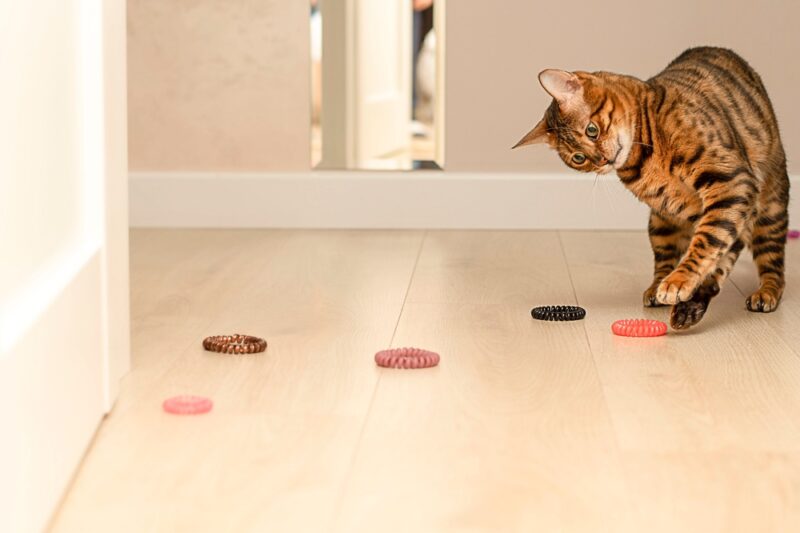 WWW.CATSTER.COMWhy Vets See So Many Cats Who Ate Rubber BandsThe rubber band hits the floor with a soft snap, and before you can blink, your cat is batting it across the kitchen as theyve just caught the worlds bounciest mouse. It stretches, it wiggles, it moves exactly like prey. And thats precisely the problem.Rubber bands might seem harmless, but theyre one of the more dangerous household items cats can swallow. Unlike actual toys designed for cats, rubber bands dont break down in the digestive system. They get stuck. They tangle. And in the worst cases, they require emergency surgery to be removed.Heres what actually happens when a cat eats a rubber band, which warning signs mean trouble, and how to keep your cat entertained without the risk.Why Cats Cant Resist Rubber BandsImage Credit: xusenru, ShutterstockCats are hardwired to chase things that move like prey. Rubber bands stretch and snap back. Hair ties dangle and swing. These movements trigger the same hunting instincts that make your cat stalk toy mice and pounce on a string. The problem is that rubber bands check all the right boxes for fun while checking none of the boxes for safe.Rubber isnt digestible. If swallowed, it doesnt break down. It just sits there in the stomach waiting to cause problems. And because cats are curious creatures with a tendency to chew and swallow first and think later, prevention is your best defense.What to Do If Your Cat Just Swallowed OneFirst, take a breath. Swallowing a rubber band can cause serious problems, but it doesnt always. A small rubber band or a tiny fragment might pass through your cats system without incident.The key is close monitoring. Check the litter box obsessively for the next few days. If you know exactly what your cat swallowed, look for it in their stool. Spotting it in the litter box is the best-case scenario.Size matters here. If the rubber band was small (less than an inch) and your cat is acting totally normal, you can usually continue life as usual while staying alert. But if it was large (over 1.5 inches), thicker, or extra stretchy, contact your vet even if your cat seems fine. Longer or thicker rubber dramatically increases the risk of complications.Keep in mind that rubber bands arent toxicthe danger isnt poison, its obstruction. Objects that cant be digested may sit in the gut for days before causing symptoms, so problems dont always show up immediately.Warning Signs Somethings WrongCats who develop complications after swallowing a rubber band often show these symptoms: Loss of appetite Vomiting (especially shortly after eating) Changes in stool diarrhea or not passing anything at all Lethargy or sleeping more than usual Avoiding play or interaction A painful belly or resistance to being picked up Drinking excessively and vomiting, or drinking very littleIf you know your cat swallowed a rubber band and any of these symptoms appear, call your veterinarian immediately. Even if youre not sure what caused the symptoms, its still important to get your cat checked promptly.Image Credit: 4 PM production, ShutterstockWhy This Is So DangerousRubber bands can cause several serious, potentially life-threatening complications. They can wrap around the tongue, damage delicate tissues in the mouth or esophagus, or create blockages in the stomach or intestines. In some cases, they cause the intestines to tangle or fold in on themselvesa condition called intussusception.When the intestines are blocked, food and water cant pass through. Cats stop eating. They vomit after meals. And if food cant move through the gut at all, a cat may only survive a few days without treatment. Conditions like intestinal tangling can make cats critically ill very quickly, which is why symptoms after swallowing a rubber band are considered urgent.What the Vet Will DoYour veterinarian will start by asking detailed questions such as what your cat swallowed, when it happened, and what symptoms youve noticed. The more accurate you can be, the faster they can make decisions.Theyll examine your cat, checking the abdomen, heart rate, and temperature. If a blockage is suspected, they may recommend X-rays or scans to locate it, plus blood tests to assess hydration, infection risk, and whether your cat is safe for anesthesia. Surgery is often required to remove rubber bands that have caused blockages, so assessing overall health is critical.Each test helps guide treatment and gives your cat the best chance at a full recovery. Dont hesitate to ask questions, as your vet wants you to be informed and comfortable with the plan.If You Can See the Rubber Band, Dont Pull ItIf a rubber band is visible in your cats mouth, resist the urge to yank it out. It may be caught around the tongue or partially swallowed, and pulling could cause serious internal damage. Dont offer food or water. Contact a veterinarian, who can safely remove itsometimes with sedation or anesthesia.The same rule applies if you see a rubber band partially hanging from your cats rear end. Gentle tension is okay only if it slides out easily with no resistance. If theres any tension or it doesnt come freely, stop immediately and call your vet.Image Credit: JumpstoryCan a Cat Die From This?In severe cases, yes. A rubber band can block the intestines and require urgent surgery. The symptoms (vomiting, lethargy, refusing food) can look like many other illnesses, which is why veterinary assessment is so important. If you know a rubber band was swallowed, and your cat becomes unwell, mention exactly what was eaten when you call.Keeping Your Cat Safe Without Killing the FunThe simplest prevention is keeping rubber bands, hair ties, and similar items off counters, desks, and floors. If your cat loves stringy toys, choose safe alternatives like supervised wand toysand always put them away after playtime ends.For cats prone to swallowing things, enrichment doesnt have to involve strings. Puzzle feeders, tunnels, climbing structures, catnip toys, bat-around toys, and even simple DIY options like balled-up paper or cardboard tubes stuffed with treats can provide stimulation without the risk.The Bottom LineCats are natural hunters, and rubber bands trigger all the right instincts. But just because something looks like a toy to your cat doesnt mean its safe. By keeping risky items out of reach and offering better alternatives, youre protecting your cats health while still letting them do what they love: play, pounce, and explore. When in doubt, your veterinarian is always your best resource.Feature Image Credit: ketlit-ShutterstockDid You Know? Our brand-new posts are rounded up and included in our weekly emails. Dont miss out on the latest sign up for our newsletter below!0 Σχόλια 0 Μοιράστηκε 275 Views
 -
 WWW.CATSTER.COMMochi, From Cairo to Brussels, and the One-Person Rescue Team Who Saved HerShe stuck her paw out of the crate as if to say, Let me out. She didnt know she was on her way home.The alarm rings. Not your usualsnooze-and-roll-overkind of alarm this is theMochis going on a planealarm.Checklist time: food bowls lifted so she doesnt sneak a last-minute snack, passport and ticket money checked, crate lined with pads, special plastic zippers locked, name tag written.I place Mochi inside the crate. Sprinkle a little catnip to keep her calm during her journey. A paw shoots out like a tiny protest sign:Excuse me, maam, what exactly is happening here?She doesnt know how could she? that this scary little trip is her bridge to a forever family.Shes only been with me eight months, but thats the only home she knows. I am her person. And I cant help but wonder: when she settles, will she understand what I did for her? Maybe. Maybe not.Mochi RestingWhere It BeganMochis story didnt start in a crate.She was once a tiny calico kitten, sitting alone in a cold winter garden no mother, no siblings, just a small wound and a circle of dogs sniffing around her. One of the security guards spotted her on his way to his shift.Many people would have walked past without thinking much of it. But over the years, as I fed my colony and rescued cats in front of the security and garage workers, something shifted in them. They began to see animals through a different lens. Rescue didnt seem strange anymore it became normal, even possible.That day, he called me and asked if he could bring her to me. I couldnt say no. He showed up at my doorstep with this fragile, wide-eyed kitten, and that was the beginning. She blossomed into a resilient, strong-headed calico girl the Mochi I zipped into a crate eight months later.The FlightWe drive to the airport. For me, its just a few hours of waiting, talking rescue tidbits with fellow rescuers, swapping WhatsApps about other traveling cats. For her, it must have felt like intergalactic travel the noise, the smells, the fear.When she landed in Frankfurt, her adopter who had traveled all the way from Brussels to pick her up sent me a photo. Mochi looked confused, exhausted, and slightly betrayed. My heart sank. But I knew she was in good hands.This wasnt just any adopter. Fourteen years ago, she adopted a silver Mau cat from me, a boy I had namedSilver Sultan. Id found him one night on the street as I was heading to dinner with friends. He was under a year old, far too friendly to survive long out there. So I scooped him up, and in time, he made his way to her.Silver Sultan Before, EgyptSilver Sultan has been with her ever since loved and cared for all these years. So when Mochi went into her arms, I felt a wave of relief. A full circle trust, love, and continuity. Few things in rescue feel as rare, or as precious.Silver Sultan After, BelgiumBack to RoutineThen back home: cats to feed, medicine to give, updates from boarding, clinics, and fosters.How many times have I done this now? At first, I tried to count. Not anymore. The numbers blur. The feelings dont: worry for the one that left, anxiety for the ones still here, and a head buzzing with surgeries, vet bills, and looming financials.A One-Person ShelterHeres the truth no one tells you: what I do every day isnt supposed to be the work of one person. In another country, this would be handled by a shelter with staff and volunteers.But in Egypt, with stray and abandoned pets far outnumbering the few shelters we have, individuals like me end up carrying the load of an entire system.Is it sustainable? Probably not.Can I look away? Definitely not.Will things change soon? Honestly doubtful.The Adoption HurdlesOn top of it all, international adoption has become harder. Inflation makes people think twice. And lets face it everyone wants the fluffy, Instagram-ready cats.Meanwhile, I have a lineup of short-haired domestics and cats with disabilities. Theyre just as loving, just as deserving but not always the pretty ones.Why We Keep GoingSo, how has this been going for nearly 20 years? I dont know. But I do know this: the moment I see a photo of a cat curled up safe in their forever home, every sleepless night and every headache vanishes.Because thats what its about.Silver Sultan in BrusselsThe Bigger PictureIs rescue life different elsewhere? I doubt it. Rescuers everywhere live in a loop: endless rescues, the dread of spotting another animal in need, the fear of answering that call or message about a cat dumped on the street.We rush to post advice, fight against mistreatment, and raise awareness. But most of the time, it feels like were talking to ourselves, inside the rescue bubble.The only real solution? Education on a massive scale. Start in kindergarten. Teach kids that pets are family, not toys. Show them the beauty of all domestic cats and dogs, so specific breeds stop getting all the love. And maybe, just maybe, well raise a generation that adopts adults, not just kittens and puppies.Mochi NowAnd TomorrowFor now, one cat has traveled. How many more to go? Too many to count.But I keep going. Ive been saying that for 18 years now.And tomorrow, Ill probably say it again.Because for Mochi, and for Silver Sultan before her, and for every cat after them, its worth it.If youd like to follow Mochis updates and many more rescue stories you can find me on Facebook (EgyPaws Cat Rescue) or Instagram (@simbakis).0 Σχόλια 0 Μοιράστηκε 245 Views
 -
 WWW.CATSTER.COMPutting the Kibosh on Kitten Season in OhioOn the surface, the term Kitten Season might sound like a cause for celebration, but the sad reality is that it is a phrase that sends shivers down the spines of anyone working in the field of cat rescue and rehoming. With animal shelters becoming more and more overcrowded each year, the annual peak in feline reproduction from May to October puts a massive strain on already exhausted resources, staff, and volunteers. The ongoing problem seems to be that cats are able to reproduce at a rate faster than we can spay and neuter them, which is an issue that two veterinarians in Chillicothe, Ohio, set out to conquer.In an initiative led by Petland veterinarians Dr. Rebecca Atwood and Dr. Sarah Hettinger, a whopping 1,291 feral and rescue cats were removed from the mating pool between January and December 2025. With the help of the dedicated veterinary team at Animal Health Center of Chillicothe, the pair completed 817 spay surgeries and 474 castrations; a significant increase on previous years. Considering that an unspayed female cat can produce over a hundred kittens in her lifetime, the exponential effect of spaying this many cats is huge.We know how overwhelmed shelters and rescues become every year, said Dr. Atwood. With Petland stores serving as an outlet for cat placement, we knew we could and should do more. Spaying and neutering protect the health of these cats and directly address the overpopulation issue in our communities.By acting as a conduit between animal shelters and prospective pet parents, Petland has been able to take a little bit of the load from rescue organizations and facilitate the neutering and rehoming of cats that may otherwise be overlooked. This far-reaching, community-wide response focused not only on adoption but also aon ddressing the root cause of overpopulation.Dr. Hettinger and her team worked closely with area rescue partners, including Cats & Company, The Cat Round Up Rescue, Purrrfect Companion, and Petlands Adopt a Kitten/Cat Program. While kitten season typically peaks between May and October in Ohio, the veterinarians emphasized that feral cat overpopulation doesnt really have a low period.While we see a seasonal spike every year, the feral cat population doesnt take a break, Dr. Hettinger explained. We made room in our schedule to perform as many surgeries as possible to help put a dent in the local homeless cat population.Each cat received a pre-surgical health check and medical care as needed. All cats in Petlands adoption program were also vaccinated, tested for FIV and FeLV, to ensure they were fit and healthy for placement in their forever homes.The health benefits are substantial, said Dr. Hettinger. Spaying and neutering prevents unintended litters, reduces medical and behavioral issues, and increases the likelihood that cats can be placed into loving homes.As a result of this collaboration, hundreds of cats are now healthier and on their way to loving homes, and there will be fewer litters, putting pressure on animal shelters. Petland is encouraging its other franchisees to form similar partnerships with local shelters and vets to help reduce cat overpopulation and improve the health and welfare of their communities. And always remember: adopt, dont shop!Did You Know? Our brand-new posts are rounded up and included in our weekly emails. Dont miss out on the latest sign up for our newsletter below!0 Σχόλια 0 Μοιράστηκε 239 Views

 English
 Arabic
 French
 Spanish
 Portuguese
 Deutsch
 Turkish
 Dutch
Dutch
 Italiano
 Russian
 Romaian
 Portuguese (Brazil)