0 Yorumlar
0 hisse senetleri
18 Views
Rehber
Elevate your Sngine platform to new levels with plugins from YubNub Digital Media!
-
Please log in to like, share and comment!
-
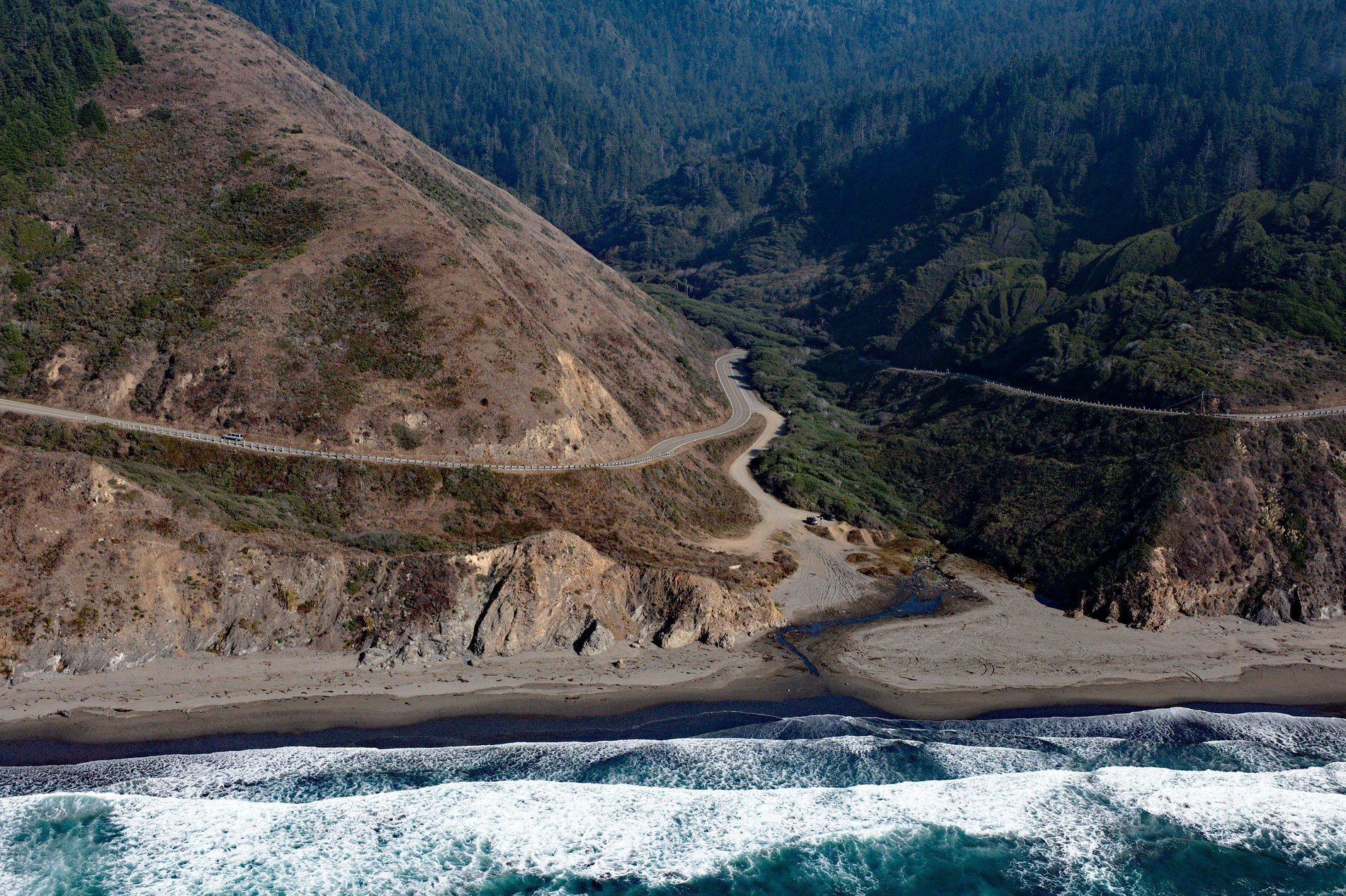
YUBNUB.NEWSCalifornia Transfers 136 Acres of Mendocino Coastline to Indigenous tribesThe return of Blues Beach and surrounding bluffs marks the first time California land managed by Caltrans has been transferred back to Indigenous tribes.By yourNEWS Media Newsroom California is returning0 Yorumlar 0 hisse senetleri 18 Views -
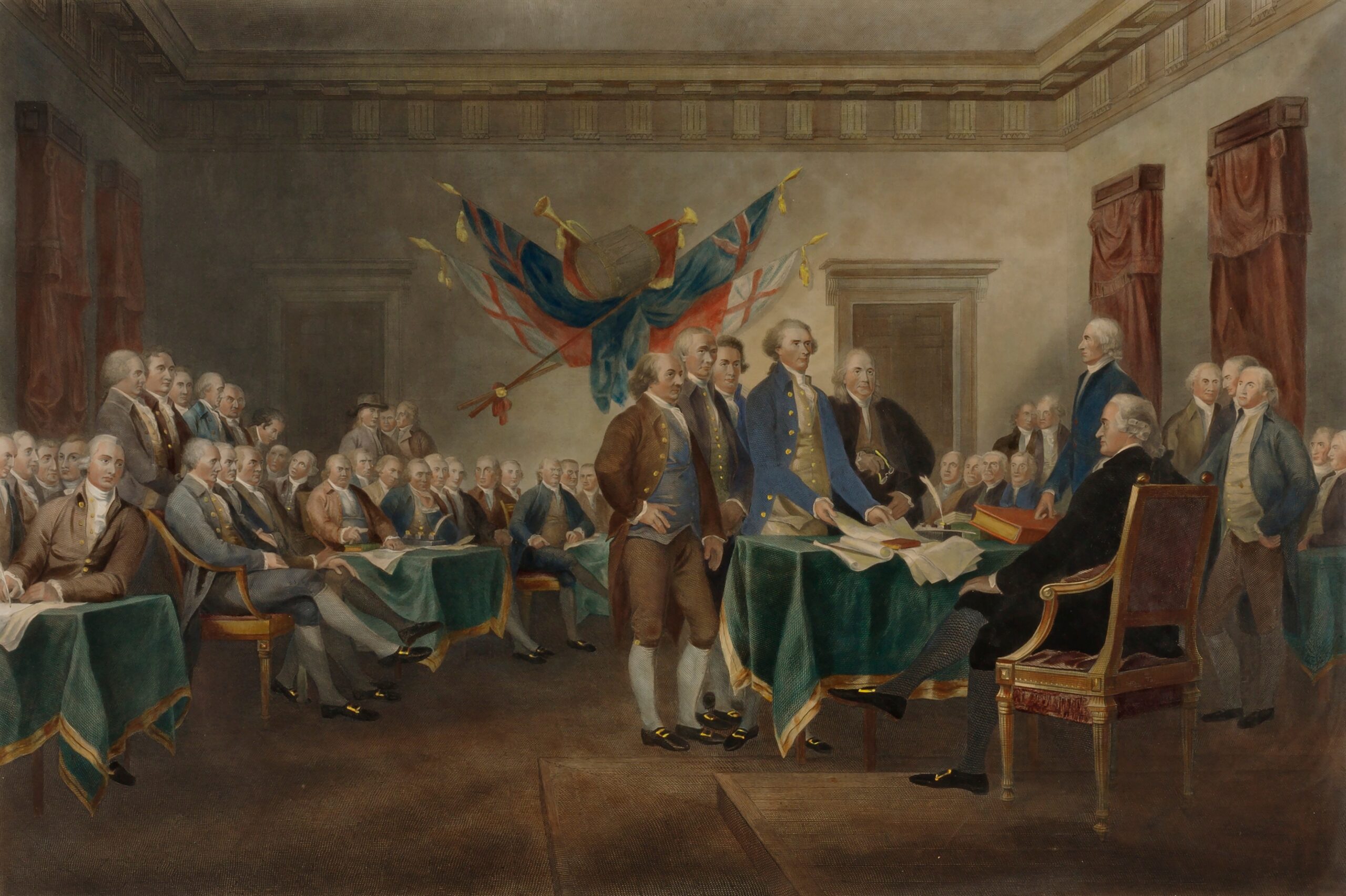
YUBNUB.NEWSDeclaration Signers Risked Capture, Ruin and Treason Charges in Fight for IndependenceAs the United States marks 250 years since the Declaration of Independence was adopted, the lives of the 56 signers show the personal cost of pledging our Lives, our Fortunes and our sacred Honor.By0 Yorumlar 0 hisse senetleri 18 Views -
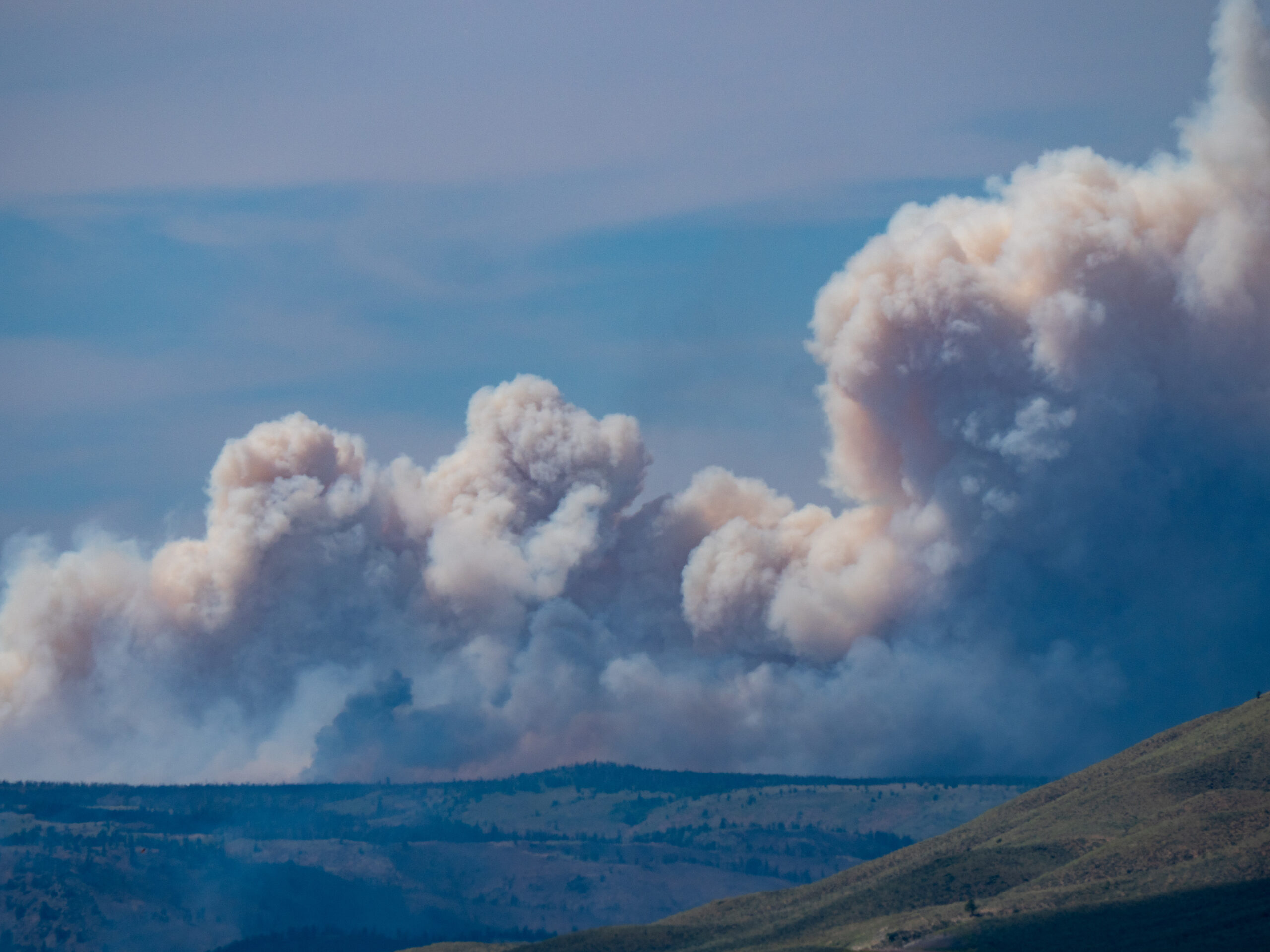
YUBNUB.NEWSAspen Acres Fire Destroys More Than 160 Structures as Colorado Communities EvacuateThe wildfire southwest of Denver grew to about 115 square miles with no containment Friday, prompting evacuations across Pueblo and Custer counties as crews battled the blaze by air and ground. By yourNEWS0 Yorumlar 0 hisse senetleri 18 Views -
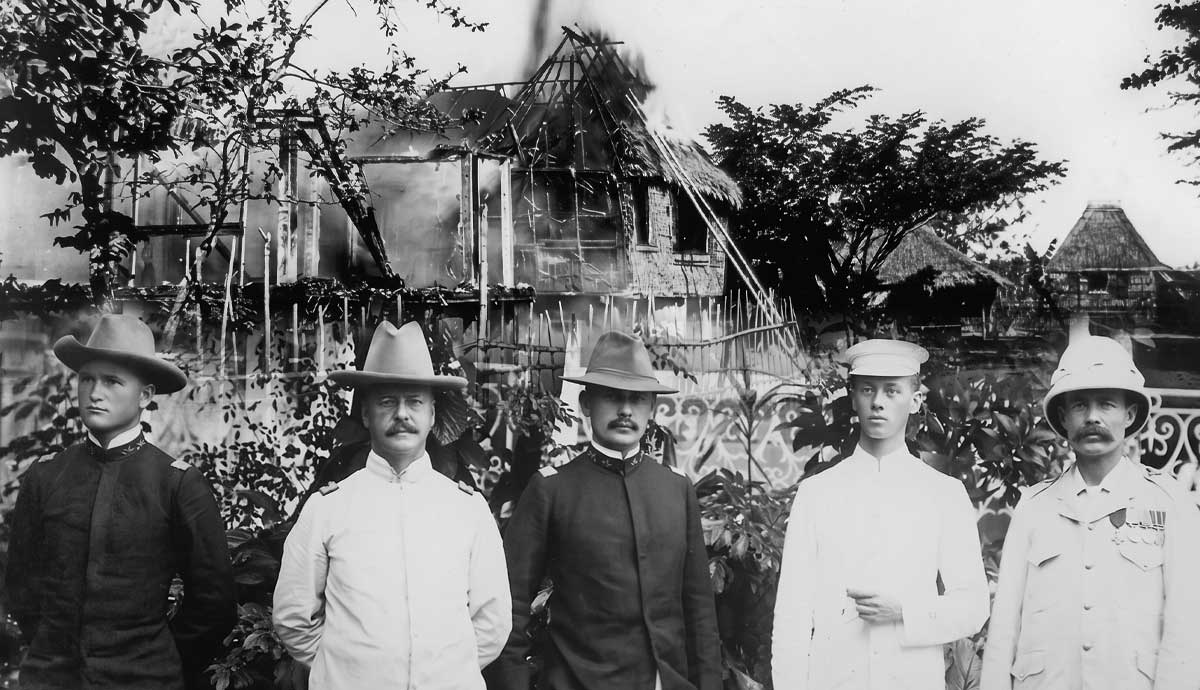
WWW.THECOLLECTOR.COMHow the First US War Crimes Hearing Exposed Atrocities to Public ScrutinyIn 1902, the Lodge Committee in the US Senate held hearings on alleged American war crimes during the counterinsurgency in the Philippines. While these hearings did not lead to major prosecutions, they did help convince the American government to wind down the war effort and set a precedent in Congressional oversight.The American Occupation of the PhilippinesA photo of US troops firing from a trench during the fighting on Luzon, 1898. Source: The Filipino Veterans Recognition and Education ProjectFrom 1898 to 1902, American forces were locked in a brutal counterinsurgency against the Philippine revolutionaries led by Emilio Aguinaldo. For years, the Filipinos had fought against Spain and were happy to have American support when the United States offered to kick the Spanish out during the Spanish-American War. However, Aguinaldo and his allies underestimated the American desire to occupy the islands themselves. When talks between both parties broke down, American forces took advantage of a clash on the outskirts of Manila to launch an offensive against Aguinaldos forces. In a series of battles, American forces overwhelmed their smaller, weaker Filipino opponents.As American forces advanced out of Manila, they found themselves fighting in difficult terrain against an enemy supported by much of the civilian population. This became a major issue for American troops and led Washington to deploy more men to help control the ground the American VIII Corps had taken. American commanders quickly learned that the fighting was similar to what many of them had experienced when fighting Native American tribes in the Wild West. As a result, the campaign became less of a conventional military offensive and more of an occupation and a counterinsurgency.At the height of the war in 1900, the United States had just over 74,000 men stationed on the islands, not including naval and marine contingents supporting ground operations. Around 30,000 to 40,000 men were engaged in patrolling the islands to fight the rebels, while the remainder were engaged in garrison and reconstruction duties. Against this force were 80,000 to 100,000 men and women, although the Filipinos were very disorganized after the capture of Aguinaldo and the deaths of many of his subordinates.The Culture in the US MilitaryAmerican troops waterboarding a Filipino, 1902. Source: Time MagazineThe tactics employed by American forces to crush the Filipinos were brutal and enabled by their commanders. At the start of the war, 26 out of 30 American general officers who deployed to the Philippines had experience fighting the indigenous peoples in the American West. They brought with them a mindset that insurgents like the Filipinos were savages that needed to be crushed by brute force. Some American veterans even referred to the Filipinos as Indians. The United States, at the time facing enormous racial tensions and violence at home, saw the conflict largely through a racial prism that infected the mindset of its troops.The US Army often had difficulty identifying who was an insurgent versus a civilian. They began using the practice of the water cure,today known as waterboarding, on random Filipinos suspected of supporting the guerrillas. Additionally, they burned down villages suspected of supplying the guerrillas. These incidents were not random; they were approved by American commanders, who hoped that ruthless force could end the revolt. Because the United States never recognized the independence of the Philippines, the US military did not treat Filipino prisoners as POWs but as detainees that could be abused and mistreated.The scale of the abuse and ill-treatment came to a head with the Samar campaign in 1901-1902. After an ambush on American troops in the village of Balangiga, President Theodore Roosevelt ordered the US to pacify the island. Brigadier General Jacob Smith ordered his subordinates to torch every village they could and said he considered everyone over 10 years old a combatant. After a series of atrocities, the general and Marine Major Littleton Waller were put on trial for misconduct and murder. While Wallers acquittal caused an outcry, there had been an attempt to hold them to account, while other American officers who committed the same atrocities evaded scrutiny.The Anti-Imperialist League and Opposition Within CongressSenator George Frisbie Hoar, a major opponent of the war and one of the senators on the Lodge Committee, 1870s-1880s. Source: Library of CongressIn June 1898, a coalition of American politicians, businessmen, and academics formed the American Anti-Imperialist League. Their purpose was initially to oppose the American annexation of the islands, but soon evolved to demanding a full American withdrawal and recognition of Philippine independence.Among their members were the author Mark Twain, businessman Andrew Carnegie, and former president Grover Cleveland. Their motives for opposing the war differed. In some instances, members opposed the war on moral grounds, claiming that Americas annexation of the islands was against the values of the country. Others, especially southern politicians, feared that the war would lead to an influx of Filipinos to the US and sought to pander to nativist attitudes.When news of the atrocities began to reach American newspapers, the League pounced on the Roosevelt administration. Handing out leaflets and organizing protests, the League convinced a significant number of members of Congress to declare their opposition to the war. Even some supporters of the war and administration officials were concerned about the optics of American war crimes making it to the newspapers. Increasingly, members of the public began demanding accountability for American actions overseas.Leading the charge was Senator George Frisbie Hoar. When news of Smith and Wallers actions began to reach the US, he convinced Republican senator Henry Cabot Lodge to hold hearings through the US Select Committee on the Philippines. Lodge, an ally of President Roosevelt, hoped that these hearings would dispel any notions that the US was committing war crimes on a systemic level. Membership of the committee included seven supporters of the administration and six opponents, and the hearings began in January 1902.The Start of the HearingsA photo of a Filipino village that was burned by American troops. Source: Library of CongressAs soon as the hearings began, it became clear that Senator Lodge was attempting to limit the damage they could do to the administration. Witnesses being called were supposed to be from a safe list provided by Secretary of War Elihu Root. Attempts by some anti-war Democrats to call Filipino leaders like Aguinaldo and Apolinario Mabini as witnesses were shut down by Lodge and his allies. Lodge initially held the hearings behind closed doors. He only allowed representatives from three major press associations to attend, citing inadequate space as a justification.However, these efforts failed. Future president William Howard Taft, then the governor of the Philippines, tried to downplay the atrocities committed by American forces. However, in the course of the questioning, he admitted that the use of torture (especially the water-cure) was widespread. His attempt to claim that the Filipinos were the main actors behind the wars atrocities led to accusations of perjury. Additionally, his admission of the use of torture led to mockery of his other claims that the US presence on the islands benefited the Filipinos.Subsequently, Lodge called General Robert Hughes, David Barrows, a school director on the islands, and General Elwell Otis, who commanded the VIII Corps for a period of time. Hughes admitted that American troops burned down villages and homes as a way of collectively punishing the islands. Otis openly claimed that there was no state of war, something even Lodges allies on the committee found unbelievable. As the hearings continued, it became clear that the administration was losing the narrative.Testimony From US Troops and CommandersGeneral Arthur MacArthur and his staff. He testified before the committee. Source: United States Department of DefenseCommittee members insisted on having some members of the military testify before the committee to discuss American troop conduct. The press began receiving letters from American troops describing what they witnessed in the Philippines. The Anti-Imperialist League published many of them in case they werent exposed in the hearings. A captain from Kansas wrote: Caloocan was supposed to contain 17,000 inhabitants. The Twentieth Kansas swept through it, and now Caloocan contains not one living native. Others exposed the rampant racism that was pervasive among American ranks.Major Cornelius Gardner, who was the provincial governor of Tayabas, the province next to Batangas, submitted a report which Lodge laid before the committee on April 10. The report indicated that American commanders were encouraging their men to burn villages and torture locals for information. He claimed that he was very concerned that these atrocities would only cause more attacks from the locals on American troops. The military actively tried to discredit him and even announced an investigation into his conduct. Even though Lodge agreed to allow his letter to be read in public, he was not allowed to testify in person at the committee.Other American soldiers testified that they witnessed atrocities, including the future actor Richard Garrick, then a soldier stationed in the Philippines. General Arthur MacArthur was brought to testify, where he distanced himself from General Jacob Smiths orders to kill everyone over ten years old on Samar. Other American officers claimed that the use of concentration camps was normal and that conditions in the camps were better than those in the villages around them. As testimony went on, Lodges allies routinely feuded with Hoars allies, engaging in shouting matches over the rules set by Lodge.The Legacy of the HearingsA detachment of American troops around the bodies of Moro insurgents near the village of Bud Dajo, 1906. Source: John R. White Papers, Knight Library, University of OregonOn June 28, 1902, the committee concluded its hearings on atrocities in the Philippines and published a 3,000-page report on what it uncovered. However, because there was no consensus on what the hearings actually proved, it was written to reflect the administrations line, leading it to whitewash much of the testimony that exposed wrongdoing. Excepting those against Smith and Waller, no further criminal charges were filed and the media turned its attention elsewhere.Hoping to turn the page and take advantage of the weakness of the Filipinos, President Roosevelt announced a general amnesty for everyone in the conflict and an end to major military operations. This meant that, while no Filipino would be tried for taking part in the insurrection, no American would be tried for involvement in war crimes committed there. Hostilities did not totally end; Muslim rebels in the southern islands continued fighting the Americans until 1913. American forces committed additional atrocities there, such as the Bud Dajo Massacre. Attention in the US turned elsewhere: the war in Europe, the invasion of Mexico, and growing labor tensions at home. While Congress debated the future status of the Philippines, few Americans thought about what happened there.The hearings did set a precedent. Never before had the US Congress held an extended hearing on alleged atrocities committed by American forces during a war. The brutality of the American crushing of the rebellion meant that many Americans were unwilling to control the islands for a long time and supported efforts by Congress to recognize Philippine independence. Additionally, the taboo of Congress addressing American troop conduct was shattered.In 1971, Senator J. William Fulbright chaired hearings that exposed American troop misconduct towards Vietnamese civilians. These hearings, like the Lodge Committee, did not lead to serious prosecutions, but they helped turn the American public against the war.0 Yorumlar 0 hisse senetleri 18 Views -
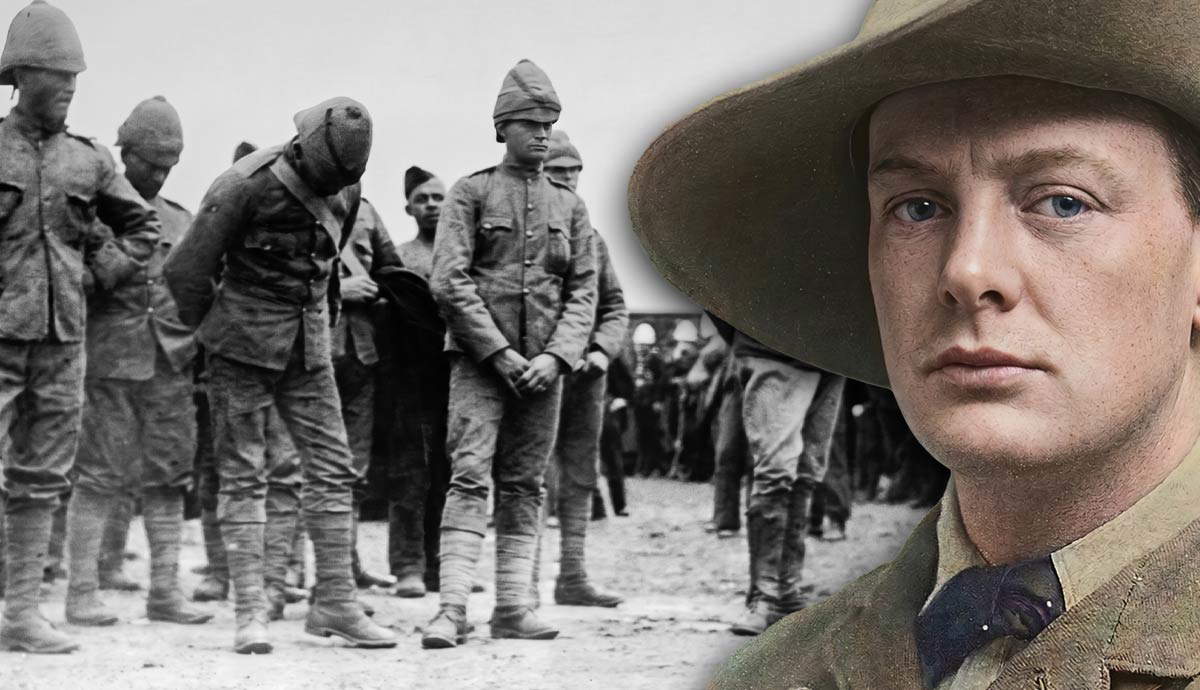
WWW.THECOLLECTOR.COMHow a Young Winston Churchill Escaped Prison and Survived the Boer WarIn 1899, Winston Churchill managed to sneak out of a schoolhouse being used as a prison by the Boers. He managed to travel 300 miles to freedom with limited supplies and no knowledge of local languages. This event helped catapult him to fame and launched his political career.Why Was Churchill in South Africa?Winston Churchill and other reporters right before the war, 1899. Source: HistorynetThe Great Anglo-Boer War of 1899-1902 attracted an enormous press contingent, making it one of the most covered conflicts up to that point. Journalists could telegraph their dispatches to their newsrooms rapidly. The British Education Act of 1870 helped increase literacy in Britain drastically, creating a desire for up-to-date coverage. Portable cameras became more widespread as well, making it easier for reporters to take photographs without having to carry heavy equipment. Since South Africa had already attracted a lot of media attention even before the outbreak of war, it was no surprise that a lot of journalists wanted to witness the coming storm. Several hundred reporters from around the world covered both sides of the war.Enter Winston Churchill. In October 1899, he arrived in Cape Town as a war correspondent for The Morning Post. Britain was preparing for hostilities with the semi-independent Boer (AKA Afrikaners) Republics. A military man, Churchill viewed war and the resulting fame as a necessary springboard for his political career. He had unsuccessfully run for Parliament in July 1899 and believed that war heroism would make him a more attractive candidate in the next election. His late father Lord Randolph Churchill had significant experience of the region and Winston himself hoped to get himself as close to the fighting as possible.In November, he convinced his friend Captain Aylmer Haldane to take him on a reconnaissance mission. Haldane consented, bringing him on board an armored train headed north from the town of Estcourt. At the time, British forces were preparing to launch a relief operation to save the besieged garrison of Ladysmith. Like Churchill, British commanders underestimated the Boers, assuming that they were a group of ill-equipped farmers. They were in for a rude shock.The Seizure of Churchills TrainDamaged train carriages following the derailment. Photograph by Ren Bull. Source: www.angloboerwar.comOn November 15, 1899, Boer commandos led by the future South African statesman (and, ironically, future friend) Louis Botha ambushed Churchills train. On board were detachments of the Dublin Fusiliers and Durham Light Infantry. Near the Blaauwkrantz River, Boer riflemen hit the engine and forced the train to reverse onto rocks which they had placed on the tracks to stop the train. Churchill, Haldane, and the other soldiers disembarked and began firing towards the Boers. The engineer was hit and panicked, hoping to flee. Churchill kept him on the locomotive and helped get the rest of the contingent organized. However, the Boer riflemen were lethal shots and killed and wounded several soldiers before they could react.About 40 to 50 wounded men were crammed into the trains locomotive before it steamed off as the unwounded soldiers ran beside it, using the locomotive to block Boer fire. However, several men remained on the track, Churchill and Haldane included. The fighting was brutal and four men were killed, and 30 wounded. The British stretched themselves thin on the tracks, hoping to present a smaller target. They took cover behind several train cars, though they proved little impediment to the projectiles fired by the Boers. Churchill himself got separated at one point from the men when he tried clearing some of the debris off the tracks.When he returned to join Haldane and the stranded soldiers, he ran into a detachment of Boer commandos that were lying in wait. One of them, Field Kornet (commander) Sarel Oosthuizen, ordered him to surrender. Since Churchill left his revolver on the train, he had no choice but to be taken prisoner. Haldane and 56 others were captured, many of them wounded. Churchill had witnessed conflict before as a reporter and in his prior years as a soldier. However, this was the first time he came face-to-face with soldiers from an enemy army.Prison in Staats Model SchoolA picture of Churchill and other British POWs in Pretoria, 1899. Source: Smithsonian MagazineChurchill was lucky that his captors treated him as a normal prisoner. Because he was technically a civilian with a weapon, they could have shot him out of hand. However, he wore army khaki and had one of the helmets of the Fusiliers. Even though he pleaded to be let go on account of his status as a journalist, the Boers knew who he was and figured that the British would offer a good deal of money to ransom him. Therefore, they sent him along into captivity with the rest of the captured Brits. Despite his bravery, some British officers thought he was too reckless.After briefly being held in an armory, Churchill was taken to the city of Pretoria, then the capital of the Transvaal, one of the two Boer Republics. He was sent to a school where the Boers kept British officers as prisoners. This school, the Staats Model School, was a single-story brick building, divided into five sections. The building was surrounded by a ten-foot-high iron fence and was located in the central part of Pretoria. By the time the British liberated the prison, they found around 160 prisoners were held there, mostly officers.Unlike conditions for enlisted men in squalid camps, the Staats Model School proved to be nicer for officer prisoners. They had access to a library and could receive news from sympathetic locals, such as a man nicknamed the Dog Man who whispered updates while walking his St. Bernard. There was a garden and playground area where Churchill and others spent their nights plotting escapes. He was miserable and angry, often arguing with his captors over the righteousness of the war. It wasnt long before he began to execute a plan to break out.The Daring EscapeThe Staats Model School, where Churchill was held. Photograph by Janek Szymanowski, 1988. Source: Wikimedia CommonsAfter four weeks in captivity, Churchill managed to make his escape. He spoke with Captain Haldane and a sergeant named Brockie and they agreed to sneak out through a gap in the fence near the latrine. On December 12, Churchill made it out and waited an hour near the compound until it became clear that his comrades could not follow. His decision to continue was risky; he didnt have many rations, a map, or a compass. He also didnt speak Dutch, Afrikaans, or any native African languages.Wearing civilian clothing, he snuck through the streets of Pretoria at night past several policemen who were supposed to be watching for saboteurs and spies. Many people were out and about, but few paid him any mind. Churchill did not attempt to linger for long; he knew that the Boers would discover his absence and begin to hunt him down. He didnt have a map, but he could use the stars to navigate and he also knew that Pretoria had a railway headed for Delagoa Bay in the Portuguese colony of Mozambique. He began walking down the track for the long trek east.The next morning, the Boer guards at the school realized that he was missing during the morning roll call. He had stuffed his bed with items he didnt want to bring because he wanted the guards to assume he was still in bed. He even left a note taunting the Boers. The Transvaal government issued warnings to its border posts and police stations that they needed to search for him. A 25 reward was issued for his arrest and hundreds of people were involved in searching for him.Hundreds of Miles Through the VeldtA Map of Churchills route on December 13-14, 1899 after escaping from prison. Source: International Churchill SocietyThe initial walk was very difficult. He stumbled through the veldt (plain) and almost drowned in a river. However, he managed to sneak aboard a coal train headed to Mozambique, covering himself with coal to hide from any observers. When the train had to stop at a station, he jumped off before the police could find him. He knew that there was a reward for him and a lot of people were involved in trying to arrest him. Search parties were systematically checking farmhouses and outbuildings, assuming that he was hiding in one.His lack of rations became a real problem. Any farmer that he wanted to ask for food from could turn him over to the police. He walked for several nights, drinking any water he could obtain and stealing food from local farms. One night, he almost collapsed due to exhaustion. When he came upon a coal mine near the town of Witbank, he knocked on the door, fearing that he would die without getting help. To his surprise, an Englishman named John Howard answered. He was the manager of the Transvaal and Delagoa Bay Colliery. Howard and his colleagues, Charles Burnham and an engineer named Dewsnap, agreed to hide Churchill at the bottom of the mine. They slipped him food and water in a tin and plotted to get him to the border. He waited at the mine for six days until the Boer patrols stopped coming around the area.At approximately 2:00 a.m. on December 19, Howard and Burnham smuggled Churchill onto a freight train at the Witbank siding. Burnham had arranged for a train to carry wool and cotton bales to Delagoa Bay and Churchill was to be transported on it. They carved out a small cavity in the center of a rail truck, where Churchill was bundled with a few provisions, including a pistol and some whiskey. For 60 hours, he waited motionless while the train thundered towards the border.Freedom in Loureno MarquesChurchill after his escape in the uniform of the South African Light Horse, c. 1900. Source: HistorynetAt last, on December 21, his train crossed the border to Mozambique. After the train pulled into the station at Loureno Marques, Churchill jumped out, filthy and covered in wool fibers. He walked straight to the British Consulate, where the Union Jack was flying. When the staff tried to turn him away, he yelled, I am Winston Bloody Churchill! Come down here at once! The staff got his story and gave him a room so he could clean up. He took the next steamship headed for the South African port of Durban so that he could get back to reporting on the war. Having been out of touch with much of the outside world, he was stunned to learn of the international attention paid to his story of escaping Pretoria.When his ship docked in Durban on December 23, he was met with a reception usually reserved for conquering generals, as his escape had become a rare spot of good news for a British public reeling from early war defeats. Almost every British colonial official and military officer in the city wanted to meet with him. He was lifted onto the shoulders of the crowd and carried in a jubilant procession through the streets of Durban to the steps of the Town Hall. There, he gave a speech predicting victory over the Boers and decided to run for Parliament again.Churchill still hoped to cover the war from up close. While still on contract with The Morning Post, he joined a newly-created cavalry regiment called the South African Light Horse. He witnessed some of the worst fighting of the war at the Tugela River and at Spion Kop. In a stunning turn, he even personally rode to the Staats Model School to liberate his old comrades. When Britain had its so-called Khaki Election in 1900, he won a seat in Oldham for the Conservative Party. His exploits in South Africa were just one chapter in his journey to fame.0 Yorumlar 0 hisse senetleri 18 Views -
-
-
WWW.DUALSHOCKERS.COM10 Games to Play for the United States' 250th AnniversaryIt's very rare these days that modern sovereign states get to celebrate momentous anniversaries such as being around for over a century, but the United States of America will soon celebrate being around for a quarter millennium on Independence Day 2026, 250 years after declaring independence from Great Britain in 1776.0 Yorumlar 0 hisse senetleri 20 Views -
WWW.PCGAMESN.COMMy Dino Park codes (July 2026)Running out of meat for your carnivorous creatures? Veggies for your voracious herbivores? Simply need a little extra moolah for another Mussaurus? These new My Dino Park codes can help you build the park you (and your visitors) have always dreamed of. Feed your dinos and show the world that Jurassic Park wasn't such a terrible idea after all - My Dino Park is all about building your perfect prehistoric playground. Hatch eggs, build enticing enclosures, and reinvest the profits of your dino delight back into making it the best possible place to see the creatures of yesterday today.0 Yorumlar 0 hisse senetleri 20 Views