• YUBNUB.NEWS
    DOGGONE: California Woman Registered Her Boxer to Vote to Prompt Investigation. Now She Faces Charges
    A woman facing voter fraud charges in California said her first reaction when investigators contacted her last August was, Thank God, finally, someones looking into this. The state is probing
    0 Comments 0 Shares 6 Views
  • YUBNUB.NEWS
    AXE Attack Photo Shakes IDF
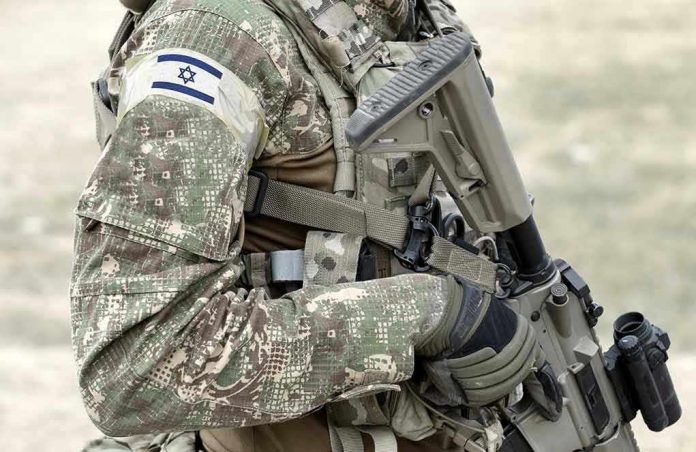
    A single photo of a soldier swinging an axe at a Jesus statue has become a flashpoint for why military power still needs moral guardrailsespecially in Christian towns caught in the crossfire. Quick
    0 Comments 0 Shares 6 Views
  • YUBNUB.NEWS
    Arizona Judge Overrules Stephen Richers Election Power Grab In Maricopa County
    [View Article at Source]The Maricopa County Board of Supervisors 'acted unlawfully and exceeded its statutory authority by seizing [Recorder Heap's] personnel, systems and equipment and refusing to return
    0 Comments 0 Shares 6 Views
  • YUBNUB.NEWS
    Speaker Mike Johnson Helps Kick Off America Reads the Bible in D.C.
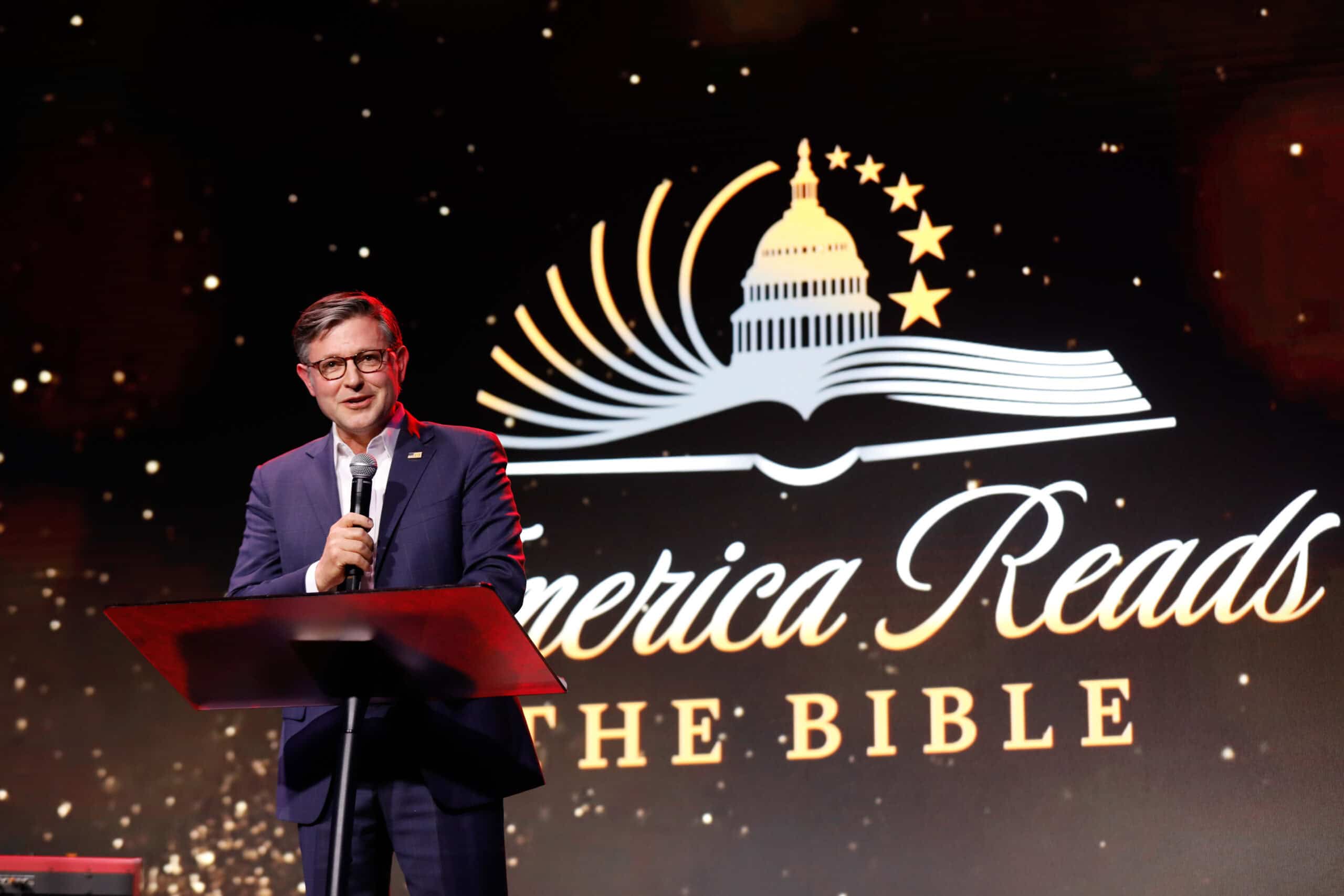
    Close to 500 people, individuals ranging from President Donald Trump and Speaker Mike Johnson to government leaders and everyday citizens, are delving into Gods Word this week as part of America
    0 Comments 0 Shares 6 Views
  • WWW.THECOLLECTOR.COM
    6 Must-See Marvels of Inca Architecture
    Scattered across the Peruvian Andes are architectural marvels that defy explanation. The Inca, masters of stone and landscape, engineered structures so advanced that they have survived for centuries.Their iconic masonrymassive, mortarless blocks shaped with stunning precisionis a testament to the power of the largest pre-Columbian empire in the Americas. From world-renowned citadels to remote jungle ruins, here are six must-see sites that reveal the incredible story of Inca architecture.Quick Guide to the Marvels of Inca ArchitectureSiteLocationBest for travelers whoKey featuresMachu PicchuAndes Mountains, Cusco RegionWant the iconic, all-encompassing Inca experience with breathtaking mountain viewsTemple of the CondorPrecision, mortar-free stoneworkSacsayhuamnOverlooking CuscoAre fascinated by massive-scale military architecture and unique natural rock formationsZig-zagging fortress wallsEnormous stone blocks (150+ tons)Natural rock slides (suchuna)QorikanchaCusco city centerWant to learn about the fascinating intersection of Inca and Spanish culturesOriginal Inca walls as the foundation of a conventTrapezoidal doorways and nichesOn-site museum with mummiesOllantaytamboSacred ValleyWant to explore a living Inca town and see a temple complex frozen in mid-constructionThe Wall of the Six MonolithsSteep agricultural terracesQullqas (storehouses) on the mountainsideRaqchiCanchis ProvinceAppreciate unique building techniques and want to see one of the tallest structures in the Inca Empire45-foot central temple wallMix of stone and adobe constructionCylindrical support columnsChoquequiraoVilcabamba mountain rangeEnjoy adventurous hikes and seek an off-the-beaten-path lost city with unique artistic detailsSunchu Pata ceremonial centerTerraces with camelid rock artRemote, uncrowded atmosphere1. Machu PicchuMachu Picchu, 2018. Source: Kristen JancukMachu Picchu tops every list of must-see sites in the former Inca Empire. Indeed, there is no better place to be completely enchanted by the Incas mastery of stone masonry, their coexistence with their natural environment, and their relationship with their gods and spirits.Most modern scholars believe Machu Picchu was built as an estate for Sapa Inca Pachucuti in the mid-15th century, and was actually called Huayna Picchu by the Inca themselves. Declared a UNESCO World Heritage site in 1983, many of its outbuildings, constructed of field stone, had crumbled and have since been reconstructed. Its larger buildings and temples, showcasing the Incas expert stone masonry, remained intact, as did many of the farming terraces.Machu Picchu is nestled in the valley between two enormous mountains, often shrouded by low clouds in the morning, adding to its air of mystery. Its buildings blend neatly into the surroundings, with features like the Temple of the Condor built directly into the rocky terrain.The Incas precision stone masonry, with large stone blocks fit together seamlessly using no mortar, as well as more subtle features of their architecture, like trapezoidal doors and windows, can be seen throughout the site. It also boasts an intihuatana stone, a rock sculpture that researchers believe the Inca used for astronomical purposes. It aligns perfectly with the sun at the solstices and likely had spiritual significance as well, connected to the worship of the sun god Inti.2. SacsayhuamnTrapezoidal doorway at Sacsayhuamn. Source: Peru TravelSacsayhuamn served as a fortress during the Spanish invasion. It overlooks the ancient Inca capital, Cusco, and is surrounded by a zigzagging wall of precision-cut stone.Much of the sites architecture was dismantled after the Spanish conquest, with colonizers repurposing the stone for their projects. What remains, however, is still impressive. It showcases the Incas renowned precision stone masonry, with some impressively large stone blocks thought to weigh over 150 tons.While the sites foundations were largely built into the existing rock, no one knows how the Inca managed to transport the enormous stone blocks there. According to Spanish chronicler Pedro Cieza de Leon, 20,000 men worked on the site, transporting the blocks with sturdy ropes.Sacsayhuamn was commissioned by Pachacuti, though it had been in use earlier by the Killke culture. Its distinctive zigzag shape is thought by some scholars to represent the head of a puma, a sacred animal in Inca mythology. Housing a temple to the sun, it was used for religious and ceremonial purposes in addition to offering protection for thousands should Cusco come under siege. After the Spanish took hold of Cusco, Sacsayhuamn served as a base for Sapa Inca Manco Capac as he fought to regain control.Natural rock slides at Sacsayhuamn. Source: Antipode PeruA particularlydistinctive feature of Sacsayhuamn is therodadero,in Spanish, or suchuna, in Quechua, bothmeaning slide. A natural rock formation incorporated into the site, these grooved and polished rock slides are zipped along by tourists todayand according to Garcilaso de la Vega, a 16th-century chronicler, they were used by the Inca Empires children for the same purpose 500 years ago. The site also hosts the annual Inti Raymi festival, a reenactment of the Incas winter solstice celebration.3. QorikanchaThe Convent of Santo Domingo was built over Qorikancha, with the original temple wall visible. Source: Peru HopWhen the gold-hungry Spanish invaders reached Cusco, they were no doubt delighted to lay eyes on Qorikancha. This complex included the empires most significant temple to the sun god Inti.Intis temple had gold-plated walls, golden ornamentation throughout, and an adjoining garden full of gold animal statues. The gold was ultimately stripped, possibly to ransom Atahualpa, whom the Spanish killed anyway. Most of the stone was dismantled and repurposed for new Spanish constructions, and the Convent of Santo Domingo was built atop what remained.What remains, however, showcases the Incas impeccable stonework and provides a unique example of an ancient temple. From the outside, the massive stone blocks that now serve as the foundation of the convent can be observedthey have remained standing for centuries, while the convent on top has had to be rebuilt multiple times after earthquakes.Inside, several original rooms remain and have been turned into a museum featuring many relics found during excavations at the site, including mummies. In addition to these artifacts, visitors can appreciate some of the unique elements of Inca architecture, including trapezoidal doorways and niches likely used to display the golden decorations the Spanish so coveted.4. OllantaytamboA birds eye view of the Ollantaytambo complex. Source: Peru TravelIn what is today referred to as the Sacred Valley, the Inca conquered a number of smaller cultures and established thriving estates at key sites to control the valley.Ollantaytambo is believed to have been occupied by the Huari for several hundred years before the dramatic expansion of the Inca Empire began. Here, the Sapa Inca built a personal estate and began constructing a temple complex. During the conquest, Ollantaytambo acted as an important stronghold for Manco Capac, who, according to Spanish sources, amassed a large army and fought back against the Spanish advance, employing a clever tactic to flood the plain below and mire the Spanish horses in mud.Nestled between towering mountain peaks, the Ollantaytambo complex features the Incas reinforced terraces and a mix of finished and unfinished structures. Carved stone blocks are scattered around the base. Some are mostly untouched, while others are intricately carved into precise shapes with double jambs, suggesting further construction was underway when the site was abandoned.Qullqu or storehouse built into the mountainside at Ollantaytambo. Source: Photo by author Kristen JancukA climb to the top of the steep terraces reveals the incomplete Temple of the Sun and the Wall of the Six Monoliths. Enormous stone blocks standing over twelve feet tall are fitted precisely together, with no indication of how the Inca managed to get them up there. The view from the top gives visitors a peek at the famous qullqas, storehouses built into the sides of the mountains. These once appeared all over the empire along the Qhapaq Nan.5. RaqchiThe remains of the Temple of Viracocha at Raqchi. Source: Peru TravelRaqchi is located about 70 miles south of Cusco. It was occupied by pre-Inca cultures, including the Wari, before being taken over by the Inca. The god Viracocha, a creator god worshiped by a number of pre-Inca cultures, was said to have performed a miracle here. He led his people, the Canas, to create a shrine, or huaca, to him.When Sapa Inca Huayna Capac, the last true Sapa Inca who ruled just prior to the Spanish conquest, saw the shrine and heard the story of the gods miracle, he decided a more impressive dedication was needed. He began construction of a temple and housing for religious figures, such as priests and nuns (called mamacona and yanacona).What remains of this temple is a 45-foot-high central wall. It stands in sharp contrast to other important Inca sites in its use of both stone blocks and adobe. Precision-shaped stones form a sturdy base for the adobe bricks, with both sections of the wall featuring the Incas distinct trapezoidal doors and windows.The remains of cylindrical columns that once supported the temple, their sturdy stone bases, can also be seen. The height of the wall is particularly noteworthy because most Inca constructions were only one story. This height may have made it one of the tallest buildings in the empire.Other structural remains in the area include round qullqas. These are noteworthy because they are not made in the traditional Inca shape or style. Researchers suggest they may have remained from an earlier culture and were perhaps repurposed when the temple project began.6. ChoquequiraoRock art at Choquequirao. Source: National GeographicChoquequirao, meaning cradle of gold in Quechua, was integral to coca cultivation, a much-maligned plant sacred to the Inca. It may have also provided refuge to the Inca resistance during the conquest. Because of its remote location, it remained lost for centuries, and excavations have barely scratched the surface of what archeologists believe lies beneath the dense vegetationexcavations began in the 1970s, and an estimated 30% has been uncovered.What can be seen so farby those willing to make the multi-day trek, as there is no road or rail accessincludes temples, residences, extensive terraces, and Sunchu Pata, a flattened hilltop ringed with stones that likely served as a ceremonial center. The materials used differ from those at Machu Picchu, ultimately impacting the architecture. In the area, a more fragile rock could not be shaped into the large stone blocks seen elsewhere in the empire.One of the truly unique features of Choquequirao is its rock arta whimsical contrast to the Incas typical staid stone structures. The sites terraces have a series of parading camelids (llamas, alpacas, or vicuas, all native to the region and very similar looking) built into them. Some scholars suggestthat this indicatesworkers from the Chachapoya culture were involved in the sites construction, as this style of rock art was unique to them during thatperiod. A white quartzite stone was used for this rock art, making it not only stand out but also reflect the morning sun, shining back at the Incas most important god.
    0 Comments 0 Shares 8 Views
  • WWW.THECOLLECTOR.COM
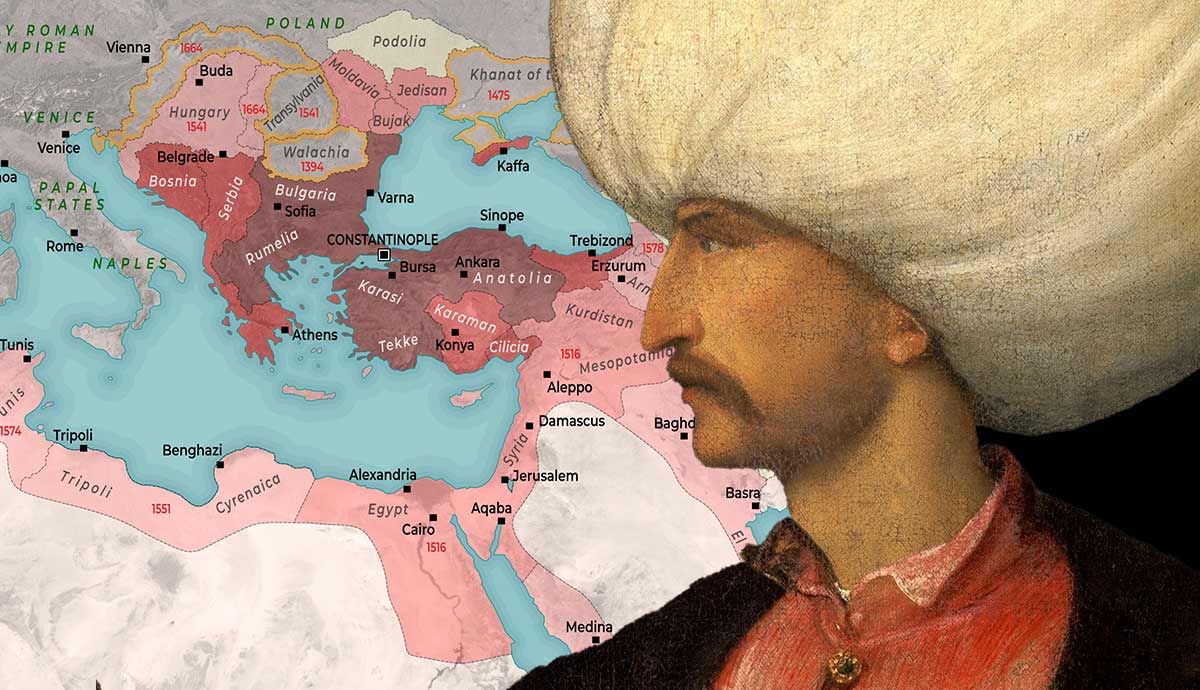
    13 Most Important Ottoman Sultans Who Defined an Empire
    Over six centuries, 36 Ottoman Sultans ruled over an empire that spanned from central Europe to the Red Sea. Having to contend with religious, cultural, diplomatic, and ethnic tensions was not an easy task. Some managed to rise to the challenge, and some felt dismally short. These thirteen Sultans epitomize the rise and fall of the Ottoman Empire, from its humble beginnings, rapid expansion, gradual contraction, and to its eventual collapse.1. Osman I (1299-1323/4)Portrait of Osman I, by an unknown artist. Source: Wikimedia CommonsPerhaps the most mysterious Ottoman sultan, Osman I, is also the very first. Even lending his name to the dynasty (in Arabic, he was Uthmn), there is no contemporary information regarding his reign. As a result, we are forced to rely on chronicles written a century after his reign.Dispelling the many myths surrounding his sultanate, we can gather that Osmans rule began in a beylik (equivalent to a principality) in northern Anatolia (modern-day Turkey). At the time, the region was divided, as various rulers tried to gain a foothold in the crumbling remnants of the Byzantine Empire.Osman used this confusion to his advantage, slowly eroding Byzantine territory and some of his neighboring southern states. Although he never held the title of sultan, Osman I set in motion the gradual expansion of the Ottoman Empire and is revered as the founder of the Ottoman dynasty.2. Murad I (1362-1389)Miniature of the Janissaries (white-capped) battling the Knights Hospitallers, painted by Matraki Nasuh in the Sleymanname, ca. 1550. Source: Wikimedia CommonsThe third Ottoman Sultan, Murad I undertook the empires first major territorial expansion. Varying timelines are suggested, but it is agreed that sometime in the 1360s, Adrianople fell to the Ottomans. Murad quickly moved his capital there, where it would remain until 1453. The sultan then turned his attention further towards Europe, vassalizing Serbia, Bulgaria, and the Byzantines.A key development during this reign was the founding of the Janissaries. Much like the Praetorians of Rome, they were an elite standing army that would dictate much of Ottoman political life going forward, often removing sultans who did not favor them.Murad I also holds the distinction of being the only Ottoman sultan to ever be killed in battle. This occurred at the Battle of Kosovo (1389). In a clash which wiped out both the Ottoman and European armies, Murad was slain when a group of European knights made a direct line for him. Despite the devastation of the battle, the larger manpower pool allowed the Ottomans to press their advantage in the following year, solidifying their control over the Balkans. The Battle of Kosovo remains a key aspect of both Serbian and Kosovan nationalism.3. Bayezid I (1389-1402)Sultan Bayezid I, by Paolo Veronese, 16th century. Source: MeisterdruckeBayezids legacy as an Ottoman Sultan began with attempts to consolidate Anatolia and multiple failed attempts to conquer Constantinople. Perhaps his greatest success was victory in the Battle of Nicopolis (1396). A united Crusader army was destroyed in its attempt to siege the city, again with considerable losses on both sides.The Crusader defeat meant that Europeans were less likely to unite to defend against the Ottomans, fearing similar devastation. Bayezid (Murads successor) also solidified his control over southern Europe, taking advantage of the weak Second Bulgarian Empire.His reign ended in disaster with a defeat at the Battle of Ankara (1402). The emir of the Timurid Empire, Timur, overwhelmed a smaller Ottoman force and captured Bayezid. Humiliated in captivity, Bayezid I died the following year, with rumors swirling about whether he committed suicide or was poisoned.Bayezid Is death led to a ten-year period during which the Ottoman Empire was divided between his sons, who all attempted to seize power over the fragmented territory. This was the first major crack in Ottoman expansion, delaying the empires growth by a few decades.4. Mehmed I (1413-1421)View of Venice (detail) by Jacopo de Barbari, 1500. Source: The Minneapolis Institute of ArtThe victorious son of Bayezid I, Mehmed I was the Ottoman sultan who by 1413 had reunited the Empire. Named The Restorer, he centralized control in Anatolia and expanded the territory further in Europe, setting the wheels in motion again for Ottoman dominance.However, a major naval defeat to Venice in 1416 checked Mehmeds ambitions to conquer the seas. Instead, the Venetians would be the ones to dominate the Eastern Mediterranean, forcing Mehmed to turn his attention inland.Ultimately, the legacy of Mehmed I was one of stability. Coming out of a decade of turmoil, he put down numerous revolts and brought the empire back under central control. In the chaos following Bayezid Is defeat, Mehmeds calming eight years as Sultan helped set the platform for the coming centuries of Ottoman dominance.5. Mehmed II (1444-1446, 1451-1481)The Ottomans, led by Mehmed II, capture Constantinople. Source: The World History EncyclopediaThe reign of this Ottoman Sultan can be summarized by his epithet: The Conqueror. Mehmed II did just that, overseeing a broad expansion of the empire in all directions. Mehmed had two stints as Sultan. The first began when the Janissaries forced his father, Murad II, to return to the throne. Mehmed would reclaim the title after his fathers death.Mehmed began his reign by defeating a Hungarian Crusade and rebuilding the Ottoman navy. His greatest triumph came in 1453, when he captured Constantinople and brought an end to the Byzantine Empire, a goal of Middle Eastern Empires for nearly eight hundred years.In addition to foreign policy triumphs, Mehmeds domestic reforms brought Ottoman cities right to the forefront of cultural and scientific innovation. He was the first Ottoman sultan to codify both criminal and constitutional law, helping further stabilize the vast empire. His philosophy of strong personal rule would provide a blueprint for many of the great sultans to come in the following decades.A mark of Mehmeds acclaim came with his death. Throughout Europe, celebrations were held, a testament to the power and prestige that he had accumulated with his conquests. Even to this day, Mehmed the Conqueror is heralded as a hero in Turkey. He appears on Turkish currency, and a key bridge over the Bosphorus bears his name.6. Selim I (1512-1520)Sultan Selim, by Na Osmn, 16th century. Source: Wikimedia Commons/Library of the Topkapi Palace Museum, HazineA grandson of Mehmed the Conqueror, Selim I began his reign through a civil war. After his father, Bayezid II, named Selims brother, Ahmet, to succeed to the throne, Selim rebelled. The Ottoman Civil War was concluded when Selim used Janissary support to overthrow his father and kill Ahmet, ensuring his own ascension.Like Mehmed II, Selims epithet is also apt to describe his reign. Known for his brutal repression, he was given the name The Grim. Even potential unrest was quickly put down, and anyone even suspected of treason was savagely executed. A devout Sunni Muslim, Selim I conducted massacres of Shiites across the Empire as he battled the neighboring Safavid Empire (based mostly in modern-day Iran).Outside of this brutality, Selim I oversaw an incredible expansion of the Ottoman Empire. Despite being in power for only eight years, by the end of his reign, Ottoman territory had grown 70 percent. Victory over the Mamluk Sultanate brought control over the Levant and Egypt.Selims legacy is therefore mixed. His violent and ruthless reputation is weighed against his impressive territorial gain. Regardless, he was crucial in transforming the Ottoman Empire, putting it in a position to further its golden age under his son, Suleiman.7. Suleiman I (1520-1566)Sultan Suleiman in profile, by an unknown author, 1530s. Source: Wikimedia Commons/Kunsthistorisches Museum, ViennaA list of key Ottoman Sultans would be incomplete without one named The Magnificent. The son of Selim I, he continued his fathers conquests, becoming the longest-reigning Sultan in Ottoman history (46 years).Under his rule, the Ottoman Empire dominated both land and sea. Grand victories brought further control over Europe, Persia, the Red Sea, and the Mediterranean. Suleiman rendered the Kingdom of Hungary useless, absorbing much of it into the Empire.Suleiman also presided over a cultural Golden Age, through extensive domestic reform. He brought disparate Ottoman law codes together and encouraged poets and artists to take up residence in the imperial court. The sultan personally gave patronage to forty artistic societies, including numerous construction projects.A controversial moment came when he married a European consort, Roxelana, who would go on to play a central role in Ottoman politics in the following years (previously, only freeborn women were considered worthy to marry a sultan).One of the last sultans to expand his territory, Suleiman the Magnificents reign may be the high point of the Ottoman Empire. The decades following his death were known as the Era of Transformation, where the empire slowly consolidated and was beset by a growing number of crises. Suleimans renown reverberated across the known world even after his death, being mentioned decades later by Shakespeare in The Merchant of Venice.8. Murad IV (1623-1640)Miniature of Ottoman Sultan Murad IV, author unknown. Source: Wikimedia CommonsReigning since he was only eleven, this Ottoman sultan rose to power thanks to a Janissary coup and spent his early reign under the regency of his mother. After years of turmoil, Murad was able to restore order to a struggling empire, brutally cracking down on mutineers and anyone hinting at insurrection.His defining legacy came with a decisive war against the Safavids. Ottoman forces were able to seize Baghdad and maintain their gains in Mesopotamia. The ensuing partition of territory, particularly in the Caucasus, would mirror the borders of modern-day Turkey, Iran, and Iraq.Unfortunately, many of his domestic reforms were curbed by his early death from alcoholism, leaving his (reportedly) mentally unwell brother, Ibrahim the Mad, to rule.9. Mehmed IV (1648-1687)Portrait of Ottoman Sultan Mehmed IV, author unknown, c. 1682. Source: Wikimedia Commons/Ptuj Ormo Regional Museum, SloveniaBeginning his reign even earlier, at the age of six, Mehmed IV would be the second-longest-reigning Ottoman Sultan. After his father, Ibrahim the Mad, was overthrown so that he could rule, Mehmeds reign was beset by instability.However, through careful use of his Viziers (advisors), he managed to stabilize the Ottoman Empire and bring it to its greatest geographical extent in Europe. Nicknamed The Hunter, Mehmed delegated many of the official tasks of state, using the Kprl family as his closest advisers.This success could only last so long, as Europe soon came together to stop the Ottoman advance. The Holy League, comprising the Holy Roman Empire, the Polish-Lithuanian Commonwealth, Russia, and Venice, united in the Great Turkish War, hoping to prevent Mehmed from advancing further north.The war was a resounding victory for the League, and the Ottomans were forced to cede much territory in central Europe. This was the first major reversal of Ottoman expansion in centuries, making the Habsburgs the dominant dynasty within Europe.Despite his early successes, Mehmed IVs rule was an indicator of the gradual decline of the empire. Unable to hold its own weight, it slowly contracted, beset on all sides by its enemies. Mehmed was overthrown early into the Great Turkish War by his own soldiers, a sign that he was able to delay the splintering of the Ottoman dynasty but not stop it completely.10. Mahmud II (1808-1839)Portrait of Ottoman Sultan Mahmud II, by Henry Guillaume Schlesinger, 1839. Source: Wikimedia Commons/Palace of Versailles, FranceMahmud IIs legacy as Ottoman Sultan was marked by both domestic reform and foreign policy disasters.He was finally able to disband the Janissaries, allowing him to centralize authority and rebuild the Ottoman army. The Imperial Court was also modernized, increasing administrative efficiency and setting in motion an era of reform that would radically alter the Empire in the following decades.However, territory-wise, Mahmuds reign continued the trend of previous decades. He lost territory to Russia in two Russo-Turkish Wars, was forced to recognize Greek autonomy, and ceded Algeria to France.Attempts were made to bring the Ottoman Empire into the fold of the European Great Powers, so that they could negotiate on equal footing and not as an afterthought. This was a feat that would eventually be achieved by his son, Abdlmecid I. He was able to ally with the United Kingdom and France, and attended the Congress of Paris in 1856, a sign that they were part of the Concert of Europe.11. Abdul Hamid II (1876-1909)Portrait of Sultan Abdul Hamad II. Source: Britannica.comAbdul Hamid II was the last Ottoman sultan to rule directly over any empire of note. Throughout his reign, he was forced to give up Bulgaria, Cyprus, Egypt, Montenegro, Thessaly, and Tunisia.There were some positives to his leadership, however. Abdul Hamid continued the modernization of the empire, particularly with the construction of railways and the expansion of the education system.This reform was put on soon, as the Ottomans soon found themselves in crisis. The triple threat of uprisings in Europe, another war with Russia, and an economic crisis caused by defaulting on loans made it impossible to maintain the Empire. Soon, Abdul Hamid II found himself under the control of the Concert of Europe to help alleviate the crises, a reversal of Abdlmecid Is previous efforts.Foreign pressure soon triggered domestic crises as several revolutionary groups sprang up, as they had across Europe. The sultans response was brutal repression, cracking down violently on any dissent, as many of his predecessors had done. However, this did not manage to quiet the discontent, and he was deposed by the Young Turks.Abdul Hamid IIs legacy may be the most disputed today. Initially, he was viewed as backward in his views and a hindrance to the Ottoman Empire (named The Red Sultan for his bloodshed). Yet, future generations of revisionists saw him as a heroic last stand of leadership, assertive in the spirit of Selim I and Suleiman the Magnificent. The division remains today, often falling along political lines in Turkey.12 & 13. Mehmed V and Mehmed VI (1909-1918/1918-1922)The territorial losses of the Ottoman Empire over the last century of its existence. Source: Encyclopaedia BritannicaThese two Ottoman sultans are grouped together for their involvement in World War I and the subsequent breakup of the Ottoman Empire.Before the war even started, Mehmed Vs rule lurched from one crisis to another. He saw three separate coups dtat, a war with Italy that resulted in the loss of Libya, the loss of almost all Ottoman territory in Europe, and ten governments in ten years.Throughout World War I, the Ottoman Empire was able to defend against an Allied invasion at Gallipoli. However, by the end of the conflict, it had been driven back to Mesopotamia. At the time, the Committee for Union and Progress was running the country, and Mehmed Vs power was significantly diminished. It was during this time that the Armenian genocide was carried out, which the sultan was unable to prevent or stop.Mehmed V died in the summer of 1918, right as the Central Powers were definitively losing the war. He was succeeded by his half-brother, Mehmed VIthe last Ottoman Sultan.The last Ottoman Sultan, Mehmed VI Vahdettin, in exile in Malta, 1922. Source: Wikimedia CommonsThis new sultan attempted to improve relations with the West in the aftermath of World War I, but was helpless to do so. Greece and Armenia declared independence, and Turkish nationalists created their own government in Ankara. These greatly weakened the empire, and on November 1, 1922, the Sultanate was abolished. Soon after, the Republic of Turkey was established, ending six hundred years of Ottoman rule.Whilst it is commonly agreed that there is little that either Mehmed could have done to prevent the collapse of the Ottoman Empire, there are still debates to this day over how responsible Mehmed VI was for the rise of Turkish nationalism. He gave Mustafa Kemal Atatrk tremendous support throughout World War I and its aftermath through powerful appointments and supplies. Ataturk would use that same support to overthrow the Sultanate.Despite being overthrown, the Ottoman dynasty still survives to this day, with all descendants being allowed to return by 1973.

    0 Comments 0 Shares 8 Views
  • ALLTHATSINTERESTING.COM
    47 Dust Bowl Pictures That Illustrate The Devastation Of This Unprecedented Ecological Disaster
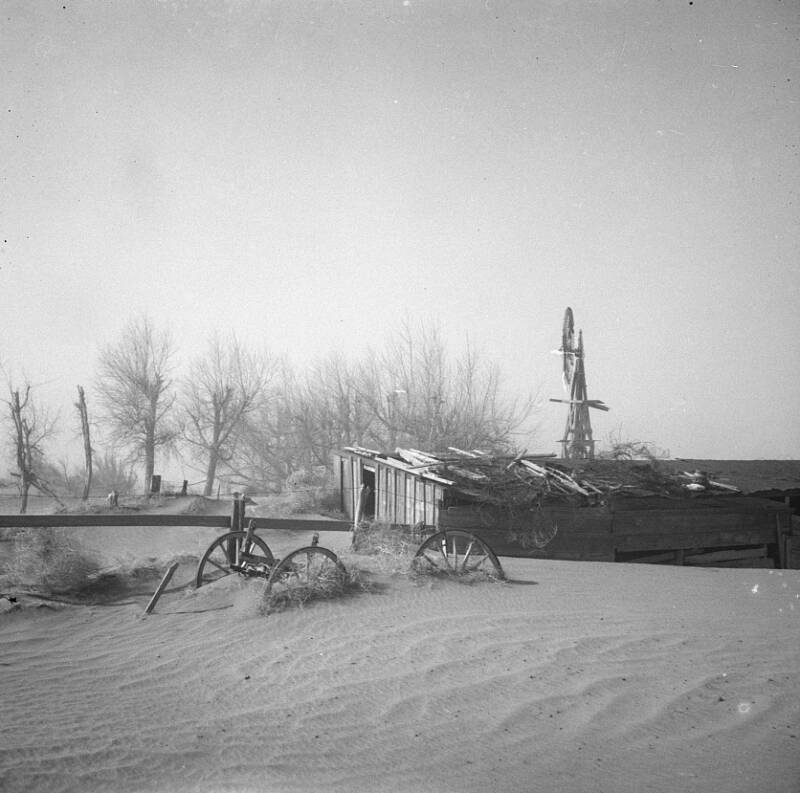
    Click here to view slideshowYou'll recognize the stare. You've likely seen it in Dorothea Lange's iconic photo of a migrant mother taken in 1936. And as you look through other Dust Bowl pictures above, you will see that stare again and again.It's at once vacant and intent, stoic and poignant, broken and resolved. There's defeat, but hope too. After all, the Dust Bowl was one of the worst ecological disasters in American history, and it forced millions to leave their homes. From the tragedy, some people also forged fresh starts.But that came later. First, starting in the early 1930s, the Dust Bowl was just dust. Dust which swirled through the air, blocking out the sun, dust which choked crops and buried farms, dust which stung the eyes, the nose, the mouth. For roughly a decade, the Dust Bowl turned much of the American heartland into a virtual wasteland, prone to "black blizzard" dust storms. So how did the Dust Bowl even begin? How did it impact the United States? And where did millions of migrants fleeing the dust go? Below, read on to learn about the history of the Dust Bowl. And above, look through a gallery of Dust Bowl pictures which captures the despair and devastation of the era.How The Dust Bowl Began In The 1930sThe seeds of the Dust Bowl were sown literally far before the disaster began in the 1930s. As the Library of Congress explains, thousands of settlers migrated to the region after the passage of the Homestead Act in 1862. Farmers plowed the widespread prairie grasses and, as the demand for wheat grew, they increasingly used the land for wheat cultivation. This, alongside the overgrazing of cattle, removed the area's native prairie grass. These grasses had played an essential role, both by absorbing moisture and by holding the soil in place during periods of intense wind storms. Then, in 1931, droughts made things even worse as crops failed and left behind dry, sandy soil. This soil was easily picked up by high winds, creating the region's first "black blizzard" dust storms. Library of CongressThe aftermath of a dust storm in Oklahoma, circa 1936.In 1932, there were 14 such storms. By the next year, there were 38. The Dust Bowl had begun. Its name came from journalist Robert Geiger, who wrote in 1935, "Three little words achingly familiar on a Western farmer's tongue, rule life in the dust bowl of the continent - if it rains."Black Blizzards, Destroyed Farmland, And Mass Migration Out Of The HeartlandOver the next decade, conditions grew even worse. The United States suffered under a widespread drought, which ultimately encompassed 27 states (and more than 75 percent of the country) by 1934. That year, one powerful dust storm even spread to the East Coast, coating both the U.S. Capitol and the Statue of Liberty with loose soil.Carson County Square House MuseumSome dust storms were so powerful that the even reached the East Coast, as seen here when dust darkened the sky over the Lincoln Memorial in Washington D.C. But one of the worst storm of the Dust Bowl hit on April 14, 1935, a date remembered as "Black Sunday." According to the National Weather Service, it began in eastern Oklahoma around 4 p.m., and quickly spread across the state and into Texas. High winds, reaching 60 miles per hour, created a monstrous dark tsunami that blotted out the sun. "The impact is like a shovelful of fine sand flung against the face," writer Avis D. Carlson explained in a New Republic article. "People caught in their own yards grope for the doorstep. Cars come to a standstill, for no light in the world can penetrate that swirling murk... The nightmare is deepest during the storms. But on the occasional bright day and the usual gray day we cannot shake from it. We live with the dust, eat it, sleep with it, watch it strip us of possessions and the hope of possessions."Meanwhile, animals got sick and died, and people suffered what they called "dust pneumonia." Indeed, conditions in the central United States had grown so dire that many people decided to leave. As John Steinbeck described in his 1939 book Grapes of Wrath, migrants known as "Okies" packed up their possessions and left the American heartland. Some 2.5 million people migrated out of the Dust Bowl states (Texas, New Mexico, Colorado, Nebraska, Kansas, and Oklahoma) in search of a better life. Library of CongressA group of Dust Bowl migrants, mostly children, making their way from Arkansas to California. 1938.They didn't always find it. Okies often faced discrimination in places like California and Arizona, or found themselves working menial jobs. But fortunately, by the end of the decade, the Dust Bowl had begun to subside. The End Of The Dust BowlIn the 1930s, the U.S. government enacted several measurements to alleviate the suffering caused by the Dust Bowl. In 1935, the Emergency Relief Appropriation Act provided $525 million for drought relief, and the Works Progress Administration ultimately employed 8.5 million people. Congress also declared soil erosion "a national menace," and passed the Soil Erosion Service and the Prairie States Forestry Project that year.This program paid workmen to plant trees, and subsided farmers who practiced farming techniques that protected soil, including crop rotation and contour plowing. Meanwhile, much needed rains in 1939 helped return environmental conditions to normal to the relief of millions of farmers. U.S. Department of AgricultureA farmer practicing contour plowing, a technique meant to prevent soil erosion. Circa 1930s."It was a very emotional time, when you'd get rain, because it meant so much to you. You didn't have false hope then," Floyd Coen of Kansas said, per WOUB. "When the rain came, it meant life itself. It meant a future."In 1941, the United States also joined World War II, which boosted the national economy. Economic conditions improved alongside ecological ones, and things began to return to normal. After a terrible decade, the Dust Bowl had ended. Today, we're left with the photographs of Dorothea Lange and a few others photographers, whose Dust Bowl pictures provide an up-close look at this devastating American tragedy. In the gallery above, see some of the people who lived through the environmental disaster, as well as the ghostly landscapes ravaged by monster dust storms. After viewing these haunting pictures of the Dust Bowl, take a look at these photos of America during the Great Depression. Then, peruse these colorized photos of World War II.The post 47 Dust Bowl Pictures That Illustrate The Devastation Of This Unprecedented Ecological Disaster appeared first on All That's Interesting.
    0 Comments 0 Shares 8 Views
  • WWW.DUALSHOCKERS.COM
    Metro 2039 is Moving Away from What Made it Special, But It Needed To
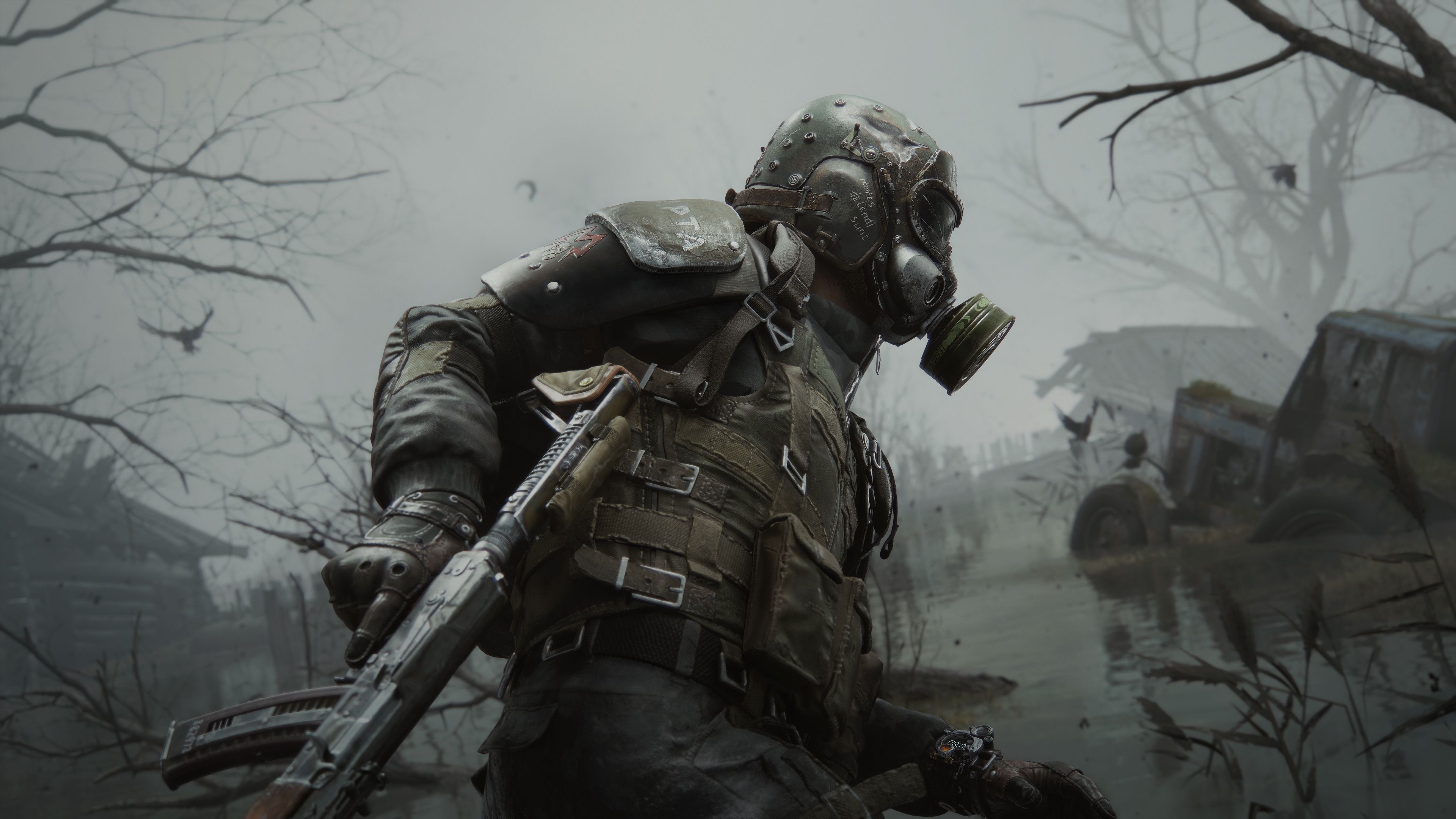
    Time sure does fly, especially when you haven't seen the sun in years. Russian author Dmitry Glukhovsky first launched the first version of Metro 2033 online in 2002. In those 24 years, the series has garnered sequels and spin-offs by the dozen, but none of them have come close to the popularity of the 4A Games adaptations.
    0 Comments 0 Shares 8 Views
  • WWW.BGR.COM
    Should Your Router's Antennas Be Vertical Or Horizontal? Here's How To Position Them Correctly
    The position of the antennas on your router can make a big difference in the quality of your Wi-Fi coverage. Here's how to figure out the best configuration.
    0 Comments 0 Shares 7 Views
  • WWW.BGR.COM
    5 Cool Gadgets Under $50 To Upgrade Your Bathroom
    You don't require a fortune to upgrade your bathroom with gadgets that help with hygiene and comfort. Here are some of the best ones for less than $50.
    0 Comments 0 Shares 7 Views