7 Facts About the Volstead Act That Banned Alcohol
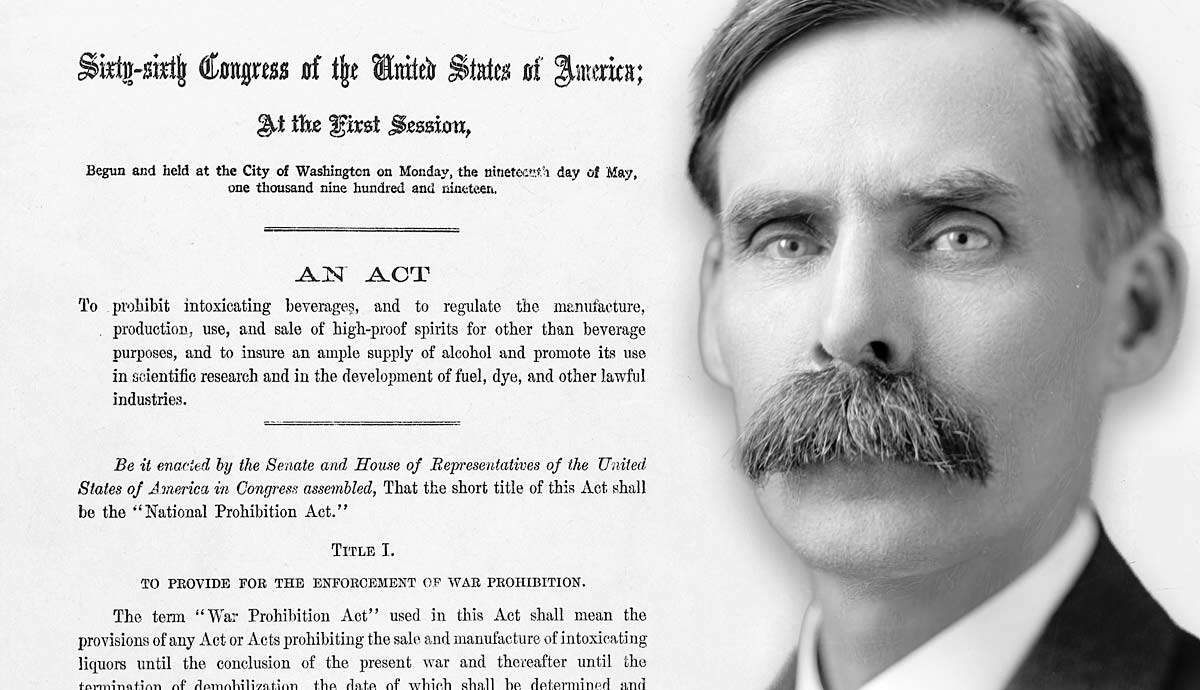
Passed in 1919 to enforce the 18th Amendment, the Volstead Act became the cornerstone of Prohibition in America. Named after Congressman Andrew Volstead, it set strict limits on intoxicating liquors while allowing exceptions for medicinal and industrial use. The law fueled a thriving underground market of bootleggers and speakeasies, igniting widespread public anger and corruption. Over time, the growing backlash from citizens and politicians proved overwhelming, paving the way for the 21st Amendment in 1933, which finally repealed Prohibition and marked the end of the Volstead era.1. The Volstead Act Was to Enforce the 18th AmendmentHeadlines and a map representing states ratifying the 18th Amendment to the Constitution, as reported in the New York Times on January 17, 1919. Source: New York Times ArchiveThe Volstead Act, formally known as the National Prohibition Act, was passed into law in 1919 to give legal weight to the 18th Amendment, which banned the manufacture, sale, and transportation of intoxicating liquors.Lawmakers and temperance advocates (individuals, mainly women, who believed alcohol to be the cause of all of societys problems) believed that prohibiting alcohol would reduce crime, mend broken families, and increase workplace productivity. For example, many pointed to the rampant public drunkenness and social disorder in cities like Chicago and New York as evidence that change was desperately needed.This movement came at a time when the average American consumed several gallons of whiskey a year on average. Yet, while the Act was meant to transform society by eliminating the negative impacts associated with alcohol, enforcing a nationwide ban proved far more challenging. Many communities resisted what they saw as a drastic limitation on their civil liberties. In some areas, police strictly enforced the prohibition, while in others, officials turned a blind eye to illegal activities.2. It Was Named After Congressman Andrew VolsteadUS Congressman Andrew Volstead of Minnesota, c. 1905. Source: Library of CongressThe law bore the name of Congressman Andrew Volstead of Minnesota, a leading proponent of the temperance movement and someone who could give the movement a voice in a society that was still largely male-dominated.Volstead believed that getting rid of alcohol consumption was key to solving many of the negative aspects of American society from domestic violence to the downturn of the economy. His passionate speeches and the pressure he put on Capitol Hill transformed what began as a small movement into a national law.The opening page of the Volstead Act, enforcing the 18th Amendment of the United States Constitution, c. 1919. Source: Wikimedia CommonsCritics and supporters alike came to associate his name with the movement. However, his association with Prohibition also made him open to controversy, as opponents pushed back on the laws limitations on personal freedom. Despite the backlash, Volsteads name remains a symbol of that eras ambition to ban the consumption of alcohol as well as its unforeseen consequences.3. It Defined Intoxicating Liquors and Set Guidelines for Medicinal AlcoholBeer brewer Anheuser Busch, showing their preparation to reintroduce an alcohol-free beer, as required under the Volstead Act in 1919. Source: Wikimedia CommonsA cornerstone of the Volstead Act was its detailed definition of intoxicating liquors. The law stated that any beverage containing more than 0.5% alcohol by volume was illegal. This tight definition aimed to eliminate loopholes that might allow alcohol to slip through the cracks. However, the Act also provided several key exemptions.For instance, alcohol was still permitted for medicinal purposes and for religious ceremonies, where wine played a ceremonial role. Industrial uses of alcohol were also allowed, which meant factories could still procure it for their manufacturing needs. These exemptions were meant to balance strict prohibition with practical realities, yet they inadvertently created opportunities for abuse.Doctors began prescribing medicinal alcohol to anyone willing to pay the extra fee, and some bootleggers exploited the industrial exemption by smuggling alcohol under other names. Ultimately, the Acts language, designed to leave nothing to chance, became one of the factors that made enforcing Prohibition so complicated.4. It Sparked a Surge in Bootlegging and the Rise of SpeakeasiesChicago bootlegger and mobster Al Capone, c. 1930. Source: Wikimedia CommonsInstead of ushering in an era of sobriety, the Volstead Act sparked a massive underground economy. With legal avenues for alcohol production and distribution closed, bootleggers seized the opportunity to supply the demand. Across the nation, individuals began smuggling, distilling, and selling alcohol on the black market.This trade was marked with illegal stills, hidden shipments, and coded communication channels. Secret bars, known as speakeasies, sprang up in basements and back rooms across the country. Gaining their name due to the fact one would have to speak easy the secret code to gain entrance, these venues quickly evolved into hubs of social life, where jazz bands played and people celebrated the financial success of the roaring twenties.High-profile bootleggers, such as Al Capone in Chicago, became notorious figures, amassing vast fortunes while engaging in violent turf wars with other mobsters. In the end, the impact of this underground economy is seen today, as it changed the very nature of American nightlife.5. It Increased Crime and CorruptionIsidor Izzy Einstein, U.S. Prohibition Agent, who achieved the most number of arrests and convictions during the first years of the alcohol prohibition era, c. 1920. Source: Wikimedia CommonsOne of the most profound and lasting effects of the Volstead Act was its boost to organized crime across the nation. Criminal organizations quickly stepped in to meet the unwavering public demand for alcohol. People like Al Capone capitalized on the situation, establishing extensive networks to smuggle, produce, and distribute liquor. These organizations did not operate in the shadows, they often controlled entire neighborhoods, using violence and intimidation to maintain their grip on the market.Organized crime groups also infiltrated local governments and law enforcement agencies, engaging in widespread bribery and corruption to secure their operations. For example, in cities such as Chicago and Detroit, police officers and politicians were frequently accused and found guilty of accepting bribes, allowing illegal activities to go unpunished in return for a share of their profits. Over time, the chaos and violence associated with bootlegging and smuggling left many feeling the enforcement of Prohibition was a losing effort.6. It Fueled Public Discontent and a Culture of RebellionProposal for Repeal of the 18th Amendment, Missouri Association Against Prohibition, c. 1921. Source: Missouri Historical SocietyRather than uniting the nation, the Volstead Act ended up fueling widespread public anger. Many Americans came to view the strict ban on alcohol as a direct violation of their personal liberty and an attempt by the government to dictate ones free time.In both urban centers and rural communities, people found creative ways to defy the law, from organizing underground drinking clubs to openly mocking prohibition patrols. Outside of the more known forms of resistance, neighbors would share illicit drinks and exchange stories of evading authorities. Public protests and acts of civil disobedience were not uncommon, as citizens voiced their frustration through everything from demonstrations to political cartoons in local and national newspapers. The growing anger against Prohibition showcased the disconnect between legislative intent and the publics lived reality, setting the stage for a movement that would eventually demand the end of Prohibition. This resistance was a key factor in the eventual repeal of Prohibition, as the publics anger became too much for politicians to ignore.7. The Act Caused Its Own DownfallCampaign poster for Presidential Candidate Franklin Roosevelt who ran on a platform to repeal the 18th amendment, 1932. Source: National ArchivesThe Volstead Acts legacy is a textbook case of unforeseen consequences leading to a policys downfall. While initially created to curb the evils in society associated with alcohol consumption, the Act sparked an era defined by criminal enterprises, corruption, and widespread public anger. Over the years, the negative outcomes of Prohibition became impossible to ignore. The booming underground economy, violent gang wars, and the growing lack of respect for law enforcement all demonstrated that the Volstead Act was hurting society more than helping.The economic strains of the Great Depression further worsened public dissatisfaction with Prohibition, as many felt that resources could be better spent on relief efforts rather than enforcing an unpopular ban. The mounting pressure from voters, business leaders, and even former temperance advocates eventually forced a reassessment of the law.In 1933, the 21st Amendment was passed, under President Franklin D. Roosevelt, repealing the 18th Amendment and effectively ending the legality of the Volstead Act. This repeal marked the end of Prohibition, signaling a return to regulated alcohol sales and a recognition that dictating personal behavior on such a scale had proven a fruitless effort.












 English
 French
 Spanish
 Portuguese
 Deutsch
 Turkish
 Dutch
Dutch
 Italiano
 Russian
 Romaian
 Portuguese (Brazil)
 Greek
Greek