



WWW.CATSTER.COM
Why Your Cats Poop Smells Like a Biohazard
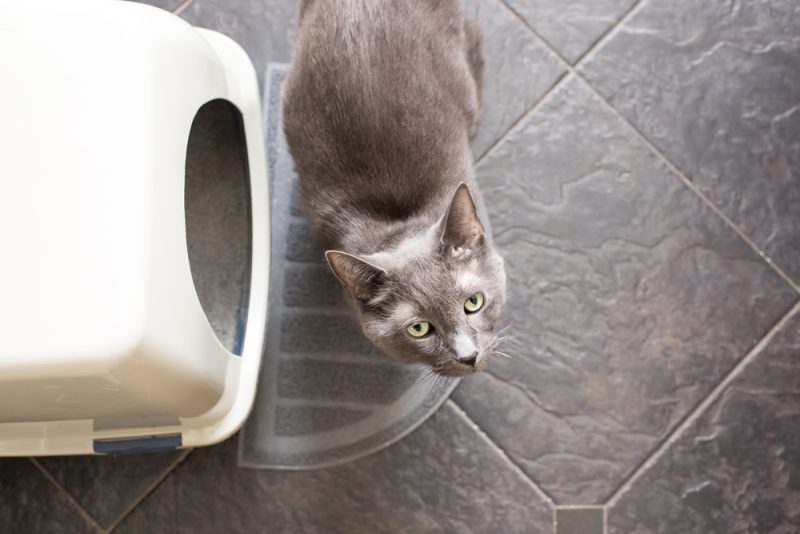
Nobody enjoys litter box duty, but sometimes it gets unbearable. The smell hits you from across the room. Youre scooping faster, lighting candles, cracking windows, and still your house smells like something died. Your cat seems fine, but their poop is absolutely rancid.Before you assume this is just life with cats now, know that unusually smelly poop often signals a problem. Some causes are minor and easy to fix. Others need veterinary attention. Heres how to figure out whats happening and get your home smelling normal again.Important: If the smell hasnt improved after a couple of days, call your vet. If your cats stinky poop comes with vomiting, blood, or diarrhea, seek emergency care immediately.8 Reasons Your Cats Poop Smells Awful1. Your Litter Isnt Controlling OdorNatural litters like paper, unscented clay, and wood pellets absorb waste but dont neutralize smell. Your cats poop might be completely normal, but the litter just isnt masking it. The odor builds up even after you scoop daily.Solution: Switch to scented litter or one with built-in odor control (many contain baking soda). You can also add litter deodorizer products that neutralize smells on contact. If you prefer unscented litter, scoop multiple times daily and do complete litter changes once or twice weekly instead of just topping it off.Image Credit: SURKED, Shutterstock2. Diet Changes or Food IssuesNew food commonly causes smelly, loose poop. If you switched your cats diet suddenly, their digestive system hasnt had time to adjust. Even cats who ate something unusual (like a mouse they caught) can develop temporary digestive upset.High-protein foods, while necessary for carnivores, can also create stronger-smelling waste. Some cats develop intolerances to grains or specific ingredients in their formula, both of which cause smelly poop.Solution: When changing food, do it gradually over 10 days. Add 10% of the new food daily while reducing the old food proportionally. This gives their digestive system time to adapt. If you recently switched and the smell persists beyond 48 hours, talk to your vet about the new formula or potential food sensitivities. The problem should resolve on its own if your cat tolerates all ingredients in the new diet.3. Bacterial InfectionCats who hunt or eat contaminated food can pick up bacteria like E. coli or Salmonella. These infections cause inflammation, diarrhea, indigestion, and spectacularly bad-smelling poop. Outdoor cats and natural hunters face a higher risk.Solution: If the smell doesnt normalize within 48 hours, see your vet. Bacterial infections usually need medication to clear up completely.4. Intestinal ParasitesCertain parasites cause excessive gas, diarrhea, and horrific smells. Giardia, coccidia, and trichomonas all inflame your cats intestines, leading to particularly foul-smelling waste.Solution: Your vet can test for parasites through a fecal sample and recommend appropriate deworming or anti-parasite treatment based on what they find.Image Credit: Oporty786, Shutterstock5. Digestive DisordersWhen your cats digestive system cant properly break down or absorb fats and starches, the result is exceptionally stinky poop. The medical terms are maldigestion (cant break down food) and malabsorption (cant absorb nutrients). Food sensitivities and intolerances fall into this category, too. All cause bloating, gas, and smell issues.Solution: Your vet needs to run diagnostic tests to determine which digestive issue is happening and create a treatment plan accordingly. This might involve prescription diets, medications, or other interventions.6. Medications or SupplementsCertain medications, including hormonal treatments and pain relievers, can cause smelly poop as a side effect. Vitamin and mineral supplements sometimes do the same.Solution: Talk to your vet about whether medications might be causing the problem. Most modern cat foods are nutritionally complete, so never add supplements without veterinary guidance. They can throw off the balance and create more problems than they solve.Image Credit: savitskaya iryna, Shutterstock7. Anal Gland ProblemsCats have anal glands that normally drain naturally. When these glands become infected or impacted, they dont drain properly. The result is a foul-smelling discharge that coats your cats poop and sometimes other surfaces.Solution: If you notice a bad smell that seems to follow your cat around (not just confined to the litter box), ask your vet to check their anal glands. They may need manual expression or antibiotics to clear an infection.8. Theyre Not Covering Their PoopEven normal poop smells worse when it sits uncovered. If your cat stops burying their waste, the odor intensifies quickly. This behavior change might mean the litter hurts their paws, they dislike the texture or smell, or the box itself is problematic (too small, sides too high, wrong location).Cats who poop outside the box entirely might struggle with accessibility, dislike something about the box, or be stressed about recent changes.Solution: Try different litter types to find one your cat tolerates. Offer a box with lower sides or a larger size. Have your vet check for pain issues that make certain movements uncomfortable. Address any recent stressors (new pets, moved furniture, schedule changes) that might be affecting litter box behavior.Image Credit: Oleg Opryshko, ShutterstockWhen to Actually WorrySmelly poop combined with diarrhea needs immediate veterinary attention. Ongoing or recurring diarrhea can indicate serious conditions like kidney disease, liver disease, or hyperthyroidism. Your vet will run tests to determine the underlying cause.If your cat shows lethargy, appetite loss, or vomiting alongside the smell, call your vet urgently. These combinations suggest something more serious than a dietary issue.Always keep the litter box clean and monitor your cats waste regularly. Youll likely smell problems before you see them, which gives you early warning that somethings wrong.Final ThoughtsSome stinky poop problems resolve with simple fixes like better litter or dietary adjustments. Others require medication or ongoing treatment. Either way, veterinary advice is essential for figuring out whats happening.Keep the litter box as clean as possible while you troubleshoot. Scoop at least daily, do full litter changes weekly, and consider odor-neutralizing products in the meantime. Once you identify and address the cause, youll get back to a happier cat and a home that doesnt assault your nose every time you walk past the litter box.Feature Image Credit: Jennifer McCallum, ShutterstockDid You Know? Our brand-new posts are rounded up and included in our weekly emails. Dont miss out on the latest sign up for our newsletter below!
0 Comments
0 Shares
1 Views








 Arabic
 French
 Spanish
 Portuguese
 Deutsch
 Turkish
 Dutch
Dutch
 Italiano
 Russian
 Romaian
 Portuguese (Brazil)
 Greek
Greek