• WWW.DOGINGTONPOST.COM
    Dog Dental Care: Protecting Teeth For A Strong Bite
    Most dog owners brush their teeth daily, but skip their dogs dental care entirely. This oversight costs them thousands in veterinary bills and their dogs years of preventable pain.At DogingtonPost, weve seen firsthand how neglected teeth lead to infections that spread throughout a dogs body. The good news: a solid routine stops these problems before they start.Why Dental Disease Destroys More Than Just TeethDental disease isnt a cosmetic issue your dog can live with. According to the American Veterinary Medical Association, 80% of dogs develop some form of periodontal disease by age 3, making it the most common clinical condition in canines. What makes this statistic terrifying is what happens next. Bacteria from infected gums enter the bloodstream and travel to other areas within the body, causing distant or systemic effects. A dog with untreated dental disease experiences chronic pain while eating, which means less nutrition intake and weight loss. Tooth infections create abscesses that swell the face and cause facial pain. Some dogs stop eating altogether because chewing hurts too much.How Plaque Becomes a Serious ProblemPlaque forms within minutes after brushing, and if left undisturbed, it hardens into tartar. Gingivitis, the first stage of periodontal disease, begins when bacteria colonize the gumline. The critical part: gingivitis is reversible with aggressive at-home care, but once it progresses to bone loss around the tooth, the damage becomes permanent. Small-breed dogs and Greyhounds face particularly high risk and often need professional cleanings starting at age 2, while larger dogs typically need their first cleaning at age 3.The Financial and Physical TollVeterinary dental cleanings cost between $500 and $3,000, and thats just for the cleaning itself. Add extractions, root canals, or bone grafts if disease has advanced, and costs skyrocket. More importantly, these procedures require anesthesia, which carries risks for older dogs or those with heart and kidney disease. A consistent brushing routine costs almost nothing and prevents these expensive interventions entirely.What Brushing Frequency Actually AccomplishesDaily brushing is the gold standard for stopping plaque before it calcifies into tartar, but even brushing three times per week provides significant protection. Most dogs recover from early-stage gingivitis at home with frequent toothbrushing, but moderate to severe cases require professional scaling and polishing under anesthesia to remove tartar below the gumline. The stakes are high: ignore your dogs teeth today, and youll pay thousands while watching your dog suffer through preventable pain and organ damage tomorrow.Understanding the damage that dental disease inflicts makes the case for prevention clear. The question becomes not whether to invest in your dogs dental health, but how to build a routine that actually works.Building a Brushing Routine That Actually WorksBrushing your dogs teeth daily brushing prevents the damage described in the previous section, but most dog owners fail because they approach it wrong. They treat brushing like a chore instead of a habit, skip days without consequence, and give up when their dog resists. The truth is simpler: consistency matters far more than perfection. Even three times per week significantly reduces plaque buildup and gingivitis progression. Start by picking a specific time each day and involve your family so someone can brush even when youre busy. Use rewards like treats or toys immediately after to build positive association. When introducing brushing to a dog that has never experienced it, spend a full week just letting your dog taste the toothpaste and see the brush without any actual cleaning. Then spend another week brushing only the outer surfaces of the front teeth for five seconds before rewarding. This gradual approach takes patience, but it eliminates the power struggle that causes most owners to quit.Technique Matters More Than Toothpaste FlavorThe actual brushing motion disrupts plaque, not the taste of enzymatic dog toothpaste. Lift your dogs lips gently, angle the bristles at 45 degrees toward the gumline, and use light back-and-forth strokes across all outer surfaces of the teeth. Heavy pressure irritates gums and causes resistance, so keep your hand relaxed. Focus on the outer surfaces because thats where plaque accumulates most heavily; the tongue naturally cleans the inner surfaces. Use a soft-bristle adult or child-sized toothbrush for large dogs, or a fingertip brush and baby toothbrush for small breeds. The bristle action is everything. If your dog absolutely refuses brushing, add a dental powder like VetriScience Perio Support to meals instead-it contains probiotics that promote healthy mouth bacteria and reduce plaque formation without the battle of brushing.Dental Chews and Water Additives Fill the GapsVOHC-approved dental chews reduce plaque and tartar buildup by at least 20 percent when used consistently, according to the Veterinary Oral Health Council. However, chews work only if your dog actually chews them for several minutes; if consumed in two bites, they provide no benefit. The chew must be hard enough that your fingernail cannot indent it, but not so hard that it risks tooth fractures. Aggressive chewers need durable rubber or nylon chews, while gentle chewers do better with softer treats. Check the full VOHC list before buying to confirm approval. Water additives are tasteless solutions you add daily to your dogs water bowl; they freshen breath and reduce plaque without requiring any effort beyond pouring. Neither chews nor water additives replace brushing or professional cleanings, but combined with daily brushing, they create a multi-modal approach that significantly outperforms any single method alone.Professional Cleanings Remove What Brushing Cannot ReachEven with perfect daily brushing, tartar below the gumline requires professional cleanings under anesthesia. Most dogs need cleanings every 6 to 12 months afterward, depending on individual disease progression. Watch for warning signs like persistent bad breath, visible tartar on teeth, red or swollen gums, difficulty eating, drooling, or pawing at the mouth. During your annual wellness exam, ask your veterinarian to check your dogs oral health and recommend a cleaning timeline. Early professional intervention when gingivitis is mild prevents progression to bone loss and tooth loss later. Younger dogs recover faster from anesthesia, making early cleanings safer when no heart, kidney, or liver disease is present. Your veterinarian can also recommend prescription dental diets (such as Purina ProPlan Veterinary Diets DH Dental Health or Hills Prescription Diet t/d Dental Care) that mechanically clean teeth as your dog chews and kill bacteria that form plaque and tartar.What Dogs Actually Need to Eat for Stronger TeethPrescription Dental Diets Work Differently Than Regular KibblePrescription dental diets fight dental disease through texture and ingredient composition, not marketing claims. Purina ProPlan Veterinary Diets DH Dental Health, Hills Prescription Diet t/d Dental Care, and Royal Canin Veterinary Diet Adult Dental mechanically clean teeth as your dog chews while including ingredients that kill the bacteria forming plaque and tartar. These formulas work at the source of the problem rather than just masking symptoms. If your dog shows signs of gingivitis or has had professional cleanings, switching to a prescription dental diet reduces the workload on your brushing routine and prevents rapid tartar reaccumulation. The cost runs higher than standard kibble, but its a fraction of what youll spend on professional cleanings or extractions.Your veterinarian can recommend the right prescription diet based on your dogs age, size, and existing dental disease stage. Regular kibble alone wont provide this protective benefit, so dont assume your current food is doing the dental work it should be doing.Supplements Target Specific Gaps in Your RoutineVetriScience Perio Support contains probiotics that promote healthy mouth bacteria and actively reduce plaque formation when added to meals daily. This matters most for dogs that resist brushing or have sensitive gums. Water additives work passively; you pour them into your dogs water bowl daily and they freshen breath while reducing plaque buildup without requiring any behavioral change from your dog. Neither replaces brushing or professional cleanings, but when combined with your existing routine, they create measurable improvements.Some dog owners avoid supplements thinking theyre unnecessary, but thats a mistake if your dog has moderate gingivitis or a history of rapid tartar buildup. The American Veterinary Medical Association supports multi-modal approaches combining brushing, dietary support, and targeted supplements as significantly more effective than any single method.Ingredients That Harm TeethCertain ingredients actively damage teeth, so avoid rawhide chews that leave residue on gums, hard bones that crack teeth, and treats with excessive sugar or sticky textures that cling to teeth and feed bacteria. Read ingredient labels carefully and ask your veterinarian which treats work best for your dogs specific dental health status rather than relying on marketing claims. Your vet knows your dogs mouth better than any product label does.Final ThoughtsYour dogs dental health forms the foundation of their overall wellbeing, not a separate concern you can address later. Bacteria from infected gums spread to the heart and kidneys, 80% of dogs develop periodontal disease by age 3, and prevention costs far less than treatment. Start with consistent brushing, add VOHC-approved dental chews, incorporate water additives if brushing proves difficult, and schedule professional cleanings every 6 to 12 months based on your veterinarians assessment.If your dog resists brushing, start small by introducing the toothpaste and brush without pressure for a full week, then gradually increase duration and coverage over the following weeks. Pick a specific time each day and involve your family so the routine sticks when life gets busy. If brushing remains a battle, VetriScience Perio Support added to meals provides measurable plaque reduction without the struggle-the goal isnt perfection but consistency.Watch for warning signs that signal your dog needs professional attention: persistent bad breath, visible tartar, red or swollen gums, difficulty eating, or pawing at the mouth (these symptoms mean gingivitis has progressed and requires veterinary intervention). Dogs with strong dog dental care routines avoid chronic pain that reduces appetite and quality of life, skip expensive extractions and root canals, and live longer with organs protected from systemic infection. We at DogingtonPost believe this investment in prevention represents one of the most responsible decisions you can make for your dog.
    0 Σχόλια 0 Μοιράστηκε 29 Views
  • WWW.DOGINGTONPOST.COM
    Dog Lifestyle Tips for Everyday Wellness
    Your dogs health depends on more than just occasional walks and regular meals. We at DogingtonPost believe that consistent dog lifestyle tips-covering exercise, nutrition, mental stimulation, and social engagement-form the foundation of everyday wellness.This guide walks you through practical strategies to support your dogs physical and mental health every single day.Daily Exercise Routines for Optimal HealthDogs need between 30 minutes to 2 hours of daily exercise depending on breed and age, with high-energy working breeds like German Shepherds, Border Collies, and Australian Shepherds requiring significantly more activity than low-energy companions. Large-breed puppies and senior dogs present different challenges-puppies need shorter, frequent sessions to protect developing joints, while seniors benefit from gentler, consistent movement that maintains mobility without causing strain. Rather than following a one-size-fits-all approach, assess your dogs individual energy level, body condition, and behavior to determine the right amount. Dogs displaying restlessness, excessive barking, destructive chewing, or persistent begging for attention often signal inadequate exercise and mental engagement, not stubbornness or bad temperament.Breaking Activity Into Multiple SessionsSplitting exercise into two or three shorter sessions throughout the day works better than one long walk for most dogs. A morning walk of 2030 minutes, an afternoon session from a dog walker around 11am1pm, and an evening walk of 3045 minutes provides consistent stimulation without overwhelming your dogs system. This approach prevents digestive issues-avoid intense activity immediately after meals to reduce bloat risk, particularly in deep-chested breeds. If you work full-time and cannot provide midday exercise, hiring a certified dog walker for that afternoon slot becomes essential, not optional, for maintaining your dogs physical health and preventing boredom-related behaviors.Matching Activity to Age and BreedBrachycephalic breeds like Bulldogs and Pugs benefit from shorter walks in cooler times since their respiratory systems struggle with heat and prolonged exertion. High-energy working breeds require not just physical exercise but mental challenges-a Border Collie needs more than physical activity alone to stay engaged. Puppies under one year should avoid repetitive jumping or running on hard surfaces until their growth plates close, making controlled walks and play sessions preferable to agility training. Senior dogs, typically those over seven years old depending on breed size, need consistent gentle movement to maintain muscle mass and joint flexibility, though intensity and duration should decrease from their prime years. Watch for panting, limping, reluctance to continue, or excessive drooling as signs your dog has reached their limit-these indicate overexertion, not laziness, and pushing past them risks injury and joint damage.Recognizing When Your Dog Needs MoreYour dogs behavior tells you whether current exercise levels meet their needs. Restlessness, excessive barking, destructive chewing of furniture or trash, digging holes in the yard, and overexcitement when you arrive home all point to insufficient physical and mental activity. These signs dont reflect a problem dog-they reflect an under-stimulated one. Adjusting your routine to include more frequent walks, interactive play sessions, or hiring professional support can transform these behaviors within weeks. The afternoon potty and exercise window (11am1pm) proves particularly important for dogs left alone during work hours, as this midday break prevents boredom and maintains consistent energy levels throughout the day.Planning Your Dogs Daily MovementTry scheduling exercise around your dogs natural rhythms and your own availability. Morning walks establish routine and energy release before your workday, while evening sessions provide wind-down time and bonding. Cooler times of day work best for most dogs, especially during warm months-early morning or late evening walks prevent heat stress and keep your dog comfortable. Adjust intensity based on temperature, terrain, and your dogs fitness level rather than sticking rigidly to a predetermined schedule. This flexibility ensures your dog stays active without injury while you maintain a sustainable routine that fits your lifestyle.The foundation of daily exercise supports your dogs physical health, but mental engagement matters equally. Interactive toys, puzzle feeders, and enrichment activities challenge your dogs mind and prevent the boredom that leads to destructive behaviors-and thats where we turn next.Nutrition and Hydration FundamentalsYour dogs food choices directly shape their energy, coat quality, and long-term health-yet most dog owners pick kibble based on marketing rather than nutritional science. According to AAFCO guidelines, a complete and balanced diet must contain six essential nutrients: protein, fat, carbohydrates, vitamins, minerals, and water. Protein requirements vary significantly by life stage, with puppies needing a minimum of 22.5% crude protein on a dry-matter basis while adult dogs require 18%, though practical ranges hover around 30% for most active dogs. Protein quality matters more than the percentage alone-high-quality animal proteins provide all essential amino acids your dogs body cannot manufacture, whereas plant-based proteins require careful formulation and veterinary guidance to deliver complete nutrition.Understanding Fats and Essential NutrientsFat serves as your dogs most energy-dense nutrient and supports vitamin absorption plus essential omega-3 and omega-6 fatty acids that reduce inflammation and strengthen skin and coat health. AAFCO minimums sit at 8.5% for puppies and 5.5% for adults, with good sources including fish oils, flaxseed, and canola oil. Your dogs individual needs depend on age, breed size, activity level, and health status-a sedentary senior Pug requires far fewer calories than an active two-year-old Labrador, making portion control the difference between a healthy weight and obesity that increases diabetes, arthritis, and heart disease risk.Feeding Schedules and Portion ControlEstablish a twice-daily feeding schedule about 12 hours apart for most adult dogs, spacing meals at least two to three hours away from intense exercise to prevent bloat, particularly in deep-chested breeds. If your dog finishes meals quickly or begs constantly, puzzle feeders slow consumption and provide mental engagement while portion-controlled feeding prevents overeating. Measure portions according to your foods energy density rather than guessing, and adjust based on your dogs weight and energy levels every few weeks.Water Access and HydrationFresh water access ranks equally with food quality yet receives far less attention from dog owners. Your dog should have continuous access to clean water throughout the day, with intake influenced by diet composition, activity level, and climate-dogs eating dry kibble typically drink more water than those on moist diets. Senior dogs and puppies often need more frequent water access to maintain hydration and prevent accidents, while high-energy dogs lose water through panting during exercise and heat exposure.Monitor your dogs water consumption patterns; excessive drinking can signal diabetes or kidney issues requiring veterinary evaluation, while insufficient intake risks dehydration and urinary problems. During warmer months or after exercise sessions, keep water bowls filled and offer water breaks during walks, especially for brachycephalic breeds that overheat easily. Stainless steel or ceramic bowls stay cleaner than plastic and resist bacterial growth better, while filtered water systems remove chlorine and impurities that some dogs find off-putting.Life-Stage Nutrition AdjustmentsLife-stage adjustments matter considerably-puppies under one year need more frequent meals with adjusted nutrient ratios to support growth without causing skeletal problems, while senior dogs benefit from senior-formulated diets with lower calories but higher joint-support nutrients like glucosamine. Read food labels thoroughly to reveal whether products meet AAFCO nutritional adequacy statements and contain recognizable protein sources rather than vague meal descriptions. This helps you identify truly complete options from brands like Hills, Purina, and Iams rather than marketing-driven alternatives lacking scientific backing.With proper nutrition and hydration supporting your dogs physical foundation, mental engagement becomes the next critical piece of the wellness puzzle-interactive toys, puzzle feeders, and enrichment activities challenge your dogs mind and prevent the boredom that leads to destructive behaviors.Mental Stimulation Transforms Your Dogs BehaviorMental exercise tires dogs faster than physical activity alone, and this matters far more than most dog owners realize. A dog with an under-stimulated mind develops destructive behaviors, excessive barking, and anxiety that no amount of walking fixes. Your dogs brain needs daily challenges through puzzle toys, scent work, and interactive games that force problem-solving and engage natural instincts.Why Mental Enrichment Matters More Than You ThinkHigh-energy working breeds like German Shepherds and Border Collies suffer particularly when mental enrichment is missing, though every dog regardless of breed benefits from activities that demand focus and decision-making. Mental stimulation combined with consistent exercise, proper nutrition, and social interaction creates the foundation that prevents behavioral problems before they start, making daily wellness practices far more effective than attempting to correct problems after they develop.Practical Enrichment Activities You Can Start TodayHide-and-seek games where you conceal toys or treats throughout your home stimulate your dogs natural hunting drive and problem-solving abilities in ways that cost nothing but require consistency. Puzzle feeders serve double duty by slowing fast eaters and delivering mental engagement during meals, transforming ordinary feeding time into an enrichment opportunity. Frozen treats or pupsicles made from plain frozen carrots, apples, or broth provide extended engagement as your dog works to consume them, especially valuable on hot days when outdoor activity becomes unsafe. Scent walks where you allow your dog to sniff and explore at their own pace help reduce separation anxiety by providing mental distraction and keeping their mind occupied. Rotating toys weekly prevents habituation, keeping novelty high without requiring constant purchases of new items.Building Social Confidence Through Regular InteractionSocialization with other dogs and people shapes your dogs confidence and emotional resilience, yet many owners skip this entirely after puppyhood. Regular interaction at dog parks, training classes, or organized play sessions prevents anxiety and fear-based aggression that develops when dogs lack exposure to varied social situations. Training classes accomplish dual purposes by teaching obedience while providing structured socialization, making them worthwhile investments for every dog owner. Changing walking routes regularly exposes your dog to different sights, sounds, and smells that keep their mind engaged and build adaptability to new environments.Creating a Home Environment That Supports WellnessYour home environment itself demands attention through consistent daily routines, a designated quiet space where your dog retreats to reduce stress, and quality time where you engage directly through play and affection rather than passive coexistence. Environmental enrichment extends beyond toys to include varied experiences that challenge your dogs senses and cognitive abilities. A calm, predictable home (combined with interactive enrichment) helps your dog develop confidence and emotional stability that translates to better behavior in all situations.Final ThoughtsSupporting your dogs everyday wellness requires consistent action across four interconnected areas: daily exercise tailored to your age and breed, high-quality nutrition with proper hydration, mental stimulation through enrichment activities, and regular social engagement. These dog lifestyle tips work together to prevent behavioral problems, maintain healthy weight, strengthen your bond, and extend your dogs quality of life. Small daily actions compound over time, transforming your dogs physical health, emotional resilience, and overall happiness far more effectively than sporadic efforts or reactive veterinary care.Dogs receiving adequate exercise, mental engagement, and social interaction display fewer destructive behaviors, better focus during training, and calmer demeanor at home. Consistent nutrition prevents obesity-related diseases like diabetes and arthritis that plague sedentary dogs, while regular mental enrichment keeps your dogs cognitive abilities sharp throughout their life. Your dogs confidence grows when they experience varied social situations and environmental challenges, making them adaptable and emotionally stable in new circumstances.Building sustainable routines means customizing these practices to fit your lifestyle rather than abandoning them when life gets busy. Hiring a dog walker for the afternoon exercise slot, using puzzle feeders during meals, rotating enrichment toys weekly, and scheduling regular training classes require minimal additional effort once you establish them as habit. Visit DogingtonPost to access comprehensive resources that support your dogs everyday wellness journey and connect with a community of dog lovers committed to enhancing their dogs lives.
    0 Σχόλια 0 Μοιράστηκε 33 Views
  • WWW.DOGINGTONPOST.COM
    Adoption Fees Explained: What You Pay And Why It Matters
    Adoption fees can feel like sticker shock when youre ready to bring a dog home. But here at DogingtonPost, we believe adoption fees explained reveals something important: shelters arent trying to profit-theyre covering real costs to keep dogs healthy and safe.The money you pay goes directly toward veterinary care, food, housing, and staff who work tirelessly to prepare your new companion. Understanding where your adoption fee goes helps you see it as an investment, not an expense.What Adoption Fees Really CoverThe Range and Reality of Adoption CostsAdoption fees typically range from under $100 at municipal shelters to $500 or more at rescue organizations, and this variation reflects real differences in what shelters provide. According to Shelter Animals Count data, approximately 4.2 million dogs and cats were adopted in 2024, yet many adopters still question whether fees justify the cost. The reality is that adoption fees directly fund the medical care your dog receives before coming home. Most shelters include vaccinations, microchipping, and spay or neuter surgery in their fees-procedures that would cost $500 to $1,500 if you paid for them privately.Why Fees Vary Between OrganizationsA 4-month-old puppy adopted without prior neutering represents lower upfront costs for the shelter but higher future expenses for you, which is why many organizations front-load these costs into their adoption fees. Some shelters offer transparent, itemized breakdowns showing exactly how much goes toward each service, while others bundle everything into one price. Foster-based rescue organizations often charge more because they cover months of food, supplies, and individualized care in a home setting rather than a facility. Municipal shelters frequently charge less because government funding supports their operations, but this sometimes means fewer medical services included upfront.Fee Structure and Adopter OutcomesResearch shows that adoption fee amounts dont actually predict adopter commitment-one study found that waiving adoption fees increased adoption rates. Some shelters strategically reduce fees for senior dogs or animals with longer stays, recognizing that extended shelter time increases behavioral and health risks. The Cat Adoption Team increased adoptions by 89% when they lowered fees for adult cats, yet their total revenue actually grew because adoption volume more than compensated for lower per-animal fees. This means shelters charging premium fees arent necessarily operating more efficiently-theyre simply using price as a barrier.What to Ask Before You AdoptWhen comparing shelters, ask what each fee includes: vaccines, microchip, behavior assessment, trial periods, and post-adoption support vary significantly. Organizations offering adoption guarantees or disruption insurance protect your investment if the placement doesnt work, justifying higher fees through risk management. Location matters too; urban shelters typically charge more than rural ones due to higher facility and staff costs, not necessarily better services. These questions help you understand whether a higher fee reflects superior care or simply reflects where the shelter operates.Breaking Down Where Your Money Actually GoesVeterinary Care: The Largest Cost ComponentVeterinary care represents the largest chunk of your adoption fee, and shelters do not cut corners here. Before a dog leaves the shelter, it receives vaccinations against rabies, distemper, and parvovirus, which cost $15 to $100 per dose. Microchipping adds another $25 to $50, and spay or neuter surgery runs $200 to $500 depending on the animals age and health status. A shelter that performs these procedures on hundreds of animals annually negotiates better rates with veterinarians than you would as an individual, but the costs remain substantial.Some shelters also include fecal exams to check for parasites, heartworm testing for dogs in certain regions, and dental cleanings for older animals. When you adopt, you receive approximately $400 to $750 worth of veterinary services bundled into a single fee.Food and Housing: Daily Operational ExpensesFood and housing expenses compound quickly in shelter settings. The average shelter dog stays 9 to 14 days before adoption, though many stay far longer. During this time, shelters provide quality dog food, bedding, toys, and climate-controlled housing. A dog that consumes 2 to 3 cups of food daily costs roughly $8 to $15 per day in supplies alone, meaning a 30-day stay generates $240 to $450 in food costs before accounting for housing utilities, cleaning supplies, and waste management.Rescue organizations that run foster-based programs face even higher expenses because they pay foster families or reimburse them for months of care, veterinary emergencies, and specialized food for dogs with dietary restrictions.Staff and Administrative Costs: The Hidden RealityStaff costs represent the reality most adopters overlook. Shelter employees include veterinarians, veterinary technicians, behavior specialists, adoption counselors, and facility maintenance workers. A single full-time veterinarian costs a shelter $60,000 to $80,000 annually in salary and benefits. A behavior specialist who evaluates dogs for adoptability earns $35,000 to $50,000 yearly.When you adopt one dog, you pay a proportional share of these salaries plus administrative overhead, liability insurance, and facility rent or mortgage. Larger shelters spread these costs across thousands of adoptions annually, resulting in lower per-animal fees. Smaller rescues with fewer adoptions must charge higher fees to cover the same essential staff positions. This explains why a rescue organization that places 50 dogs yearly charges significantly more per adoption than a municipal shelter that places 2,000 dogs annually, even if both provide identical medical care. Understanding this cost structure helps you recognize that higher fees at smaller organizations reflect operational realities, not inflated pricing-and it sets the stage for understanding what additional benefits and protections your adoption fee actually provides.What Your Adoption Fee Actually ProtectsHealth Documentation and Legal SafetyYou pay an adoption fee to obtain documented proof that your dog meets basic health standards before arriving home. Shelters provide vaccination records, microchip registration, and spay or neuter certificates that establish your dogs medical history from day one. This documentation protects you from unexpected veterinary bills and legal liability. A dog without proof of rabies vaccination can trigger quarantine requirements if it bites someone, potentially costing you thousands in legal fees and boarding expenses. Shelters conduct behavior assessments before adoption, identifying dogs with aggression or severe anxiety issues that would surface after you bring them home. Research shows that comprehensive pre-adoption screening reduces your risk of costly returns, emergency rehoming, or expensive behavior training far more effectively than adoption fee amounts alone.Trial Periods and Adoption GuaranteesMany shelters now offer trial periods or adoption guarantees, allowing you to return the dog within 14 to 30 days if the match fails, with full refunds or fee credits toward a different animal. This protection proves invaluable because a behavioral mismatch costs far more in stress, time, and money than any adoption fee. Some organizations include disruption insurance that protects your investment if the placement doesnt work out, justifying higher fees through risk management. These safeguards transform adoption from a permanent, irreversible decision into a flexible arrangement that protects both you and the dog.Post-Adoption Support and Ongoing GuidancePost-adoption support separates quality shelters from mediocre ones, yet most adopters never ask about it. The best organizations provide free behavior consultations during your first month, telephone support for training questions, and connections to local trainers or veterinarians. Some shelters cover the cost of behavioral medication if your newly adopted dog develops anxiety after placement, recognizing that environmental stress causes many behavioral problems that werent visible in the shelter. Foster-based rescues maintain relationships with adopters for years, offering guidance on introducing dogs to children, managing resource guarding, or addressing separation anxiety. A dog from a reputable shelter comes with institutional knowledge about its personality, food preferences, and medical history that a random dog from an online listing never provides. This information helps you avoid expensive mistakes like purchasing the wrong food for a dog with digestive issues or triggering fear responses through incompatible training methods.Understanding What Your Fee IncludesWhen shelters charge higher fees, they often fund post-adoption services through adoption revenue. A $400 fee at a rescue organization might include six months of telephone support, while a $150 fee at a municipal shelter covers only basic medical care. Ask what support your fee includes before adopting, helping you choose an organization aligned with your needs and experience level. This transforms adoption from a one-time transaction into an ongoing partnership that protects your investment in your new dog.Final ThoughtsAdoption fees explained reveals a straightforward truth: you pay for health, safety, and ongoing support that protects both you and your dog. The $150 to $500 you spend upfront prevents far costlier problems down the road, from legal liability to veterinary emergencies that dwarf any adoption fee. Shelters absorb these costs so you dont have to, providing documented medical care, professional behavior assessment, and often a safety net through trial periods or guarantees.Shelter dogs come with institutional knowledge about their personalities, medical needs, and quirks that helps you avoid expensive mistakes (something youll never get from an unlicensed breeder or online listing). Post-adoption support from reputable organizations means you have experts to call when questions arise, preventing costly mismanagement of training, nutrition, or health issues. Research consistently shows that adoption doesnt predict lower commitment or higher return rates compared to purchased dogs.View adoption fees as transparent investments in a healthier, safer relationship with your new companion. Ask shelters to itemize what your fee includes, compare organizations based on services and support rather than price alone, and recognize that higher fees often reflect superior care and ongoing commitment to your success as a dog owner. Visit DogingtonPost for more practical guidance on responsible dog ownership and adoption resources that help you make informed decisions about bringing a dog into your home.
    0 Σχόλια 0 Μοιράστηκε 31 Views
  • WWW.CATSTER.COM
    Why Vets See So Many Cats Who Ate Rubber Bands
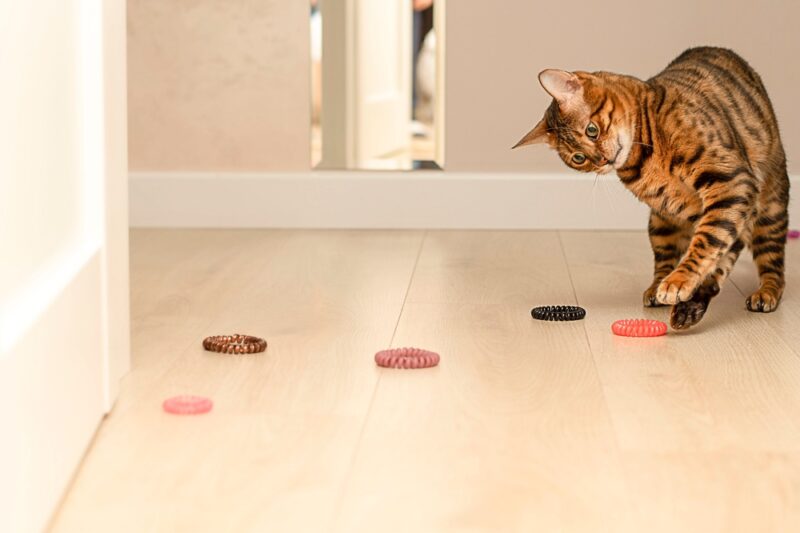
    The rubber band hits the floor with a soft snap, and before you can blink, your cat is batting it across the kitchen as theyve just caught the worlds bounciest mouse. It stretches, it wiggles, it moves exactly like prey. And thats precisely the problem.Rubber bands might seem harmless, but theyre one of the more dangerous household items cats can swallow. Unlike actual toys designed for cats, rubber bands dont break down in the digestive system. They get stuck. They tangle. And in the worst cases, they require emergency surgery to be removed.Heres what actually happens when a cat eats a rubber band, which warning signs mean trouble, and how to keep your cat entertained without the risk.Why Cats Cant Resist Rubber BandsImage Credit: xusenru, ShutterstockCats are hardwired to chase things that move like prey. Rubber bands stretch and snap back. Hair ties dangle and swing. These movements trigger the same hunting instincts that make your cat stalk toy mice and pounce on a string. The problem is that rubber bands check all the right boxes for fun while checking none of the boxes for safe.Rubber isnt digestible. If swallowed, it doesnt break down. It just sits there in the stomach waiting to cause problems. And because cats are curious creatures with a tendency to chew and swallow first and think later, prevention is your best defense.What to Do If Your Cat Just Swallowed OneFirst, take a breath. Swallowing a rubber band can cause serious problems, but it doesnt always. A small rubber band or a tiny fragment might pass through your cats system without incident.The key is close monitoring. Check the litter box obsessively for the next few days. If you know exactly what your cat swallowed, look for it in their stool. Spotting it in the litter box is the best-case scenario.Size matters here. If the rubber band was small (less than an inch) and your cat is acting totally normal, you can usually continue life as usual while staying alert. But if it was large (over 1.5 inches), thicker, or extra stretchy, contact your vet even if your cat seems fine. Longer or thicker rubber dramatically increases the risk of complications.Keep in mind that rubber bands arent toxicthe danger isnt poison, its obstruction. Objects that cant be digested may sit in the gut for days before causing symptoms, so problems dont always show up immediately.Warning Signs Somethings WrongCats who develop complications after swallowing a rubber band often show these symptoms: Loss of appetite Vomiting (especially shortly after eating) Changes in stool diarrhea or not passing anything at all Lethargy or sleeping more than usual Avoiding play or interaction A painful belly or resistance to being picked up Drinking excessively and vomiting, or drinking very littleIf you know your cat swallowed a rubber band and any of these symptoms appear, call your veterinarian immediately. Even if youre not sure what caused the symptoms, its still important to get your cat checked promptly.Image Credit: 4 PM production, ShutterstockWhy This Is So DangerousRubber bands can cause several serious, potentially life-threatening complications. They can wrap around the tongue, damage delicate tissues in the mouth or esophagus, or create blockages in the stomach or intestines. In some cases, they cause the intestines to tangle or fold in on themselvesa condition called intussusception.When the intestines are blocked, food and water cant pass through. Cats stop eating. They vomit after meals. And if food cant move through the gut at all, a cat may only survive a few days without treatment. Conditions like intestinal tangling can make cats critically ill very quickly, which is why symptoms after swallowing a rubber band are considered urgent.What the Vet Will DoYour veterinarian will start by asking detailed questions such as what your cat swallowed, when it happened, and what symptoms youve noticed. The more accurate you can be, the faster they can make decisions.Theyll examine your cat, checking the abdomen, heart rate, and temperature. If a blockage is suspected, they may recommend X-rays or scans to locate it, plus blood tests to assess hydration, infection risk, and whether your cat is safe for anesthesia. Surgery is often required to remove rubber bands that have caused blockages, so assessing overall health is critical.Each test helps guide treatment and gives your cat the best chance at a full recovery. Dont hesitate to ask questions, as your vet wants you to be informed and comfortable with the plan.If You Can See the Rubber Band, Dont Pull ItIf a rubber band is visible in your cats mouth, resist the urge to yank it out. It may be caught around the tongue or partially swallowed, and pulling could cause serious internal damage. Dont offer food or water. Contact a veterinarian, who can safely remove itsometimes with sedation or anesthesia.The same rule applies if you see a rubber band partially hanging from your cats rear end. Gentle tension is okay only if it slides out easily with no resistance. If theres any tension or it doesnt come freely, stop immediately and call your vet.Image Credit: JumpstoryCan a Cat Die From This?In severe cases, yes. A rubber band can block the intestines and require urgent surgery. The symptoms (vomiting, lethargy, refusing food) can look like many other illnesses, which is why veterinary assessment is so important. If you know a rubber band was swallowed, and your cat becomes unwell, mention exactly what was eaten when you call.Keeping Your Cat Safe Without Killing the FunThe simplest prevention is keeping rubber bands, hair ties, and similar items off counters, desks, and floors. If your cat loves stringy toys, choose safe alternatives like supervised wand toysand always put them away after playtime ends.For cats prone to swallowing things, enrichment doesnt have to involve strings. Puzzle feeders, tunnels, climbing structures, catnip toys, bat-around toys, and even simple DIY options like balled-up paper or cardboard tubes stuffed with treats can provide stimulation without the risk.The Bottom LineCats are natural hunters, and rubber bands trigger all the right instincts. But just because something looks like a toy to your cat doesnt mean its safe. By keeping risky items out of reach and offering better alternatives, youre protecting your cats health while still letting them do what they love: play, pounce, and explore. When in doubt, your veterinarian is always your best resource.Feature Image Credit: ketlit-ShutterstockDid You Know? Our brand-new posts are rounded up and included in our weekly emails. Dont miss out on the latest sign up for our newsletter below!
    0 Σχόλια 0 Μοιράστηκε 31 Views
  • WWW.CATSTER.COM
    Mochi, From Cairo to Brussels, and the One-Person Rescue Team Who Saved Her
    She stuck her paw out of the crate as if to say, Let me out. She didnt know she was on her way home.The alarm rings. Not your usualsnooze-and-roll-overkind of alarm this is theMochis going on a planealarm.Checklist time: food bowls lifted so she doesnt sneak a last-minute snack, passport and ticket money checked, crate lined with pads, special plastic zippers locked, name tag written.I place Mochi inside the crate. Sprinkle a little catnip to keep her calm during her journey. A paw shoots out like a tiny protest sign:Excuse me, maam, what exactly is happening here?She doesnt know how could she? that this scary little trip is her bridge to a forever family.Shes only been with me eight months, but thats the only home she knows. I am her person. And I cant help but wonder: when she settles, will she understand what I did for her? Maybe. Maybe not.Mochi RestingWhere It BeganMochis story didnt start in a crate.She was once a tiny calico kitten, sitting alone in a cold winter garden no mother, no siblings, just a small wound and a circle of dogs sniffing around her. One of the security guards spotted her on his way to his shift.Many people would have walked past without thinking much of it. But over the years, as I fed my colony and rescued cats in front of the security and garage workers, something shifted in them. They began to see animals through a different lens. Rescue didnt seem strange anymore it became normal, even possible.That day, he called me and asked if he could bring her to me. I couldnt say no. He showed up at my doorstep with this fragile, wide-eyed kitten, and that was the beginning. She blossomed into a resilient, strong-headed calico girl the Mochi I zipped into a crate eight months later.The FlightWe drive to the airport. For me, its just a few hours of waiting, talking rescue tidbits with fellow rescuers, swapping WhatsApps about other traveling cats. For her, it must have felt like intergalactic travel the noise, the smells, the fear.When she landed in Frankfurt, her adopter who had traveled all the way from Brussels to pick her up sent me a photo. Mochi looked confused, exhausted, and slightly betrayed. My heart sank. But I knew she was in good hands.This wasnt just any adopter. Fourteen years ago, she adopted a silver Mau cat from me, a boy I had namedSilver Sultan. Id found him one night on the street as I was heading to dinner with friends. He was under a year old, far too friendly to survive long out there. So I scooped him up, and in time, he made his way to her.Silver Sultan Before, EgyptSilver Sultan has been with her ever since loved and cared for all these years. So when Mochi went into her arms, I felt a wave of relief. A full circle trust, love, and continuity. Few things in rescue feel as rare, or as precious.Silver Sultan After, BelgiumBack to RoutineThen back home: cats to feed, medicine to give, updates from boarding, clinics, and fosters.How many times have I done this now? At first, I tried to count. Not anymore. The numbers blur. The feelings dont: worry for the one that left, anxiety for the ones still here, and a head buzzing with surgeries, vet bills, and looming financials.A One-Person ShelterHeres the truth no one tells you: what I do every day isnt supposed to be the work of one person. In another country, this would be handled by a shelter with staff and volunteers.But in Egypt, with stray and abandoned pets far outnumbering the few shelters we have, individuals like me end up carrying the load of an entire system.Is it sustainable? Probably not.Can I look away? Definitely not.Will things change soon? Honestly doubtful.The Adoption HurdlesOn top of it all, international adoption has become harder. Inflation makes people think twice. And lets face it everyone wants the fluffy, Instagram-ready cats.Meanwhile, I have a lineup of short-haired domestics and cats with disabilities. Theyre just as loving, just as deserving but not always the pretty ones.Why We Keep GoingSo, how has this been going for nearly 20 years? I dont know. But I do know this: the moment I see a photo of a cat curled up safe in their forever home, every sleepless night and every headache vanishes.Because thats what its about.Silver Sultan in BrusselsThe Bigger PictureIs rescue life different elsewhere? I doubt it. Rescuers everywhere live in a loop: endless rescues, the dread of spotting another animal in need, the fear of answering that call or message about a cat dumped on the street.We rush to post advice, fight against mistreatment, and raise awareness. But most of the time, it feels like were talking to ourselves, inside the rescue bubble.The only real solution? Education on a massive scale. Start in kindergarten. Teach kids that pets are family, not toys. Show them the beauty of all domestic cats and dogs, so specific breeds stop getting all the love. And maybe, just maybe, well raise a generation that adopts adults, not just kittens and puppies.Mochi NowAnd TomorrowFor now, one cat has traveled. How many more to go? Too many to count.But I keep going. Ive been saying that for 18 years now.And tomorrow, Ill probably say it again.Because for Mochi, and for Silver Sultan before her, and for every cat after them, its worth it.If youd like to follow Mochis updates and many more rescue stories you can find me on Facebook (EgyPaws Cat Rescue) or Instagram (@simbakis).
    0 Σχόλια 0 Μοιράστηκε 27 Views
  • WWW.CATSTER.COM
    Putting the Kibosh on Kitten Season in Ohio
    On the surface, the term Kitten Season might sound like a cause for celebration, but the sad reality is that it is a phrase that sends shivers down the spines of anyone working in the field of cat rescue and rehoming. With animal shelters becoming more and more overcrowded each year, the annual peak in feline reproduction from May to October puts a massive strain on already exhausted resources, staff, and volunteers. The ongoing problem seems to be that cats are able to reproduce at a rate faster than we can spay and neuter them, which is an issue that two veterinarians in Chillicothe, Ohio, set out to conquer.In an initiative led by Petland veterinarians Dr. Rebecca Atwood and Dr. Sarah Hettinger, a whopping 1,291 feral and rescue cats were removed from the mating pool between January and December 2025. With the help of the dedicated veterinary team at Animal Health Center of Chillicothe, the pair completed 817 spay surgeries and 474 castrations; a significant increase on previous years. Considering that an unspayed female cat can produce over a hundred kittens in her lifetime, the exponential effect of spaying this many cats is huge.We know how overwhelmed shelters and rescues become every year, said Dr. Atwood. With Petland stores serving as an outlet for cat placement, we knew we could and should do more. Spaying and neutering protect the health of these cats and directly address the overpopulation issue in our communities.By acting as a conduit between animal shelters and prospective pet parents, Petland has been able to take a little bit of the load from rescue organizations and facilitate the neutering and rehoming of cats that may otherwise be overlooked. This far-reaching, community-wide response focused not only on adoption but also aon ddressing the root cause of overpopulation.Dr. Hettinger and her team worked closely with area rescue partners, including Cats & Company, The Cat Round Up Rescue, Purrrfect Companion, and Petlands Adopt a Kitten/Cat Program. While kitten season typically peaks between May and October in Ohio, the veterinarians emphasized that feral cat overpopulation doesnt really have a low period.While we see a seasonal spike every year, the feral cat population doesnt take a break, Dr. Hettinger explained. We made room in our schedule to perform as many surgeries as possible to help put a dent in the local homeless cat population.Each cat received a pre-surgical health check and medical care as needed. All cats in Petlands adoption program were also vaccinated, tested for FIV and FeLV, to ensure they were fit and healthy for placement in their forever homes.The health benefits are substantial, said Dr. Hettinger. Spaying and neutering prevents unintended litters, reduces medical and behavioral issues, and increases the likelihood that cats can be placed into loving homes.As a result of this collaboration, hundreds of cats are now healthier and on their way to loving homes, and there will be fewer litters, putting pressure on animal shelters. Petland is encouraging its other franchisees to form similar partnerships with local shelters and vets to help reduce cat overpopulation and improve the health and welfare of their communities. And always remember: adopt, dont shop!Did You Know? Our brand-new posts are rounded up and included in our weekly emails. Dont miss out on the latest sign up for our newsletter below!
    0 Σχόλια 0 Μοιράστηκε 30 Views
  • WWW.CATSTER.COM
    Catster Photo Contest: Cats of the Week Winners (January 22, 2026)
    In this articleWinnerSleepiestMost DignifiedBest Action ShotCutestMost ExpressiveSilliestEnter Your CatView 7More +Less -This Weeks WinnerName:Willow and WinstonBreed:American ShorthairIG:@beth_reimer218SleepiestName:RockyFun Fact:Rocky was found as a dirty, hungry little stray, fighting a skunk on my back porch for the cat food I leave out for strays (hence his name). He has since taken to the spoiled housecat life quite well!IG:@Carrieann26Most DignifiedName:EchoFun Fact:This picture was taken while Echo was sitting under the table and watching birds outside, one of his favorite pastimes. He also loves boxes sitting in them, on them, and dragging his toys into them.IG:@ahleyabBest Action ShotName:MeshachBreed:British short hair mixIG:@rhondacoleman4752Fun Fact:Meshach is a rescue kitty from under a local sandwich shop. Home-cooked chicken is her favorite food, and shes not about begging for it!!!CutestName:SibbieBreed:Siberian and Maine CoonIG:@KatieBratieFun Fact:Rescued by my sister Kim. This boy is gentle and soo lovedMost ExpressiveName:DropletFun Fact:Droplet is a sweet cat who starts purring the minute you touch her. She lives with another cat, 2 dogs, 13 chickens, 7 ducks and 2 lamb.IG:@CaspercaspurrcatSilliestName:MikeyFun Fact:Mikey is 9 years old, my 2nd oldest of 5 cats and 1 dog. He is my ONLY boy though, but takes it in stride!! This photo was taken several years ago when I walked into the room, luckily with phone in hand, and was able to preserve this treasure for others to enjoy. I refer to it as his dating app profile photo lol!Enter Your CatClick here to submit your kitty for a chance to be featured!This article is a part of our Weekly Photo Contest View our previous weeks winners here: January 15, 2025 Click here to view our full list of past winners Did you know our newsletter features the latest photo contest winners? Sign up below and get the contest sent straight to your inbox
    0 Σχόλια 0 Μοιράστηκε 29 Views
  • WWW.CATSTER.COM
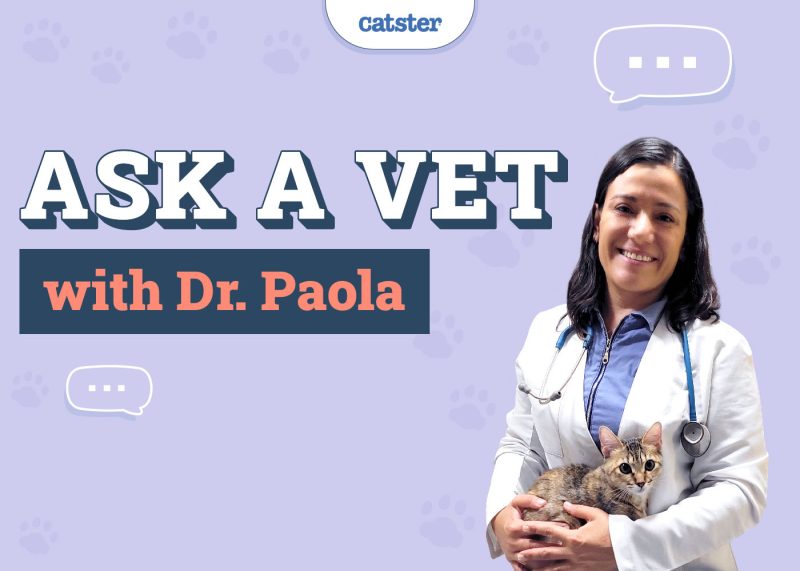
    Ask Dr. Paola Hunting, Over-Grooming & Third Eyelids (January 19, 2026)
    Welcome to our Ask Dr. Paola series, where every Monday we bring expert advice straight from Dr. Paola Cuevas (MVZ) to help our readers better understand their cats health and well-being. Whether youre a new pet parent or a seasoned cat lover, Dr. Paola is here to provide answers to your most pressing questions. From nutrition tips and preventive care to troubleshooting common behavioral issues, Dr. Paola is ready to offer insights that will keep your kitty happy, healthy, and feline fine. Stay tuned for expert guidance on a range of topics that matter most to you and your cat, so you can make informed decisions and provide the best possible care for your furry companion. Have a question? Send it in here!Help! My Cat Loves to Hunt!Pearl is a bit of a hunter, which I hate, and I try to keep her indoors as best as I can. She likes to bring me mice or small birds if she does go out, so I really try hard not to let that happen. How can I keep her happy inside so she doesnt need to go out and hunt?- OriHey Ori,Keep in mind that Pearls hunting drive is very natural, and it often helps pet parents to think of it like a built-in engine that switches on whenever movement triggers their attention. Indoor life can still satisfy that instinct as long as we recreate the sequence of stalking, chasing, and capturing in a safe and structured way. Cats thrive when their environment feels like a landscape full of small opportunities, so providing vertical spaces, cozy observation points, and a predictable daily routine can make their indoor world feel rich rather than restrictive.Interactive play becomes the heart of this approach because it allows Pearl to practice her hunting skills without any risk to wildlife. Wand toys that dart and flutter, food puzzles that encourage problem solving, and short sessions several times a day help channel her energy into healthy outlets. Rotating toys prevents boredom, and placing a perch near a window can give her that enjoyable sense of watching the world without the urge to run after it. If you ever wonder whether her behaviors reflect frustration or if adjustments might help her settle more comfortably, we would be happy to help you at Pangovet. We can offer you guidance from the comfort of your home. With consistent enrichment, most cats can successfully transition into indoor life.Best wishes, Dr. PaolaIf you'd like to talk with a vet, like Dr. Paola or one of our other expert veterinarians, you can head over to PangoVet. It's our online service where you can talk with a vet online and get the advice you need for your cat all at an affordable price! Catster reader exclusive deal: Save 65% on your first call, use code ASKDRPCATSTER65 at checkout.Help! When Does Grooming Become Over-Grooming?Tiger cleans herself a lot, but when is it too much? Ive heard of overgrooming and anxiety, and am now worried shes got it (probably putting my anxiety about it onto her! RhyanneDear Rhyanne,It is completely normal for a healthy cat to spend a good portion of the day grooming; it is part of keeping the skin and coat in good condition. The concern begins when grooming starts to create changes you can see or feel. Overgrooming is described as behavior that leads to hair thinning, broken hair tips, patches of bald skin, or irritation such as redness or small crusts. Cats can also develop hairballs more frequently because they ingest more fur. When grooming starts to interrupt resting or play, or when you notice the coat looking uneven, it can be a sign that something beneath the surface needs attention.Overgrooming is often compared to scratching an itch that never quite goes away. The underlying cause may be medical, such as flea allergy dermatitis, environmental allergies, pain in a specific area, or skin infection. Anxiety can also play a role, but it is essential to rule out physical causes first because the behavior is usually the visible tip of an iceberg. A physical examination by a veterinarian is the most reliable way to determine what is driving the behavior, since treatment will vary depending on the origin.The fact that you are observing Tiger so carefully already puts her in good hands. If her grooming has not changed the appearance of her coat or skin, and her daily routine remains normal, you may simply be seeing a very tidy cat. If anything about her grooming pattern shifts or you see any coat or skin changes, an in-person visit is the safest way to protect her comfort and well-being. I hope this helps! Dr. PaolaHelp! My Cats Third Eyelid Gets Stuck?Daisys third eyelid sometimes gets stuck, but not always. When should I worry? LyleDear Lyle,I understand your concerns. The third eyelid or nictitating membrane can appear briefly in relaxed cats, or when they are just waking, so an occasional glimpse is not always a sign of trouble. Worry grows when the membrane stays elevated, shows up on only one side, or comes with other changes such as squinting, pawing at the face, or discharge. Its protrusion often reflects irritation, dehydration, pain, or conditions like Haws syndrome. It can help to imagine the third eyelid as a little curtain that the eye pulls up when it feels bothered or needs extra protection.If the third eyelid stays visible for more than a few hours, if the eye becomes red or cloudy, or if Daisy seems uncomfortable, she should be examined in person. Eye issues can progress quickly, and timely evaluation helps rule out corneal injury, infection, neurologic causes, or systemic illness. Your careful observation is already giving Daisy a strong advantage because eye changes can be easy to miss early on. Quick attention is the best way to protect those delicate structures that serve as her windows to the world.Kind regards, Dr. PaolaThis article is a part of our weekly Ask Dr. Paola series Read last weeks questions here: January 12, 2026 Find the full list of past articles here Click here to submit a question Sign up for our weekly newsletter below to get Dr. Paolas advice sent straight to your inbox.
    0 Σχόλια 0 Μοιράστηκε 17 Views
  • The Dead by Daylight Grimoire gives us a first glimpse at new Killer and Survivor designs, and the final choice is yours
    The Dead by Daylight Grimoire gives us a first glimpse at new Killer and Survivor designs, and the final choice is yours Behaviour Interactive has peeled back the cover on the Dead by Daylight Grimoire to give us our first glimpse of what its next Killer and Survivor could look like - and the final choice is in your hands. Creative director Dave Richard says the new chapter is about...
    0 Σχόλια 0 Μοιράστηκε 45 Views
  • Warzone Season 2 is the beginning of a "new chapter" for ranked play, with a focus on Resurgence and a brand new mode
    Warzone Season 2 is the beginning of a "new chapter" for ranked play, with a focus on Resurgence and a brand new mode While I've played a fair amount of Call of Duty Warzone in my time, I've never really felt compelled to get stuck into its ranked experience. I've dabbled in ranked Apex Legends and Fortnite in the past, but Warzone took so long to establish its competitive scene that I...
    0 Σχόλια 0 Μοιράστηκε 43 Views