• WWW.CATSTER.COM
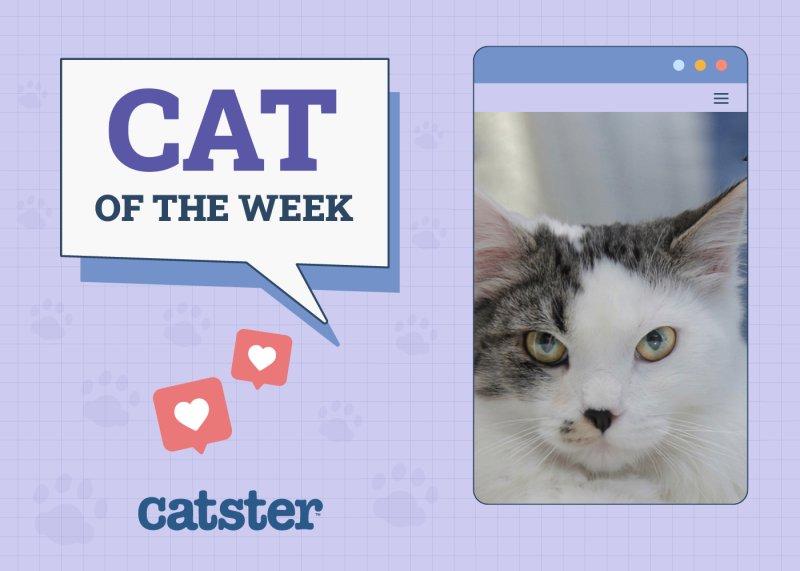
    Catster Photo Contest: Cats of the Week Winners (January 15, 2026)
    In this articleWinnerSleepiestMost DignifiedBest Action ShotCutestMost ExpressiveSilliestEnter Your CatView 7More +Less -This Weeks WinnerName:RileyBreed:Turkish angora mixIG:@CaspercaspurrcatFun Fact:Riley was born in an old car wreckage site and was rescued shortly after his birth. His outgoing personality won him over by everyone at the rescue and we were the lucky ones who got to adopt him. He loves his bug bite treats, catnip toys and atching birds right outside the window.SleepiestName:NoahFun Fact:Noah likes to sleep with me. Hes loving and loves attention. He took my place when I got up.IG:@buckeyevic1Most DignifiedName:Don GatoIG:@Ara_ramirez12Best Action ShotName:SibbieBreed:Siberian and Maine CoonIG:@KatieBratieFun Fact:Loves his special treats from NanaCutestName:TetleyFun Fact:Tetley impersonating a Meerkat!IG:@iamtetleyMost ExpressiveName:AbangBreed:Domestic ShorthairIG:@auliapspaFun Fact:Abang demanded second meal (he ate his first meal 5 minutes before)SilliestName:ApolloFun Fact:Apollo is full of love! He is very affectionate and loves to nap. Apollo is 5 years old, and is very spoiled and loved by all of us IG:@ama_ndahhhhhhhhEnter Your CatClick here to submit your kitty for a chance to be featured!This article is a part of our Weekly Photo Contest View our previous weeks winners here: January 8, 2025 Click here to view our full list of past winners Did you know our newsletter features the latest photo contest winners? Sign up below and get the contest sent straight to your inbox
    0 Comentários 0 Compartilhamentos 8 Visualizações
  • WWW.CATSTER.COM
    Mange Spreads Fast in Feral Colonies Heres How to Stop It
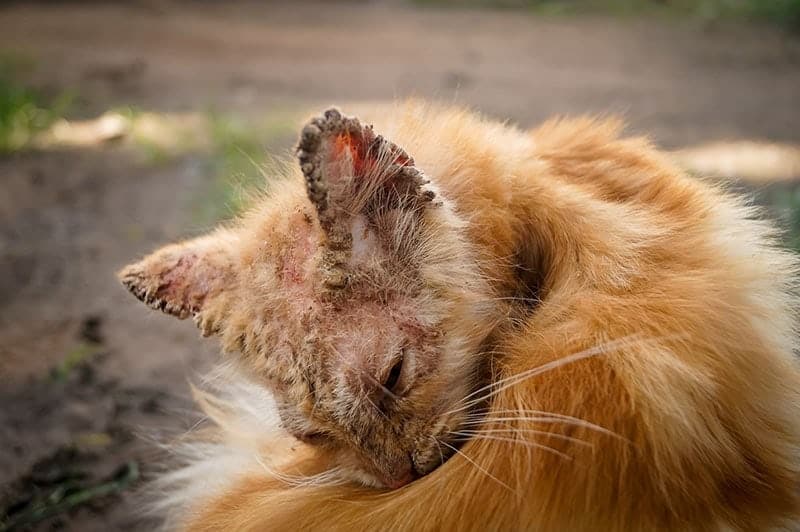
    In this articleWhat Is Mange in Cats?Why a Vet Diagnosis Matters8 Vet-Approved Tips for Treating Mange in Feral CatsCan Humans Catch Mange From Feral Cats?View 3More +Less -If you care for feral cats, or if you interact with them every so often, you likely already know how tough it can be to keep them healthy. When intense itching, hair loss, and scabby skin enter the picture, things get even more stressful. Mange spreads quickly, makes cats miserable, and is especially common in feral colonies where close contact with wildlife is unavoidable.Treating mange in friendly house cats is challenging enough. Treating it in cats that cant be handled? Thats a whole different level. The good news is that with veterinary guidance and a few smart strategies, mange can be managed, even in feral populations. Lets walk through what mange really is and eight vet-approved tips to help you get it under control.What Is Mange in Cats?Image Credit: Casey Elise Christopher, ShutterstockMange is caused by mites, and it often looks as bad as it feels. Many people picture a severely hairless, scabby cat, but there are actually several different types of mange in cats, and they dont all look the same. Some are mildly itchy, while others cause intense discomfort.The most common types of mange in cats include sarcoptic mange (scabies), notoedric mange (feline mange), ear mites, cheyletiellosis (often called walking dandruff), and trombiculosis (chiggers). Each type causes itching and skin changes to varying degrees. Other skin problems like fleas, allergies, bacterial infections, and fungal infections can look very similar, which is why veterinary input is essential.Why a Vet Diagnosis MattersMange cannot be diagnosed based on appearance alone. A veterinarian needs to examine the cat and, if possible, take skin scrapings to look for mites under a microscope. This step is critical because some treatments for allergic skin disease can actually make mange worse.Prescription-strength medications are required to treat the most serious forms of mange, and vets cannot legally prescribe them without examining the animal. That makes veterinary involvement unavoidable, even when dealing with feral cats.8 Vet-Approved Tips for Treating Mange in Feral Cats1. Separate Affected Cats When You CanMange spreads rapidly through close contact. If youre able to isolate cats showing signs of infection, you may be able to limit how many individuals become affected. This isnt always possible in feral colonies, but even partial separation can help slow the spread.2. Work With a Veterinarian EarlyA vet visit is essential for both diagnosis and treatment. Over-the-counter shampoos, sprays, and home remedies are unlikely to work against feline scabies or ear mites. Mange often comes with secondary bacterial infections, so antibiotics may also be needed in some cases.Image Credit: Yaya Photos, Shutterstock3. Treat the Entire Colony If PossibleIt may feel overwhelming, but treating only a few cats often leads to reinfection. Any cats in the colony should be assumed to be infected or at high risk. Treating the entire group with vet-prescribed topical medications gives you the best chance of breaking the infection cycle.4. Soothe Inflamed, Painful SkinSeverely itchy and inflamed skin heals more slowly. While sprays like EcoMange wont eliminate mites, they may help reduce itching and discomfort, which can speed recovery. This is especially helpful when bathing feral cats isnt an option.5. Clean or Replace BeddingIf you provide bedding or blankets, wash them on a hot cycle and tumble dry to kill mites. Items in poor condition are best discarded. Mites cant survive off a host for more than a couple of days, so environmental treatment beyond bedding isnt necessary.6. Reduce Contact With WildlifeWild animals such as raccoons, foxes, and possums commonly carry mites. While its impossible to eliminate wildlife contact entirely, small changes help. Adjust feeding times, remove leftover food, and use fencing where possible to reduce visits from other animals.Image Credit: RJ22, Shutterstock7. Stay Consistent With Parasite PreventionOnce mange is under control, ongoing parasite prevention is key. Regular application of topical flea and mite preventatives helps stop future outbreaks before they start. Prevention is far easier than managing another infestation.8. Support Skin Health With SupplementsHealthy skin and a strong immune system can help cats recover more quickly. Liquid supplements containing fish oil and essential fatty acids can be safely added to communal food bowls. While supplements wont prevent mange on their own, they can support healing and overall skin health.Can Humans Catch Mange From Feral Cats?Some mites that cause mange in cats, particularly notoedric mange and sarcoptic mange, can spread to humans. They can cause intense itching and red, raised spots, but they cannot reproduce on human skin. In most cases, the infestation is self-limiting and resolves once exposure stops.Humans are unlikely to become infected unless they have close, repeated contact with affected cats. People with allergies, weakened immune systems, or underlying health conditions should seek medical advice promptly if symptoms develop. Pet cats living near feral colonies should be protected with regular parasite prevention.Wrap-Up: Compassion, Planning, and Persistence MatterCaring for feral cats is a generous and meaningful commitment, and dealing with mange can feel overwhelming. With veterinary guidance, consistent treatment, and a few practical steps, mange can be controlled and future outbreaks reduced.Your efforts make a real difference in the comfort and health of these cats. Stay patient, stay informed, and dont hesitate to lean on your vet for support along the way.Feature Image Credit: Suharji-Esha_ShutterstockDid You Know? Our brand-new posts are rounded up and included in our weekly emails. Dont miss out on the latest sign up for our newsletter below!
    0 Comentários 0 Compartilhamentos 9 Visualizações
  • WWW.CATSTER.COM
    The Netherlands Bans the Sphynx and Scottish Fold
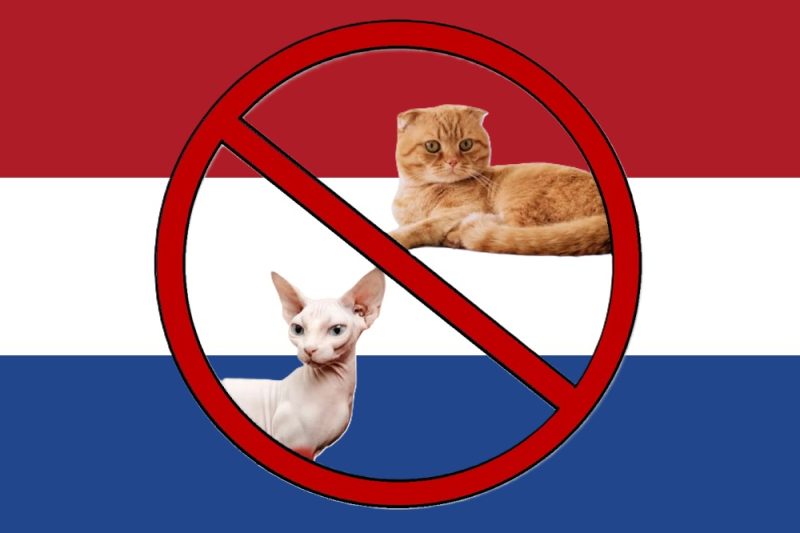
    Following their controversial introduction of laws restricting the breeding of brachycephalic dogs such as the Pug and French Bulldog in 2023, 1 the Netherlands is continuing to lead the charge on prohibiting breeds based on harmful external characteristics. Although the move has been talked about for months, as of January 1, 2026, it is no longer legal to breed, sell, or keep a cat of the Sphynx or Scottish Fold breed, with those found to be flaunting the law subject to a hefty fine.In a statement on the official government website, State Secretary Jean Rummenie (LVVN) made his position clear:Animal welfare is my top priority. Weve been working hard on the ban on keeping folded and hairless cats for quite some time now. Im glad this has finally happened, because its unacceptable for animals to suffer unnecessarily because of their physical characteristics.While this announcement will come as a welcome step forward for many animal welfare supporters, there are going to be many fans of the breeds who will not be pleased with the news.Image Credit: Olga Shusters, ShutterstockThere will be a transitional period as the ban comes into effect, with cats of the affected breeds born prior to January 1, 2026 (as verified by microchip identification) exempt from the ban (although it is unclear how kittens from queens mated prior to the ban will be addressed). Those found to be in possession of a contraband kitty will be fined, but there is no indication that the cats themselves will be taken, and certainly no plan to destroy those who have been kept illegally. After all, the purpose of this law is to improve animal welfare, not end lives.The Ministry of Agriculture, Fisheries, Food Security and Nature published the decision in October last year,2 giving Sphynx and Scottish Fold breeders and prospective owners a little over two months to come to terms with the new legislation.Through extensive research and discussion, it has been agreed that the deliberate and selective breeding of these two breeds poses a clear and immediate risk to the health and well-being of the cats.In the case of the Scottish Fold, the cute trademark folded ears are the result of a genetic mutation of the cartilage, which also causes developmental abnormalities of other parts of the body, including the tail, limbs, and joints. Depending on the severity of the mutation, cats may suffer from a range of conformation issues, including stiff joints, difficulty walking, and chronic, debilitating pain.Image Credit: Inna photographer, ShutterstockUnlike the curly-coated, near-naked Rex cat breeds (e.g., Devon Rex, Cornish Rex, Selkirk Rex), the fine, wispy hairs that furnish the sensitive skin of the Sphynx serve no functional purpose, while the Rex coat still provides physical protection and thermoregulatory functions. The mutation that produces alopecia in the Sphynx cat leaves these cats with skin that is unprotected, making them highly susceptible to sunburn, infections, and changes in temperature. In addition, their lack of whiskers and tactile hairs inhibits the cats ability to communicate and interact with their environment.Since 2021, the Netherlands has been exploring how to stop the practice where animals suffer as a direct result of physical characteristics deemed cute by the often-unwitting public who buy them. What may seem like wishful thinking to many other countries and governments has proven to be a revolutionary and enlightened movement, one that will hopefully be adopted by more countries worldwide.The greatest obstacles to implementing similar bans further afield are perception, misinformation, and product demand. In a consumer-driven society, it is highly unlikely for the product provider to lead the charge in banning their own product, and if demand continues, so will production. In the Netherlands, rather than wait for the ethical dilemma of buying an inherently unhealthy pet to affect demand, the government has stepped in and simply removed the unethical option, something few governments have the courage to do. Whilst freedom of choice is a wonderful thing, it shouldnt be at the cost of animal welfare.Image Credit: Motortion Films, ShutterstockBroadly speaking, people tend to believe that breeders would not deliberately and knowingly breed animals that are unhealthy, and in their defence, many do not understand that their chosen breeds unusual physical attributes may be more than skin deep.However, the assertion that a litter of Scottish Fold kittens or Pugs, for example, has been vet-checked and declared to be healthy should always come with a small but essential qualifier: these animals are relatively healthy. The squashed faces, deformed cartilage, and other mutations mean that the health of these popular pets is compromised from conception. These mutations have not just been normalized, but have become highly sought after. However, this does not negate the FACT that these physical traits have a range of significant health implications, such as breathing difficulties, eye problems, spinal disease, early onset arthritis, and increased disease susceptibility, just to name a few. There is no doubt that animals with these afflictions can and do lead happy, enjoyable lives, but to knowingly and deliberately create cats and dogs with mutations, just to meet misguided consumer demand, is not just unethical, it is downright cruel.We need to stop listening to the misinformation being fed to us that these cats are perfectly healthy, and make it clear that breeding and buying pets based on cute mutations, without taking the time to understand the health implications of those mutations, is not okay. While the ban in the Netherlands is a positive step towards improved animal welfare, it would be even better if our choices made similar laws unnecessary.Feature Image Credit: petfoto.vn & Alexander-Sobol, ShutterstockRelated Reads:Good News for Big Cats: Snow Leopards Get a New HomeCONSUMER ALERT; Give Carefully This Holiday SeasonDid You Know? Our breaking news articles are featured in our weekly emails. Dont miss out on the latest and sign up for our newsletter below!

    0 Comentários 0 Compartilhamentos 9 Visualizações
  • WWW.CATSTER.COM
    Ask Dr. Paola Bee Stings, Dry Heaving & Feline Acne (January 12, 2026)
    Welcome to our Ask Dr. Paola series, where every Monday we bring expert advice straight from Dr. Paola Cuevas (MVZ) to help our readers better understand their cats health and well-being. Whether youre a new pet parent or a seasoned cat lover, Dr. Paola is here to provide answers to your most pressing questions. From nutrition tips and preventive care to troubleshooting common behavioral issues, Dr. Paola is ready to offer insights that will keep your kitty happy, healthy, and feline fine. Stay tuned for expert guidance on a range of topics that matter most to you and your cat, so you can make informed decisions and provide the best possible care for your furry companion. Have a question? Send it in here!Help! My Cat Got Stung By a Bee!My cat Bella loves to swat at and try to eat flies, and today she got surprised, it was a bee, and bit it, and got stung on her tongue. Its swollen, but she can still breathe normally, and eat and drink. Should I take her to the vet, or can I watch her at home?- KourtneyHey Kourtney,A sting on the tongue can be concerning because even a modest amount of swelling can build quickly in such a small space. Many cats show only local inflammation after a sting, yet the tongue is a sensitive location and can place them at higher risk for delayed airway compromise. Even if Bella is breathing comfortably right now, the inflammatory process can continue to develop over several hours, which is why prompt veterinary evaluation is the safest approach.Fast-acting anti-inflammatory medication is often needed for oral stings and works best when given early. Close monitoring is essential while you arrange care. Any change in her voice, increased breathing effort, drooling, or agitation should be treated as urgent since these signs can indicate that swelling is progressing.Please dont wait. Dr. PaolaIf you'd like to talk with a vet, like Dr. Paola or one of our other expert veterinarians, you can head over to PangoVet. It's our online service where you can talk with a vet online and get the advice you need for your cat all at an affordable price! Catster reader exclusive deal: Save 65% on your first call, use code ASKDRPCATSTER65 at checkout.Help! My Cat Dry Heaves!Luca, my beloved cat, sometimes has dry heaves, and nothing comes out. He eats normally, and then the issue goes away for 3-4 days, then hell have a spout of it again. Been going on for about 3 weeks. What should we do? GiaHi Gia.I understand that watching Luca dry heave can be unsettling, especially when he seems perfectly normal between episodes. Since you describe that this pattern repeats over several weeks, it suggests that something is intermittently irritating his throat or stomach. Cats often retch when they are mildly nauseated, when hair accumulates in the upper gastrointestinal tract, or when there is inflammation in the airway or esophagus. Hair can certainly play a role, though true hairball events typically involve coughing or gagging followed by at least a small amount of fluid or hair. Repeated dry heaving without production points to the need for a closer look.Since this has been happening for three weeks, a physical exam is the safest next step. Your veterinarian can evaluate for gastrointestinal irritation, early airway disease, partial hair retention, or other conditions that may not be obvious at home. Any increasing frequency of episodes, changes in breathing, or repeated retching in clusters should be treated as more urgent. I hope this helps! Dr. PaolaHelp! Can Cats Get Zits?Can cats get zits? FranziHello Franzi,Thank you for your question. Cats can certainly develop something very similar to zits. We usually call it feline chin acne, and it happens when the hair follicles on the chin or lower lip become clogged with oil, debris, or bacteria. It often starts as small black specks that look like dirt, then can progress to swollen, tender bumps. Many cats are not bothered at first, but irritation can build over time, much like when our own skin becomes congested.A veterinary exam is helpful when the area becomes red, painful, or begins to form pustules because secondary infection is common. Management usually focuses on gentle cleansing, reducing friction from bowls, and addressing any underlying inflammation. Some cases might also require oral antibiotic prescriptions.Regards, Dr. PaolaThis article is a part of our weekly Ask Dr. Paola series Read last weeks questions here: January 5, 2025 Find the full list of past articles here Click here to submit a question Sign up for our weekly newsletter below to get Dr. Paolas advice sent straight to your inbox.
    0 Comentários 0 Compartilhamentos 9 Visualizações
  • How to Go to Battle with the Enemy - and Win! (Ephesians 6:10-11) - Your Daily Bible Verse - January 18
    How to Go to Battle with the Enemy - and Win! (Ephesians 6:10-11) - Your Daily Bible Verse - January 18How to Go to Battle with the Enemy (and Win!)By Courtnaye Richard“Finally, my brethren, be strong in the Lord, and in the power of his might. Put on the whole armor of God, that ye may be able to stand against the wiles of the devil.” – Ephesians 6:10-11When you are in a battle, I know it's...
    0 Comentários 0 Compartilhamentos 9 Visualizações
  • What the Bible Says about Goodness in Dark Days
    What the Bible Says about Goodness in Dark Days I saw a recent Substack article where the writer questioned if God had abandoned 2025, left it for ruin. Immediately, I paused and thought, Has it been that bad? Then my brain recalled large-scale catastrophes that have impacted our world: school shootings, political assassinations, devastating hurricanes, and religious...
    0 Comentários 0 Compartilhamentos 9 Visualizações
  • Why January Can Be One of the Hardest Months
    Why January Can Be One of the Hardest Months It's the first week of January. Cold snow showers greet my presence, but amidst their beauty, something feels dead inside. There's always a strange quiet that settles in after the holidays, isn't there? Maybe you've felt it, too.After the decorations come down and Christmas and New Year's have passed, group chats slow, parties fade, and travel...
    0 Comentários 0 Compartilhamentos 11 Visualizações
  • What Does It Really Mean to Trust God Through Life’s Highs and Lows?
    What Does It Really Mean to Trust God Through Life’s Highs and Lows?I’m a Christian because I love Jesus. It's really that simple. I don't have a profound, exciting, or dramatic story, but I do have a journey of faith.I can say that, probably around the age of six, I started questioning God and Christ. I wanted to get to know Him, but at the time, I saw Him more as a distant being in the sky,...
    0 Comentários 0 Compartilhamentos 9 Visualizações
  • Katy Nichole Opens Up About Depression, Therapy and Finding Identity in Christ
    Katy Nichole Opens Up About Depression, Therapy and Finding Identity in Christ Christian singer Katy Nichole joins Crosswalk Talk's Michael Foust for an honest, wide-ranging conversation about faith, mental health, and the healing journey behind her new album, "Honest Conversations." Katy opens up about writing songs during a season when her faith felt fragile, why she stopped...
    0 Comentários 0 Compartilhamentos 11 Visualizações
  • Jamie MacDonald Reflects on the Journey That Shaped Her Self-Titled Album
    Jamie MacDonald Reflects on the Journey That Shaped Her Self-Titled Album In this candid conversation, Brandon Woolum sits down with Jamie MacDonald as she prepares to release her self-titled debut album, arriving January 23. Jamie opens up about the deeply personal journey behind the record—sharing how songwriting has become a space for healing, surrender, and rediscovering her...
    0 Comentários 0 Compartilhamentos 10 Visualizações