

0 Reacties
0 aandelen
23 Views



Bedrijvengids
Elevate your Sngine platform to new levels with plugins from YubNub Digital Media!
-
Please log in to like, share and comment!
-
 WWW.DOGINGTONPOST.COMHow to Foster Dogs: A Practical Guide to Short-Term CareDog shelters across the country are overwhelmed. Right now, fostering is one of the most effective ways to help rescue organizations free up space and resources for dogs in crisis.At DogingtonPost, weve put together this guide to show you exactly how to foster dogs-from preparing your home to building trust with your temporary companion. Whether youre a first-time foster or looking to refine your approach, youll find practical steps that work.What Fosters Actually Do for Dogs and SheltersHow Foster Homes Solve the Shelter CrisisFoster homes solve a concrete problem that shelters face every single day: space and resources run out. When a dog arrives at a shelter, it occupies a kennel, requires staff time, and consumes food and medical supplies. A foster home removes that dog from the shelter equation entirely, freeing up space for another animal in crisis. MaxFund in Denver has operated its foster program since 1988 and demonstrates exactly how this works-their Foster Coordinator and Veterinary Technician support foster families while the shelter itself maintains control over the dogs medical care and placement. This structure matters because it means shelters can intake more dogs without expanding their physical facilities.Why Dogs Thrive in Foster HomesThe dogs benefit equally from foster placement. A shelter kennel creates stress through noise, confinement, and limited human interaction. Foster homes provide the opposite: one-on-one attention, a calm environment, and exposure to normal home life. A dog recovering from surgery or showing anxiety in a shelter thrives in a foster home where it can decompress and regain confidence. Puppies especially gain from foster placement because they need socialization with people and other animals before adoption-something nearly impossible in a kennel setting.The Information Foster Families ProvideFoster families become the shelters eyes and ears, observing how a dog behaves around children, other pets, and in real situations. That information is invaluable when matching dogs to permanent homes. Foster caregivers document a dogs reactions in different contexts, which helps rescue organizations identify possible triggers and place dogs with families that fit their needs.Fostering Versus Adoption: Understanding the DifferenceThe distinction between fostering and adoption matters practically. Fostering is temporary and voluntary; you commit to weeks or months, not years. Adoption is permanent and legal. Fostering carries zero financial burden because shelters typically cover food, supplies, medications, and veterinary care. Adoption requires you to assume all costs and responsibility indefinitely. This difference makes fostering accessible to people who cannot afford permanent pet ownership or arent ready for that commitment.The Ripple Effect of Foster ProgramsSome fosters do adopt their dogs-what the rescue community calls a foster fail-but thats optional. The real impact happens when a foster dog moves into a permanent home with a different family, freeing the foster home to help another dog in need. This cycle matters at scale. For every dog in a foster home, a shelter bed opens for an animal pulled from the streets or surrendered by an owner. Rescue organizations depend on this model to function. Without foster homes, shelters would turn away dogs or euthanize animals they cannot accommodate. With foster homes, they expand capacity without building new facilities. Understanding this foundation prepares you to take the next step: getting your own home ready to welcome a foster dog.Getting Your Home Ready for a Foster DogBefore a foster dog arrives, your home needs to shift from human-centered to dog-safe. Secure breakable items, hide electrical cords, and remove anything small enough to swallow. A foster dog doesnt know your house rules yet, and many test boundaries through chewing or exploring. Create a dedicated space where the dog can decompress during the first week-ideally a separate room with minimal foot traffic, a crate, food and water bowls, and a comfortable bed. This isolation area matters more than people realize. Getting your home ready for a foster dog requires preparation that helps foster pets transition smoothly, and youll need space where a stressed or recovering dog can rest without constant stimulation.Introduce Your Foster Dog CarefullyIf you have existing pets, plan neutral-ground introductions carefully. Dont throw a foster dog directly into your household pack. Instead, let them meet in a hallway or on a walk before entering shared spaces. Supervise every interaction for at least the first two weeks. Keep your resident dogs routine stable-foster dogs settle faster when they observe calm, established household patterns. Food is another area where people make mistakes. Try to maintain whatever diet the shelter provided; if you need to switch food, consult your veterinarian and consider probiotics like FortiFlora to support digestion during the transition. Some shelters provide food and supplies, while others expect foster families to purchase items, so clarify whats covered before the dog arrives.Build a Consistent Daily RoutineA consistent daily routine reduces anxiety dramatically. Feed at the same time every day, schedule walks at predictable hours, and maintain a quiet evening wind-down. Dedicate at least 15 minutes daily to teaching a command or trick-this builds trust and gives the dog mental stimulation. Two walks per day is the minimum for most dogs; this burns energy and provides socialization opportunities once the dogs vaccines are current. During meals and downtime, use enrichment strategies like puzzle feeders or sniff mats to prevent boredom and destructive behavior. If a foster dog shows anxiety, calming aids like Adaptil diffusers can help, though always consult the shelter before introducing any products.Monitor Health and Manage BehaviorTrack the dogs eating, bathroom habits, and energy levels, then report changes to the rescue organization immediately. Some behavioral issues emerge during foster care-food guarding, jumping, or anxiety-and the shelter expects you to follow their guidance on training rather than improvise solutions. Prepare yourself for property damage. Foster dogs may chew furniture, scratch doors, or have accidents indoors. Use crates when youre away, confine the dog to durable spaces, and accept that some wear is part of fostering. Before bringing home a foster dog, discuss regular vaccines and veterinary exams with your veterinarian to ensure your existing pets are protected.Document and Report ObservationsYour observations as a foster become the rescues most valuable tool for matching dogs to permanent homes. Document how the dog reacts around children, other pets, loud noises, and strangers. Note triggers, progress with training, and personality quirks. Share regular updates with the shelter-weekly written reports work better than vague verbal updates. This information helps rescues place dogs with families equipped to handle their specific needs, which means fewer returned adoptions and happier outcomes. If you have other pets at home, note how the foster dog interacts with them in different situations. A dog that guards toys might need a household without young children. A dog that shows fear around men might thrive with a single woman or childless couple. These details matter enormously. Be emotionally honest in your reports, even if youre hoping someone falls in love with the dog. Rescues depend on accuracy to succeed.Clarify Costs and ResponsibilitiesUnderstand what youre responsible for versus what the shelter covers. Different organizations operate differently, so clarify costs upfront. Some foster families must supply their own crate and bedding; others dont. Knowing these boundaries prevents frustration and ensures you can commit fully to the foster dogs care. With your home prepared and expectations clear, youre ready to welcome your foster dog and begin the daily work that transforms a shelter animal into an adoptable companion.Caring for Your Foster Dog During Their StayBuild Trust Through Predictable RoutinesTrust builds through consistency, not force. The first week is critical-your foster dog needs predictability to decompress from shelter stress. Feed at the exact same times daily, walk at consistent hours, and maintain a quiet evening routine. A dog that knows when food arrives and when walks happen settles faster than one facing random schedules. Spend at least 15 minutes daily teaching a command or trick; this creates positive interaction and mental engagement without overwhelming a stressed animal. Two walks per day is your baseline for most dogs-this burns physical energy and provides socialization once vaccines are current. During meals, use puzzle feeders or enrichment bowls rather than plain dishes; this slows eating and occupies the dogs mind. If anxiety emerges, Adaptil diffusers work effectively for many foster dogs, though consult the rescue before introducing any calming product.Report Behavioral Issues AccuratelyBehavioral issues often surface during foster care-food guarding, jumping, or destructive chewing. Dont improvise solutions. Follow the shelters training guidance precisely. Some rescues have specific protocols for managing resource guarding or anxiety, and deviating from their approach confuses the dog and undermines their placement strategy. Document what actually happens rather than what you wish happened. If the dog guards food, report it. If it shows fear around men or children, note that. Your observations directly determine which permanent home will succeed with this dog. Rescues depend on honest reporting to place dogs correctly the first time.Track Health Changes DailyHealth monitoring requires daily attention to small details that matter enormously. Track eating patterns, bathroom habits, and energy levels-changes signal problems before they become serious. Report any vomiting, diarrhea, or lethargy to the rescue immediately. Most organizations cover veterinary care during their operating hours, so use that resource rather than delaying treatment hoping the issue resolves itself. Some foster dogs arrive with dietary sensitivities; if you switch food from what the shelter provided, introduce probiotics like FortiFlora to support digestion during the transition. Maintain whatever diet the shelter used initially unless the rescue explicitly approves a change.Provide Detailed Written UpdatesWeekly written updates to the rescue organization outweigh vague verbal reports; write down how the dog interacts around children, other pets, loud noises, and strangers. Note specific incidents-did the dog jump on visitors, hide during vacuum cleaning, or show interest in the cat? These details matter far more than general descriptions. A dog that steals food from counters needs a household without young children who might leave snacks accessible. A dog showing fear around unfamiliar people thrives with a quiet single person or couple rather than a family hosting frequent visitors. Your role as a foster is to provide accurate information that enables the rescue to match each dog with a family equipped for success. Inaccurate or incomplete reporting leads to adoption failures and dogs returning to the shelter.Final ThoughtsFostering a dog transforms two lives simultaneously. The dog gains a safe space to decompress, build confidence, and learn what home life feels like before adoption, while you gain the satisfaction of directly solving the shelter crisis. Each foster dog that moves into a permanent home frees shelter space for another animal in crisis, and this cycle compounds across your community. Your role as a foster extends beyond daily care-the observations you document, the behavioral notes you provide, and the honest updates you share become the foundation for successful adoptions (rescues depend on this information to match dogs with families equipped for their specific needs).Starting with how to foster dogs begins with contacting your local rescue organization to ask about their foster requirements, what supplies they provide, and what kind of dog matches your household. MaxFund in Denver and similar organizations nationwide have streamlined processes designed to support foster families at every step. Visit DogingtonPost for additional resources on dog care, training, and adoption support as you begin your fostering journey.The decision to foster is simple: you have space in your home and time in your schedule, while a dog in a shelter has neither. That mismatch is exactly what foster programs solve, and your commitment, however temporary, changes the trajectory of a dogs life and opens shelter capacity for animals that desperately need it.0 Reacties 0 aandelen 22 Views
 -
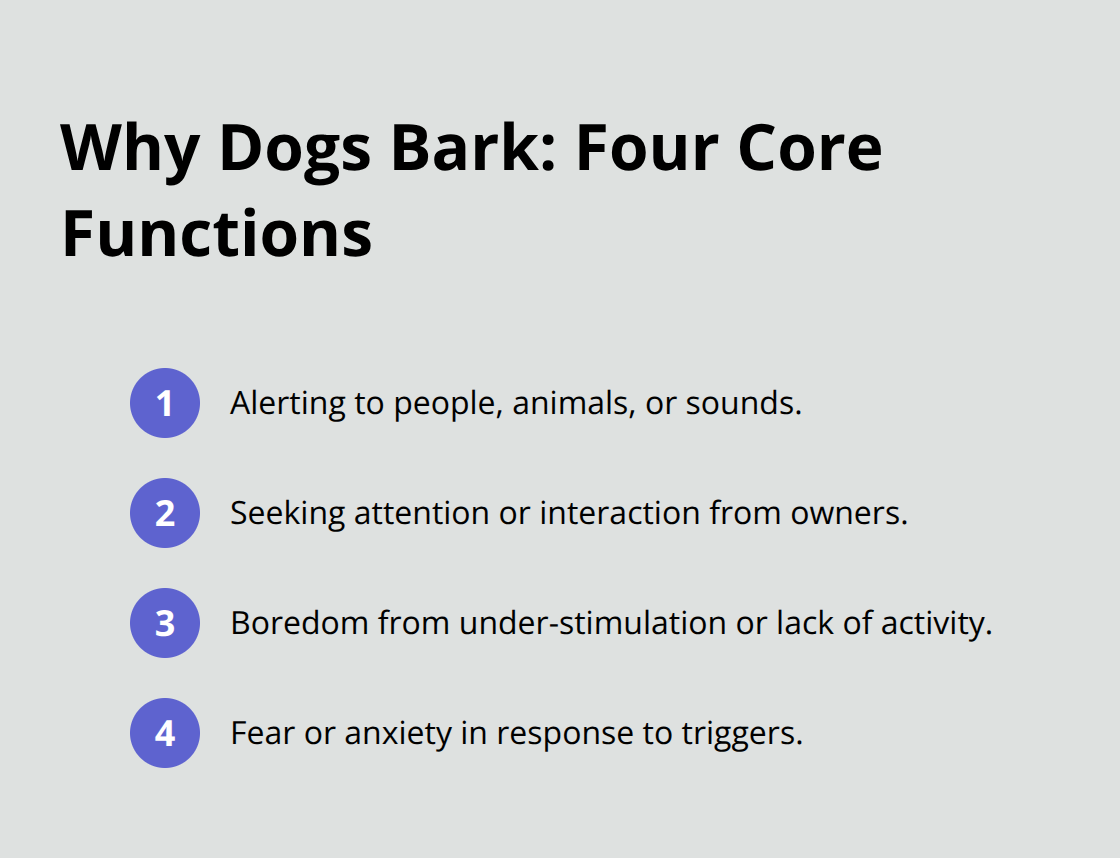 WWW.DOGINGTONPOST.COMHow to Handle Dog Behavioral Issues: Expert Tips for OwnersDog behavioral problems frustrate owners and strain the bond you share with your pet. At DogingtonPost, weve seen firsthand how aggression, excessive barking, and anxiety can turn daily life into a challenge.The good news is that most behavioral issues are manageable with the right approach. This guide walks you through proven techniques, environmental fixes, and when to call in a professional.What Causes Dogs to Act OutAggression and Fear-Based BehaviorsAggression ranks as the most serious behavioral problem dog owners face, and it takes multiple forms that require different responses. Conflict-related, fear, possessive, protective, territorial, and maternal aggression all demand distinct strategies. The ASPCA emphasizes that aggression always warrants a veterinary evaluation first to rule out medical causes like pain or neurological issues. Once medical problems are eliminated, you must identify your dogs specific triggers. A dog that guards food bowls behaves differently than one reacting to strangers, and treating them the same way wastes time and money.Fear-based behaviors often stem from insufficient socialization or past trauma, making gradual exposure to triggers paired with positive rewards the most effective approach. Punishment-based methods backfire spectacularly with fearful dogs, intensifying anxiety rather than resolving it. The AKC recommends avoidance of trigger situations while you work with a qualified professional to build your dogs confidence through counterconditioning.Excessive Barking: Identifying the Root CauseExcessive barking typically signals unmet needs rather than defiance. Dogs bark for distinct reasons: alerting, attention-seeking, boredom, or fear. The AKC notes that identifying the function of barking before attempting correction prevents wasted effort on wrong interventions. A dog barking at the window needs environmental management and mental enrichment, not punishment for noise.Destructive Chewing and Separation AnxietyDestructive chewing serves multiple purposes. Puppies explore their world through their mouths, while adult dogs chew to relieve stress, combat boredom, or self-soothe. You should provide appropriate chew toys, puzzle feeders, and rotate toys to keep dogs engaged. Separation anxiety creates destructive chewing patterns, often accompanied by house soiling, pacing, and escape attempts. The ASPCA recommends counterconditioning by pairing your exit with high-value items like frozen peanut butter-filled toys or puzzle feeders.Jumping and Anxious BehaviorsJumping on people and separation anxiety frequently overlap with anxious dogs that seek reassurance through contact. These behaviors worsen without structured management and consistent training. You should ignore jumping while rewarding calm greetings, since attention of any kind reinforces the jumping behavior. This approach works faster than any corrective technique.Understanding what drives your dogs behavior sets the stage for selecting the right training method. The techniques you choose matter far more than the intensity with which you apply them, and the next section reveals which approaches actually produce lasting results.What Actually Works: Training Methods That StickReward-Based Training Produces Superior ResultsReward-based training produces measurably better outcomes than punishment-based approaches. Research consistently shows that dogs trained with positive reinforcement develop fewer behavioral problems and display less fear compared to those subjected to punishment or dominance-based methods. The reason is straightforward: your dog learns what to do rather than what not to do. When you reward calm behavior during greetings, your dog understands that sitting quietly earns treats and attention. When you punish jumping, your dog only learns to fear the moment someone arrives at the door.Clicker Training and High-Value RewardsClicker training, a form of positive reinforcement using a secondary reward marker, helps dogs understand exactly which behavior earned the reward. You click the moment your dog performs the desired action, then immediately deliver a treat. This precision accelerates learning significantly compared to delayed rewards. High-value rewards matter tremendously. A piece of kibble fails to motivate a dog distracted by another dog or a squirrel, but freeze-dried liver or cheese often does. Rotate your rewards to prevent habituation, and always use the highest-value item when training around distractions or introducing new behaviors.Consistency and Clear Training CriteriaConsistency transforms training from frustrating to effective. If you reward your dog for sitting sometimes but not others, your dog stops sitting reliably. The CCPDT certification standard requires trainers to maintain clear criteria for what earns rewards, and this same principle applies to your home. Everyone in your household must enforce the same rules using identical cues. Inconsistent expectations undermine learning faster than nearly any other mistake owners make. Your dogs brain doesnt distinguish between your leniency on Tuesday and strictness on Friday; it only recognizes unpredictable outcomes.Building Behaviors Through Gradual ProgressionStart training in low-distraction environments where your dog can succeed, then gradually increase difficulty as the behavior becomes automatic. Short, frequent sessions work better than long, sporadic ones because dogs retain information more effectively through repetition spaced over time. This approach builds strong foundations that transfer to real-world situations.When Professional Expertise Becomes EssentialWhen aggression, severe anxiety, or safety concerns emerge, professional intervention becomes non-negotiable. A board-certified veterinary behaviorist holds a DACVB credential and completes years of post-veterinary training before certification. Certified Applied Animal Behaviorists hold CAAB credentials requiring either a doctoral degree with five years of professional experience or a veterinary degree with a residency plus three additional years. Both can assess your dogs specific issues and design tailored plans, often combining behavior modification with medications like fluoxetine or clomipramine when anxiety or aggression warrants pharmaceutical support. General trainers lack this scope and cannot prescribe medication or diagnose underlying medical causes. Your next step depends on your dogs specific situation-some issues respond well to owner-led training, while others demand expert assessment before you proceed.The Hidden Causes Behind Problem BehaviorsMost dog owners skip the most important step when tackling behavioral issues: ruling out medical causes. A sudden change in behavior often signals pain, thyroid dysfunction, or neurological problems rather than a training failure. Your veterinarian must evaluate your dog before you invest time in training techniques that wont address an underlying illness. Dogs experiencing pain from ear infections, dental disease, or arthritis frequently display aggression, excessive barking, or destructive chewing as their only way to communicate discomfort. The ASPCA emphasizes that a full veterinary workup prevents months of wasted effort on behavioral training when medication or treatment would solve the problem in weeks.Exercise and Mental Stimulation Drive BehaviorBeyond medical issues, exercise and mental stimulation directly determine whether your dog develops behavioral problems in the first place. Dogs require daily physical activity tailored to their breed and age, and insufficient exercise ranks as the primary driver of destructive behavior, jumping, and excessive barking. High-energy breeds like Border Collies require 1.5 to 2 hours of vigorous activity daily, while low-energy breeds like Bulldogs may only need 30 minutes. The AKC recommends matching exercise intensity to your dogs breed characteristics: herding dogs need jobs and mental challenges, retrievers benefit from swimming or fetch, and working breeds thrive with structured activities like agility training or dock diving.Puzzle toys, sniff games, and rotating enrichment toys prevent boredom-driven destruction more effectively than any correction technique. These tools occupy your dogs mind and body simultaneously, addressing the root cause rather than treating symptoms. Try introducing new toys weekly to maintain your dogs interest and prevent habituation to the same items.Nutritions Impact on BehaviorNutrition matters equally to exercise when addressing behavioral problems. A diet lacking essential fatty acids, adequate protein, or balanced micronutrients can intensify anxiety and aggression, yet few owners connect food quality to behavior. Feed your dog high-quality protein sources, maintain consistent meal schedules to reduce anxiety around food, and avoid feeding table scraps that create begging behaviors. Poor nutrition compounds stress responses and makes training significantly harder.Predictable Routines Calm Anxious DogsA predictable daily routine calms anxious dogs and prevents many behavioral problems before they start. Dogs thrive on knowing when meals arrive, when walks happen, and when your departure is coming. This predictability allows your dogs nervous system to relax rather than remain in constant uncertainty. For dogs with separation anxiety, hide kibble around your home before leaving, use puzzle feeders that occupy them for 2030 minutes, and practice departures without actually leaving so your dog stops anticipating abandonment. The ASPCA found that dogs given frozen peanut butter-filled toys or long-lasting chews immediately before their owners departure showed significantly reduced destructive behavior.Environmental Design Reduces StressYour home environment itself influences behavior: excessive noise, chaotic schedules, and constant activity stress dogs into reactive states. Establish a quiet space where your dog can retreat, maintain consistent feeding and potty times, and reduce environmental chaos that triggers anxiety-driven behaviors. A calm home with clear boundaries and predictable patterns prevents many issues from developing in the first place. Dogs living in structured environments with designated rest areas and consistent schedules display fewer behavioral problems than those in unpredictable, high-stress households.Final ThoughtsHandling dog behavioral issues successfully requires patience, consistency, and a willingness to address root causes rather than symptoms. Medical problems, insufficient exercise, poor nutrition, and unpredictable routines create the foundation for aggression, anxiety, and destructive behavior. Fix these fundamentals first, and many behavioral problems resolve without formal training.Reward-based training works because it teaches your dog what to do instead of what not to do. Your dog learns faster when you mark correct behavior with a clicker and follow with high-value rewards. Consistency matters more than intensity-everyone in your household must enforce identical rules using the same cues, or your dog receives conflicting signals that undermine learning.When aggression, severe anxiety, or safety concerns emerge, professional help becomes essential rather than optional. Board-certified veterinary behaviorists and Certified Applied Animal Behaviorists possess credentials and expertise that general trainers lack. They can prescribe medication when behavior modification alone proves insufficient and design tailored treatment plans based on your dogs specific issues. Your veterinarian can refer you to qualified professionals in your area who understand how to handle dog behavioral issues properly.0 Reacties 0 aandelen 21 Views
 -
 WWW.DOGINGTONPOST.COMHow to Choose a Dog Trainer: Tips for Finding the Right FitPicking the wrong dog trainer can waste your money and set back your dogs progress by months. The dog training industry has minimal regulation, which means anyone can call themselves a trainer regardless of actual qualifications or experience.At DogingtonPost, weve seen firsthand how much difference the right trainer makes. This guide walks you through the key factors to evaluate before hiring, so you can find someone whos genuinely qualified and aligned with your training goals.What Training Methods Actually WorkThe dog training world splits into three distinct camps, and understanding the differences matters because they produce vastly different results and emotional outcomes for your dog.Positive Reinforcement: Building Behavior Through RewardsPositive reinforcement training focuses entirely on rewarding the behaviors you want, using treats, toys, or praise to mark correct actions. This method builds on the science of operant conditioning, where dogs learn that sitting, coming, or walking calmly triggers something good. Trainers using this approach typically employ harnesses and flat collars, avoiding aversive tools altogether.The practical advantage is clear: dogs trained this way show lower stress levels and stronger bonds with their owners. Research shows that dogs trained with aversive methods displayed more stress-related behaviors, including avoidance and fear responses.Correction-Based Training: Why Punishment Falls ShortCorrection-based or traditional training relies heavily on punishment and corrections, often rooted in outdated dominance theory that modern animal behaviorists have thoroughly debunked. These trainers may use prong collars, shock collars, or harsh leash corrections, claiming theyre necessary for stubborn dogs.The reality is far different: punishment suppresses behavior temporarily but doesnt teach your dog what to do instead, and it frequently creates anxiety, aggression, or learned helplessness.Balanced Training: The Middle Ground ProblemBalanced training sits in the middle, mixing positive reinforcement with corrections as deemed necessary by the trainer. Some balanced trainers use this thoughtfully, adapting their approach to individual dogs, while others simply default to punishment whenever positive methods seem slow.The problem with balanced training is inconsistency-without clear certification standards defining what balanced actually means, youre gambling on whether the trainer leans toward humane methods or harsh ones.What Equipment Reveals About a Trainers PhilosophyThe equipment a trainer uses tells you volumes about their philosophy. Harnesses and flat collars indicate force-free, positive reinforcement work. Prong collars, choke chains, and electronic shock collars signal aversive-based training, and you should avoid trainers recommending these tools.When evaluating a trainers portfolio or videos, examine how the dogs look-engaged and relaxed dogs signal good training, while dogs displaying tension, avoidance, or stress indicate harmful methods. Ask directly what tools the trainer uses and what they avoid. A trainer who says they avoid shock collars, prong collars, and citronella sprays and explains why is showing you theyve thought critically about their methods. Conversely, vague answers or marketing language like we use what works without specifics is a red flag.The Certification Council for Professional Dog Trainers (CCPDT) advocates humane, science-based training as the standard, and their certified trainers-those holding CPDT-KA or CBCC-KA credentials-have passed rigorous exams demonstrating mastery of these approaches. When a trainer mentions continuing education or CCPDT membership, theyre signaling ongoing commitment to evidence-based practice.Matching Methods to Your Individual DogYour dogs individual temperament must shape which method actually works best. A confident, resilient dog might progress fine with balanced training, while an anxious or fearful dog will deteriorate under punishment-based methods, potentially developing aggression or shutdown behaviors. The right trainer assesses your specific dog, not just applies the same formula to every animal walking through the door.What to Ask a Dog Trainer Before You HireVerify Certifications and CredentialsStart by asking what certifications the trainer holds. CCPDT credentials like CPDT-KA or CBCC-KA mean the trainer has documented hands-on training hours (typically 300 or more), passed a rigorous exam, and maintains continuing education. These represent measurable competence, not participation trophies. If a trainer claims experience but has no certifications, ask why. A defensive answer or vague response signals they havent invested in formal credentials.Also ask how long theyve held their certification and whether they actively maintain it through continuing education. A trainer certified in 2015 but with no recent CEU activity may operate on outdated knowledge. CPDT-KA certificants earn 7 CEUs towards CPDT-KA recertification, while CBCC-KA certificants earn 4 CEUs, demonstrating their commitment to staying current. Beyond CCPDT, look for IAABC (International Association of Animal Behavior Consultants) or Karen Pryor Academy credentials if they work with behavior problems. These organizations maintain similarly rigorous standards. You can verify CCPDT credentials directly through their Find a Dog Pro directory-dont accept their word alone.Assess Specific Experience with Your Dogs NeedsExperience matters enormously, but only specific experience counts. Ask the trainer directly about their work with your dogs breed and the exact behavioral issue you face. If you have a fearful dog showing resource guarding in fearful dogs, you need someone with documented success addressing it, not someone whose strength is teaching obedience to confident puppies.Request examples or case studies showing dogs similar to yours and the outcomes they achieved. A trainer worth hiring will have photos or videos showing before-and-after behavior changes. Examine those images carefully-do the dogs look relaxed and engaged, or tense and shut down? Ask how many dogs with your specific issue theyve worked with in the past year. If theyve only handled three resource-guarding cases in twelve months while claiming to specialize in it, they lack true experience.Understand Their Training Philosophy and MethodsAsk point-blank what their training philosophy is and what methods they avoid. The answer should be specific and confident. They should tell you they avoid shock collars, prong collars, and harsh corrections. If they use vague language like we use whatever works or we adapt to each dog without explaining what that means, move on. A qualified trainer articulates exactly why they choose certain methods and what science supports them. This clarity about philosophy and approach directly influences whether the trainer will work well with your dogs temperament and your familys values, which brings us to the next critical step in your evaluation process.Red Flags That Signal a Poor TrainerVague Explanations and Defensive ResponsesA trainer who wont explain their methods in concrete terms hides something. When you ask how they address jumping or leash reactivity, they should walk you through the specific steps they take, what equipment they use, and why that approach works. If instead they respond with vague statements like we customize everything or it depends on the dog, thats evasion. Worse is the trainer who becomes defensive when questioned or dismisses your concerns as overthinking.Reputable trainers welcome detailed questions because theyre confident in their methods. They articulate exactly why they choose certain techniques and what science supports them. A trainer who deflects or avoids specifics signals they lack solid reasoning behind their approach. Positive reinforcement training is the standard that reputable trainers follow.Unrealistic Promises and Quick-Fix ClaimsWatch for trainers whose websites or promotional materials use language like guaranteed results or your dog will be fixed in four weeks. Training doesnt work that way. A study published in the Journal of Veterinary Behavior found that behavior modification for serious issues like aggression requires ongoing assessment and adjustment over weeks or months, not quick fixes.Any trainer claiming they can permanently solve a complex behavioral problem in a short timeframe either lies or uses harsh suppression tactics that create new problems later. Similarly, trainers who promise your dog will be perfectly obedient or completely transform their personality set false expectations. Real training involves incremental progress, setbacks, and adaptation. Progress happens gradually, and honest trainers acknowledge this reality.Board-and-Train Programs Without Your InvolvementA critical red flag appears when a trainer wants to take your dog away for board-and-train programs without involving you in the process. You live with your dog long-term, and if you dont learn how to maintain the training at home, any progress evaporates the moment the program ends. A quality trainer teaches you alongside your dog.They explain what theyre doing during sessions, show you how to practice at home, and provide written instructions or videos you can reference. If a trainer suggests you drop off your dog and pick it up later as trained, that signals they prioritize quick money over your dogs welfare and your success. This approach leaves you without the skills to reinforce what your dog learned.Restricted Access and Lack of TransparencyTrainers who wont let you observe sessions or who discourage your involvement are problematic. You have the right to watch your dog being trained and ask questions in real time. A trainer who restricts your access or makes you feel like an inconvenience signals they have something to hide.Additionally, verify that the trainer carries liability insurance and ask for proof. A professional should carry general liability coverage. If they refuse to provide documentation or claim they dont need it, thats a major warning sign they operate outside professional standards. Insurance protects both you and the trainer and indicates they take their business seriously.Final ThoughtsChoosing the right dog trainer requires you to verify three core factors: credentials that prove competence, specific experience with your dogs exact needs, and training methods aligned with science and humane practice. A trainer holding CCPDT certification or IAABC credentials has invested in documented training hours, passed rigorous exams, and committed to ongoing education-this matters far more than years of experience alone. Equally important is whether theyve actually worked with dogs like yours facing the same behavioral challenges, so ask for concrete examples and examine their portfolio carefully.Your instincts matter more than marketing claims. If a trainers methods make you uncomfortable, if they avoid answering direct questions, or if they promise unrealistic results, trust that feeling and keep looking. The right trainer welcomes your involvement, explains their approach clearly, and treats your dogs emotional wellbeing as seriously as obedience. Theyll teach you how to maintain progress at home because they understand that training only sticks when youre part of the process.When you start your training journey, reach out to trainers who meet these standards and ask the specific questions outlined in this guide. Request references from people with similar dogs and similar issues, verify their credentials through official directories, and watch for red flags like vague explanations, guaranteed promises, or resistance to your involvement. The investment in how to choose a dog trainer well pays dividends in your dogs behavior, your relationship with them, and your households peace of mind-explore DogingtonPost for expert advice and resources that support responsible dog ownership.0 Reacties 0 aandelen 14 Views
 -
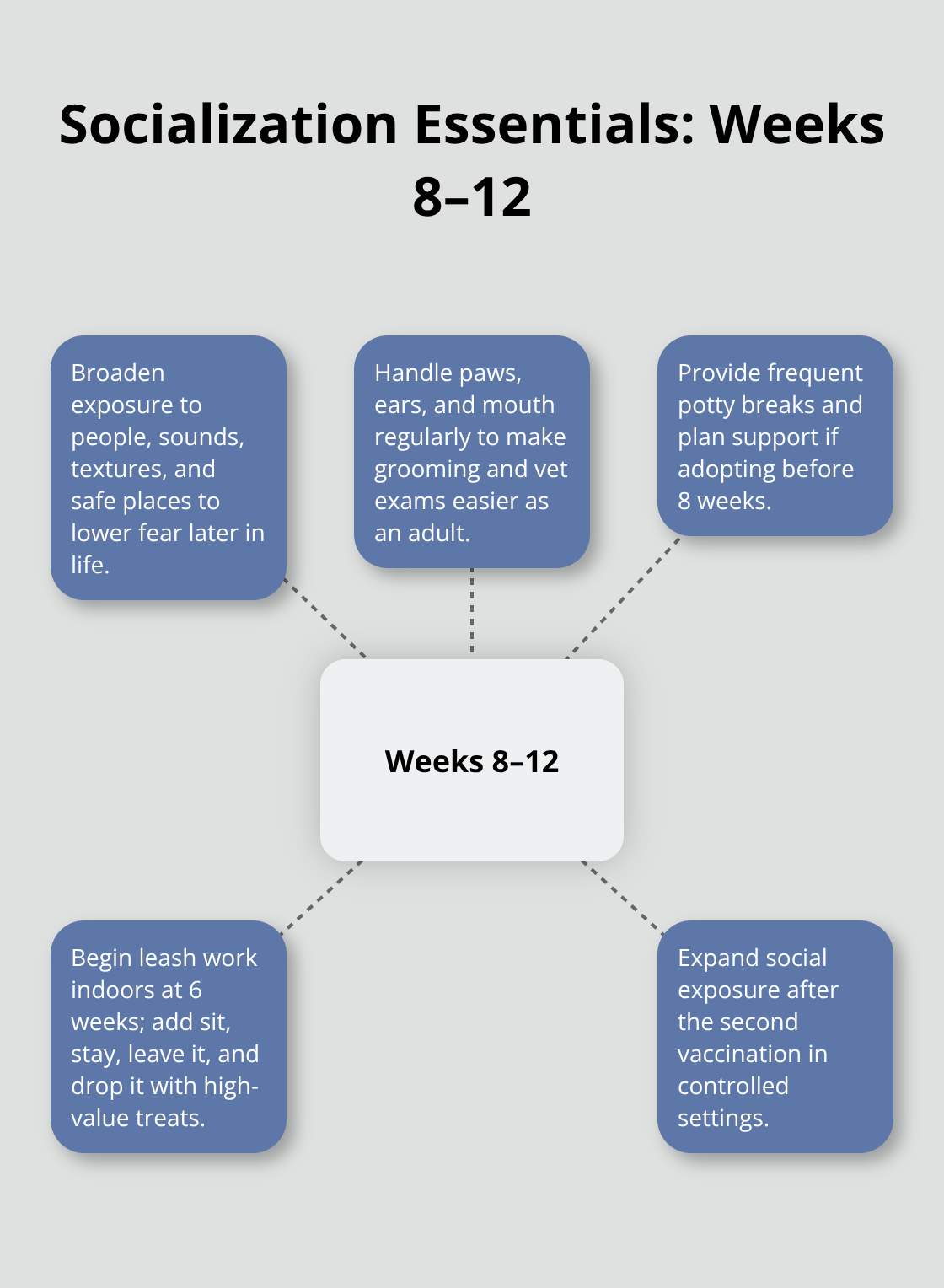 WWW.DOGINGTONPOST.COMBest Age for Puppy Adoption: Complete GuidePicking the right time to bring a puppy home matters more than most people realize. The best age for puppy adoption depends on health, behavior, and your readiness as an owner.We at DogingtonPost have put together this guide to help you understand the physical milestones, vaccination schedules, and socialization windows that make all the difference. Youll learn exactly what to expect at each stage and how to set your puppy up for success.Physical and Developmental Milestones: Weeks 3 to 16Early Sensory Development and Littermate LearningPuppies transform dramatically during their first four months, and understanding these shifts helps you decide when adoption makes sense for your household. From week 3 onward, puppies eyes and ears open, their senses sharpen, and they interact with littermates in ways that teach bite inhibition and social boundaries. Around week 8, most puppies stop nursing and can eat solid food independently, which is why eight weeks has become the legal adoption threshold in roughly 27 to 28 states plus Washington, D.C. The real development story, however, extends well beyond this point. If you adopt at 6 weeks instead of 8, you take on the responsibility to simulate littermate interactions through targeted play and handling, since the puppy has missed crucial weeks of learning from siblings. Early separation before 8 weeks increases the risk of behavior issues and social gaps that require intentional remediation.The Critical Window: Weeks 8 to 12Weeks 8 to 12 mark a critical period where puppies are most receptive to new experiences and handling. Exposure to different people, sounds, textures, and safe environments during this window significantly reduces fear responses later in life. A puppy handled regularly at paws, ears, and mouth between 8 and 12 weeks will tolerate grooming and vet exams far more easily as an adult. Very young puppies need potty breaks roughly every 15 minutes, making adoption before 8 weeks demanding unless you have flexible work arrangements or professional support. Training should start around 6 weeks with a first collar and leash indoors, progressing to basic commands like sit, stay, leave it, and drop it using high-value treats like chicken or hot dogs. Keep sessions short-around 5 to 10 minutes-and repeat several times daily rather than one long session. Crate training during these weeks builds a positive association with a safe space and supports housebreaking consistency.Growth, Learning, and the Fear PhaseWeeks 12 to 16 bring rapid growth and increased learning capacity, but also a predictable fear phase around week 8 that requires gradual, positive exposure rather than avoidance. Handling exercises that normalize grooming, nail care, and body touching reduce anxiety during future vet visits and grooming appointments. Vaccination schedules matter significantly here: puppies typically need initial shots around 6 to 8 weeks, with booster doses at 9 to 12 weeks and again at 15 to 18 weeks to cover parvo, distemper, and hepatitis. Until the second vaccination at around 9 to 12 weeks, avoid exposing puppies to other dogs or cats; after that milestone, enrollment in a class with similarly vaccinated puppies is generally safe. The socialization window from 3 to 14 weeks is narrower than many people assume, and the window actually closes more sharply than it opens, meaning early socialization during these weeks pays dividends for years to come.What Vaccination Timing Means for Your Adoption DecisionUnderstanding your puppys vaccination schedule directly impacts when you can safely introduce social experiences. Your veterinarian will outline a timeline specific to your puppys health status and local disease risk, but the general pattern remains consistent across most practices. Once your puppy completes the second vaccination round, you can begin expanding social exposure in controlled settings. This timing often aligns with the 12-week mark, making it a natural checkpoint for evaluating your puppys readiness for group training classes or supervised interactions with other vaccinated dogs. The health considerations dont stop at vaccinations, however-deworming, parasite prevention, and genetic screening all factor into your adoption timeline and long-term care plan.Health Considerations and Vaccination RequirementsUnderstanding Your Puppys Vaccination TimelineVaccination timing determines when your puppy can safely interact with other dogs, so understanding the schedule upfront prevents costly mistakes and behavioral setbacks. Most veterinarians recommend starting puppies on core vaccines at 6 to 8 weeks of age, with booster shots at 9 to 12 weeks and a final dose at 15 to 18 weeks to protect against parvo, distemper, and hepatitis. The specific schedule depends on your puppys health status and local disease prevalence, which is why consulting your veterinarian before adoption matters. If you adopt at 6 weeks, your puppy may have already received an initial vaccine from the breeder, so request documentation and vaccination records before bringing the puppy home. Skipping or delaying vaccines increases the risk of potentially fatal infections, particularly in young puppies whose immune systems are still developing.Managing Social Exposure Around Vaccination MilestonesUntil your puppy completes the second vaccination around 9 to 12 weeks, you must keep socialization with unvaccinated dogs and cats off-limits. After that checkpoint, you can safely enroll in puppy classes with similarly vaccinated littermates, which supports the critical socialization window without compromising health. This timing creates a natural rhythm for your puppys early weeks: focus on indoor handling, leash training, and exposure to household sounds and textures while vaccines take effect. Once your veterinarian clears your puppy for group settings, the socialization opportunities expand dramatically, allowing your puppy to learn from peers in a controlled environment.Deworming and Parasite Prevention SchedulesDeworming runs parallel to vaccination and is equally non-negotiable for puppies adopted before 12 weeks. Intestinal parasites are extremely common in young puppies and can cause diarrhea, stunted growth, and nutrient absorption problems that affect long-term development. Most puppies need deworming at 2, 4, 6, and 8 weeks of age, then monthly until 6 months old, though your vet may adjust this based on fecal testing results. Ask the breeder or shelter about deworming history and request a stool sample analysis before adoption to identify any existing parasites. Parasite prevention should continue year-round even after the puppy phase ends, since heartworm, fleas, and ticks pose ongoing risks depending on your location.Genetic Screening and Health CertificationsGenetic screening before adoption is less common for mixed-breed puppies but highly recommended for purebreds, particularly breeds prone to hip dysplasia, elbow dysplasia, or heart conditions. Reputable breeders should provide health certifications from organizations like the Orthopedic Foundation for Animals showing that parent dogs have been screened for genetic conditions. If a breeder refuses to provide health documentation or claims their lines have no genetic issues, thats a significant red flag worth investigating further before committing to adoption. These health considerations form the foundation for your puppys long-term wellness, but they also intersect directly with behavioral development and socialization readiness-factors that shape how your puppy learns and responds to the world around them.Behavioral Training and Socialization WindowsThe 3 to 14 Week Window: Peak Learning and Confidence BuildingThe 3 to 14 week window is real, measurable, and non-negotiable if you want a confident adult dog. Puppies adopted during weeks 8 to 12 catch the peak of this window while remaining old enough to handle vaccination requirements and independent feeding. A puppy exposed to five different people weekly during weeks 8 to 12 shows measurably lower fear responses to strangers at one year old compared to a puppy with limited early contact. Start leash training indoors at 6 weeks if possible, then move outdoors after the second vaccination around 9 to 12 weeks. Use high-value treats like chicken or hot dogs during these sessions, keeping each training moment to 5 to 10 minutes and repeating several times daily rather than conducting single long sessions. Teach leave it, drop it, sit, and stay using positive reinforcement exclusively, since punishment-based methods during this window create fear associations that persist into adulthood.Handling, Crate Training, and Environmental ExposureHandle your puppys paws, ears, mouth, and body regularly during weeks 8 to 16 so grooming and vet exams become routine rather than traumatic. Crate training during this period supports housebreaking and creates a safe retreat space; feed meals inside the crate to build positive associations. Expose puppies to household sounds like vacuum cleaners, doorbells, and car rides in short, controlled doses to normalize common stimuli and reduce future anxiety. This hands-on approach during the early weeks pays dividends throughout your dogs life, making veterinary care, grooming, and travel far less stressful for both you and your puppy.Housebreaking Success Rates and Adoption AgeHousebreaking success depends heavily on adoption age and your daily schedule. Puppies adopted at 8 weeks need potty breaks roughly every 15 minutes while awake, which demands either flexible work arrangements or professional dog care. Adopting at 12 weeks reduces this frequency to every 30 to 45 minutes, making it more realistic for working households. Start housebreaking as early as 5 weeks with a consistent routine, taking the puppy outside after meals, naps, and playtime. Most puppies adopted at 8 to 12 weeks achieve reliable indoor habits within 8 to 12 weeks with consistent routines, though accidents happen regularly until 16 weeks. Dogs that had attended puppy training before 6 months of age showed reduced aggression, compulsive behavior, destructive behavior, and excessive barking, demonstrating that earlier training consistency prevents behavioral issues during the juvenile stage.Bonding Across Different Adoption AgesBonding happens fastest when you serve as the primary feeder, handler, and play partner during weeks 8 to 16. Adult dogs adopted at 2 to 4 years often bond quickly too, though they may carry behavioral gaps from previous homes requiring patient retraining. Senior dogs over 7 years bond deeply despite their age and require less intensive training, making them ideal for households with limited time for puppies. The age you choose shapes not only how quickly your dog bonds with you but also the intensity of training and supervision your household must provide.Final ThoughtsThere is no universal best age for puppy adoption because every household has different constraints, schedules, and capacity for training. If you work full-time with limited flexibility, adopting at 12 weeks rather than 8 weeks reduces potty break frequency from every 15 minutes to every 30 to 45 minutes, making the commitment more realistic. If you have flexible work arrangements or professional dog care support, an 8-week adoption lets you catch the peak socialization window and build early bonding during the most receptive period. Adult dogs aged 2 to 4 years often bond quickly and require far less intensive training, making them ideal for busy households willing to invest patience in addressing behavioral gaps from previous homes.Long-term health and behavioral outcomes depend less on adoption age and more on what happens after you bring your puppy home. Puppies trained consistently before 6 months show measurably reduced aggression, destructive behavior, and excessive barking throughout their lives. Vaccination schedules, deworming protocols, and genetic screening before adoption establish the health foundation your dog needs for years to come, while socialization during weeks 3 to 14 shapes confidence and fear responses permanently.Before adoption, you should puppy-proof your home, stock supplies like food and bedding, and involve all family members in the decision to ensure shared responsibility. Assess whether your schedule, energy level, and long-term commitment match the dogs age and needs, since a well-informed owner can thrive with a dog at any life stage when planning and training are prioritized from day one. Visit DogingtonPost for expert advice and practical resources on puppy care, training, and adoption readiness tailored to responsible dog ownership.0 Reacties 0 aandelen 23 Views
 -
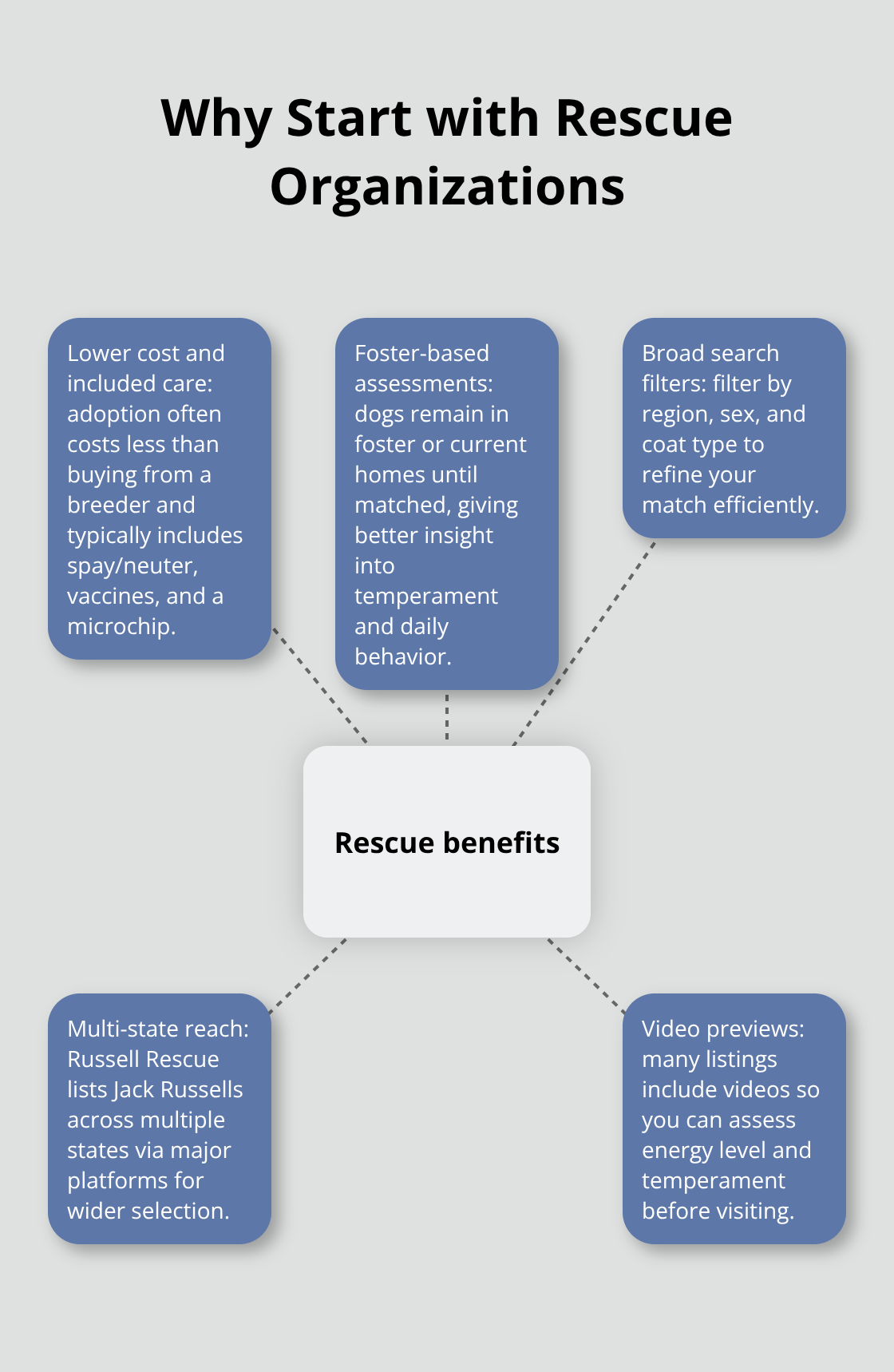 WWW.DOGINGTONPOST.COMHow to Find Jack Russell Terrier Puppy Adoption OptionsFinding the right Jack Russell Terrier puppy adoption option takes research and planning. At DogingtonPost, weve put together this guide to help you navigate breeders, rescues, and adoption platforms with confidence.Before you bring a puppy home, youll want to know what health certifications matter, which organizations are trustworthy, and how to prepare your space. Well walk you through each step so you can make the best choice for your family.Where to Find Jack Russell Terrier PuppiesStart with Rescue OrganizationsRescue organizations should be your first stop, and heres why: according to the AKC, most breed rescues report that the majority of dogs come from owner surrender due to lifestyle changes. Russell Rescue, a nationwide network of volunteers, lists adoptable Jack Russell Terriers across multiple states on platforms like Chewys Find Pets to Adopt. These dogs stay in foster homes or with their current owners until a suitable match emerges, and adoption typically costs less than buying from a breeder while including spaying or neutering, vaccines, and a microchip. You can search by region, sex, and coat type on Russell Rescues site, and many listings include video previews so you can assess temperament before visiting.Use Online Adoption PlatformsChewys adoption platform aggregates thousands of dogs from shelters and rescues in its network, allowing you to filter by age, location radius, and compatibility with kids or other pets. Some listings indicate dogs are bonded pairs, which is worth considering if you want to adopt two at once. The advantage here is transparency: you get concrete details about each dogs name, age, coat type, and state, plus the distance in miles from your location. Chewys 24/7 support includes free chat with a licensed vet tech for adoption health questions, which can help you evaluate whether a specific dogs medical history raises concerns.Evaluate Reputable Breeders CarefullyReputable breeders exist, but they require serious vetting. The AKC breeder resource list provides guidelines to help you avoid puppy mills and scams, and visiting the breeders home to meet parent dogs is non-negotiable. Ask about health screenings for vision, brain, and heart-related conditions, and request veterinary records before committing. Online adoption platforms give you a middle ground by aggregating listings from both rescues and shelters, letting you compare options without contacting dozens of organizations individually.Understand Your OptionsThe key difference between paths is speed and selection: rescue dogs are often already housebroken and past the puppy stage, while breeders and platforms give you more control over age and background. Your energy level and lifestyle should dictate which path makes sense. If you need assistance navigating applications or coordinating visits, help channels via phone and live chat are available around the clock. Once youve identified potential sources, the next step involves evaluating which specific dog or breeder aligns with your familys needs and expectations.Evaluating Adoption Sources Before CommittingHealth Records Tell the Real StoryHealth records matter far more than a breeders or rescues word. Request veterinary documentation showing spaying or neutering, vaccination dates, and any health screenings completed before adoption. For Jack Russell Terriers specifically, ask about health screenings for Jack Russell Terriers, as these conditions can emerge in the breed. Reputable rescues provide temporary veterinary care before placement, so their dogs should arrive with clear medical histories. Online platforms aggregate listings that often include health summaries, but contact the shelter or rescue directly to confirm what treatments were actually completed versus whats planned post-adoption. Never accept verbal assurances alone.A rescue or breeder unwilling to share written records is a red flag worth taking seriously. Ask for copies of all veterinary reports and vaccination certificates before you commit to adoption. Responsible organizations hand over these documents without hesitation or delay.Reputation Signals That MatterOrganization transparency reveals trustworthiness faster than marketing language. Nationwide rescue networks publish detailed dog listings across multiple states with concrete information about age, coat type, and current location, which demonstrates accountability. The AKC maintains a breeder resource list specifically to help you avoid puppy mills and scams, so cross-reference any breeder against that database. Read adoption reviews on platforms like Chewy, where past adopters describe their experience with specific rescues and the condition dogs arrived in.Ask prospective breeders directly how many litters they produce annually; responsible breeders typically have one or two, not constant availability. Request references from previous adopters and actually call them. Most importantly, trust your instinct during any interaction. If a breeder discourages visiting their home, pressures you to decide quickly, or avoids questions about parent dogs health, walk away immediately.Video and In-Person Meetings Change EverythingMany rescue listings include video previews, which let you assess a puppys energy, social comfort, and temperament without traveling first. Use these clips to gauge whether the dog matches your households activity level. Jack Russell Terriers show fearless and alert behavior from an early age, so watch for excessive nervousness or aggression, both of which require confidence-building training you may not be equipped to provide.Schedule in-person visits only after reviewing health records and reputation signals. During the visit, observe how the dog responds to handling, unfamiliar people, and environmental changes. Reputable rescues and breeders will answer detailed questions about the parents temperament, training history, and any behavioral concerns. Ask specifically about prey drive in Jack Russell Terriers, as this affects their suitability for homes with cats or small pets (a critical consideration before adoption). Leave if the organization pressures you or limits your time with the dog.Once youve evaluated health records, verified reputation, and met potential puppies in person, youre ready to assess whether your home itself can support a Jack Russell Terriers specific needs and energy level.Setting Up Your Home for a Jack Russell Terrier PuppySecure Your Space for High-Energy DogsJack Russell Terriers need space designed around their specific behavioral traits, not generic puppy setups. These dogs are small but intensely active-standing 1014 inches tall and weighing 1317 pounds-yet they require more environmental planning than many larger breeds. Install a fenced yard if you live in a suburban or rural setting, since Jack Russells have strong digging and chasing instincts that will emerge within weeks of arrival. Wire fencing at least 4 feet high works, but bury it 815 inches deep because these dogs will burrow under obstacles. Indoors, block access to small spaces where they can hide or cause damage, and remove toxic plants, electrical cords, and anything smaller than a tennis ball they could swallow.Establish Crate Training and Mental EnrichmentSet up a crate sized for their adult weight so they can stand and turn around but not eliminate in one corner. Jack Russells respond well to defined spaces, so a crate becomes their safe zone rather than punishment. Stock puzzle toys and interactive feeders before the puppy arrives; these dogs need constant mental stimulation or they redirect that energy into destructive behavior like chewing furniture or obsessive digging. Rotate toys weekly to maintain novelty and prevent boredom.Start Training and Socialization ImmediatelyTraining and socialization must start the day your puppy arrives, not weeks later. Jack Russells learn quickly but have an independent streak, so training sessions should be short (510 minutes), reward-based, and creative-avoid repetitive drills that bore them. Leash training is non-negotiable since these dogs have high prey drive and will chase small animals without hesitation; daily walks of at least 3045 minutes are baseline, not optional. Introduce your puppy to other dogs gradually and only with dogs theyll regularly encounter, as Jack Russells may struggle with unknown dogs but typically get along with familiar ones. Early socialization with children and other pets matters enormously, though the breed is not recommended for homes with children under 8 according to the Jack Russell Terrier Club of America.Plan Realistic Veterinary and Food CostsBudget realistically for veterinary costs: expect initial vaccines, spaying or neutering (typically $200$500), microchipping ($25$50), and annual wellness exams ($150$300). Food costs run $30$60 monthly for quality kibble, plus occasional treats and training rewards. Set aside $500$1,000 for unexpected health issues in the first year, and consider pet insurance from providers like Chewys CarePlus to manage costs for conditions like patellar luxation that can affect the breed. High-quality food formulated for small, active breeds prevents nutritional gaps that lead to behavioral problems and health decline.Final ThoughtsFinding the right Jack Russell Terrier puppy adoption option requires patience, but the effort pays off when you bring home a dog that matches your lifestyle. Verify health records, check reputation signals, and meet puppies in person whenever possible. These steps separate responsible adoption from costly mistakes.After adoption, your real work begins. Jack Russells demand daily exercise, consistent training, and mental enrichment from day one. These dogs thrive on structure and clear boundaries, so establish routines immediately rather than waiting for behavioral problems to emerge. Budget for veterinary care, quality food, and ongoing training support.Schedule a veterinary checkup within days of adoption to confirm the health records you received and address any concerns. Start leash training and socialization right away, as Jack Russells develop habits quickly-both good and bad. We at DogingtonPost provide practical care tips and expert advice on dog health that extend far beyond adoption day, so visit our site regularly for guidance on training challenges and breed-specific information as your puppy matures.0 Reacties 0 aandelen 23 Views
 -
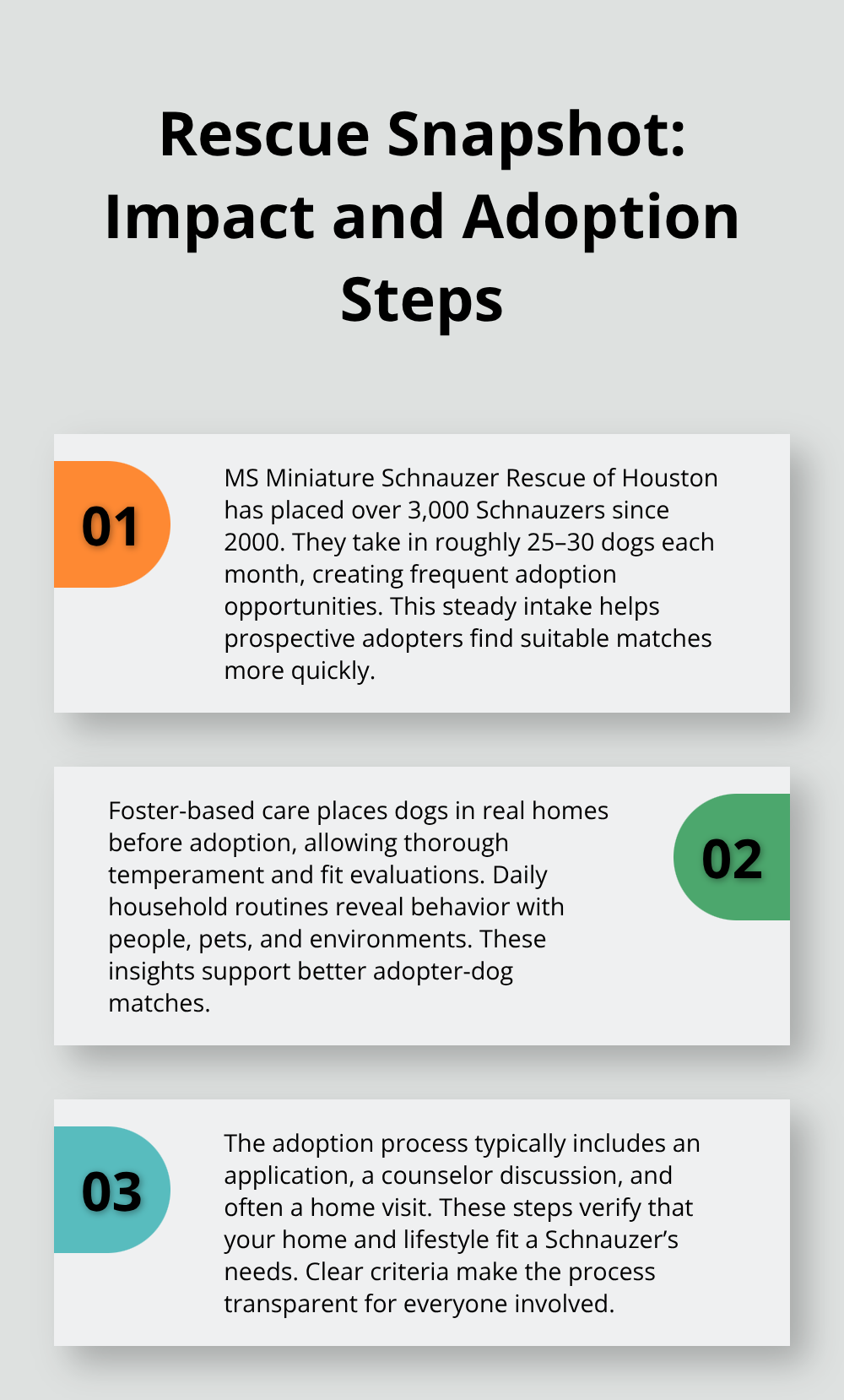 WWW.DOGINGTONPOST.COMHow to Find Miniature Schnauzer Puppy Adoption OptionsFinding the right Miniature Schnauzer puppy adoption option can feel overwhelming with so many paths to explore. At DogingtonPost, weve put together this guide to help you navigate reputable breeders, rescue organizations, and adoption websites with confidence.Before bringing a puppy home, youll want to know what health screenings and temperament signs matter most. Well also walk you through the practical steps of preparing your home and finding the right veterinarian.Finding Your Source for a Miniature Schnauzer PuppyStart with the AKC MarketplaceThe AKC Marketplace stands out as your most reliable starting point for locating AKC-registered Miniature Schnauzer puppies from breeders who meet health and welfare standards. Ask breeders to share photos of both parents so you can assess expected size, temperament, and coat characteristics before committing. Responsible breeders will have health-tested the parents for genetic diseases common to Miniature Schnauzers and should provide verifiable results through OFA (Orthopedic Foundation for Animals) and CHIC (Canine Health Information Center).Evaluate Breeder Credentials and CommitmentLook for breeders involved in breed clubs or dog sports, as this signals genuine commitment to breed standards rather than profit-driven breeding. A strong breeder will ask you questions too, wanting confirmation that their puppies go to suitable homes. The breeder should provide a health guarantee and contract outlining what happens if genetic issues emerge later, plus remain available as a resource after you bring your puppy home. Expect to take the puppy home between eight and twelve weeks of age to allow proper maturation and socialization with littermates.Consider Rescue OrganizationsRescue organizations offer a compelling alternative that deserves serious consideration. MS Miniature Schnauzer Rescue of Houston has placed over 3,000 Schnauzers since 2000 and takes in approximately 25 to 30 dogs monthly, creating genuine adoption opportunities. Their foster-based model means dogs live in homes before adoption, allowing staff to evaluate temperament and fit accurately. The adoption process includes an application, counselor discussion, and often a home visit to confirm your environment suits a Schnauzers needs.Compare Costs and BenefitsAdoption fees typically cover spay or neuter, vaccines, and microchipping, making rescue significantly cheaper than purchasing from breeders. Online platforms like Petfinder let you filter Miniature Schnauzer listings by location, connecting you with both rescues and shelters near you. Some rescue dogs may require medical care such as heartworm treatment, so budget accordingly. The advantage here is transparency about a dogs background and personality before adoption, plus the knowledge that youre giving a home to a dog in need.With your source identified and initial vetting complete, the next step involves understanding what specific health markers and behavioral traits signal a well-adjusted puppy ready for your home.What to Look for When Choosing a Miniature Schnauzer PuppyHealth Testing Separates Responsible Breeders from the RestHealth testing separates responsible breeders from backyard operations. When you evaluate a breeder or rescue dog, request documented OFA and CHIC results for both parents. OFA screens for orthopedic issues like hip dysplasia, while CHIC centralizes verifiable health data across multiple genetic concerns specific to Miniature Schnauzers. Dont accept verbal assurances or vague promises-ask the breeder which health testing are standard for the breed and why they chose those specific screenings. A breeder who hesitates to share results or claims their line has no health issues raises immediate concerns. For rescue dogs, inquire about any medical history available from previous owners or veterinary records. Some rescues provide detailed health summaries, while others may have limited information on strays or mill rescues. Budget for potential medical expenses upfront, particularly if you adopt an adult dog that may need heartworm treatment or dental work.Assess Temperament Through Direct ObservationTemperament matters as much as physical health. Ask the breeder or foster family how the puppy or dog responds to handling, loud noises, and new people. Puppies should show curiosity rather than fear when introduced to unfamiliar situations. Responsible breeders implement Early Neurological Stimulation programs during the first few weeks of life, which help puppies explore more, become more social toward humans, and develop greater confidence in social situations with other dogs. For rescue dogs, foster families living with the dog day-to-day can describe how it behaves around children, other pets, and in typical home scenarios.Prioritize Socialization HistorySocialization history matters significantly, especially for puppies between three and sixteen weeks old. A well-socialized puppy has met varied people and experienced different environments, making the transition to your home smoother. Youll want to ask specific questions about the environments the puppy encountered and the types of people it met during this critical window.Verify Contracts and Health GuaranteesInsist on a written contract and health guarantee before you commit. The contract should specify what happens if genetic disease appears within a set timeframe, whether the breeder will take the dog back, and what recourse you have. This document protects both you and the breeder by establishing clear expectations and responsibility. With health markers confirmed and temperament traits understood, you can now focus on the practical side of bringing your new Miniature Schnauzer home.Preparation and First Steps After AdoptionSetting Up Your Home for a Miniature SchnauzerYour home needs to be schnauzer-ready before your puppy arrives, and this means thinking like a small dog owner rather than applying generic puppy advice. Miniature Schnauzers stand 12 to 14 inches tall and weigh 12 to 20 pounds, so they navigate standard homes easily, but they are escape artists who need secure fencing and careful management of open doors. Dog-proof your home by securing electrical cords, removing toxic plants, and blocking access to small objects before your puppy arrives. Set up a designated puppy area with a crate sized appropriately for their adult weight around 15 pounds-not oversized crates that encourage accidents.Stock grooming supplies immediately since their wiry coat requires brushing twice weekly to prevent matting, and neglect creates serious coat problems within weeks. Invest in nail clippers, a slicker brush, and a metal comb designed for double coats before day one. Food and water bowls should sit elevated slightly to reduce neck strain, and you need puppy food from the breeders current supply to avoid digestive upset when transitioning to your chosen diet. Their alert, vocal nature means they bark at visitors and unusual sounds, so plan for this behavior rather than expecting silence.Selecting a Veterinarian and Scheduling CareYour veterinarian selection matters more than most new owners realize and directly impacts your dogs long-term health outcomes. Call clinics before your puppy arrives and ask specific questions about their Schnauzer experience and preventive care protocols. Schedule your first appointment within 48 hours of bringing your puppy home so the vet can establish a baseline health record and review the breeders vaccination documentation.Ask whether the clinic offers puppy packages that bundle initial vaccines, microchipping, and spay or neuter procedures at a discounted rate (typically between 300 and 600 dollars depending on location). Your vet should discuss the vaccination schedule beyond the initial series, recommend heartworm prevention appropriate for your region, and outline a dental care plan since dental disease affects small breeds heavily. Miniature Schnauzers live 1215 years with proper care, so establishing a relationship with a vet who understands preventive medicine early pays dividends across that entire lifespan.Training and Socialization During Critical WeeksTraining and socialization begin immediately and cannot wait for your puppy to settle in. Expose your puppy to at least 10 different people, multiple environments, and various sounds during weeks three through sixteen, which is the critical socialization window. Enroll in a reward-based puppy class by week eight, where your Schnauzer learns basic commands and meets other vaccinated puppies in a controlled setting.These dogs are highly intelligent and quick learners, so short training sessions of five to ten minutes work better than lengthy drills that bore them. Establish a rock-solid recall immediately since Miniature Schnauzers have prey drive and will chase small animals if they escape your yard. Start crate training the first night, using the crate as a safe space rather than punishment, and most puppies housetrain within 12 to 16 weeks with consistent routines.Final ThoughtsFinding the right Miniature Schnauzer puppy adoption option requires honest self-assessment about your lifestyle and commitment level. Whether you select a breeder from the AKC Marketplace or adopt through a rescue organization like MS Miniature Schnauzer Rescue of Houston, success depends on asking the right questions upfront and verifying health testing through OFA and CHIC results. These steps take time, but they eliminate costly surprises and mismatches down the road.Owning a Miniature Schnauzer means committing to 12 to 15 years of consistent training, regular grooming twice weekly, and over an hour of daily exercise. Your veterinarian becomes a partner in preventive care, your groomer maintains coat health, and your trainer supports behavioral development during critical windows. Budget for ongoing expenses including quality food, grooming supplies, preventive medications, and routine vet visits, as the initial adoption or purchase cost represents just the beginning of your investment.We at DogingtonPost believe responsible ownership starts with informed decisions before you bring your puppy home. Prepare your space, establish veterinary care, and commit to training and socialization from day one-then visit DogingtonPost for expert advice and practical resources tailored to responsible dog ownership.0 Reacties 0 aandelen 23 Views
 -
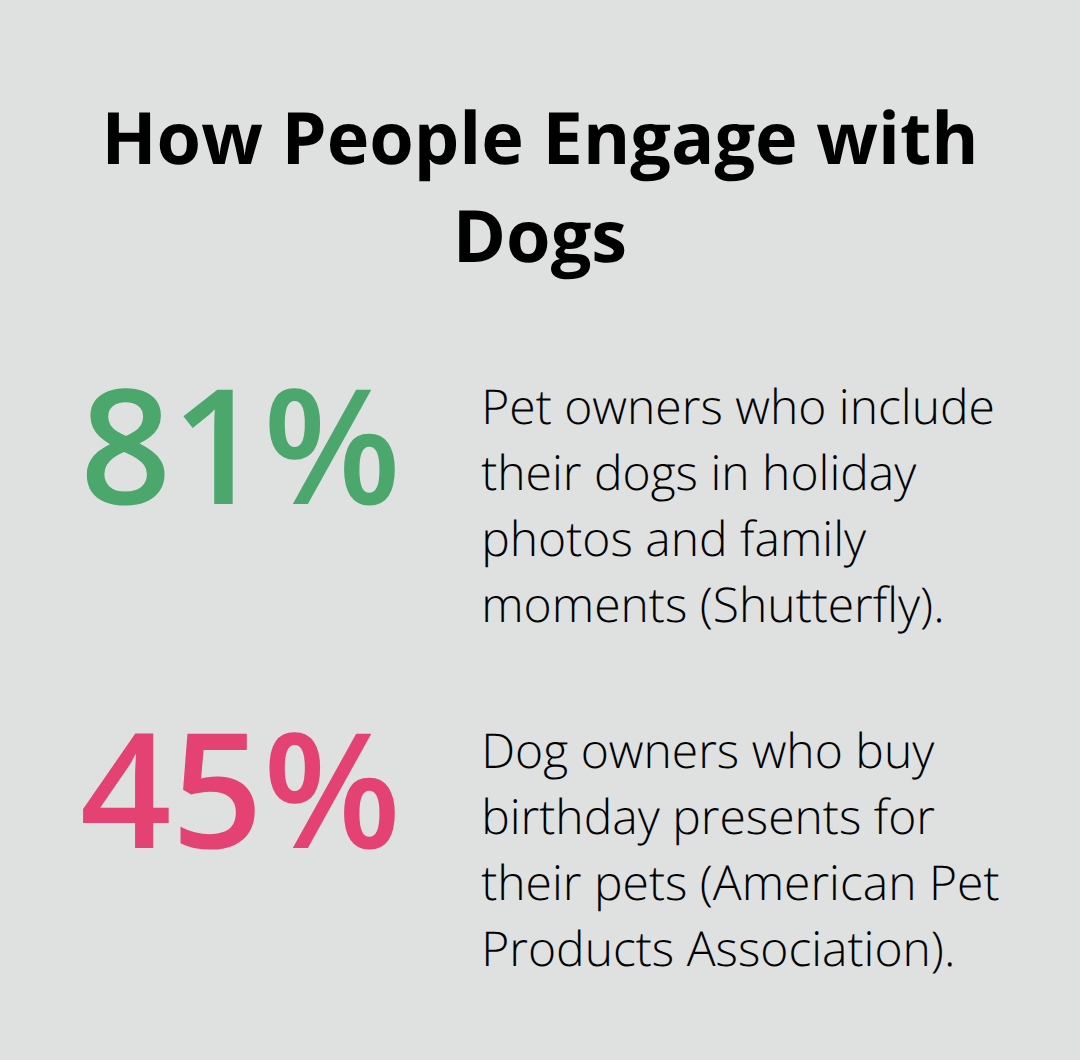 WWW.DOGINGTONPOST.COMHow to Write the Perfect Puppy Adoption AnnouncementBringing a puppy home is one of lifes best moments, and sharing that joy with your community deserves more than a quick social media post. At DogingtonPost, we know that a thoughtful puppy adoption announcement tells your new family members story in a way that resonates with others.This guide walks you through crafting an announcement that captures your puppys personality, background, and special needs while inspiring others to consider adoption.Tell Your Puppys Real StoryLead with Concrete DetailsThe rescue backstory matters far more than most people realize. According to data from Shutterfly, 81% of pet owners include their dogs in holiday photos and family moments, which means your audience already cares about your puppys journey. Start your announcement with concrete facts: the puppys name, exact adoption date, breed or mix, and where the puppy came from. If your puppy spent time in a shelter, foster care, or rescue organization, name it. This specificity transforms a generic announcement into something memorable. A puppy adopted from the Humane Society on January 10th carries a different story than one from a local breed-specific rescue, and those details matter to readers who might adopt next.Share What Came BeforeInclude 23 sentences about your puppys life before adoption-whether the puppy was surrendered, born in a shelter, or pulled from a difficult situation. This context creates emotional weight without flowery language. Your puppys personality deserves equal attention. Highlight the quirks that make your puppy individual: does the puppy tilt their head when confused, steal socks, or obsess over a specific toy? These details make your puppy real to readers rather than just another cute dog photo.Showcase Personality and ProgressAccording to the American Pet Products Association, 45% of dog owners buy their pets birthday presents, suggesting people invest emotionally in dogs with distinct personalities. Mention any training progress your puppy has already made-even small wins like responding to their name or showing house-training progress. This gives readers hope that rescue puppies thrive and adapt quickly.Capture Personality Through VisualsMost puppy announcements fail at the visual stage. A single blurry photo or generic snapshot wont work. Take at least one high-quality portrait where your puppys face is clear, well-lit, and shows personality. Natural light from a window works better than flash photography. Consider a multi-photo carousel showing your puppys first week at home: arrival day, first walk, first interaction with family members or other pets, first playtime. This narrative approach keeps viewers engaged longer than a single image.If you have video footage from the first few days, a 3060 second clip showing your puppys genuine reactions to their new home performs exceptionally well on Instagram Reels and TikTok. Avoid heavily filtered or overly edited photos; authenticity resonates more than perfection. Use a chalkboard or sign in at least one photo displaying your puppys name, adoption date, and breed. This simple prop serves multiple purposes: its visually appealing, provides searchable information, and creates a focal point for the photo. Canva offers free templates for these signs (the process takes under five minutes), and the combination of genuine personality details, specific rescue backstory, and quality visuals transforms your announcement into something people actually want to share.Choose Your Platform StrategicallyDifferent platforms reward different announcement styles. Instagram favors carousel posts and Reels, while Facebook performs well with longer captions paired to photos. TikTok thrives on authentic, unpolished video content that shows your puppys real personality rather than staged moments. Your choice of platform shapes how you structure your announcement and which details you emphasize first.Where Should You Announce Your Puppys ArrivalInstagram: The Platform for Visual StorytellingInstagram remains the strongest platform for puppy adoption announcements, but not for the reasons most people think. The platforms carousel feature lets you tell a seven-image story without forcing followers to read lengthy captions, and Instagrams algorithm rewards posts that keep people swiping. When you post a puppy announcement as a carousel, you can use the Stories feature to create a countdown to your dogs arrival or a series of reveal posts that perform better than static posts, meaning video content of your puppys first moments home outperforms still photography. Start your carousel with your highest-quality puppy portrait, then follow with action shots that show personality. Include the chalkboard sign photo with adoption details in the third or fourth slide. This structure keeps viewers engaged through the entire story.Facebook: Where Longer Stories WinFacebook operates differently and demands longer captions paired with 23 strategic photos. Facebook users spend more time reading captions than Instagram audiences, so this platform rewards detailed rescue backstories and emotional narratives about why your family chose this specific puppy. The extended caption space allows you to explain your puppys background without competing for attention against dozens of other posts in a crowded feed.TikTok: Authenticity Over PolishTikTok skews toward unfiltered, authentic video content that shows your puppy being genuinely silly or curious rather than posed for a perfect shot. A 1530 second video of your puppy exploring their new home or playing with a toy performs exponentially better on TikTok than a polished photo carousel. The platform rewards raw moments over production quality.Adapting Your Story Across PlatformsCross-posting to multiple platforms means adapting your core story rather than simply copying content. Your Instagram carousel becomes your foundation, then you extract the strongest two photos for Facebook with an expanded caption, and create a short video clip for TikTok using footage from your announcement photoshoot.Headlines That Stop the ScrollYour headline determines whether people stop scrolling or move past your post entirely. Vague headlines like Our New Family Member fail because they lack specificity and emotional urgency. Instead, lead with your puppys name and adoption date in the headline itself: Meet Luna, Our Golden Retriever Mix Adopted January 10th or Introducing Milo, Rescued from the County Shelter. This approach gives viewers immediate context and makes your announcement searchable when others look for adoption stories.The emotional connection between your family and your puppy matters far more than generic sentiment. Rather than writing we fell in love immediately, describe the specific moment that created the bond. Did your eight-year-old daughter lock eyes with the puppy during the shelter visit? Did your other dog accept the puppy within minutes? Did the puppy calm down the moment your spouse picked them up? These concrete moments resonate because readers see themselves in your familys story.Include one sentence about why adoption mattered to your family specifically. Phrases like we wanted to give a second chance to a dog in need feel obligatory, but specificity changes everything. Try instead: We chose adoption because we wanted our daughter to witness compassion in action or Our family believes rescue dogs deserve families willing to invest in their recovery. This positions your announcement as meaningful rather than performative, and it inspires others far more effectively than generic adoption messaging.Now that youve chosen your platform and crafted your headline, the next step involves the practical details that help other potential adopters understand what responsible puppy ownership actually requires.What Health and Training Details Matter MostShare Vaccination Records and Veterinary CareYour announcement needs specific health information because potential adopters and your puppys future supporters want concrete facts, not vague reassurances. Include your puppys current vaccination status with exact dates and which vaccines were administered. If your puppy received their first round of shots on January 5th, state that clearly. Mention whether your puppy has been dewormed, microchipped, and checked by a veterinarian since arrival. The American Animal Hospital Association recommends puppies receive initial vaccinations at 68 weeks, with boosters every 34 weeks until 16 weeks of age, so sharing your puppys vaccination timeline shows you follow professional guidance. Include your veterinarians name and practice if youre comfortable doing so, as this builds credibility and gives readers a trusted contact point if they have questions about puppy care.Disclose Pre-Existing Conditions and Health SensitivitiesIf your puppy came from a shelter or rescue organization with health documentation, mention any pre-existing conditions, allergies, or sensitivities discovered during intake. A puppy with a sensitive stomach or a history of ear infections deserves mention because it demonstrates you understand your puppys actual needs rather than presenting an idealized version. Transparency about health challenges prevents unrealistic expectations and helps future adopters prepare appropriately.Highlight Training Progress and Behavioral FoundationsTraining progress matters equally because it shows rescue puppies adapt faster than most people expect. Specify what your puppy has already learned: responding to their name within three days, showing house-training success after one week, or accepting a crate without anxiety. Early socialization and basic obedience training prevent behavioral problems, so mentioning your puppys training foundation reassures readers that adoption doesnt require starting from zero. Include any behavioral quirks or challenges honestly-your puppy might be fearful around loud noises or reactive to other dogs-because transparency prevents unrealistic expectations.Detail Specific Needs and Lifestyle RequirementsState whether your puppy requires a fenced yard, multiple daily walks, or indoor-only living based on breed characteristics and temperament. If your puppy needs a quiet home without small children or existing pets, say that directly rather than hoping readers will figure it out. Mention dietary requirements if your puppy eats prescription food, has food sensitivities, or follows a specific feeding schedule. Include any ongoing veterinary care your puppy needs, such as follow-up appointments for growth monitoring or behavioral assessments.Address the Financial Reality of Puppy OwnershipThe cost transparency matters too-puppies typically require more veterinary visits than adult dogs during their first year depending on breed and health status. This honesty positions adoption as a serious commitment rather than a casual decision and attracts families genuinely prepared for puppy parenthood. Readers considering adoption will respect your candor about both your puppys challenges and needs far more than glossy marketing language ever could.Final ThoughtsYour puppy adoption announcement marks the beginning of something meaningful for your family and everyone who reads your story. When you share concrete details about your puppys rescue background, training progress, and specific needs, you inspire others to consider adoption rather than shopping from breeders. The specificity matters because potential adopters need to see that rescue puppies thrive, adapt, and become beloved family members despite their uncertain starts.The work you invest in your puppy adoption announcement extends far beyond social media engagement-you build a record of your puppys journey that your family will treasure for years. You also position yourself as an ambassador for rescue dogs in your community, and when friends and family see your announcement, they witness a real story about compassion, commitment, and the rewards of adoption. Moving forward, your puppy parenting journey involves consistent veterinary care, ongoing training, and patience as your puppy adjusts to their new home.Consider celebrating your puppys Gotcha Day annually, marking the adoption anniversary with a favorite park visit or special activity that reinforces your puppys sense of belonging. For ongoing puppy care guidance, training tips, and adoption stories from other families, visit DogingtonPost where youll find practical resources for every stage of your puppys development. Your announcement is just the start of a much longer story.0 Reacties 0 aandelen 23 Views
 -
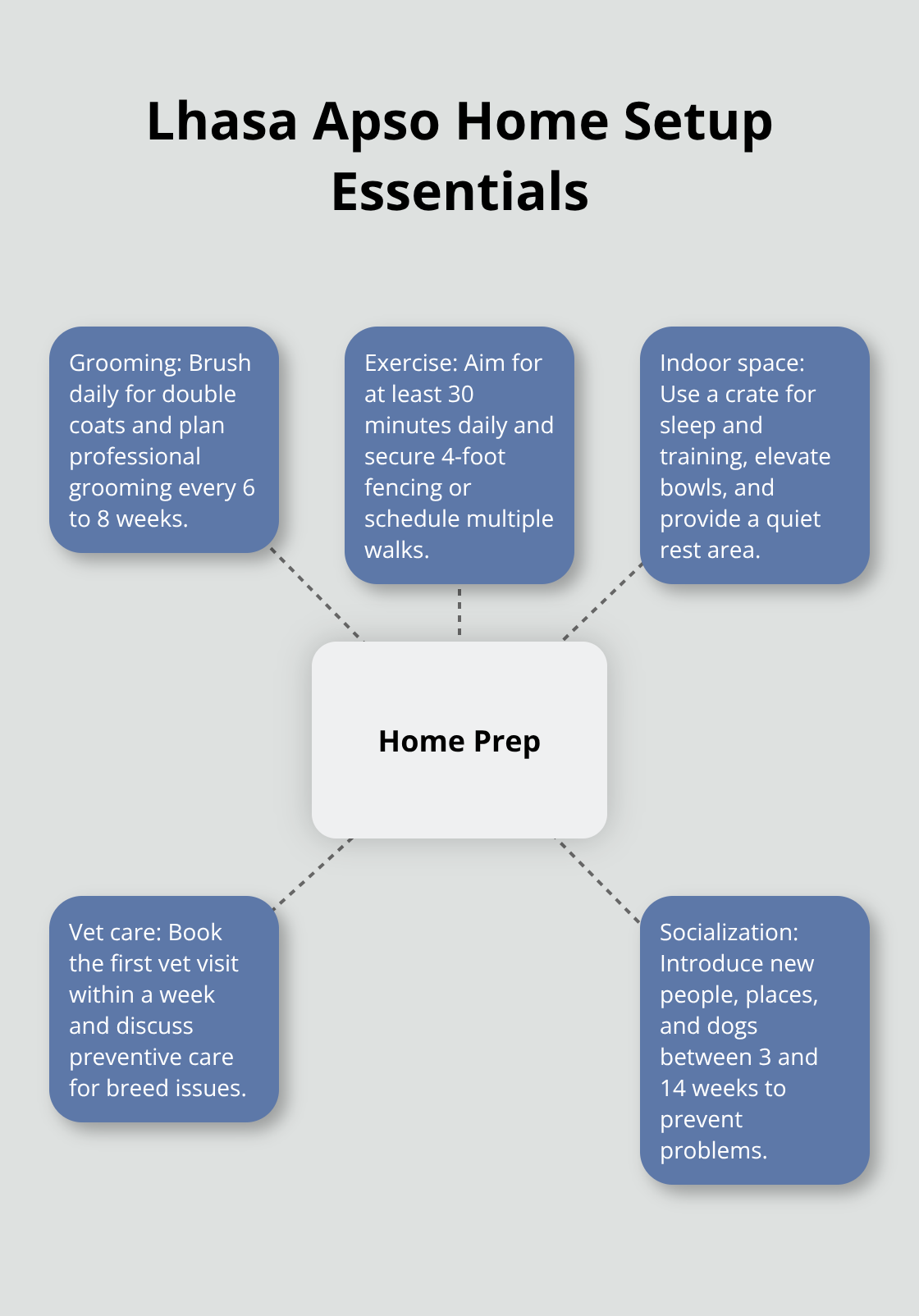 WWW.DOGINGTONPOST.COMHow to Find Lhasa Apso Puppy Adoption Centers Near YouFinding the right Lhasa Apso puppy adoption center requires knowing where to look and what to evaluate. We at DogingtonPost want to help you navigate this process with confidence.This guide walks you through reputable adoption sources, how to assess breeders and shelters, and what you need to prepare before bringing your puppy home.Where to Find Lhasa Apso PuppiesStart with Local Rescues and SheltersLocal animal shelters and breed-specific rescues should be your first stop, not your last resort. Lhasa Happy Homes in Santa Monica operates bi-monthly adoption events on the 2nd and 4th Sundays from 11am to 2:30pm at 2116 Main Street, where you can meet dogs in person before committing. Their adoption fees start at $400 minimum and cover vet exams, vaccinations, spay/neuter, grooming, microchipping, and de-worming. This costs substantially less than breeders-Crockett Pups in South Carolina charges around $2,300 for puppies, with prices ranging from $1,800 to $2,800 depending on coat color. What matters most is that rescue organizations temperament-test their dogs in real home environments, giving you honest insights about behavior with kids and other dogs.Prepare for the Adoption EventWhen you attend an adoption event, bring photos or video of your home and yard, and bring your current dogs if you have any-the organization may involve them in the final decision. This preparation helps the rescue staff match you with a dog that fits your household rather than guessing based on a brief meeting. Youll gain a clearer picture of how a puppy behaves around your existing pets and in spaces similar to your own.Use Online Databases to Expand Your SearchOnline adoption databases let you search for Lhasa Apsos in your area and filter by age, size, and location, though the quality of listings varies significantly. The application process typically takes 24 to 48 hours for email responses and up to 48 hours for phone calls, so dont expect instant answers. Most rescues require a home visit before finalizing adoption, and some offer virtual visits if needed.Understand Adoption Fees and RequirementsAdoption fees vary based on age, training, and medical needs-senior dogs usually cost less. When evaluating any center, confirm that adoption packages include spay/neuter, vaccines, and microchipping as standard. Reputable organizations wont ship dogs out of state; if youre adopting from a distance, youll need to visit in person for the meeting and home assessment. This requirement exists for good reason (it protects the dog and ensures the match is genuine rather than impulsive). Once youve identified a rescue that aligns with your values and location, the next step involves assessing the facility itself and understanding what questions to ask before making your final decision.How to Spot a Trustworthy Adoption Center or BreederCheck How Long Theyve Been OperatingNot all adoption centers and breeders operate with the same standards, and the difference between a reputable source and a problematic one can mean thousands of dollars wasted or a puppy with serious health issues. Start by checking whether the organization has been operating for several years-Crockett Pups has been in business since 2011, which signals stability and accountability. Ask for references from previous adopters and actually contact them; a breeder or rescue unwilling to provide names should raise immediate red flags.Assess the Facility and Animal Care ConditionsVisit the facility in person and observe how dogs are housed and handled. Lhasa Happy Homes keeps dogs in foster homes or daycare rather than kennels, which tells you the dogs experience real home environments before adoption. During your visit, watch for cleanliness, proper spacing, and how staff interact with animals. Ask specific questions about health testing for genetic conditions common in Lhasa Apsos, such as hip dysplasia and eye problems. A reputable breeder will have veterinary documentation proving their breeding dogs have been tested.Review Health guarantees and deposit policiesRequest a written health guarantee that specifies what conditions are covered and for how long. Crockett Pups requires a $300 deposit, which is fully refundable minus a 9% processing fee if you change your mind within 24 hours-this flexibility suggests confidence in their puppies and fairness to buyers. Conversely, any breeder with non-refundable deposits or vague cancellation policies should concern you. If a breeders pricing seems unusually low or they pressure you to decide quickly, walk away.Understand Home Visits and Post-Adoption SupportThe home visit requirement matters more than many people realize. Lhasa Happy Homes conducts home visits before finalizing adoptions to assess whether your living space suits the dogs needs, and they wont consider families with children under 5 unless the dog has proven good with young kids. This screening protects the animal and reduces returns. Ask the organization whether they offer post-adoption support-reputable rescues answer questions about training, grooming, and veterinary care after you bring your puppy home.Compare Pricing and What Fees CoverConfirm that adoption fees cover essential services like spay/neuter, vaccines, microchipping, and deworming. Lhasa Apso puppies typically cost between $1,800 and $2,800 from established breeders depending on coat color, while rescue adoption fees start around $400 and cover substantial medical and care expenses. The price difference reflects the breeders overhead and the rescues limited funding, but both should be transparent about where your money goes. Once youve selected a trustworthy source, your attention shifts to preparing your home to welcome your new puppy and meet the breeds specific needs.Preparing Your Home for a Lhasa Apso PuppyStock Essential Grooming SuppliesLhasa Apsos require serious grooming attention from day one, and skipping this preparation creates unnecessary stress for both you and your puppy. Purchase a slicker brush, metal comb, and mat splitter specifically designed for double coats. Their dense double coat demands daily brushing to avoid tangles and mats, so youll need to brush them frequently to prevent tangles. Budget for professional grooming every 6 to 8 weeks depending on your location, as many owners underestimate these expenses and end up with matted coats requiring expensive remedial work.Set up a designated grooming area in your home where your puppy learns to tolerate handling early. Stock dog-safe shampoo formulated for long coats, nail clippers rated for small breeds, and a grooming table to make the process easier on your back and the dogs comfort.Create a Safe Exercise EnvironmentLhasa Apsos need adequate exercise despite their small size. Petfinder reports that daily outdoor time and mental stimulation keep them happy, so try for at least 30 minutes of activity daily. Create a secure yard with fencing at least 4 feet high since theyre escape artists and will chase small animals. If you lack yard space, commit to multiple daily walks and indoor play sessions with puzzle toys and training games.Set Up Your Indoor SpaceInside your home, designate a puppy area with a crate for sleeping and house training, food and water bowls elevated to reduce neck strain, and a bed or mat in a quiet corner away from foot traffic. Lhasa Apsos adapt well to small spaces and urban living according to Petfinder, making them suitable for apartments if you provide adequate exercise. Stock your home with age-appropriate toys that encourage chewing and mental engagement without posing choking hazards. These dogs are independent and bold yet sensitive, so avoid chaotic households with constant noise and activity.Establish Veterinary Care and Health PlanningEstablish a veterinary relationship before your puppy arrives by scheduling a first appointment within the first week to establish baseline health records and discuss vaccination schedules. Ask your vet about preventive care for common Lhasa Apso health issues like hip dysplasia and eye problems. This early connection helps you catch potential issues before they become serious.Prepare for Their Temperament and Socialization NeedsLhasa Apsos bark readily and alert to visitors or unusual sounds, acting as small watchdogs, so homes with noise-sensitive neighbors may face challenges. Socialization matters significantly because Lhasa Apsos may have issues with unknown dogs but can get along with known dogs with training. Introduce your puppy to different people, environments, and other animals during the critical socialization window between 3 and 14 weeks of age to prevent behavioral problems later.Final ThoughtsFinding the right Lhasa Apso puppy adoption center requires patience and careful evaluation, but the effort pays off when you bring home a healthy, well-adjusted companion. Whether you choose a breed-specific rescue like Lhasa Happy Homes or an established breeder like Crockett Pups, prioritize organizations that conduct home visits, provide health guarantees, and maintain transparent practices. The difference between a reputable source and a problematic one often determines whether your puppy thrives or struggles with behavioral and health issues down the road.After you complete the adoption process and bring your puppy home, your real work starts. The first weeks matter tremendously for establishing routines, starting house training, and beginning socialization-stick to a consistent schedule for feeding, potty breaks, and sleep to help your puppy adjust quickly. Enroll in a puppy training class within the first few months to build a foundation for obedience and address any early behavioral concerns before they become entrenched habits.Your relationship with your Lhasa Apso extends far beyond adoption day, as these dogs live 12 to 15 years on average. Budget for professional grooming every 6 to 8 weeks, annual vet checkups, and unexpected medical expenses throughout your dogs life. Visit DogingtonPost for ongoing guidance on Lhasa Apso puppy adoption, care, training, and health to support your commitment to responsible dog ownership.0 Reacties 0 aandelen 22 Views
 -
 WWW.CATSTER.COMThe Kitten Clues That Tell You Exactly How Old They AreIf you ever find a tiny kitten, or maybe you just brought home a two-month-old from a shelter, but something feels off about that estimate because the kitten seems too small, too unsteady, too young, were here to help.Knowing a kittens real age isnt just trivia for curious cat parents. Its critical information that determines everything from what they eat to how often they need to be fed to whether they can survive on their own. Get it wrong, and you could be making dangerous care decisions.Kittens are terrible at keeping secrets about their age, so you dont need to worry. Their bodies tell you exactly how old they are if you know what to look for.Why Age Matters More Than You ThinkImage Credit: Mario_Hoppmann, ShutterstockA three-week-old kitten needs bottle feeding every few hours and cant eliminate waste without stimulation. A six-week-old kitten can eat wet food and use a litter box independently. Thats a massive difference packed into just three weeks of life.If you assume a younger kitten is older, you might not feed them frequently enough or provide the warmth they desperately need to survive. If you treat an older kitten like a newborn, you might delay important developmental milestones like socialization and weaning.So lets walk through the telltale signs, week by week.The First Week: Completely HelplessNewborn kittens are impossibly tiny and utterly dependent. Their eyes are sealed shut, their ears are folded flat against their heads, and they cant see or hear anything. If theres still an umbilical cord attached or even just a small dried remnant youre looking at a kitten under five days old.They cant regulate their own body temperature at all, which means they need constant warmth from a mother cat, littermates, or a heating pad. Without it, theyll become hypothermic fast. They also cant eliminate waste on their own someone has to gently stimulate the area with a warm, damp cloth after every feeding to make them go.Feeding happens every one to two hours, around the clock. This is the most intensive care stage, and its exhausting.Week Two: The Eyes Have ItAround days eight through twelve, those sealed eyes start cracking open. Its always the same at first a cloudy, deep blue that every kitten is born with, regardless of what color theyll eventually become. Their vision is still blurry and useless for much beyond sensing light and shadow.Their ears begin unfolding slightly, though they still cant hear well. Theyre awake a bit more often but mostly just wake up, eat, and fall back asleep. Temperature regulation is still impossible, so warmth remains non-negotiable. Feedings can stretch to every two or three hours now a slight relief if youre doing overnight shifts.Image Credit: Nataliabiruk, ShutterstockWeek Three: Baby Teeth and Bold MovesThis is when things get interesting. Tiny incisors start poking through the gums like little white specks. The ears are fully upright now, and kittens start toddling around on wobbly legs, exploring beyond their nest for the first time.Some brave souls will even investigate a litter box at this stage, though theyre not reliably using it yet. If youre bottle feeding, you can space feedings out to every four or five hours, which finally means you might get some sleep. They still need help going to the bathroom, but theyre clearly becoming more independent.Week Four: Playtime UnlockedFour weeks is when kittens really start acting like kittens. They run, they pounce, they wrestle with their siblings. Their canine teeth begin emerging, and their vision sharpens considerably.This is prime socialization time. Gentle handling, exposure to household sounds, and interaction with humans help them grow into confident, well-adjusted cats. Theyre getting better at regulating temperature, but still appreciate a warm spot to retreat to. Bottle feedings drop to every five hours.Image Credit: Sharomka, ShutterstockWeek Five: The Weaning Window OpensThose premolars start appearing, and thats your signal: this kitten can handle wet food. Theyll still nurse or take a bottle if available, but you can start offering high-quality wet kitten food to see if theyre interested.Some kittens dive right in. Others take a few days to figure out that this mushy stuff is food. Either way, make sure fresh water is always available, and keep monitoring their weight to confirm theyre growing steadily.Week Six: Independence DayBy six weeks, kittens have a full set of baby teeth and are confidently eating wet food on their own. They start grooming themselves and their siblings a huge developmental leap that shows theyre learning proper cat behavior.This is a great age to expand their world a little. Let them explore new rooms under supervision. Start very gentle introductions to calm, cat-friendly dogs if you have them. And schedule that first FVRCP vaccine to protect against feline viral rhinotracheitis, calicivirus, and panleukopenia.Image Credit: Top Photo Engineerm ShutterstockWeek Seven: Eye Color Reveals ItselfThat baby blue starts shifting toward their adult eye color, which could be green, gold, copper, or staying blue, depending on their genetics. Energy levels are through the roof. Theyre eating enthusiastically throughout the day, playing hard, and crashing into sudden naps.This is peak kitten chaos, and its delightful.Week Eight: Adoption ReadyEight weeks is the magic number. This is when kittens are physically, emotionally, and developmentally ready to leave their mother and littermates. Most weigh around two pounds by now, which is the minimum weight for spay and neuter surgery at many clinics.Theyre social, playful, curious, and forming deep bonds with their humans. They seek out affection, respond to their names (or at least to the sound of a food can opening), and are ready to settle into their forever homes.What If You Still Cant Tell?Image Credit: Rembolle, ShutterstockSometimes kittens dont fit neatly into these categories. Poor nutrition can slow development, making a kitten seem younger than they are. Conversely, well-fed kittens from healthy mothers might hit milestones early.When in doubt, a vet can give you a more precise estimate based on teeth, weight, and overall development. They can also check for health issues and get your kitten started on vaccines and deworming if needed.Why Guessing Wrong Is RiskyUnderestimating age means you might not provide adequate nutrition or warmth, which can be fatal for very young kittens. Overestimating age might lead you to adopt out a kitten too early, before theyve learned crucial social skills from their mother and siblings.Getting it right means giving your kitten exactly what they need, when they need it.The Bottom LineKittens grow impossibly fast from blind, helpless newborns to rambunctious little furballs in just eight weeks. But each stage has distinct markers that make determining age surprisingly straightforward once you know what to look for.Whether youre rescuing a stray, fostering a litter, or just confirming the shelter got the age right, these clues will guide you. And with the right care at the right time, youll watch that tiny kitten transform into a confident, healthy cat who thinks you hung the moon.Feature Image Credit: Chendongshan, ShutterstockDid You Know? Our brand-new posts are rounded up and included in our weekly emails. Dont miss out on the latest sign up for our newsletter below!0 Reacties 0 aandelen 23 Views

 English
 Arabic
 French
 Spanish
 Portuguese
 Deutsch
 Turkish
 Italiano
 Russian
 Romaian
 Portuguese (Brazil)
 Greek
Greek