


A New Lineage Of Tropical Mammoths Is Discovered In Mexico
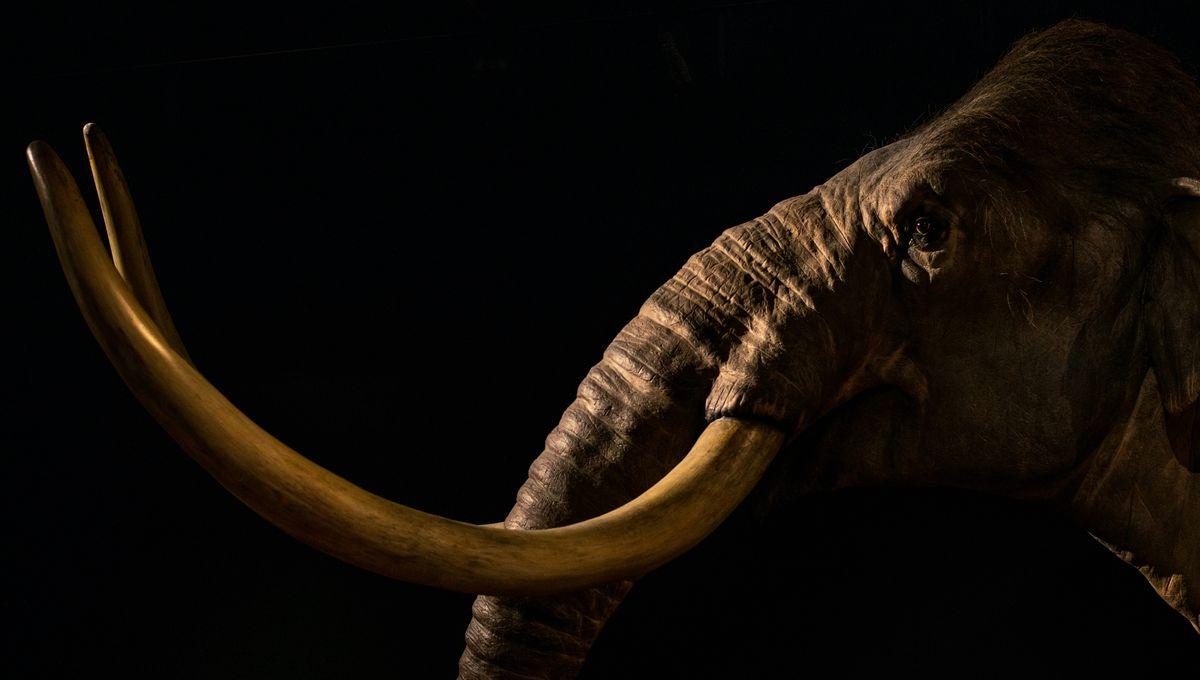
Scientists Find New Lineage Of Mammoth In Mexico, Unlike Anything They've Seen Before
A new lineage of mammoth has been discovered in… Mexico? While we usually think of these shaggy Ice Age giants roaming icy landscapes and temperate plains, the find shows that North American mammoths were more genetically diverse – and more widespread – than previously appreciated.
The rest of this article is behind a paywall. Please sign in or subscribe to access the full content. In late 2019, construction workers unearthed several large, prehistoric bones during the construction of the new airport at the old Santa Lucía Air Force Base north of Mexico City. After years of digging, archaeologists had excavated a trove of at least 200 Columbian mammoths (Mammuthus columbi) as well as dozens of other ancient mammals. Columbian mammoths have been found in some coastal regions of Central America, but the ones discovered at Santa Lucía were remarkable in both quality and quantity. DNA breaks down quickly in warmer climates, but these specimens were in surprisingly good shape, plus recent advances in DNA analysis have also made studying them far easier. This provided researchers with the first ever opportunity to study the genetics of tropical mammoths – and the results were striking. In a new study, scientists at the National Autonomous University of Mexico and colleagues studied the DNA of dozens of Columbian mammoths recovered from the Basin of Mexico, including 73 found at Santa Lucía and 10 more from Tultepec. They then compared these genetic sequences with those of Columbian mammoths from the US and southern Canada, as well as woolly mammoths from northern Eurasia and the northernmost parts of North America. The findings showed that the Mexican mammoths represent a previously unknown lineage. A “deep genetic divergence” likely began around 416,000 to 307,000 years ago between the Mexican population and the northern population of Columbian mammoths. After this split, the groups remained largely separate and barely intermingled with each other. The difference is so profound that some researchers suggest we could consider the Mexican population to be something truly distinct from previously known mammoths. “Should we really be calling it a Columbian mammoth? [Or] give it a new name—a Mexican mammoth?,” Adrian Lister, a paleobiologist at the Natural History Museum in London who was not involved in the research, told Science. Columbian mammoth fossils are generally found between southern Canada, throughout parts of the US, and dipping into central Mexico. Some of this natural range overlapped with their cousins, woolly mammoths (Mammuthus primigenius), which generally lived in the more northern stretches of the continent, as well as northern Eurasia. It’s been previously suggested that the Columbian mammoth may be the product of hybridization between woolly mammoths and another Eurasian species, the steppe mammoth (Mammuthus trogontherii), but this new discovery adds more nuance to the family tree. The researchers indicate that woolly mammoths may have already divided into different genetic groups before they hybridized with a steppe mammoth-like lineage, and these differences were passed on to the Columbian mammoth. Another possibility is that separate populations of woolly mammoths hybridized with the same steppe mammoth-like group at different times, creating multiple distinct mitochondrial lineages in the Columbian mammoth. Either way, it’s evident that the mammoths found in Mexico have a very different backstory from those found elsewhere in North America. The study is published in the journal Science.

 English
 Arabic
 French
 Spanish
 Portuguese
 Deutsch
 Turkish
 Dutch
Dutch
 Italiano
 Romaian
 Portuguese (Brazil)
 Greek
Greek