


Scientists Created Gene-Edited Albino Cane Frogs To Unravel The Mysteries Of Natural Selection
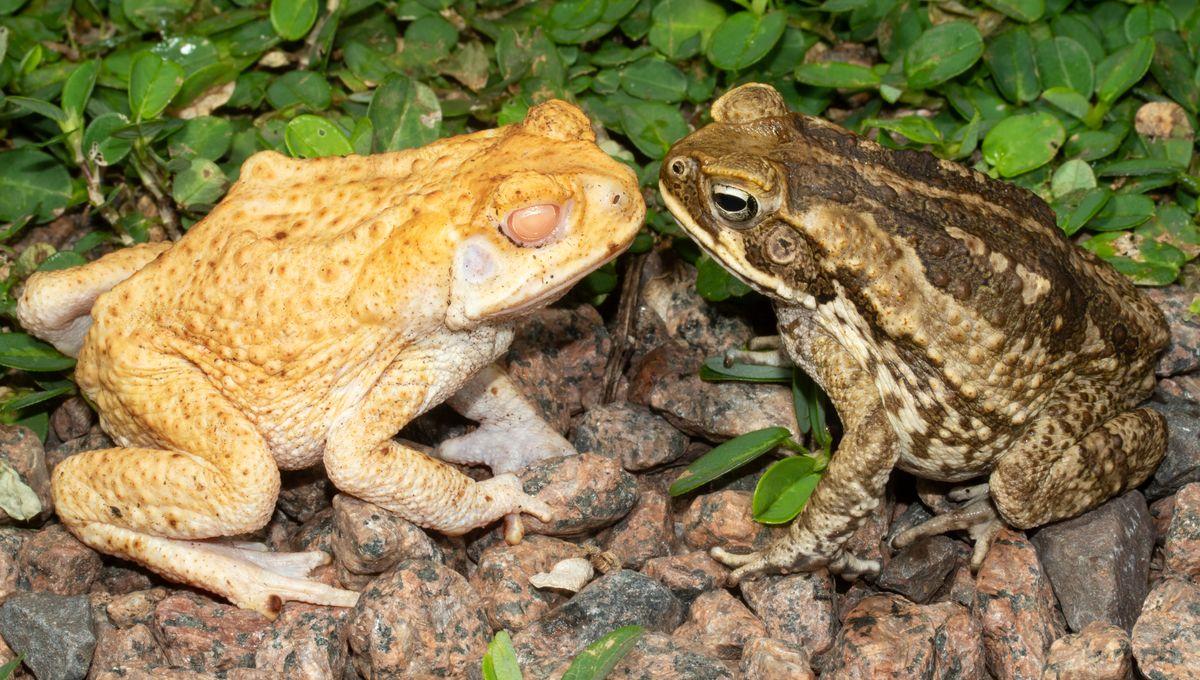
Scientists Created Gene-Edited Albino Cane Frogs To Unravel The Mysteries Of Natural Selection
It’s often assumed that albino animals are rare in the wild because their lack of pigment makes them stick out in the natural environment, turning them into easy pickings for hungry predators. However, in a new study, a team of scientists from Macquarie University in Australia found evidence that the story isn’t so simple. There are factors that put albino animals at a disadvantage that go beyond just vulnerability to being eaten.
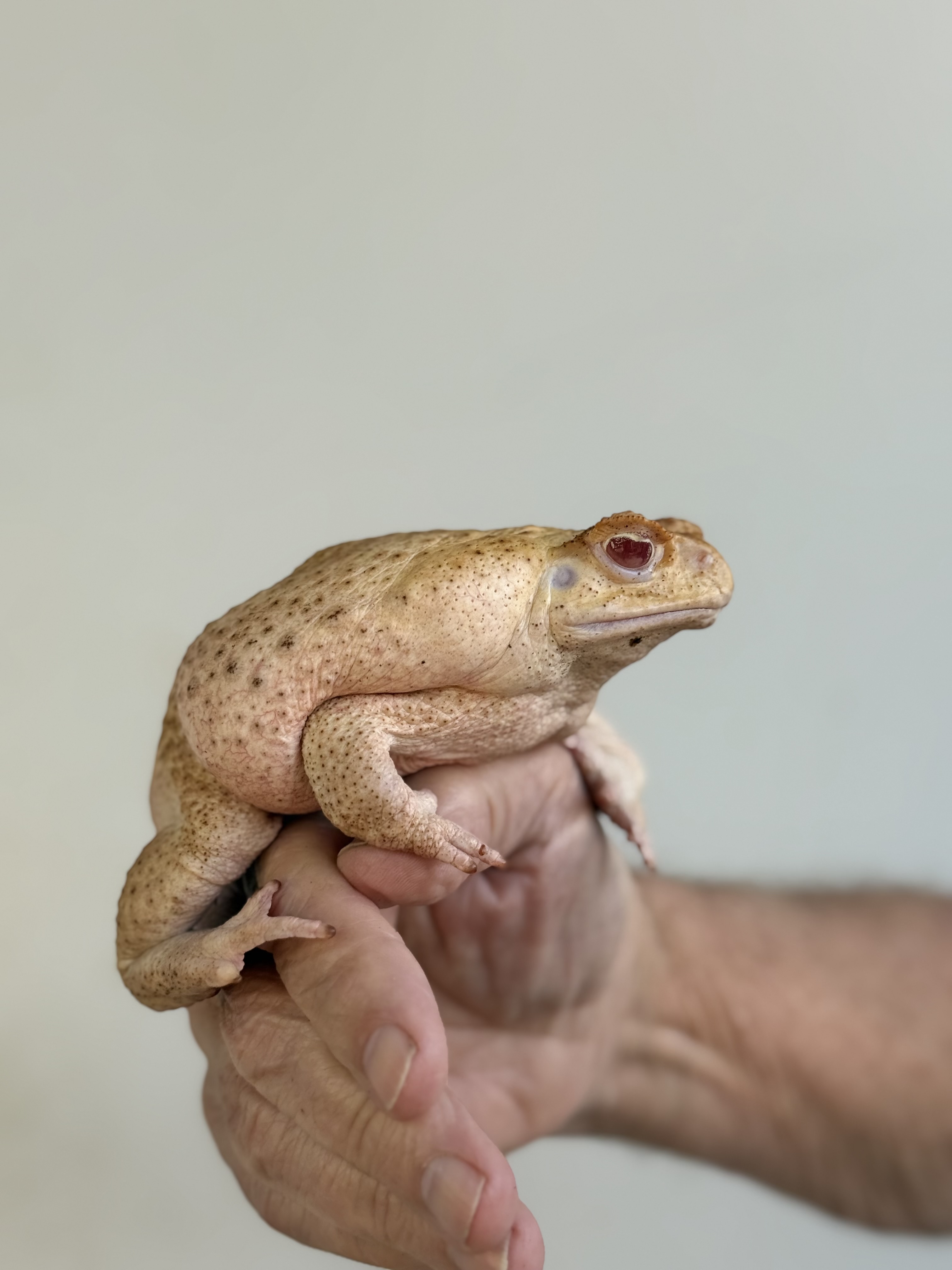
The rest of this article is behind a paywall. Please sign in or subscribe to access the full content. The subject of their research was the cane toad (Rhinella marina), a native to parts of Latin America that’s since been introduced to Australia and elsewhere, where they’ve spread like wildfire, infuriating locals, wreaking havoc on ecosystems, and causing scientists to come up with increasinlgy imaginative ways to combat this invasive species; hence dabbling in creating gene-edited albino toads. The researchers created batches of albino cane toads in the lab by editing their DNA. Using the CRISPR-Cas9 tool on clutches of eggs, they "switched off" a gene called tyrosinase, which is essential for making pigment in the skin. “We are researching a genetic method for cane toad control, and we initially created the albino toads as a proof-of-concept. While rearing the toads, we noticed that they seemed to be growing more slowly and surviving less often than their pigmented siblings, which inspired this study,” Alex Funk, lead study author and PhD Candidate at Macquarie University's School of Natural Sciences, told IFLScience Have you ever seen an albino tadpole before? Image credit: ©Team Bufo Along with being less likely to survive and growing more slowly, the albino tadpoles tended to metamorphose into fully fledged toads earlier than usual, which may be a sign of stress. Even when predators weren’t a factor (they were in the safety of a lab, after all), the albinos fell behind in head-to-head competition with their pigmented peers. Follow-up experiments suggested that vision problems were the main reason. Albino toads needed brighter light to hunt effectively, missed their prey more often, and used more energy while foraging than normal toads. Since cane toads are mostly nocturnal, the researchers believe these visual limitations likely make life much harder for albinos in the wild. Indeed, it’s well known that animals with albinism have poor vision. This is because melanin, the dark pigment found in skin and hair, also plays a role in the development and function of the eyes. “Albino individuals cannot produce melanin, which plays an important role in the development of the retina. Without melanin, the retina’s development is disrupted. This can lead to reduced visual acuity and impaired stereoscopic vision,” explained Funk. Other factors might be at play, though. Along with increased risk of predation and vision problems, it’s known that albino animals also have a decreased tolerance of ultraviolet radiation from the Sun and issues with their immune system. In more social animals, albinism might also raise complex problems within their immediate group. In 2021, primatologists reported the first recorded instance of a wild chimpanzee with albinism living in the jungles of northwest Uganda. The individual was met with antagonism and aggression from the wider group, eventually culminating in the young chimp being brutally killed by its peers. A large albino toad looking bold and majestic on a scientist's hand. Image credit: ©Terri Shine The researchers believe their findings might be applicable to species beyond cane toads and their amphibian family, although that will take more experimentation to prove. “These findings can certainly be applied to other species – especially those that rely heavily on vision to find food. If visual predators like frogs, predatory birds, and big cats cannot hunt effectively due to poor eyesight associated with albinism, they are likely to be outcompeted by pigmented competitors,” Funk explained. “That said, it is important to note that we do not suggest that the effects of albinism on vision are the best or only explanation for differences in survival between albinos and pigmented individuals. Our study is the first to demonstrate that albinos can be inferior competitors, but there are undoubtedly other factors that lead to reduced survival of albinos in the wild–like increased vulnerability to predation,” he concluded. The study is published in the journal Proceedings of the Royal Society B: Biological Sciences.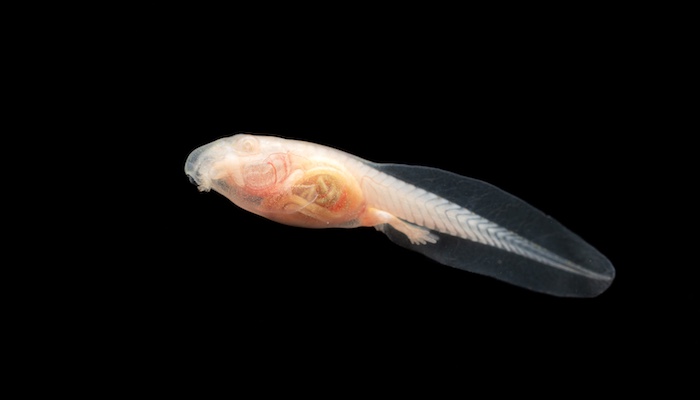

 English
 Arabic
 French
 Spanish
 Portuguese
 Deutsch
 Turkish
 Dutch
Dutch
 Italiano
 Russian
 Portuguese (Brazil)
 Greek
Greek