


POV: You Strapped A Camera To A Seabird’s Butt And Discovered They Prefer To Poop While Flying
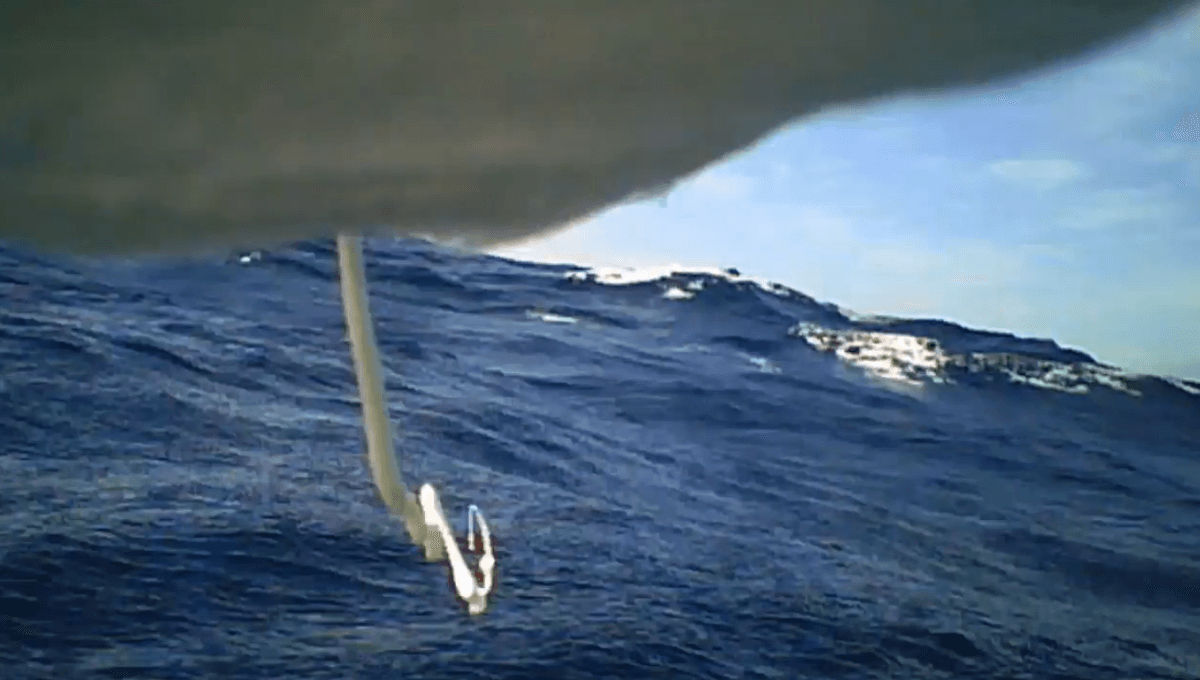
POV: You Strapped A Camera To A Seabird’s Butt And Discovered They Prefer To Poop While Flying
It’s something of a rite of passage for anyone who lives by the seaside to get pooped on by a bird, and now a new study has discovered that aerial pooping really does seem to be a preference among seabirds. Using cameras strapped to the bodies of streaked shearwaters, it recorded how the birds will take off just for the purpose of pooping, dropping their load every four to 10 minutes. That’s a lot of poop.
The rest of this article is behind a paywall. Please sign in or subscribe to access the full content. The discovery was something of a happy accident, made while trying to study how seabirds are able to use the ocean surface like a runway for taking off. While reviewing the subsequent video footage, study lead author Leo Uesaka from the University of Tokyo saw that they showed something unexpected. “While watching the video, I was surprised that they dropped feces very frequently,” said Uesaka in a release. “I thought it was funny at first, but it turned out to be more interesting and important for marine ecology.” Getting this intimate POV of seabirds’ pooping habits was made possible thanks to eraser-sized cameras that were strapped onto the bellies of 15 streaked shearwaters, facing backwards to get the best angle. Across the footage, the team captured 200 defecation events, revealing that the birds almost exclusively pooped in the air and that they often did so shortly after taking off. Some of the birds even landed shortly after pooping, suggesting that they intentionally took off just to drop their load and then were happy to get back to bobbing on the ocean surface. This is particularly intriguing as it takes a lot of effort to get into the air, suggesting poop is a powerful motivator. “Streaked shearwaters have very long and narrow wings, good for gliding, not flapping,” said Uesaka. “They have to flap their wings vigorously to take off, which exhausts them. This means the risk of excreting on the sea surface outweighs the effort to take off. There must be a strong reason behind that.” If you see one of these flying overhead, close your mouth. Image credit: Yusuke Goto There was also a curious rhythm to their fly-bys, as the birds generally pooped every four to 10 minutes, amounting to an impressive 30 grams (1 ounce) of poop per hour – roughly 5 percent of their body mass. That’s equivalent to the average human dropping a small pumpkin every hour. A lot of poop, then, but that’s not a bad thing. In fact, as well as keeping their feathers clean and perhaps reducing predation risk, shearwaters’ love of pooping in the air may be a vital resource for the ocean. Marine ecosystems depend on this kind of fertilization, and Uesaka and colleagues hope to further study the role of seabird feces in marine ecology in future. “Feces are important,” Uesaka said, “but people don’t really think about it.” The study is published in the journal Current Biology.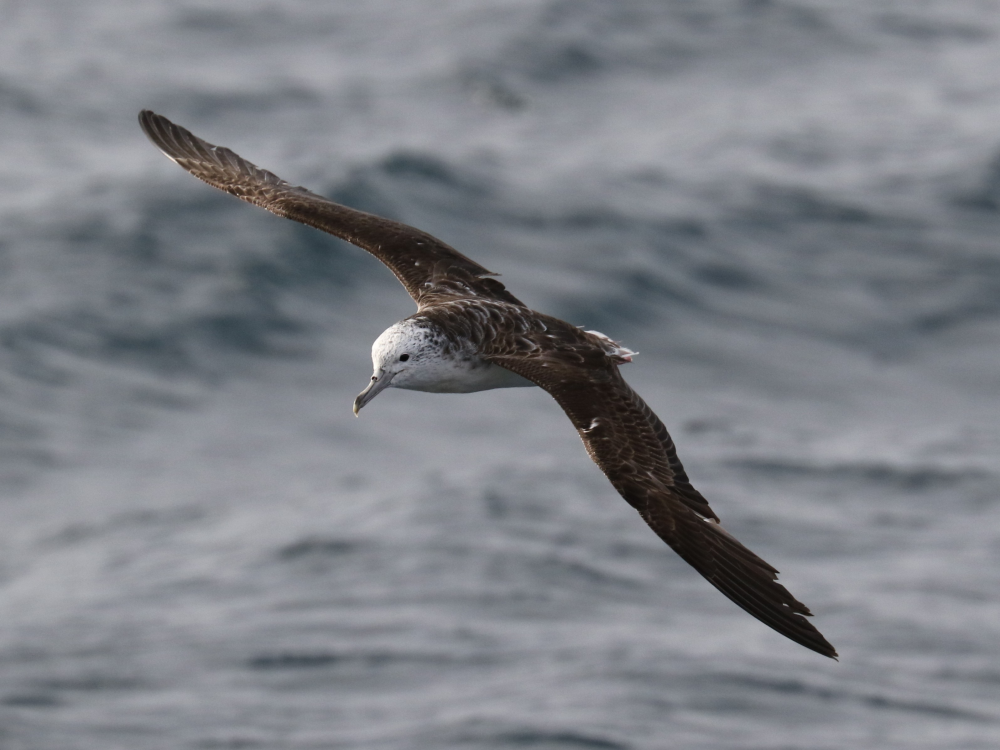

 English
 Arabic
 French
 Spanish
 Portuguese
 Deutsch
 Turkish
 Dutch
Dutch
 Italiano
 Romaian
 Portuguese (Brazil)
 Greek
Greek