


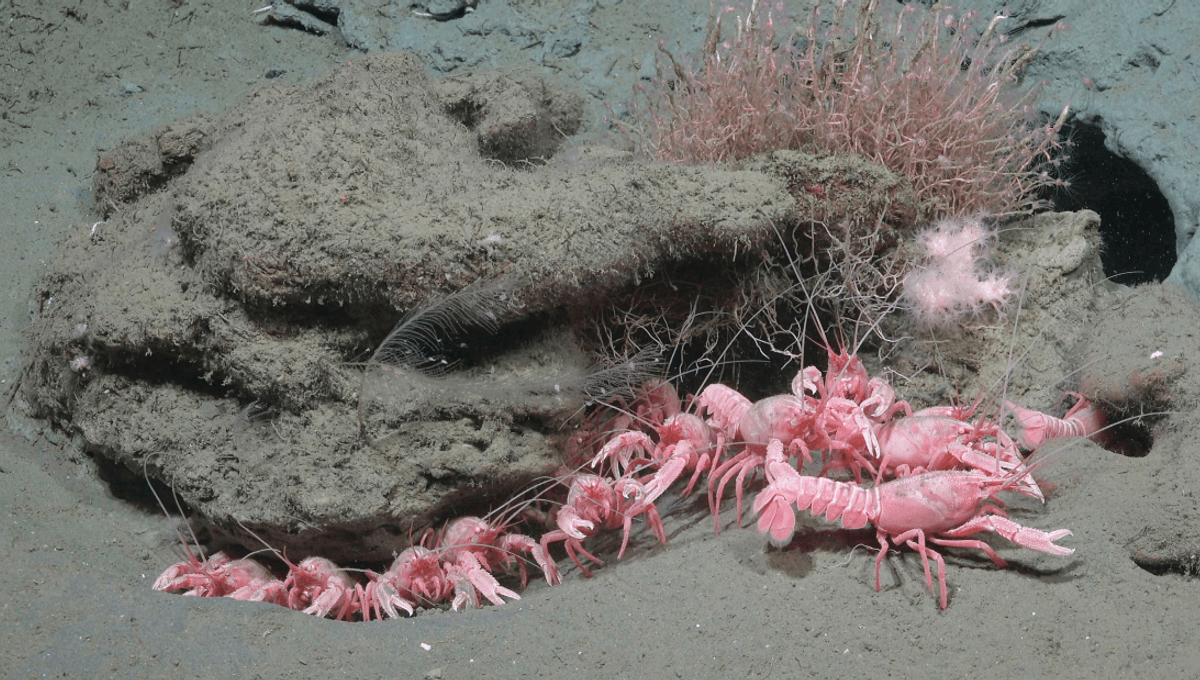

An offshore canyon that’s twice as deep as the Grand Canyon recently turned up 40 potential new-to-science species when scientists embarked on the first-ever high-tech dive to the region. Using the Schmidt Ocean Institute’s remotely operated vehicle, ROV SuBastian, the expedition was livestreamed as it captured alien-looking squids, Barbie-pink lobsters, and a sea star with some serious junk in the trunk, if you know what we mean.
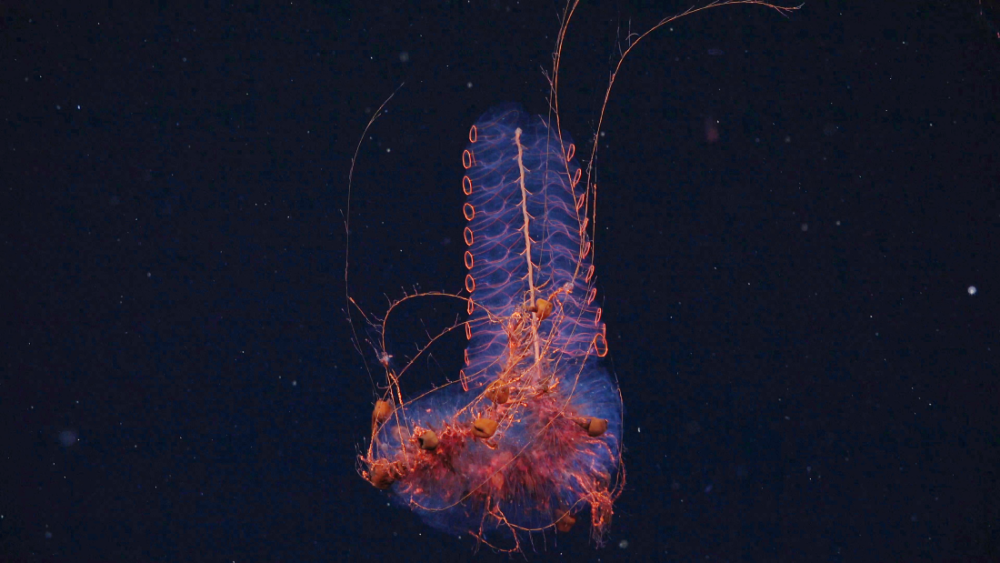
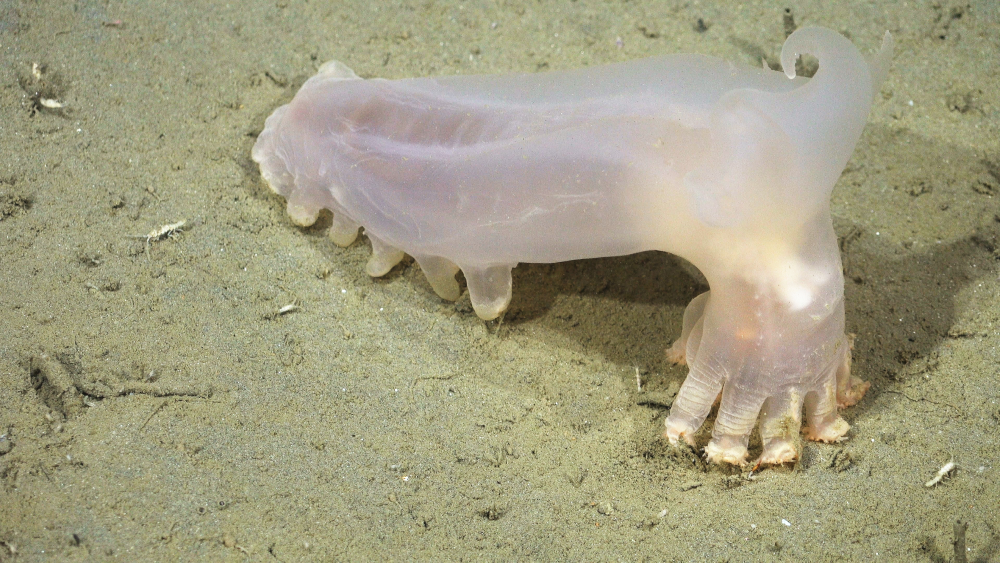
The rest of this article is behind a paywall. Please sign in or subscribe to access the full content. Sounds like quite the adventure, right? Well, it would seem nearly 4 million people agree with you, as the livestream of the Argentinian-led expedition on board Schmidt Ocean Institute’s R/V Falkor (too) proved to be a smash hit. Anyone for a game of Pin The Peach On The Patrick? Image credit: ROV SuBastian/Schmidt Ocean Institute (CC BY-NC-SA 4.0) “The deep sea and its awe-inspiring life – from bright corals to mesmerizing octopuses – has captivated an entire nation, thanks to a team of passionate scientists and the millions of people watching their work, via livestream,” said Wendy Schmidt, co-founder and president of Schmidt Ocean Institute, in a statement. “Argentina is showing the world the power of deep-sea exploration to not only spark wonder, but to remind us how much of our planet remains to be discovered and protected.” The expedition marked the first time we’ve been able to dive into the Mar del Plata Canyon – which at 3,500 meters (11,483 feet) deep is twice the depth of the Grand Canyon – and get a good look around using a high-tech ROV. The sophisticated sampling tools and cameras onboard SuBastian have provided an unprecedented glimpse into this biodiversity treasure trove, so it’s hardly surprising that the 21-day expedition may have discovered around 40 new-to-science species. A siphonophore (or living chandelier, depending on who you ask) documented at 1,250 meters (4,102 feet) deep in the Mar del Plata Canyon. Image credit: ROV SuBastian/Schmidt Ocean Institute (CC BY-NC-SA 4.0) The work now begins to confirm that, but here’s a delicious highlights reveal of what SuBastian saw on its travels. “This expedition has been a once-in-a-lifetime experience for me, and I’m honored to share it with colleagues I’ve worked with for a decade,” said Chief Scientist Dr Daniel Lauretta of CONICET and Museo Argentino de Ciencias Naturales Bernardino Rivadavia. “It’s my first time getting to work with an ROV. The image quality captured by ROV SuBastian has been outstanding and helps us better understand the complexity of this habitat and the remarkable biodiversity it supports.” Beyond being a treat for the eyes, the data collected from the expedition can contribute to conservation management for the region. Already, we’ve seen evidence that humans are having an influence on deep-sea canyon environments, as the team spotted shoes, plastic bags, and fishing gear in SuBastian’s footage. Fingers crossed, we can come together to do better for the Barbie lobsters and Patrick Star, the big-bootied sea star. Sea pigs are a type of deep-sea sea cucumber in the genus Scotoplanes. This one lives in the Mar del Plata Submarine Canyon in Argentina. Image credit: ROV SuBastian/Schmidt Ocean Institute (CC BY-NC-SA 4.0) “This cruise underscores the power of ocean exploration and science in igniting the imagination,” said Schmidt Ocean Institute’s Executive Director, Dr Jyotika Virmani. “It was inspiring for us to see Argentinians fall in love with their own deep sea, and we are grateful to the science team, who balanced the demands of seagoing science with their passion to share their research with millions.”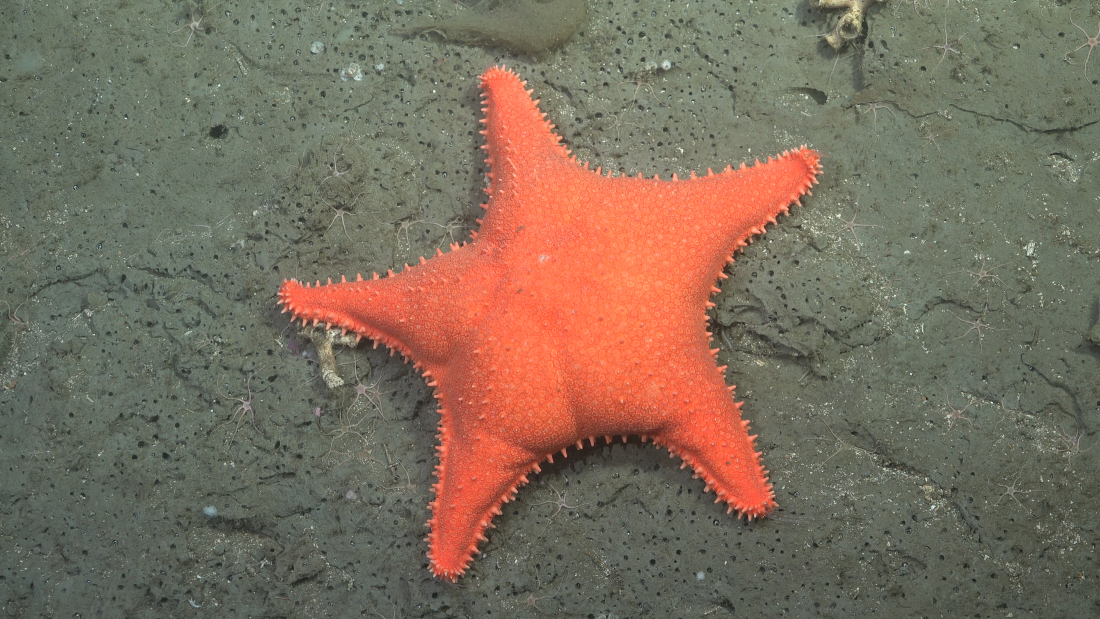


 English
 Arabic
 French
 Spanish
 Portuguese
 Deutsch
 Turkish
 Dutch
Dutch
 Italiano
 Russian
 Romaian
 Portuguese (Brazil)