


Four Radioactive Wasp Nests Have Been Found At A Nuclear Facility In South Carolina
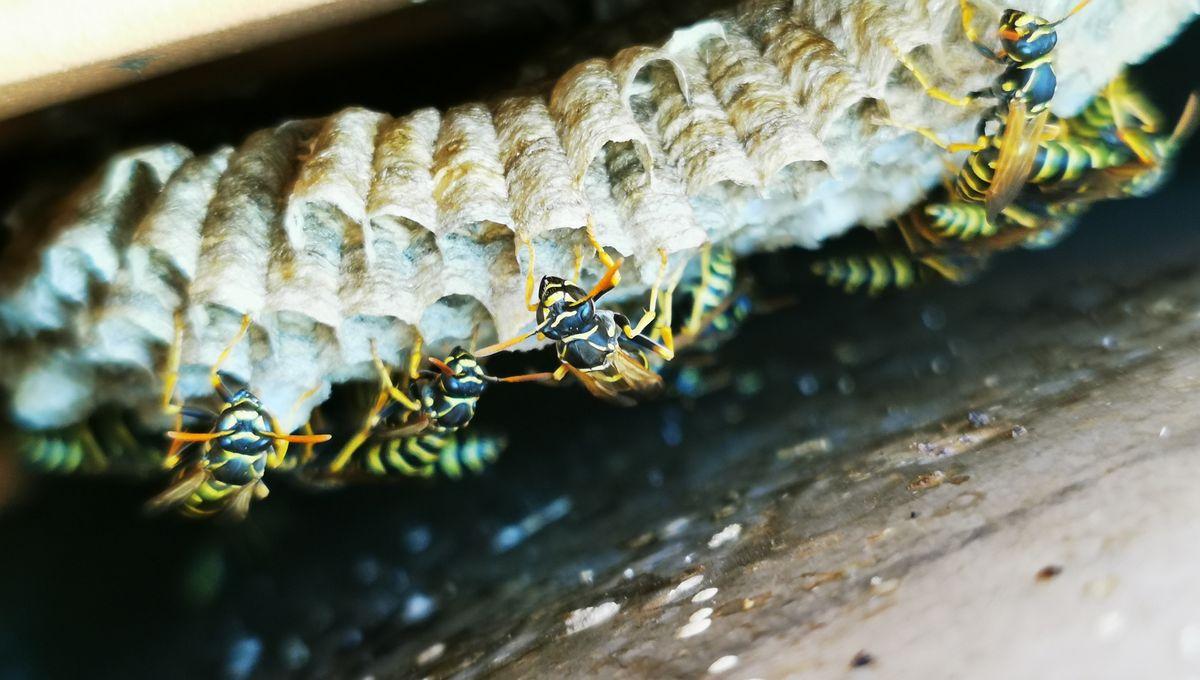
Radioactive Wasp Nests Have Been Found – With Levels 10 Times Higher Than Federal Safety Limits.
Four radioactive wasp nests are causing a buzz at a South Carolina facility tied to nuclear weapons. Thankfully, there’s no threat to the public (and the chances of this turning into a superhero origin story are close to zero).
In March 2025, workers found the nests in a restricted area of the Savannah River Site, a facility owned by the US Department of Energy that was built during the 1950s to produce plutonium and tritium for nuclear weapons. After spraying the nest to kill the wasps, they tested it and found it was highly radioactive – about 100,000 disintegrations per minute for each 100 cm², which is more than 10 times the safe limit set by federal regulations. “The wasp nest was sprayed to kill wasps, then bagged as radiological waste. The ground and surrounding area did not have any contamination,” a newly released report reads. “The delay in reporting was to allow time for reviewing previous wildlife contamination for consistency in reporting criteria." The radioactive nests are believed to be the product of leftover contamination from the site’s past exploits. Spanning 800 square kilometers (310 square miles), the sprawling site is home to the Savannah River National Laboratory, a facility still active in nuclear research and matters of national security. At the height of the Cold War, it was a key player in the US nuclear weapons program, churning out the radioactive ingredients for hydrogen bombs, such as plutonium and tritium. Since 1992, the lab shifted gears, focusing on environmental cleanup, nuclear material management, and civilian research. However, it is still associated with the extraction, processing, and experimentation of tritium. Since the Cold War wound down in the 1990s, many parts of the vast complex have been shut down or decommissioned, but cleanup operations are expected to drag on until at least 2065. Imagery from the International Space Station of the Savannah River Site in South Carolina captured on January 28, 2006. Image credit: ISS/NASA The cleanup of the Savannah River Site is a mammoth task. It includes dealing with 34.5 million gallons of radioactive liquid waste stored in 43 underground tanks, processing surplus plutonium for eventual disposal, and managing highly enriched uranium. On top of that, crews are working to decommission old facilities and clean up contaminated soil and groundwater. Meanwhile, the site also handles the storage and processing of spent nuclear fuel from reactors around the world. Scientists have previously investigated whether pollution from the Savannah River Site is impacting fish and other marine life in the local ecosystems, although they only found evidence of low-level radioactive contamination. However, this latest report of radioactive wasp nests is threatening to fire up the debate once more. Local watchdog group Savannah River Site Watch has accused the report of being incomplete, saying it fails to adequately explain how the wasps encountered the contamination. “I’m as mad as a hornet that SRS didn’t explain where the radioactive waste came from or if there is some kind of leak from the waste tanks that the public should be aware of,” Tom Clements, executive director of the group, told the Associated Press.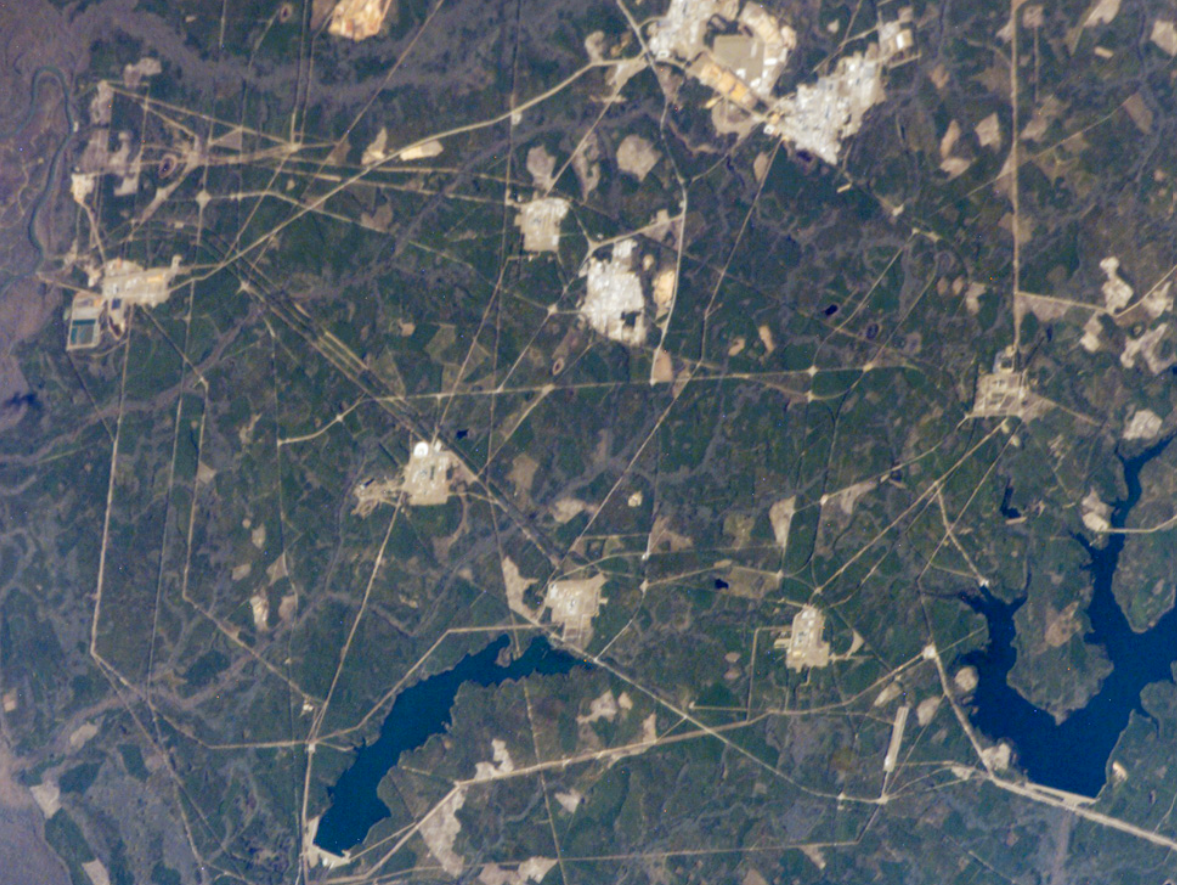

 English
 Arabic
 French
 Spanish
 Portuguese
 Turkish
 Dutch
Dutch
 Italiano
 Russian
 Romaian
 Portuguese (Brazil)
 Greek
Greek