


Black Olives Aren't What You Think They Are

People Are Only Just Learning About The Difference Between Black And Green Olives – And Their Minds Are Being Blown
Love black olives but turn your nose up at the green ones? We have news for you: they’re fundamentally the same thing. In fact, some so-called “black olives” aren’t naturally different from their green comrades at all; they’ve just been artificially altered with chemicals to give them a jet-black color and milder taste.
Botanically, green and black olives are the same fruit – yep, fruit. Olives are technically drupes, a type of fruit made up of a thin skin and a fleshy middle that surrounds a hard pit. It’s the same group that includes peaches, plums, cherries, and other stone fruits. The difference between black and green is primarily a question of ripeness; unripe olives are yellowish or green, whereas fully ripe olives are black, purple, and brown-tinged. It’s a similar situation with green bell peppers, which are essentially the unripe teenagers of yellow, orange, and red bell peppers. This shift in ripeness brings chemical changes that influence flavor, but the differences and surprising similarities between green and black olives are more complex than they first appear. A green olive will taste objectively gross if plucked straight from the tree and eaten. This is because they’re packed with a super-bitter and astringent chemical called oleuropein, which must be removed or broken down before the olive ends up on a cocktail stick. Green, unripen olives hanging on a tree branch. Image credit: piece_ov_art/Shutterstock.com On a mass scale, green olives are often treated with lye (sodium hydroxide) to rapidly eliminate the bitter oleuropein compound through artificial oxidation. They’re then thoroughly washed to remove soluble sugars that have the potential to foster further fermentation. Many black olives, especially higher-quality products, owe their dark color to natural ripening. These olives are left on the tree longer until they are very close to ripeness, giving them time to fully mature and allay unwanted levels of oleuropein. This hands-off approach allows nature to do the heavy lifting, resulting in a more complex and less bitter taste. However, many of the black olives you’ll find in cans and jars – like those labeled “California ripe olives”, "California-style", or "ripe-style" – get their color and milder taste from added chemicals, not time. These olives are picked when green and unripe. After undergoing the lye treatment, they’re then artificially darkened with an iron additive called ferrous gluconate. The result is a consistently black, mild-tasting olive that’s perfect for mass production, but a far cry from its tree-ripened counterpart. So whether you’re team green olive or team black olive, just know that they’re not genetically distinct varieties – it’s just a matter of how they’ve been picked, pickled, and packaged.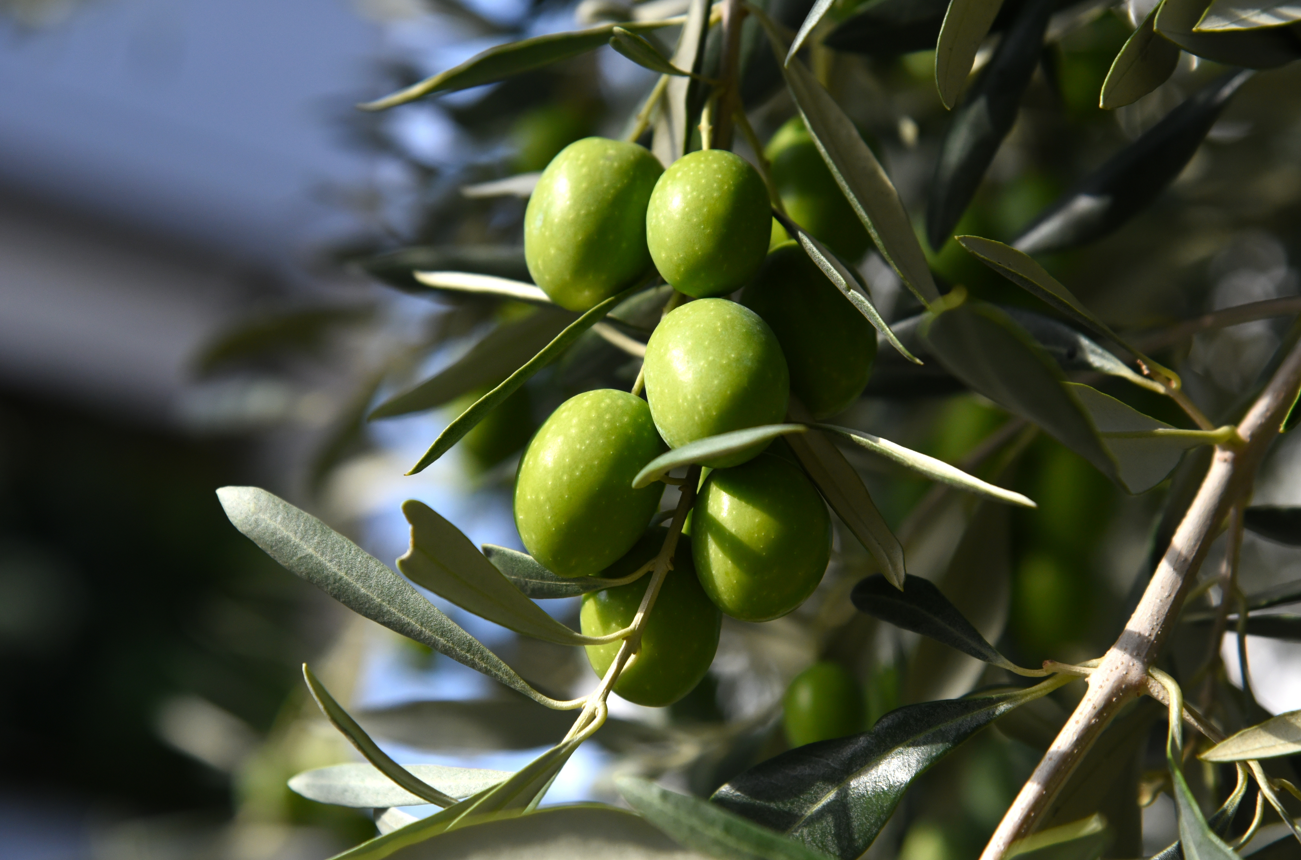

 English
 Arabic
 French
 Spanish
 Portuguese
 Deutsch
 Turkish
 Dutch
Dutch
 Italiano
 Russian
 Romaian
 Portuguese (Brazil)