


Get Ready, Skywatchers: A "Dazzling" Total Lunar Eclipse Is Coming In 2025
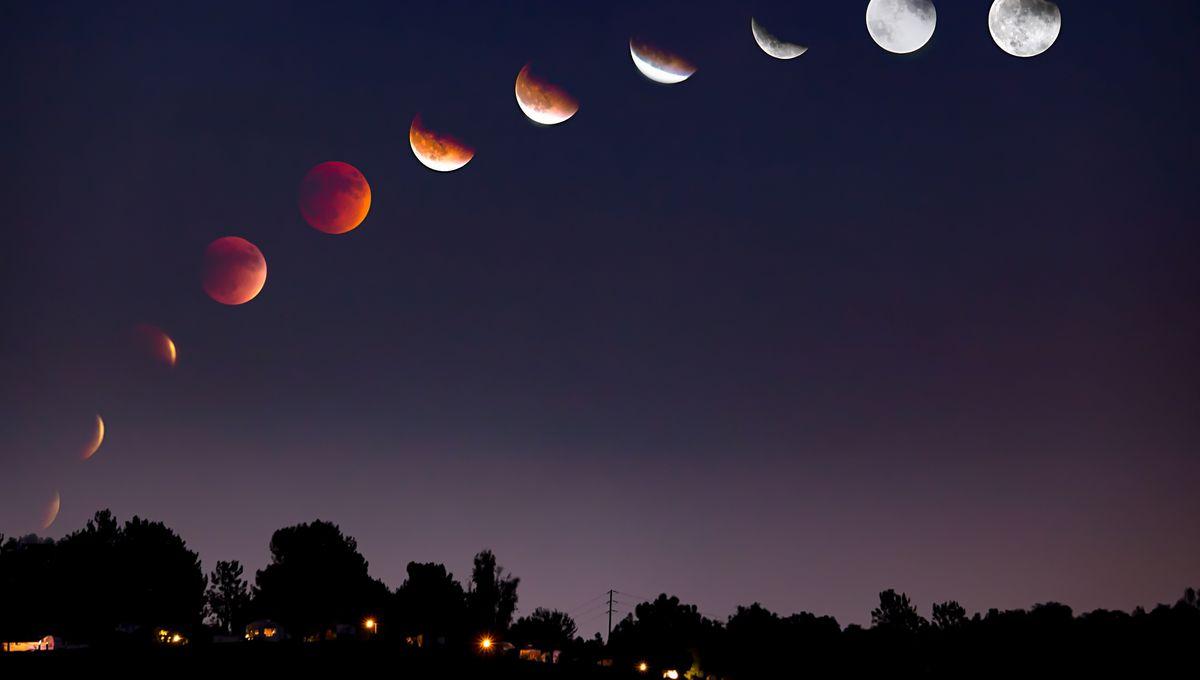
Get Ready, Skywatchers: A "Dazzling" Total Lunar Eclipse Is Coming In 2025
Heads up for the "Blood Moon" eclipse. In just a few months, most of the world will have the chance to witness a total lunar eclipse.
2025 will experience its second total lunar eclipse on the nights of September 7 and 8, following the first one that took place in March. A total lunar eclipse occurs when the Sun, the Earth, and the Moon line up, casting the Moon entirely into Earth’s shadow. As direct sunlight is blocked, the Moon darkens and often takes on an eerie reddish-orange glow. This effect, sometimes called a "Blood Moon," is caused by sunlight filtering through Earth’s atmosphere, scattering light and bending the red wavelengths toward the lunar surface. In a certain regard, a lunar eclipse is the opposite of a solar eclipse, in which the Sun, the Moon, and the Earth allign (in that particular order). This year’s total lunar eclipse in September is set to be the longest since 2022. According to Time and Date, the celestial event will span 5 hours and 27 minutes, with totality – the period when the Moon is completely eclipsed – lasting approximately 1 hour and 22 minutes. The difference between a Solar Eclipse and a Lunar Eclipse. Image credit: Albert Stephen Julius/Shutterstock.com The entire eclipse is visible from start to end in most of Asia, a sliver of East Africa, and Western Australia. The rest of Africa, Australia, and much of Europe should get a glimpse of some phases of the display too (cloud-cover permitting). This means that nearly 60 percent of the world population will be in a good place to see the entire eclipse from beginning to end, while up to 87 percent should be able to witness some part of the event. In the UK, the eclipse will reach its peak at 19:11 BST, although though at that moment, the Moon will still be below the horizon, according to Royal Museums Greenwich. The best visible phase, known as maximum visibility, occurs slightly later at 7:33 p.m. As the Moon gradually emerges from Earth’s umbra and penumbra, the eclipse will continue until 9:55 p.m. With the Moon sitting low on the eastern horizon, people are advised to seek out a high vantage point with a clear view to the east for the best chance of catching the spectacle. Unfortunately for most North Americans, the eclipse will be largely out of view, as it will occur during daylight hours with the Moon positioned on the opposite side of the planet. Some lucky observers in Alaska might catch the very beginning of the penumbral phase, but for much of the contiguous US, there won’t be much of a show. That might be mildly disappointing, but perhaps it’s only fair: don't forget that the US, Canada, and Mexico had front-row seats to the spectacular solar eclipse of April 8, 2024.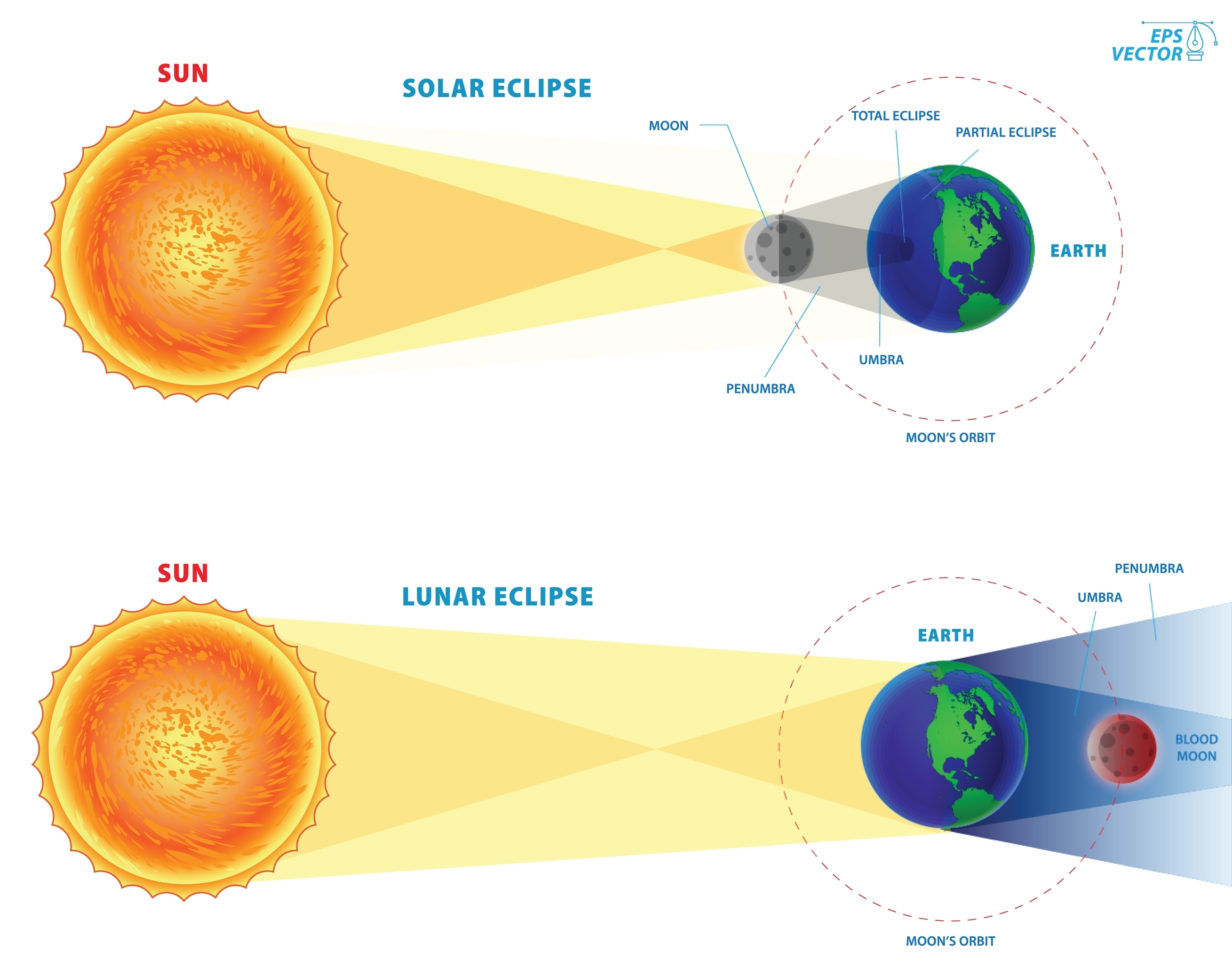

 English
 Arabic
 Spanish
 Portuguese
 Deutsch
 Turkish
 Dutch
Dutch
 Italiano
 Russian
 Romaian
 Portuguese (Brazil)
 Greek
Greek