


Samantha's clicks/Shutterstock
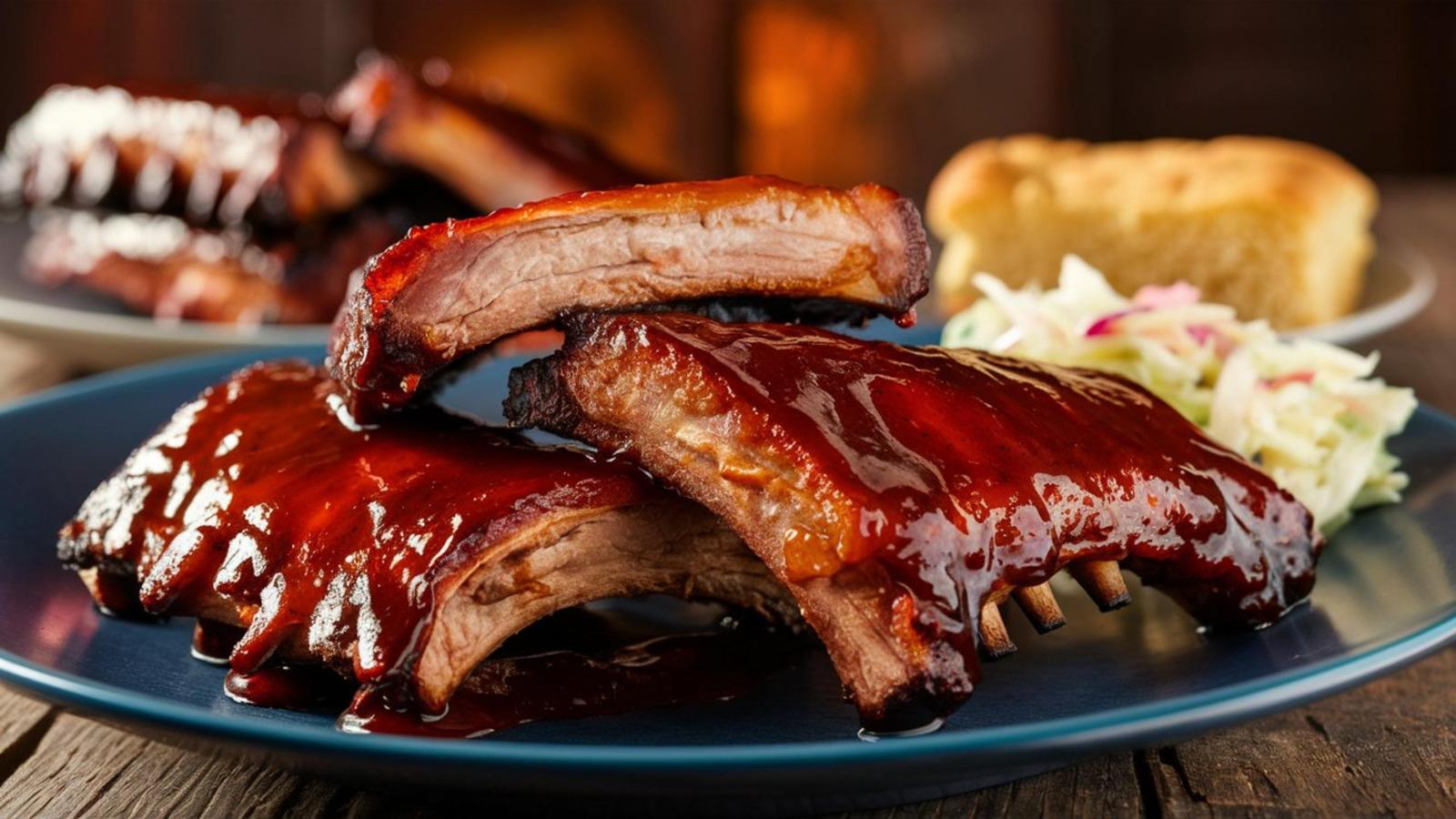
There are many ways to cook ribs, most relying on the "low and slow" method in which delicate heat is applied over a long period of time to yield ultra-tender meat. There are also many time-saving methods out there, like seeking out high-quality, pre-sauced ribs from the grocery store. Alternatively, one cooking method that speeds up the process softens and partially cooks the ribs in a pot of simmering liquid before they go onto a hot grill. There, they pick up the smoke and char of the direct heat, along with the flavors of any desired seasonings and sauces.
This boil-then-grill method yields a juicy, tender rack of ribs because the partial cook breaks down collagen, the connective tissue between muscle fibers. This tissue, found in high quantities in pork ribs, tethers these fibers to one another and to the animal's skeleton, but it makes the meat difficult to chew.
Simmering speeds up the softening process — an important consideration because, as the name implies, the "low and slow" method requires ample time. Our recipe for easy, delicious baby back ribs, for example, takes over three hours in the oven at 275 degrees Fahrenheit, whereas boiled ribs only need about one to two hours of simmering before they reach the grill.
How to get the best results from boiled ribs
mnimage/Shutterstock
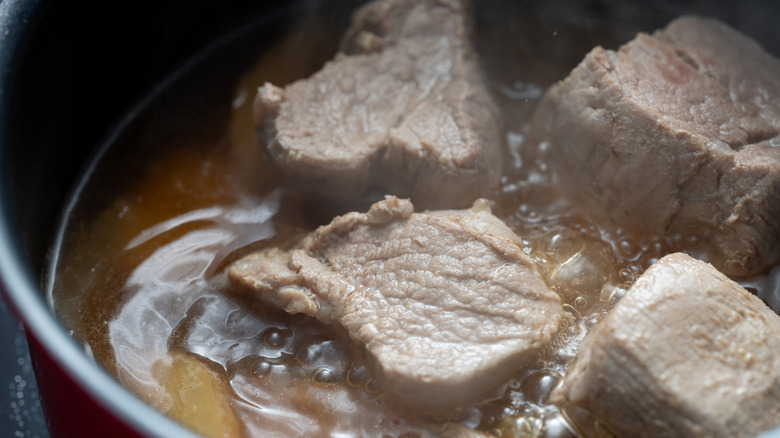
Home cooks making ribs using the boil-first method should fully thaw the meat beforehand and keep the liquid at a gentle simmer rather than a rolling boil. Flavoring the water with alliums and spices — like you would to make a stock, for instance — is an easy way to impart flavor. In fact, one option is to use a more flavorful liquid like stock instead of water. Other high-collagen cuts of meat are often cooked low and slow with stock, like our recipe for the best short ribs you'll ever eat.
Another key to success is knowing when to pull the ribs from the liquid before they turn mushy, as they could potentially fall apart as you transfer them to the grill. Cook times will vary according to factors like the size and type of ribs, so the best way to test for doneness is with a sharp knife: Simmer them just until the blade punctures the meat with no resistance. From there, finish the ribs on a grill set to medium or medium-high.

 English
 French
 Spanish
 Portuguese
 Deutsch
 Turkish
 Dutch
Dutch
 Italiano
 Russian
 Romaian
 Portuguese (Brazil)
 Greek
Greek