


Oleksii Kriachko/Getty Images
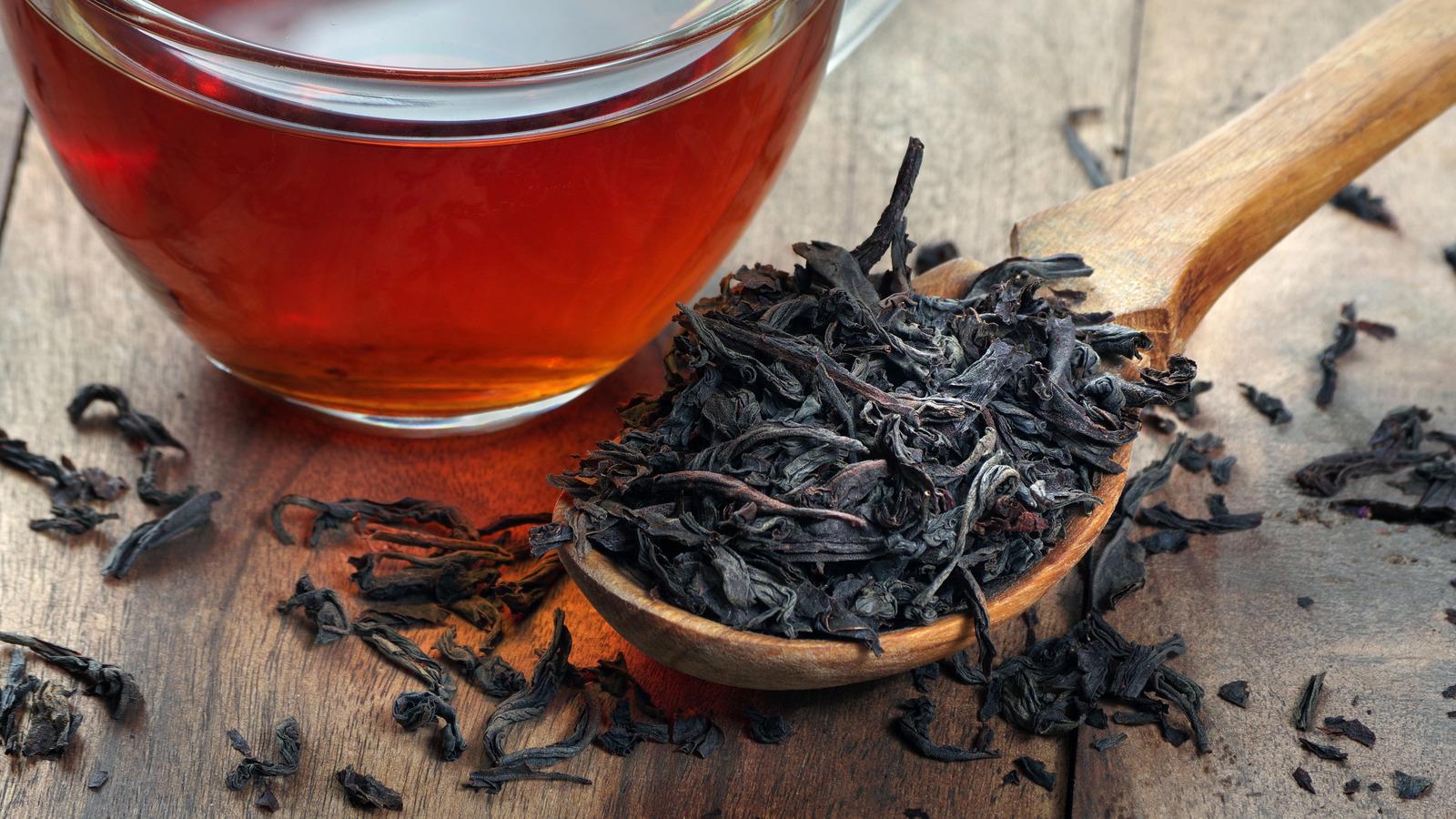
The humble beginnings of tea, the brisk, vegetal beverage made from the boiled leaves of the Camellia sinensis plant that took the world by storm centuries ago, are rooted in China. One of many little-known tea facts is that tea was first served as medicine as early as five millennia ago. People eventually began to enjoy tea on its own merits in the third century A.D., and the plant — as well as the beverage — soon spread across Asia. In the early 17th century, the Dutch East India Company introduced tea from China to Europe, where it quickly caught on.
To this day, China remains not only the world's top producer of tea, but also its largest exporter. In 2025-26 China produced 3.2 million metric tons of tea, 21.4% of the world's tea exports, and supplied tea to more than 120 countries. China cultivates some of the world's most popular types of tea, including black, green, oolong, white, yellow, and dark.
Other major tea producers
Rixipix/Getty Images
It may not come as a surprise that the second largest producer of tea in the world is India. The Camellia sinensis variety assamica grew wild in the Indian state of Assam and was enjoyed by locals for centuries. Its discovery by Westerners in 1823 quickly led to plantations devoted to the plant's cultivation by the British. In 2025-26 India produced 1.4 metric tons of tea. Assam and Darjeeling are two of the most recognizable Indian teas abroad.
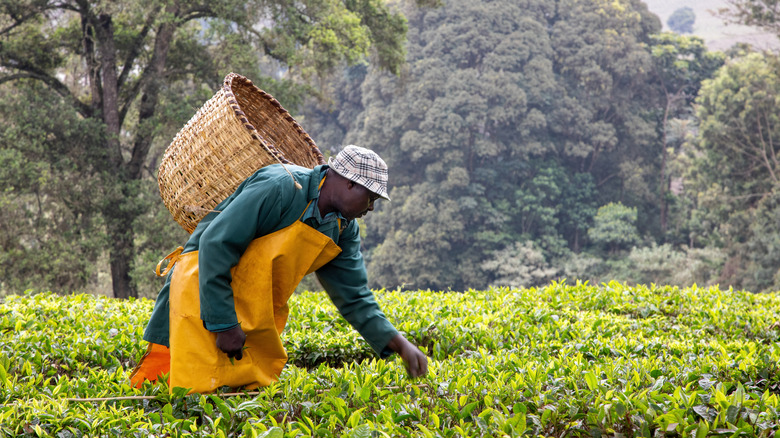
The third largest producer of tea is Kenya with just over half a million metric tons in 2025-26. Like India, Kenya was a British colony, and it was the British who brought tea cultivation to Kenya. The environment in which tea grows has a big impact on its flavor, and Kenya's perfect mix of volcanic soil, good drainage, consistent rainfall, and mild temperatures suited the plants brought over from India. But unlike India, the African country's unique climate allows for tea to be harvested year-round. Kenya is also unique in that it exports 90% of the tea it grows, lacking the domestic markets of China and India. Kenya's biggest claim to tea fame is purple tea, first cultivated there in 2011. The color comes from naturally occurring anthocyanins in the leaves.

 Arabic
 French
 Spanish
 Portuguese
 Deutsch
 Turkish
 Dutch
Dutch
 Italiano
 Russian
 Romaian
 Portuguese (Brazil)
 Greek
Greek