


Vladimir Mironov/Getty Images
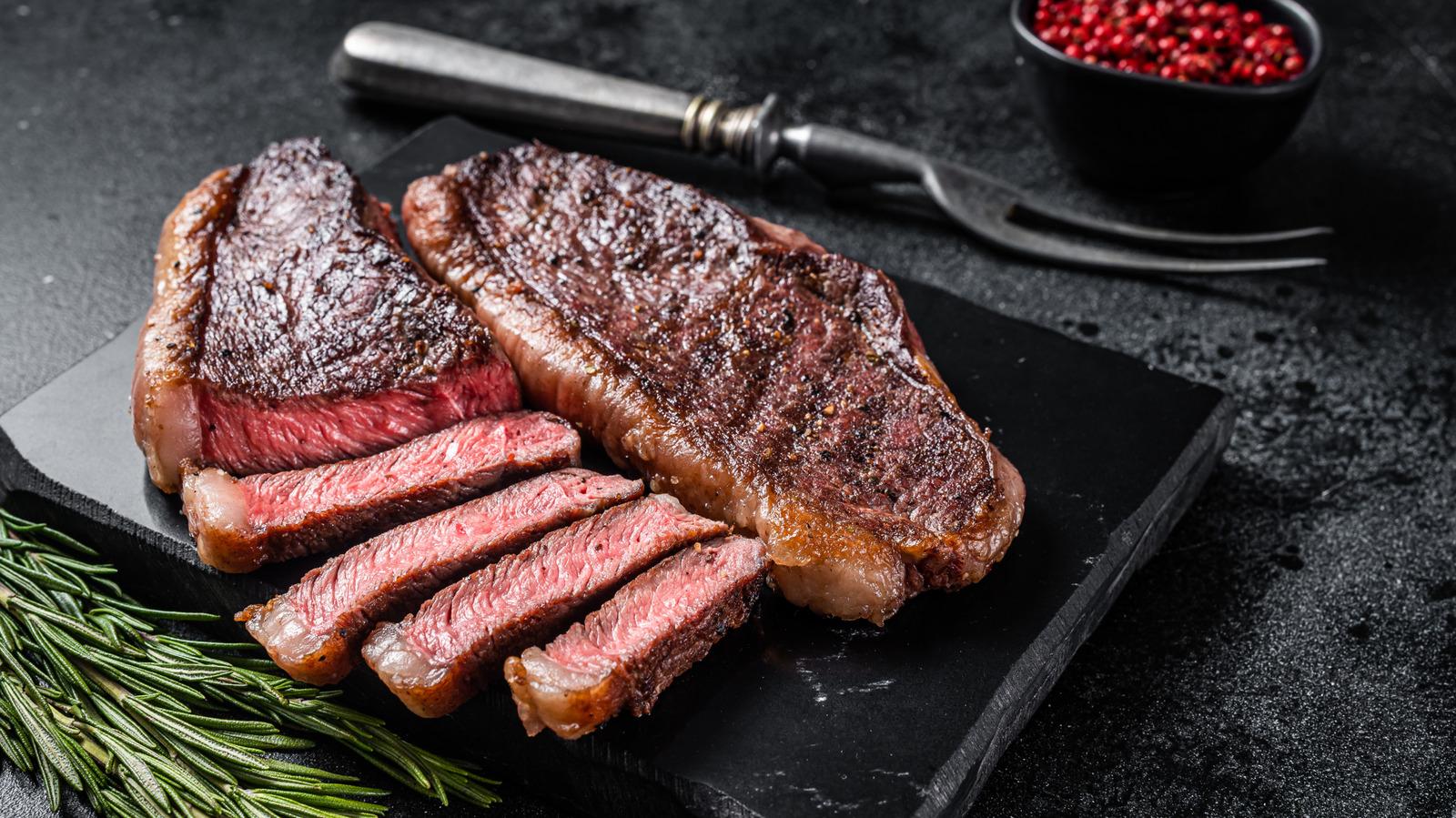
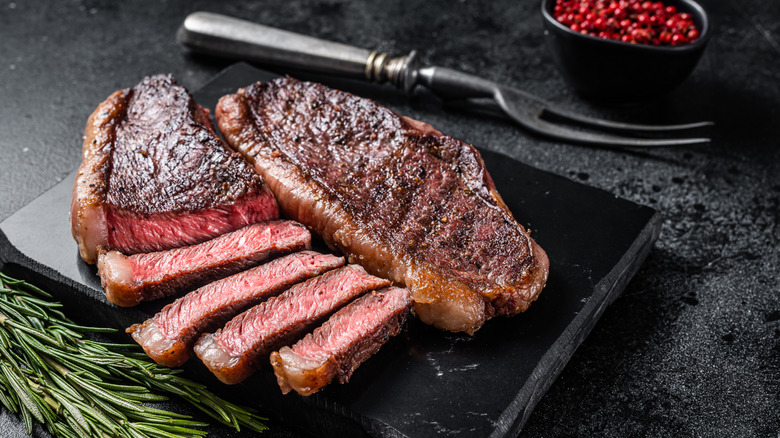
Everyone loves a good steak — thick, juicy, and flavored to perfection. But how do you recreate that melt-in-your-mouth deliciousness at home each and every time? Coaxing that rich beef taste from your meat starts with more than just complementing your steak with unique flavorings. Instead, it's about highlighting the steak's unique features with tips and techniques that you may not even realize are that important. From patting your steak dry and salting it generously to limiting how much high heat you use and letting it rest, there's a lot that goes into creating a flavorful steak.
After all, there's a reason why the steaks you get in a restaurant are so much more flavorful than the ones you cook at home. The chefs know how to select the right beef and then treat it in such a way that you're rewarded with a juicy steak that's packed with flavor. To help you learn how to replicate that beefy goodness at home, we spoke with several culinary professionals who share their tips for how to make a more flavorful steak. Below you'll find insights from Michael Senich, Vice President and Corporate Executive Chef at LongHorn Steakhouse; chef Barclay Dodge of Michelin-starred Bosq in Aspen, Colorado; chef Aaron Cuschieri of The Dearborn and The Dearborn O'Hare in Chicago, Illinois; and Mark Sharwood-Walker of Swaledale Butchers in the U.K.
Choose the right cut of meat
FoodieFrame Studio/Shutterstock
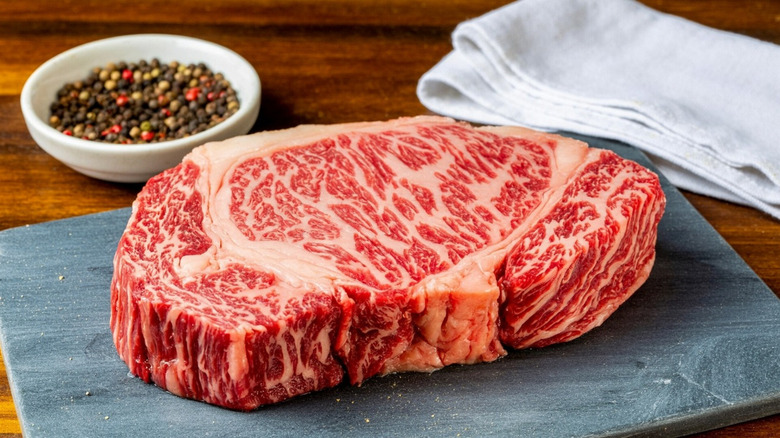
If you want to create a flavorful steak at home, the chefs we spoke with said that fat plays a pivotal role. They also agreed that cuts such as the ribeye steak — a primal cut of beef taken from the cow's rib — is a great choice because it's usually well-marbled and has a good ratio of fat. "A ribeye tastes great off an open-flame grill," said chef Michael Senich. "The fat will render over the fire, and the flame helps create the rich flavor and sear steak lovers are looking for." You could also try a skirt steak, which is often underrated. "It has tremendous flavor and tends to take on marinades very well because of its fibrous texture," he explained.
Mark Sharwood-Walker agreed that the ribeye is an obvious choice, but he said not to discount the leaner cuts because they can pack some flavor, too. "A well-marbled ribeye gives you much more room for error [...] but forequarter cuts such as flat iron or Denver often have more depth than tighter hindquarter muscles."
The type of cow, how it's fed, and whether the meat is still on the bone can also impact the flavor, said chef Aaron Cuschieri. "Grass fed beef tastes different than grain fed beef [and] the heritage of the cow can also have an influence on the flavor," he said. "Also [...] bones add a ton of flavor to a cut of steak. So a bone-in ribeye is one of the most flavorful steak cuts there is."
Pat your steak dry before cooking
Pranithan Chorruangsak/Shutterstock
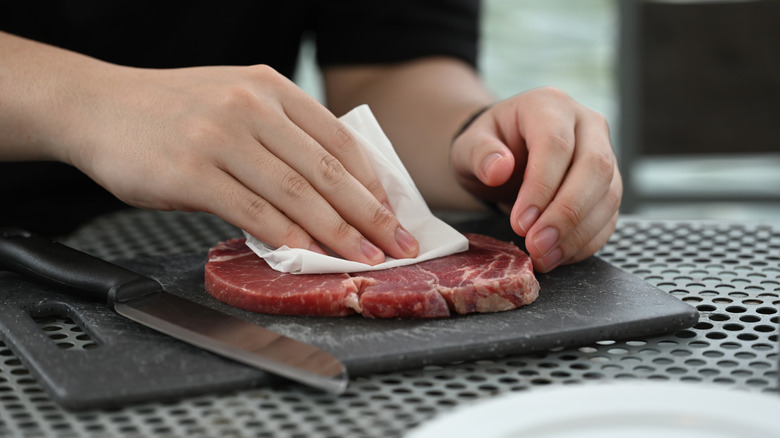
Patting your steak dry before seasoning or cooking it is such a simple step, but it's one that's often forgotten by home cooks – and the end result can sometimes be disastrous. In fact, there's nothing worse than putting a wet piece of meat in a hot pan or on a hot grill and hoping it will become that delicious, tell-tale brown color that's seen in a properly cooked steak only to end up with a grayish-looking piece of meat that's dull and flavorless.
Trying to cook a piece of meat while it still has some moisture on top impacts the flavor, encouraging steaming rather than searing, said Mark Sharwood-Walker. You want your steak to undergo the Maillard reaction, the chemical process that improves the look and taste of your steak and gives it that beautiful crust. But moisture can prevent that from happening.
Patting the meat dry ahead of time also gives you a dry surface for your seasonings and keeps them from getting wet, muddled, or slipping off when you place it on the grill. "It's easy to forget to pat your steak dry, but excess surface moisture can prevent it from developing the flavorful sear you're looking for during cooking," said chef Michael Senich.
Bring out the natural flavors with salt
ascu0ioanas/Shutterstock
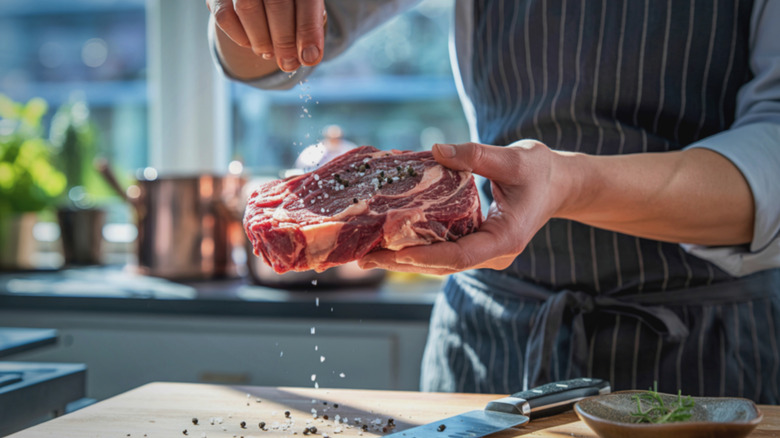
According to the culinary experts we spoke with, salt is the number one most important seasoning when you want a flavorful steak. Skimp on this step and you likely won't end up with the taste you're looking for. Salt enhances the beef's natural flavor and adds to its savoriness, according to chef Michael Senich. "Salt also helps create a crust by drawing moisture to the surface, allowing heat to do its thing," he said.
Salt may also be the only ingredient that brings out the natural flavor of your steak, added chef Aaron Cuschieri. "If you have a high quality, 100 percent grass-fed, low stress, USDA prime-graded cow, I promise the only thing your cut of steak needs is salt," he said. "I season with kosher salt right before I sear or grill it. Then after it rests and I plate it, I will season it again with Maldon Sea Salt, a finishing salt."
Simply adding salt at the end of the cooking process won't give you that flavor you want, warned Mark Sharwood-Walker. "You can also be more generous than people think because some of it will inevitably remain in the pan or on the grill," he explained. The exception, however, is when you're making a pan sauce. "In that case, hold back slightly at the start because the seasoning left in the pan can make the sauce too salty," he suggested.
Add a different flavor profile with seasonings and rubs
Fcafotodigital/Getty Images
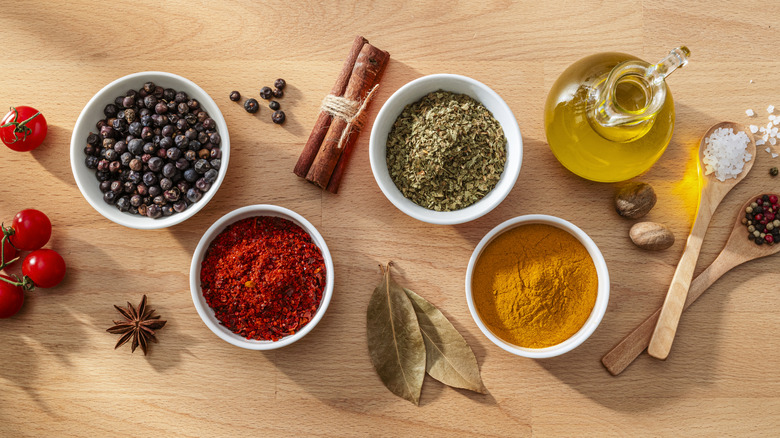
If you're using a good cut of beef, you typically won't need more than salt and pepper on your steak. These bring out the natural flavors of the beef and allow it to take center stage. But if you want to add extra flavor to your steak, or create a particular flavor profile, then you can accomplish that with rubs, powders, and spices. When you're cooking, it's important to understand which is which, said chef Aaron Cuschieri. "Great ways to add flavor are things like mushroom or porcini powder, garlic and onion powders, smoked paprika, [and] Cajun spice," he said. "But the important side note here is none of these things are making your steak more flavorful, you're adding flavor to your steak."
Chef Cuschieri said he likes grains of paradise, which is an aromatic West African spice, on steak. He uses a mixture of white pepper, black pepper, and grains of paradise in a pepper grinder. He also adds flavor with a mushroom rub. "I will combine salt, black pepper, porcini powder, garlic powder, onion powder, chili flakes, and dried basil and rub that all over the steak right before cooking," he said.
You also can add interest or flavor with a sauce rather than adding extra seasonings, added Mark Sharwood-Walker. "If you're starting with heritage-breed beef, raised on grass, and properly dry-aged, salt and perhaps pepper should be enough. Let the flavor that's already there do the work."
Leverage butter and herbs to enhance the flavor
Wundervisuals/Getty Images
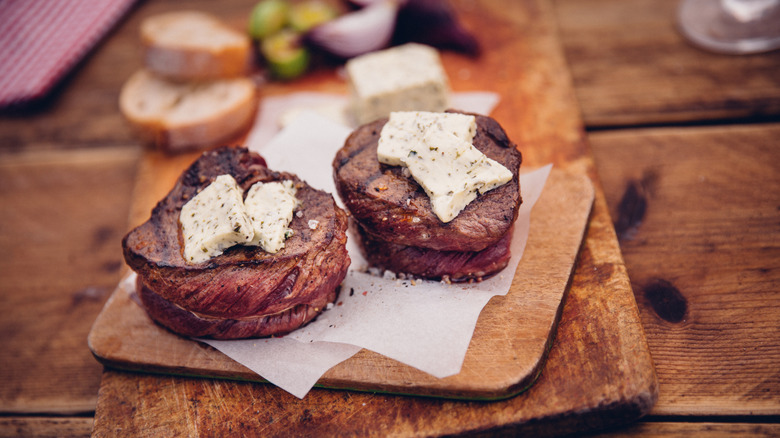
Everything is better with butter, including steak. There's a reason that steakhouses often top their steaks with butter before serving it to you. Not only does butter coat the steak and add a rich, nutty flavor and a glossy sheen, but it also complements the rich flavor of the beef. Plus, you can add additional flavor if you make a compound butter ahead of time with the herbs and seasonings you love. "Plain butter or butter mixed with herbs is a great way to finish a steak, especially if the steak is on the leaner side," said chef Michael Senich. "As it melts and blends with the natural juices from the steak, it creates a delicious natural sauce."
Butter can also help with the color of the meat, added Mark Sharwood-Walker. "Add it after the initial high-heat sear and reduce the heat once it goes into the pan. Foaming, nut-brown butter is exactly what you want. Add hard herbs such as rosemary or thyme, then baste the steak continually. It adds flavor, helps keep the steak moist, and keeps the butter moving so it is less likely to burn."
You also can rest your steaks in butter, said chef Aaron Cuschieri. But remember, if you add herbs like dried basil and oregano, you're adding a new flavor to your meat, he said.
Use marinades with tougher cuts only
Candice Bell/Getty Images
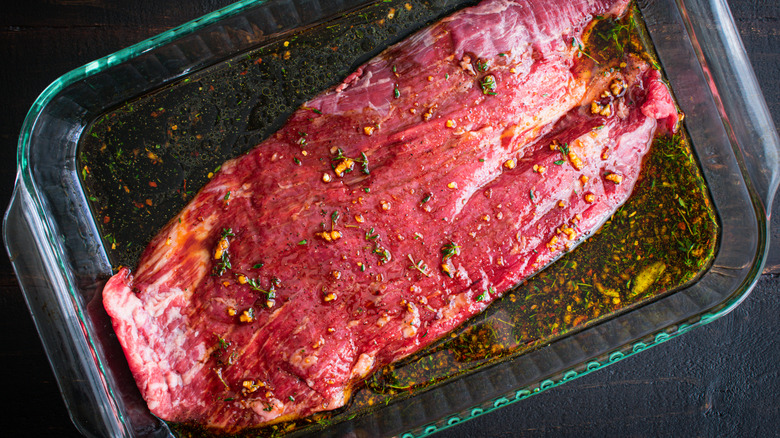
Marinades — which are often made with oil, vinegar, and spices — are used primarily to break down the tough muscle fibers in the meat. This allows it to become more tender and easier to chew. Plus, a well-planned marinade can keep some meats from drying out while you're cooking them as well as add interesting flavors. However, these mixtures aren't well-suited for every type of meat or steak. Instead, marinades are best reserved for tougher cuts of meat or when you want to infuse the meat with a particular flavor.
You don't necessarily need to marinate a steak like a ribeye because it's already tender and juicy. Use marinades on tougher cuts of meat like round steaks and flank steaks, said chef Aaron Cuschieri. You can also use marinades on short ribs and sirloin tip roasts, he said. "These cuts will gain a lot of flavor and be much nicer with the use of a marinade or some tenderizing."
But if you want a steak, you might be better off selecting a cut better suited for your cooking method and the flavor profile you're trying to create rather than relying on a marinade, said Mark Sharwood-Walker. "Marinades can be useful, but they're not essential. Herbs, garlic, spices, vinegar, citrus, and soy can all add something when used with a bit of restraint. [But] I'm not a fan of soaking steak overnight in large amounts of red wine or other liquid. In my experience it does more harm than good."
Cook your steak at room temperature
Alexraths/Getty Images
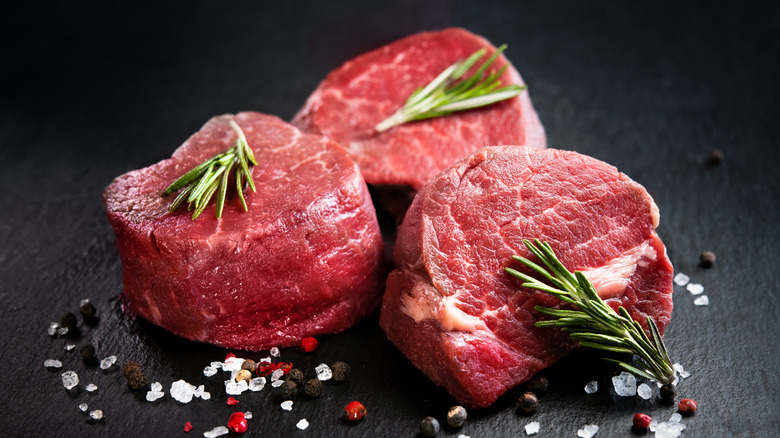
There is much debate over whether your steak imparts better flavor if it's allowed to come to room temperature before cooking or it comes out of the refrigerator straight into a hot pan or onto a hot grill. Some argue that allowing it to come to room temperature results in a more even cook. Others say cold is best when you're grilling.
Several of the culinary experts we talked with indicate that they personally prefer cooking steak at room temperature, though it's not an absolute requirement. You can still get a flavorful steak by taking it straight from the fridge and preparing it — and there may even be some advantages to cooking your steak while it's still cold. "I prefer a room-temperature steak in a pan, but a colder steak can actually help over very high heat on a barbecue," said Mark Sharwood-Walker. "It gives you more time to build color and render fat before the center overcooks."
Chef Barclay Dodge told us he prefers to temper his steaks for about 20 to 30 minutes before cooking. "Then I pat dry, season with salt liberally, and cook to desired temperature," he said. "Let the meat rest for 10 minutes, then baste with hot butter, beef garum, and aromatics to re-heat before serving. We season right before cooking. Seasoning too early can cause moisture coming to the surface which deters a nice sear and crust on the steak."
Stick to medium, medium rare, or rare for the best flavor
Karandaev/Getty Images
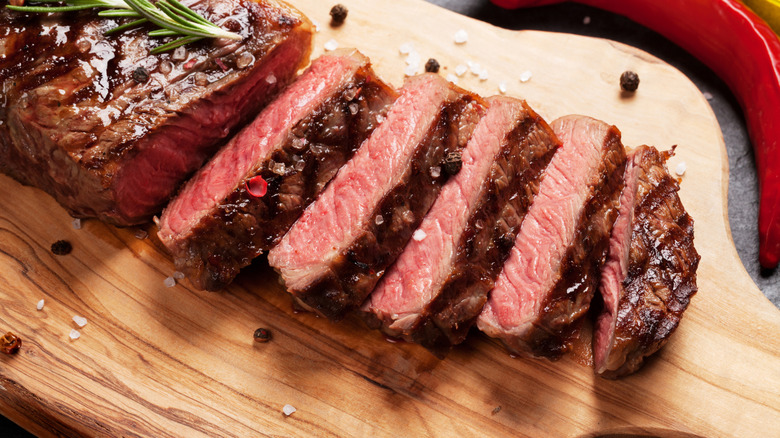
Most culinary experts indicate that cooking a steak to well done, especially an expensive one like a ribeye, strip loin, or a porterhouse, often ruins the steak and results in a tough, dry piece of meat. In fact, the longer you cook steak, the firmer the muscle fibers get and the fewer juices it retains. What you end up with can resemble leather rather than a juicy cut of meat that melts in your mouth.
"To me anything over medium really undermines the steak," says Chef Barclay Dodge. "I prefer a solid medium rare. It is important to know that carry-over cooking will raise the temperature of the steak. The larger the piece of meat, the more it will carry over while resting due to thermal mass. I pull my steaks about 10 to 15 degrees under my desired temperature, let it rest, then reheat by basting."
Of course, there is no one size fits all here, added chef Aaron Cuschieri. "Anytime someone asks me what temperature I eat my steaks at, my answer is always the same: 'depends on the cut.' In a very elementary sense, I would never recommend anything over medium. When you get into medium well and well done, most cuts just get chewy. Even the most marbled meat out there will get chewy [when] well done."
Limit the use of high heat
Nur Alam Graphics/Shutterstock
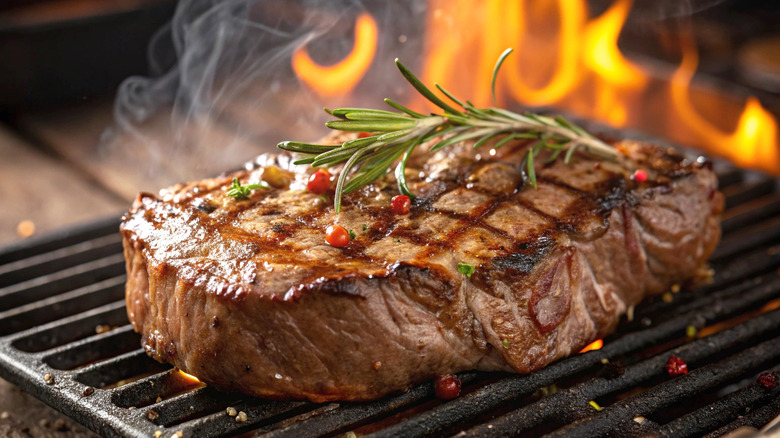
According to chef Aaron Cuschieri, there is an old saying that says you should get a hard sear on your steak to "lock in the juices." But he said this belief is simply not true. "The goal is for the steak to spend as little time cooking on high heat as possible," he explained. "So the reason we sear it before we put it in the oven in traditional cooking is to limit the amount of time the steak takes to cook, not to lock in the juices."
Cuschieri said when using traditional cooking methods, searing the steak and limiting the amount of time it spends cooking is the number one factor in how it will come out — not necessarily flavor. "Flavor comes from cooking meat at the proper temperature [...] and procuring good quality beef from local farmers that take pride in their cows," he said.
If you have the equipment, chef Cuschieri believes the best way to cook a steak is sous vide cooking at 120 degrees Fahrenheit for one hour per inch of steak. Then, you would pat it dry, season with salt and black pepper, grill it on a ripping hot fire for one to two minutes per side, and then let it rest in emulsified whole butter for five to eight minutes, he said. "A more traditional approach is a hot cast iron skillet, with clarified butter," he added. "Season with salt and black pepper. Sear both sides, two to three minutes [and] place it in a 500 degrees Fahrenheit oven for five to seven minutes per 8 ounces of meat."
Rest your steak before slicing
AndMax Photography/Shutterstock
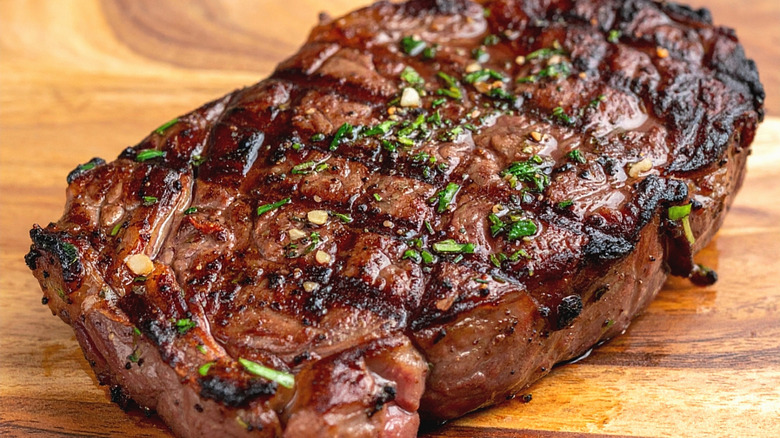
Once you've finished cooking your steak, the thought of cutting into it right away is likely at the top of your mind. But unless you want to lose all of that delicious juice and seasoning you worked so hard to create, it's best to hold off for a few minutes. Otherwise, all of that delicious flavor will be on your plate or cutting board rather than on your tongue.
"Allowing your steak to rest for a minute or two before cutting into it is important because it gives the juices time to redistribute throughout the meat, resulting in a more flavorful bite," said chef Michael Senich. Resting your steak also allows for carryover cooking, which means that the internal temperature of your meat will continue to rise as it rests. So, for a perfectly-cooked medium rare steak, many people recommend pulling it off the heat early at about 125 degrees Fahrenheit to account for the carryover cooking, especially if you're aiming for about 130 to 135 degrees Fahrenheit.
While you rest your steak, you could add butter as a way to incorporate more flavor, suggested chef Aaron Cuschieri. Just make sure you let your steak rest for five to 10 minutes before you cut into it or serve it, he said.

 English
 French
 Spanish
 Portuguese
 Deutsch
 Turkish
 Dutch
Dutch
 Italiano
 Russian
 Romaian
 Portuguese (Brazil)
 Greek
Greek