


New Africa/Shutterstock
Everything feels more expensive these days, and diners are noticing. Even a quick stop at a fast food drive-through doesn't feel as carefree as it used to, so choosing to grab a sit-down meal is something that requires serious consideration. When you're spending real money to eat out, you want decent-sized portions, quality ingredients you can actually taste, a consistent experience no matter which location you walk into, and service that doesn't make you feel like an afterthought. Basically, you want the sense that your money bought you something worth leaving the couch for.
That bar has crept higher as menu prices have crept up right alongside it, and for far too many once-beloved sit-down chains, customers feel like the food and experience haven't kept pace with the price tag. From Tex-Mex to seafood to fine dining, here are some sit-down restaurants that diners say just aren't worth what they're charging anymore.
1. Panera Bread
Sanfel/Getty Images
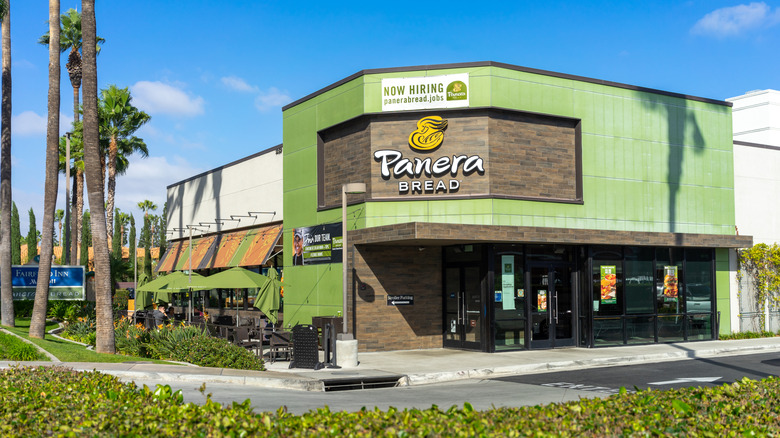
Of all the overpriced fast-casual chains, Panera Bread might be the most universally agreed-upon name on this list. In its heyday, Panera was a cozy, café-like spot for comforting (and affordable) soups and sandwiches. These days, most people agree the quality has dwindled and the fast-casual chain is seriously overpriced.
Take the famous You-Pick-Two deal: Half a sandwich or salad paired with half a soup, posed as a value combo. Instead, it's actually one of the shady things about Panera Bread's menu — it doesn't pack much value at all. As one ticked-off Redditor puts it, "It's presented like it's a deal on two things but when you look at the prices it's literally just 'you can get two things for the price of two things'."
Deceptive deals aside, Panera's overall quality and pricing seem to be going in opposite directions, and you can guess which one of those is soaring upwards. Customers flock to social media to complain that what used to be a budget-friendly lunch spot now feels out of reach, with no real way to feed a family for under $50.
Yelp reviews, too, are loaded with price complaints. Not only do the prices feel high for lower quality items (what used to get baked fresh, in-store is now shipped fully or partially cooked, so very little is actually being made in house when you order), but the portions seem to have shrunk as well.
2. Chuy's
Neiu20001/Getty Images
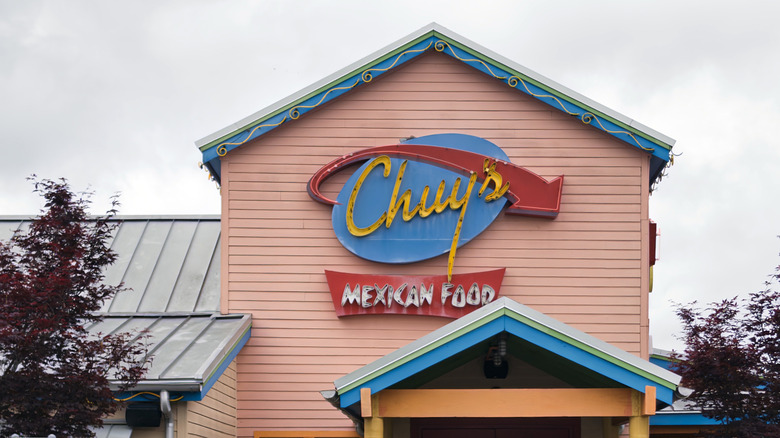
If the price on a big bowl of pasta goes up from $15 to $17, it hurts, but doesn't feel drastic. On the other hand, when a singular taco goes from $3 to $5, the jump feels pretty tangible. At Tex-Mex spots like Chuy's, customers are noticing price and quality going in opposite directions.
At Chuy's, you can enter a vibrantly colored world of icy margaritas and piled-high plates of Tex-Mex goodness that has been serving satisfied customers big portions at lower prices for decades. Lately, though, fans say a fun margs-and-queso run has started to feel like something you need to budget for in advance. For example, a menu from 2022 shows 3 tacos as $10 and change, while today, that same dish can run upwards of $13.
Many reviewers point out that, for the price, Chuy's is serving average Tex-Mex at best, and at worst? A Yelp review compares the food to that of a more-expensive, "fancy Taco Bell with less of a selection," pointing out that "Everything is pre-packaged...Nothing authentic here."
Another long-time customer visited and ordered from the chain's post-2020 menu (often considered smaller, with higher prices), and noted a distinct change in quality and flavor. With dry tacos and bland bites, the Redditor firmly declared " I'll put them on my list of post pandemic businesses that have gone into the toilet."
3. Cracker Barrel
Sanfel/Getty Images
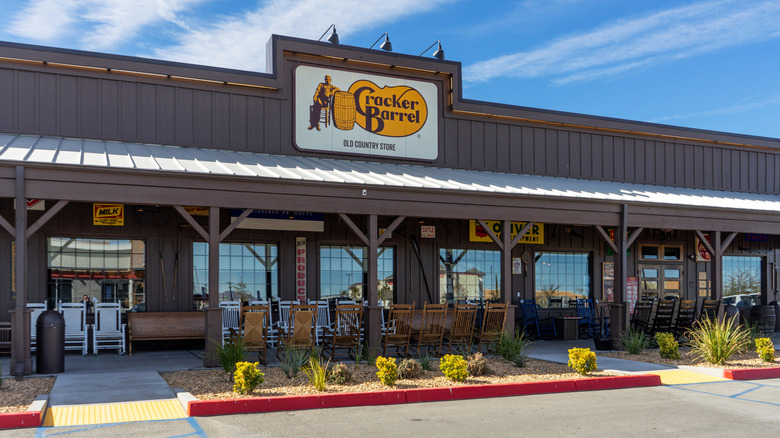
There's nowhere quite like Cracker Barrel, where you can pick up fresh biscuits and a souvenir cowboy hat in the same visit. Its old-timey charm is a huge draw, but lately, customers are looking past the rocking chairs and paying closer attention to the bill.
One way restaurants try to soften the blow of rising ingredient or labor costs is by raising drink prices. It's a clever trick: Drinks already have a high profit margin and low cost, so a price hike there tends to slide under the radar compared to, say, a $2 jump on a steak. Except, in Cracker Barrel's case, guests are noticing. One diner shared their disbelief on Reddit after a recent visit, saying, "Unreal new prices.... They are nuts! They now charge $3.50 for soda."
The drinks are only part of the story, though, in additino to smaller portions, a former Cracker Barrel chef told the New York Post that biscuits, once baked fresh daily, are now made in advance and reheated before being served. Other former employees spoke out in agreement, saying staples like French toast, meatballs, and mashed potatoes have all moved to prep methods that involve a microwave, or arrive frozen, with quality dropping as a result.
4. IHOP
Niko Natsuki/Shutterstock
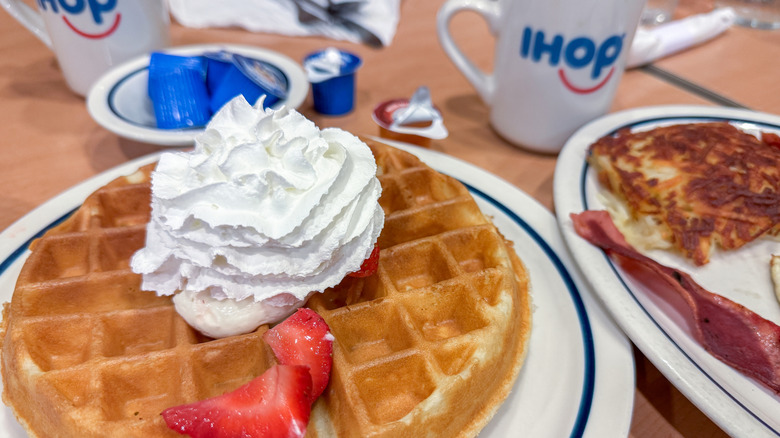
From 2020 to 2025, IHOP's prices rose more than almost any other major chain: A jarring 82%, according to FinanceBuzz. Breakfast, on paper, should be one of the cheapest meals you can order at a restaurant. The core ingredients are eggs, flour, and butter, portions tend to run smaller than dinner, and there's no pricey cuts of meat involved — especially at a spot like IHOP. So, why the massive price hikes?
Let's start with eggs — it's no secret that egg prices have skyrocketed in the past couple of years. Even so, eggs wind up being one of the most overpriced breakfast items at restaurants; a dozen still runs about $2.19 according to the U.S. Bureau of Labor Statistics, or about 18 cents per egg. At IHOP, a side of just two eggs typically costs $2.25, and a three-egg omelette can run upwards of $9.99 at some locations. Drinks are even more inflated, with select locations charging almost $4 for coffee, and a whopping $3.99 for hot chocolate.
It adds up fast. One Redditor described a $65 bill for two people at a Denver location, adding that the table no longer even gets a coffee thermos or syrup caddy left out anymore. Their verdict sums up what many are feeling: "Not IHOP anymore but IWONT."
5. Carrabba's
Jonathan Weiss/Shutterstock
Carabba's is an Italian sit-down restaurant chain, owned by the same company that operates Outback Steakhouse and Bonefish Grill. It's decidedly a step above fast-casual, but does the food and atmosphere warrant a high-end price tag? As one Reddit user sums it up: "I used to think Carrabba's was the best value for Italian, but I just checked the updated prices and it's getting hard to justify."
Most complaints about Carrabba's prices are related to portion size and meat quality. The chicken, in particular, is a frequent offender. A longtime fan says, "Has anyone noticed the chicken breast size shrinking too, or is it just the price going up?," while others chime in that the chicken itself is not only noticeably smaller, but often dry and unsatisfying overall (via Reddit).
Many customers note that for the price you pay at Carrabba's, you could get better and more food elsewhere. Tough bites of meat, cold pasta dishes, and excruciatingly slow service also add to growing customer frustrations. Its seems Carrabba's is another culprit of the corporate chain downfall — portions and quality decline, prices go up, booths get emptier, and somehow, the company's profits go up. Summed up by a Redditor: "It feels like the 'soul' of the place got optimized out by corporate efficiency, but the prices just keep climbing."
6. Olive Garden
Jetcityimage/Getty Images
Olive Garden has always had a budget-friendly brand presence. Bottomless breadsticks and salads don't scream high-end, and that's exactly what people like about the place. But, even though Olive Garden is still offering those never-ending freebies, prices for entrées and apps have climbed to the point that customers are left feeling like they're paying upscale money for a downscale experience.
Chains like Olive Garden that lean on bottomless appetizers or sides run into a pricing problem the moment ingredient costs rise. To uphold brand standards and customer expectations, they have to keep the breadsticks and salad coming, so as ingredients cost rise, the brand seems to revert to lower-quality ingredients. An alleged former employee claimed the sourcing of chicken was questionable, and many customer complaints back that up. One reviewer remembers the chicken in their Alfredo dish had "a texture like jello" (via Trustpilot).
Former employees have claimed that the microwave is used to heat up more than you'd think, from desserts to pasta dishes. Plus, a lot of your favorite dishes are likely frozen or pre-packaged in-store before you eat them, like soups and pasta sauces. Gone are the days of big portions where everything was freshly cooked on-site. The difference is notable — diners frequently note just a sparse handful of pasta swimming in their soup, while chicken and seafood dishes get called out as small, dry, and overcooked.
7. Red Lobster
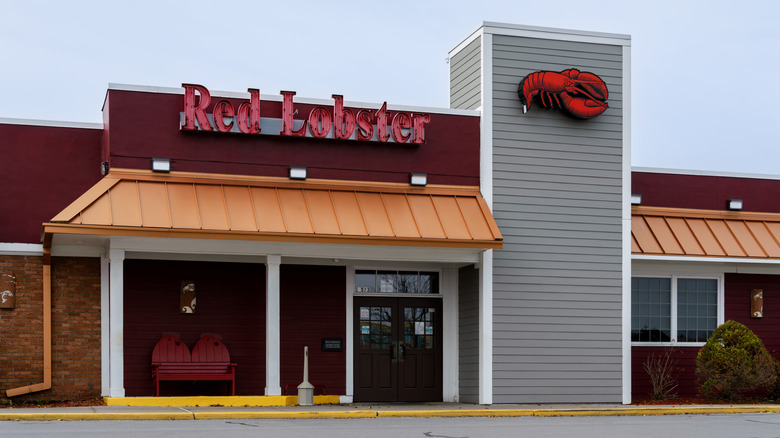
M. Suhail/Getty Images
Financially, Red Lobster has been in some hot water in recent years. The rise and fall of Red Lobster included a famous endless shrimp debacle, bankruptcy claims, and numerous locations closed. Red Lobster's new CEO has publicly promised, to get the brand back on the map ... he even brought Endless Shrimp back for a limited time to do so. But, pure willpower can't change the reality that in 2026, trying to bring back a dying restaurant and keep things affordable is a mathematical paradox.
The Washington Post ran the numbers on the shrimp promotion, finding that, to break even on the $30 deal, you'd have to eat at least 22 shrimp. To eat that much shrimp, you'd have to order numerous rounds of refills ... and have the stomach for it.
Seafood is never going to be as cheap as chicken or pork, but Red Lobster isn't the only sit-down option for seafood. If customers are going to spend real money on it, the fish needs to taste fresh and portions need to feel fair. Recent reviews suggest neither is consistently true. Quality and portions are frequently complained about, and it's clear that Red Lobster relies on numerous tacked-on upcharges to make ends meet. One Redditor summed up the sentiment bluntly: "We were shocked at the price increase. There's better restaurants in that price range. Anything with crab or lobster is $49+. A side salad is now a 'premium' upgrade. Give me a break."
8. Texas de Brazil
Any restaurateur will tell you the toughest part of the business is balancing the budget between fluctuating sales, food costs, and everything in between. Without precisely predictable portions, an all-you-can-eat model, like Texas de Brazil, is even harder to manage.
As a customer, the only way an all-you-can-eat is worth the price is if you eat enough to feel satisfied, the food is quality enough to want to eat lots of it, and there's decent variety offered. At Texas de Brazil's price point (around $60 per person before drinks or tip), getting enough variety of quality meat is the key factor for the price to be worth it.
One TripAdvisor reviewer said meats were fine overall, but noted that lamb chops, an $18 upcharge on $60, came out tough and difficult to chew, calling them "definitely not worth the extra money." Another reviewer had a rougher time across the board, calling the meat unappetizing and gristly. They opted for the salad bar instead, which they said was "lacking basic choices, at the cost of $31."
Other diners point to a pacing problem. Some say the meat service felt rushed, coming out faster than they could keep up with, while others felt that they had to work hard to flag down servers for more meat.
9. Nobu
You go to Red Lobster for unlimited shrimp and cheddar biscuits. You go to Nobu to say you went to Nobu. The sushi chain built its name on celebrity word-of-mouth, but the actual draw should be high-end, quality cuts of fish.
At Nobu's eye-popping price point (the average check at a New York location runs at least $135 per person), "good sushi" isn't really the bar. Diners are paying for an experience where perfection is a valid expectation. By multiple accounts, that expectation isn't always met. Quality seems to vary by location, but also within individual spots, with some dishes landing and others falling flat at the same table.
Many customer complaints aren't even about the fish. At this price, diners expect attentive service and food that arrives hot when it's supposed to be. One YouTube video noted some fantastic dishes, but numerous hot dishes were served straight-up cold. And, overall, you can pay a ton at Nobu for a very small amount of food. Dropping more then $100 on a meal and still leaving hungry. In this economy, that doesn't fly for the everyday diner.
Some say the sashimi alone justifies the cost, even if nothing else does. One Yelp reviewer at the D.C. location summed it up: "Sushi is good. Anything else on the menu is underwhelming," calling out the chicken teriyaki, wagyu dumplings, and desserts in particular.
10. Applebee's
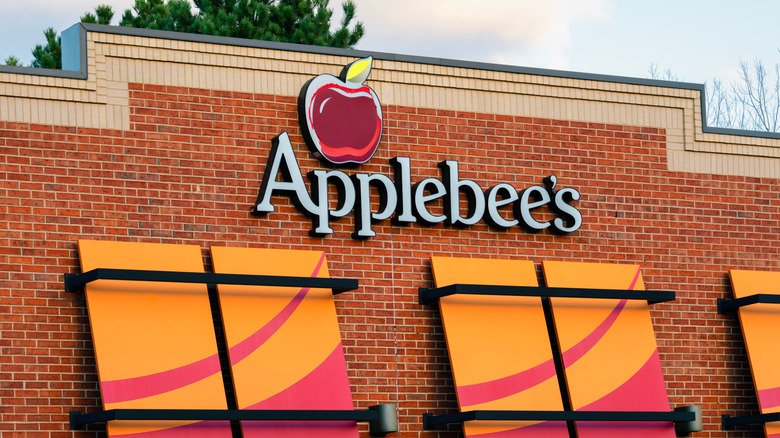
Mahmoud Suhail/Shutterstock
No one goes to Applebee's expecting the best meal of their life. It's where you end up when you and your family want cheap burgers, pasta, and apps. But, any sit-down meal is still a splurge these days, and a lower price tag doesn't automatically mean the food is worth ordering.
Applebee's can get fun-loving people in their booths for a Dollarita, but a $1 margarita only lasts so long. If the food arrives cold and the server is juggling half the dining room, that buzz disappears faster than that watered-down dollar cocktail does. Reviewers regularly complain about long waits, understaffed restaurants, and meals arriving cold or incorrect. One Tripadvisor reviewer advises others to "avoid at all costs," and another at the same location mentions seeing roaches ... more than once. A review from a different location described waiting 45 minutes for food before receiving steaks that were overcooked and burnt to a crisp.
Applebee's has continued closing locations around the country, even as company leaders insist the brand remains healthy. Whether the closures are related or not, plenty of diners say the value just isn't there anymore. A cheap meal starts feeling overpriced as soon as the service makes you wish you'd just gone through a drive-thru instead.
11. The Cheesecake Factory
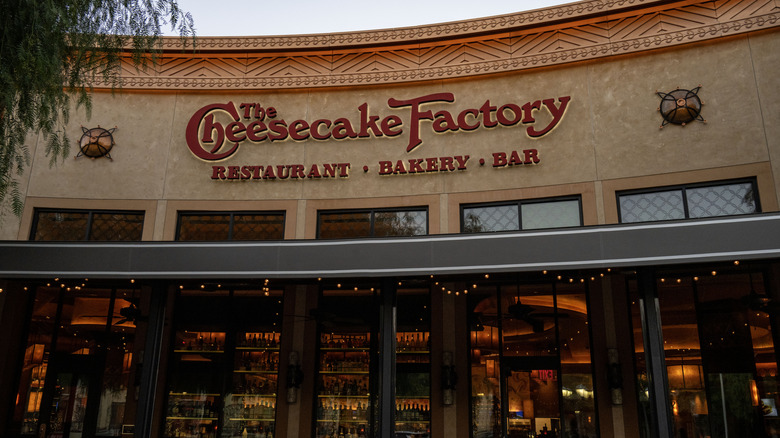
Trevor Srednick/Getty Images
When you pay nearly $20 for a single slice of cheesecake, expectations are understandably high. The desserts at The Cheesecake Factory still earn plenty of praise, but they're also one of the few menu categories that consistently do. One disappointed Redditor says it best: "Used to be a highlight meal but the past several times I've gone, it's been mid. It's all about the cheesecake right now."
Many popular entrees now cost $25 to $35, leaving diners expecting a meal that lives up to the high price tag. Instead, a recent Tripadvisor review titled "Shrinkflation, High prices, food quality dropping like a brick!" used words like "miniscule" and "lukewarm" to describe their dinner, summing up what many are feeling about the smaller portions and less-than-stellar service.
With more than 250 menu items, consistency becomes a challenge. But ,when dinner for two can easily top $75 before dessert or drinks, diners expect more than a menu that's simply diverse. Out of 10, one Reddit user rates cheesecake a 9 and food just a 5, stating "Every dish I get is over priced ($25 for a dish of trying-too-hard pasta)."
12. Outback Steakhouse
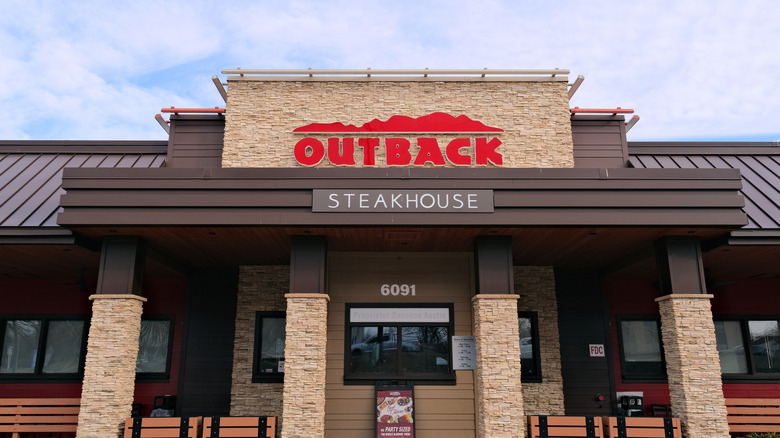
Neal Mcneil/Getty Images
Aside from the Australian lingo and cheeky menu items, Outback Steakhouse has built its reputation on delivering a steakhouse experience at a price that feels accessible. But, like chains with similar sit-down models, Outback has been struggling to provide a consistent experience for diners, and they're starting to get fed up.
As menu prices have climbed, lots of diners say the value hasn't kept pace. Depending on the cut, a steak dinner can now cost $30 or more before adding a drink, appetizer, or dessert. This is territory where customers start comparing Outback to more affordable chains with similar offerings, like Texas Roadhouse or even Chili's, especially when service and food quality are consistently inconsistent across locations.
In response to a Reddit post asking "Has Outback quality gone downhill?," one user responded, "Absolutely it has. I stopped giving them my money. Mom and pop places are usually better nowadays." A former employee noted that they watched food quality get reduced firsthand, seeing many dishes go from house-made to pre-packaged. A TikTok creator ordered a meal of salmon and mashed potatoes totaling close to $40, and firmly decided the whole thing was not worth the price, to which many commenters agreed. Trendy shark drinks and a classic Bloomin' Onion can only carry Outback so far, when its main entrées seem to be not worth the cost.
Methodology
Ziadi Lotfi/Shutterstock
To put this list together, I looked through Reddit threads discussing chain restaurant quality, including posts from former employees sharing firsthand kitchen or serving experience. I read through reviews on Yelp, TripAdvisor, and similar sites, specifically looking for complaints that called out price and portion size together, rather than general dissatisfaction. I also referenced news coverage and financial reporting on each chain's recent performance, including closures, bankruptcy filings, and pricing changes, to make sure the complaints lined up with the bigger picture.

 English
 French
 Spanish
 Portuguese
 Deutsch
 Turkish
 Dutch
Dutch
 Italiano
 Russian
 Romaian
 Portuguese (Brazil)
 Greek
Greek